
Technical University Dortmund Scholarships for International Students 2027
Technical University Dortmund is linked to scholarships that can reduce costs in meaningful ways. Here are a few strong options prioritized by funding level.
On the institution side, Technical University Dortmund is connected to scholarships that can reduce tuition and sometimes extend to other study costs. These are practical starting points. A strong option is Free Tuition which is full tuition and often covers full tuition fees for four years for bachelors degrees, two years for masters degrees, and up to six years for doctorate degrees.
Beyond campus funding, Technical University Dortmund applicants often explore outside opportunities including government backed and independent programs. These are common starting points. DAAD Scholarships is commonly categorized as fully funded support, and coverage that often includes €992 for master's and €1,300 for Ph.D. students, health insurance, and one-time research allowance. With DAAD EPOS (Development-Related Postgraduate Courses), students may receive fully funded support, and coverage frequently includes full tuition fee waiver, health insurance, and A monthly stipend of €934 for Master's students. Konrad Adenauer Stiftung Grant (KAS) is a partially funded award, and the listed benefits often include up to 992 euros per month for Bachelor's, master's, and or postgraduate study, up to 1,400 euros per month for PhD study, and health insurance subsidy of up to 120 euros per month.
For the complete set of linked scholarships including additional options and details, continue below on this page.
Technical University Dortmund Scholarships for International Students
The scholarships at Technical University Dortmund can help fund your study expenses. There are currently 7 scholarships being offered to international students at the Technical University Dortmund, all with varying requirements, benefits, and application processes. We have compiled them in this list to help you find the scholarship that best fits you.
Undergraduate Scholarships
Graduate Scholarships
External Scholarships
There are many degrees that are open to international students right now — find yours.
Technical University Dortmund Admissions
Here are the official admission pages for Technical University Dortmund:
| Degree | Admissions Pages |
|---|---|
| Bachelor's | International Students Admissions Page |
| Master's | International Students Admissions Page |
Technical University Dortmund Application Deadlines
| Degree | Admission Deadline |
|---|---|
| Bachelor's (Winter) | July 15, 2026 Different Bachelor's programs have different deadlines |
| Bachelor's (Summer) | January 15, 2027 Different Bachelor's programs have different deadlines |
| Master's (Winter) | July 15, 2026 Different Master's programs have different deadlines |
| Master's (Summer) | January 15, 2027 Different Master's programs have different deadlines |
Tuition Fees at Technical University Dortmund for International Students
Indicative annual tuition fee ranges for international students at Technical University Dortmund. Exact fees vary by program, so always confirm the current cost on the university's official tuition fee pages.
| Degree Level | Typical Annual Range |
|---|---|
| Bachelor's Tuition | Free |
| Master's Tuition | Free |
Please note that tuition fees can vary based on the specific program you choose. For the most accurate and current fee information, consult the official tuition fee pages linked above.
Technical University Dortmund Scholarship Recipients
International students who received scholarships to study at Technical University Dortmund, documented by Global Scholarships.
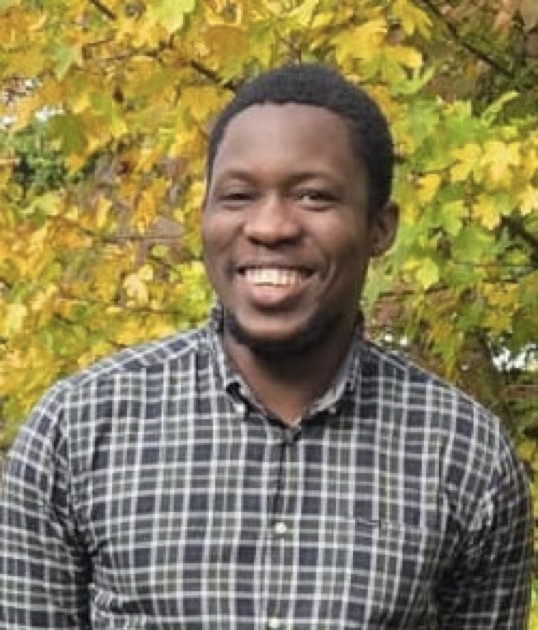
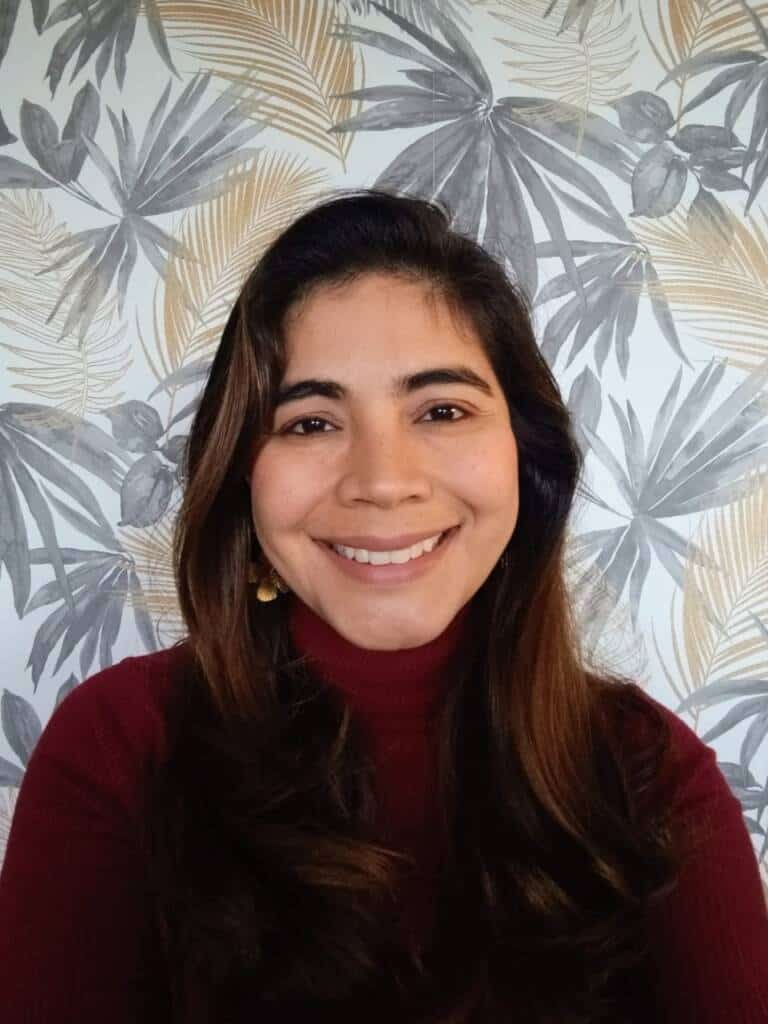
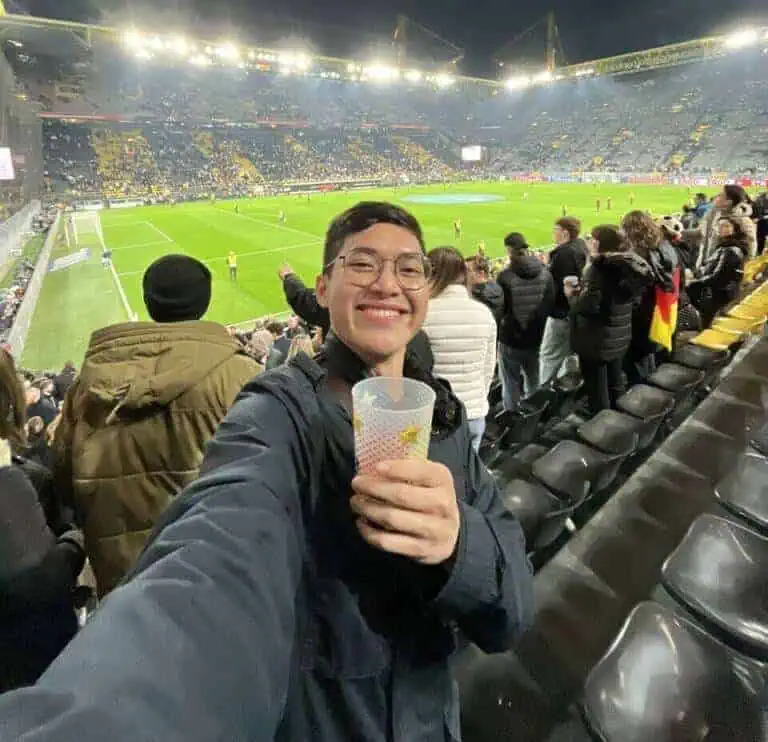
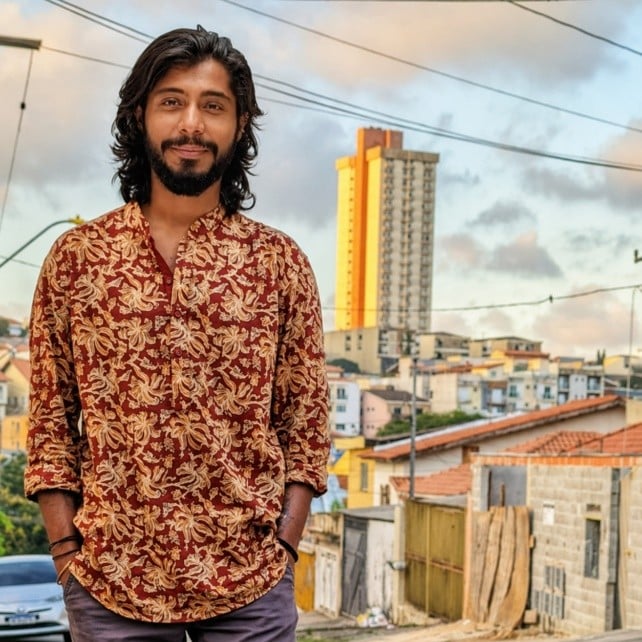

Scholarship Recipient Insights at Technical University Dortmund
6 degree-study stories.
Featured Recipients
| Nationalities | Stories per nationality |
|---|---|
| Colombian, Ethiopian, Gambian, Indian, Indonesian, Ukrainian | 1 each |
Degrees Reported
| Degree level | Stories | Subjects |
|---|---|---|
| Bachelor’s | 1 | Applied Computer Science |
| Master’s | 4 | SPRING: Regional Development Planning and Management / Spatial Planning |
| PhD | 1 | Spatial Planning, joint with Urban Planning and Management at Ardhi University |
Funding Routes Reported by Featured Recipients
| Funding route | Stories | Recipients |
|---|---|---|
| DAAD Development-Related Postgraduate Scholarships (EPOS) | 4 | Rohit Juneja, Ghifari Pranurani Permana, Katherine Coronado Mejia, Abubacarr Marigo |
| DAAD In-Country/In-Region Scholarships | 1 | Girma Mulu Alemu |
| DAAD scholarship for graduates of German schools abroad (PASCH) | 1 | Anastasiia Kulyani |
Reported Funding Coverage
| Recipient and degree/program | Reported coverage |
|---|---|
| Girma Mulu Alemu — joint PhD Spatial Planning / Urban Planning and Management at Ardhi University | DAAD In-Country/In-Region Scholarships: reported award value above €52,000 for the joint doctoral pathway. |
| Anastasiia Kulyani — Bachelor’s Applied Computer Science | DAAD scholarship for graduates of German schools abroad (PASCH): funded 1 October 2020–30 September 2023; €750 monthly, €460 yearly study allowance, €525 one-time travel allowance and health/accident/liability insurance. |
| Rohit Juneja — joint MSc SPRING, 2021–2023, with Federal University of ABC | DAAD Development-Related Postgraduate Scholarships (EPOS): €861 monthly in Germany and €800 monthly in Brazil, €1,100 travel allowance, annual study allowances and health insurance. Reported Dortmund semester contributions around €300–€350. |
| Ghifari Pranurani Permana — joint Master’s SPRING with University of the Philippines Diliman | DAAD Development-Related Postgraduate Scholarships (EPOS): monthly stipend, travel, insurance, research allowances and a German course; paid Dortmund’s semester contribution including public transport. |
| Katherine Coronado Mejia — joint MSc Regional Development Planning, 2014–2016, with University of the Philippines | DAAD Development-Related Postgraduate Scholarships (EPOS): programme costs, monthly living support, insurance, international travel and thesis field-research support. |
| Abubacarr Marigo — Master’s SPRING | DAAD Development-Related Postgraduate Scholarships (EPOS): €992 monthly, health/accident/personal-liability insurance and travel allowance; reported no tuition and a semester contribution below €400. |
Examples of Featured Recipients’ Application Backgrounds
| Recipient and degree/program | Scholarship/application route | Reported background and preparation |
|---|---|---|
| Girma Mulu Alemu — joint PhD Spatial Planning | DAAD In-Country/In-Region Scholarships | Bachelor’s Sociology, 3.56/4.0; Master’s Urban Planning and Management, 3.73/4.0; second Master’s Urban Management and Development, 7.4/10. Government work, lecturing and peri-urban fieldwork informed research concept notes. |
| Anastasiia Kulyani — Bachelor’s Applied Computer Science | DAAD scholarship for graduates of German schools abroad (PASCH) | Mathematics/computing lyceum in Mariupol; German Olympiad win and MINT/research activities. Studienbrücke provided language, subject and admission-test preparation. |
| Rohit Juneja — joint MSc SPRING, 2021–2023 | DAAD Development-Related Postgraduate Scholarships (EPOS) | Bachelor of Planning and GIS/Remote Sensing postgraduate training; over five years of prior urban-planning, WaSH, participatory-planning and capacity-building work. Tailored applications around climate resilience and vulnerable settlements. |
| Ghifari Pranurani Permana — joint Master’s SPRING | DAAD Development-Related Postgraduate Scholarships (EPOS) | Bachelor’s Urban and Regional Planning, GPA 3.56; government/development-planning work. Sought motivation-letter feedback and references from a work supervisor and bachelor’s thesis advisor. |
| Katherine Coronado Mejia — joint MSc Regional Development Planning, 2014–2016 | DAAD Development-Related Postgraduate Scholarships (EPOS) | Bachelor’s Government and International Relations, 2002–2008; WFP Colombia field work, displacement, food security and social-development experience. Used colleagues and alumni for feedback/references. |
| Abubacarr Marigo — Master’s SPRING | DAAD Development-Related Postgraduate Scholarships (EPOS) | BSc Planning and Design and professional development-control/land-use planning experience. Matched the programme with sustainable, climate-resilient development goals. |
How Recipients Met Language Requirements
| Language requirement route | Stories / total degree-study stories | Recipients and examples |
|---|---|---|
| IELTS taken for the application | 3/6 | Rohit Juneja — joint MSc SPRING: IELTS Academic; Ghifari Pranurani Permana — joint Master’s SPRING: reached the required IELTS score after evening classes alongside full-time work; Katherine Coronado Mejia — joint MSc Regional Development Planning: IELTS 7.0. |
| TOEFL taken for the application | 1/6 | Abubacarr Marigo — Master’s SPRING: prepared with online videos and practice. |
| TestDaF | 1/6 | Anastasiia Kulyani — Bachelor’s Applied Computer Science: reports TestDaF results, with teacher-supported preparation several times weekly. |
Standardized Tests Reported by Featured Recipients
| Test | Stories reporting the test / total degree-study stories | Linked recipients and reported scores |
|---|---|---|
| TestAS | 1/6 | Anastasiia Kulyani — Bachelor’s Applied Computer Science: prepared with specialized materials and family support, and reports TestAS results. |
Fully English-taught stories / stories reporting teaching language: 4/4.
Teaching Language and Academic Experiences
| Recipient and degree/program | Reported experience |
|---|---|
| Rohit Juneja — joint MSc SPRING, 2021–2023 | Entirely English at Dortmund and UFABC. First year in Germany, second in Brazil; researched urban heat vulnerability in Delhi and São Paulo, strengthening climate-data analysis and comparative research. |
| Ghifari Pranurani Permana — joint Master’s SPRING | All classes in English; completed a mandatory two-month German course before the first semester. Studied development challenges relevant to both the Philippines and Indonesia. |
| Katherine Coronado Mejia — joint MSc Regional Development Planning, 2014–2016 | Entire programme in English; compared development/planning in Germany and the Philippines through technical, social, political and cultural perspectives. A one-month introductory German course supported daily-life adjustment. |
| Abubacarr Marigo — Master’s SPRING | Programme taught in English; values interdisciplinary learning and links between theory and practical planning in growing economies. |
| Anastasiia Kulyani — Bachelor’s Applied Computer Science | Studied algorithms, software engineering, operating/distributed systems, networks, mathematics and statistics; completed projects, seminars and a thesis, graduating with German grade 2.3 / ECTS B. |
Application Timelines Reported by Recipients
| Recipient and degree/program | Application or scholarship route | Reported application timeline |
|---|---|---|
| Rohit Juneja — joint MSc SPRING, 2021–2023 | DAAD Development-Related Postgraduate Scholarships (EPOS) | Completed an intensive two-month German course before the programme → studied first year at Dortmund → chose UFABC in Brazil for the second year → completed the joint master’s. |
| Anastasiia Kulyani — Bachelor’s Applied Computer Science | DAAD scholarship for graduates of German schools abroad (PASCH) | Learned about German study through her PASCH school → joined Studienbrücke for language, MINT and TestDaF/TestAS preparation → compiled achievements and application documents → received the 2020 scholarship, with funding beginning 1 October 2020. |
Other Offers in Featured Applicants’ Journeys
| Recipient | Reported alternative | Decision described in the story |
|---|---|---|
| Rohit Juneja | University of Twente — ITC Excellence Scholarship for Master’s Geoinformation Science and Earth Observation for Urban Planning and Management: €28,501 grant plus €11,994 tuition waiver, total €40,495; Asian Institute of Technology — partial scholarship for Master’s Regional and Rural Development Planning, THB 192,000. | Pursued the joint SPRING master’s at Dortmund and UFABC with DAAD Development-Related Postgraduate Scholarships (EPOS). |
What Recipients Pursued After Studying at Technical University Dortmund
| Recipient | Degree/program at Technical University Dortmund | Reported outcome |
|---|---|---|
| Anastasiia Kulyani | Bachelor’s Applied Computer Science | Pursued a master’s at Fachhochschule Dortmund-University of Applied Sciences and Arts; reported being in semester four with grade 1.4. Has worked in IT alongside study since 2022. |
| Rohit Juneja | joint MSc SPRING, 2021–2023 | Remained in Brazil and received FAPESP research funding; works on informal settlements, climate vulnerability, resilience and spatial analysis. |
| Katherine Coronado Mejia | joint MSc Regional Development Planning, 2014–2016 | DAAD Carlo Schmid-funded internship at WFP Bolivia, 1 September 2016–28 February 2017; later peacebuilding work in Colombia, programme management for an Indigenous-women’s empowerment foundation in Panama, and partnership/fundraising work. Reported residing in France. |
Anastasiia Kulyani would allow more time for certified translations and organize certificates systematically. Rohit Juneja would research funding deadlines earlier after losing some opportunities through missed scholarship deadlines.
What Scholarship Recipients Say
Advice and insights from international students who successfully secured funding to study at Technical University Dortmund.
"I was determined to secure a DAAD Scholarship and approached the process strategically. I regularly reviewed university and scholarship websites, carefully checking eligibility criteria and application deadlines. Whenever I had questions, I would write concise and focused emails to professors or program coordinators to clarify details. This helped me tailor my application materials, including my Europass CV, research concept notes, and letters of recommendation, effectively. That early engagement made a huge difference."
"My name is Girma Mulu Alemu, and I am from Ethiopia. I hold a Bachelor's degree in Sociology, a Master's degree in Urban Planning and Development, and a second Master's degree in Urban Management and Development. Currently, I am pursuing a Ph.D in Spatial Planning at TU Dortmund University, Germany, and a Ph.D in Urban Planning and Management at Ardhi University, Tanzania, as part of a joint Ph.D program. I am currently based in Dar es Salaam, Tanzania."
"I would have applied for even more scholarships. Looking back, I now realize the importance of maturity, patience, and planning. If I could go back, I would spend more time refining my research proposal and motivation letter and use platforms like LinkedIn more actively to connect with mentors and access new opportunities. Social media, when utilized effectively, can be a powerful tool for scholars."
Frequently asked questions
Common questions about scholarships, admissions, and studying at Technical University Dortmund.
Most funding you’ll see connected to TU Dortmund (e.g., the Deutschlandstipendium and several TU/DAAD support programs) is designed for students enrolled in a regular TU Dortmund degree program, not for stand-alone online short courses.
Both. TU Dortmund has many German-taught programs, and it also offers several English-taught (mostly Master’s) programs. For example, the university lists multiple English-taught Master’s options (with English proof requirements), and the Master’s in Data Science is described as an internationally designed program you study in English. In the scholarship stories, M. Zain Khalid prepared “specifically for the IELTS examination” for his international program pathway, while Girma Mulu Alemu targeted programs that waive language proof when applicants come from “English-instruction backgrounds.”
For major internal options like the Deutschlandstipendium at TU Dortmund, the published eligibility criteria focus on enrollment status and being within the standard period of study (and other criteria), and it does not advertise a general age cap. In practice, some external funders (outside TU Dortmund) can set age or career-stage limits, so you should always check the specific scholarship call you’re applying to.
Generally: TU Dortmund’s scholarships (especially the Deutschlandstipendium) are open across disciplines. TU Dortmund explicitly states it is for students “of all subjects and disciplines.” This includes STEM broadly (math, computer science, statistics, physics, chemistry), engineering (mechanical engineering; electrical engineering and information technology; architecture/civil engineering; biochemical/chemical engineering), business (business and economics), and humanities/social sciences (humanities and theology; cultural studies; social sciences; educational sciences and psychology).
Medicine: TU Dortmund is not known for offering the classic German state-exam “Human Medicine” degree, but it does offer medicine-related/health-adjacent fields (for example, an English-taught Master’s in “Medical Physics and Physics of Living Systems,” and it also has Rehabilitation Sciences). International students can compete for general scholarships (like the Deutschlandstipendium) in eligible TU Dortmund programs, including these health-adjacent fields, provided they meet the scholarship requirements.
Many opportunities are open internationally. For example, TU Dortmund’s Deutschlandstipendium FAQ explicitly includes “international students (regardless of permanent residence)” among those who can apply (as long as they are enrolled and meet other criteria). In GlobalScholarships recipient stories linked with TU Dortmund, M. Zain Khalid is from Pakistan and Girma Mulu Alemu is from Ethiopia, showing that successful scholarship pathways connected to TU Dortmund are not limited to one nationality.
It depends on the degree program’s language of instruction. For English-taught Master’s programs, TU Dortmund lists English proof requirements (often CEFR B2/C1) and even provides examples like IELTS/TOEFL ranges for some programs. For German-taught programs, TU Dortmund commonly expects proof such as DSH (typically DSH-2) or alternatives like TestDaF (e.g., a minimum total score) and telc Deutsch C1 Hochschule.
That said, waivers/exemptions can exist in specific cases: Girma Mulu Alemu explained he looked for programs that waive requirements for “English-instruction backgrounds,” while M. Zain Khalid said he prepared “specifically for the IELTS examination” to meet English-language requirements.
Admission requirements vary by program. Some programs publish specific minimum academic thresholds. For example, the Master’s in Data Science states the Bachelor’s degree must be completed with at least a final grade of “good” (at least 2.7). Other programs can use different criteria, and some may be admission-free while others are competitive, so always check the program page for your subject.
For scholarships, the picture can be broader than grades alone: TU Dortmund’s Deutschlandstipendium FAQ says there is “no general answer” for a minimum GPA, because performance matters but other criteria (like engagement and circumstances) also count.
For the Deutschlandstipendium, TU Dortmund states scholarships are awarded based on “talent and performance,” while also considering factors like social commitment, responsibility, achievements/awards, internships, and special personal/family circumstances.
Real examples from TU Dortmund-linked recipient stories: M. Zain Khalid had a strong academic record (CGPA 3.85/4.00) and emphasized that he “went beyond grades” by highlighting hands-on research and fit with the program. Girma Mulu Alemu shared multiple strong GPAs (e.g., 3.56/4.0 and 3.73/4.0) and stressed planning. “That early engagement made a huge difference.”
If you apply via uni-assist (commonly used for non-EU/EEA applicants for many programs), TU Dortmund states that “all documents… must be uploaded” and it is “not necessary to send these documents by post.” TU Dortmund also lists common mandatory documents such as: highest school leaving certificate; subject/grade overview; subject/grade overviews of your studies; certificate of completion of studies; grading system information; sworn translations (German/English); and (if applicable) proof of German language skills.
Scholarship applications often add “story” documents: Girma Mulu Alemu said early outreach helped him tailor “my Europass CV, research concept notes, and letters of recommendation,” and M. Zain Khalid highlighted the impact of “extraordinary recommendation letters” alongside research and leadership.
In many cases (especially for non-EU/EEA applications), TU Dortmund applications are submitted via uni-assist, and uni-assist charges handling fees. uni-assist lists EUR 75 for the first chosen study course and EUR 30 for each additional chosen study course (in the same semester). If you are not routed through uni-assist (some routes/programs can differ), costs can differ, so confirm the application path for your specific program.
There are many degrees that are open to international students right now — find yours.
About the Author: Hyun Lee


I appeal to the committee to help me to study..I come from the poor of the poorest in Africa… despite sleeping in a hut,raining on me,footing in the dusty roads to reach a school 30km away everyday..I worked hard through great struggles ,hardships and perseverance to reach where I am today ….Sir, many thought I wouldn’t make in life to change lives but determination had brought me this far..The government of Kenya saw in me a young man, underprivileged and out of kindness gave me scholarship to do undergraduate studies..I managed to get mean mark of 69/100 ,getting second class honours upper division.
Kindly help me achieve a dream in life to get possibly masters and doctorate and come later save unfortunate children in the drought scorching sands of Africa ..I know through your help, I will be able to uplift others like myself, possibly the orphans and the starving children of God in the world to rise up again!!!
Hello, we are not Technical University Dortmund, and so we can’t offer you any acceptance offers. Regarding Master’s and Ph.D. admissions, you do need things like good grades, research experience (especially for Ph.D. admissions), and standardized scores if they require one. Second upper is a good mark, and I wish you the best in your journey. If you have any specific questions, I am happy to answer them.