
Saarland University Scholarships for International Students 2027
Students considering Saarland University can explore scholarships that range from fully funded support to partial awards. This shortlist highlights higher coverage options first.
For institution funded support at Saarland University, these scholarships are frequently highlighted when prioritizing higher coverage. With Free Tuition, students may receive full tuition support, and coverage frequently includes full tuition fees for four years for bachelors degrees, two years for masters degrees, and up to six years for doctorate degrees.
Outside the university’s own funding routes, Saarland University students may be eligible for external programs that can offer substantial support. Here are a few to consider. A strong option is DAAD Scholarships which is fully funded and often covers €992 for master's and €1,300 for Ph.D. students, health insurance, and one-time research allowance. Heinrich Böll Foundation Scholarship Program is partially funded, and coverage often includes monthly scholarship (€992 for master's and €1,500 for PhD), health insurance allowance (up to €100 per month for Master's and up to €200 per month for PhD), and tuition reimbursement in Germany of up to €10,000 per year and where applicable. Konrad Adenauer Stiftung Grant (KAS) is partially funded and typically covers up to 992 euros per month for Bachelor's, master's, and or postgraduate study, up to 1,400 euros per month for PhD study, and health insurance subsidy of up to 120 euros per month.
This is only a shortlist. Additional scholarships and funding options appear further down on this page.
Saarland University Scholarships for International Students
The scholarships at Saarland University can help fund your study expenses. There are currently 6 scholarships being offered to international students at the Saarland University, all with varying requirements, benefits, and application processes. We have compiled them in this list to help you find the scholarship that best fits you.
Undergraduate Scholarships
Graduate Scholarships
External Scholarships
There are many degrees that are open to international students right now — find yours.
Saarland University Admissions
Here are the official admission pages for Saarland University:
| Degree | Admissions Pages |
|---|---|
| Bachelor's | International Students Admissions Page |
| Master's | International Students Admissions Page |
Saarland University Application Deadlines
Tuition Fees at Saarland University for International Students
Indicative annual tuition fee ranges for international students at Saarland University. Exact fees vary by program, so always confirm the current cost on the university's official tuition fee pages.
| Degree Level | Typical Annual Range |
|---|---|
| Bachelor's Tuition | Free |
| Master's Tuition | Free |
Please note that tuition fees can vary based on the specific program you choose. For the most accurate and current fee information, consult the official tuition fee pages linked above.
Saarland University Scholarship Recipients
International students who received scholarships to study at Saarland University, documented by Global Scholarships.
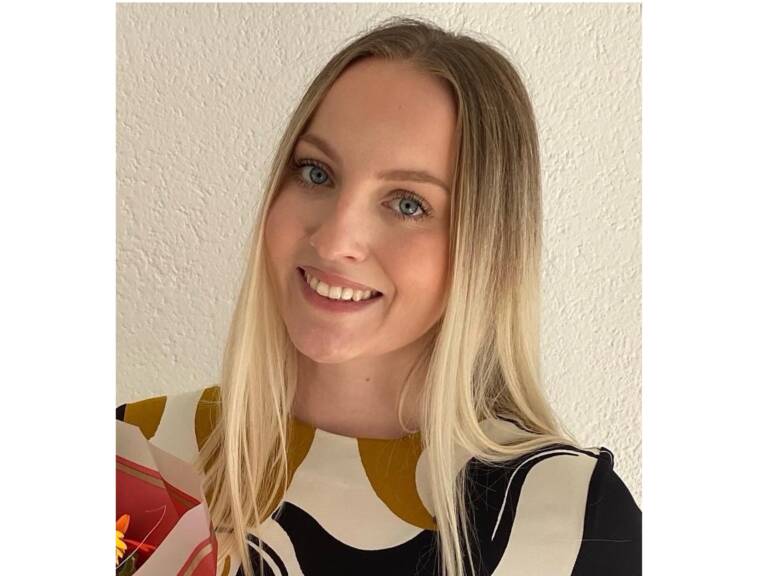
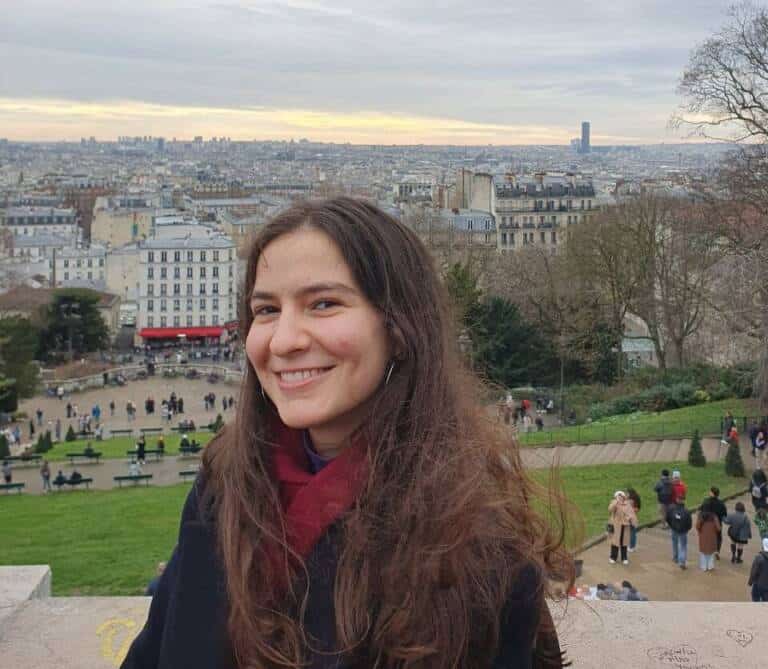

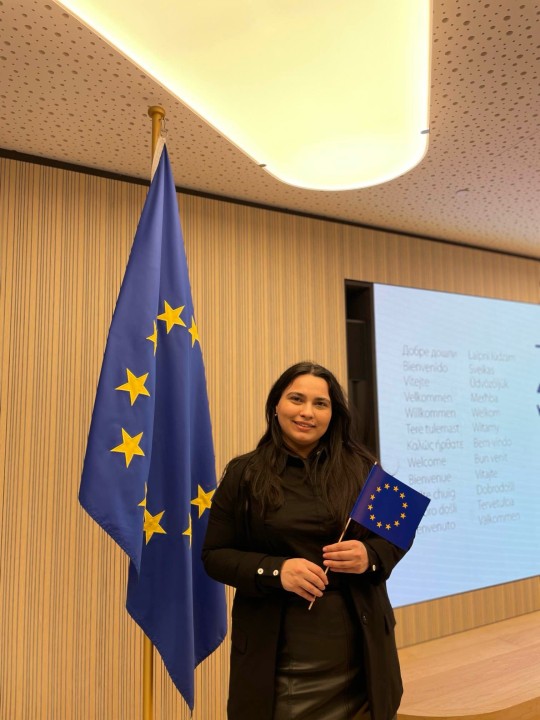
What Scholarship Recipients Say
Advice and insights from international students who successfully secured funding to study at Saarland University.
"The scholarship provides monthly financial support of 992 euros and additional coverage for administrative, accommodation, and insurance expenses."
"I am pursuing my Master’s degree in "European and International Law" at Saarland University- Europa Institut in Germany."
"The program's specializations in Track 1: European Economic Law – Compliance – Regulation and Track 2: Trade, Investment and International Dispute Settlement allow me to deepen my understanding of how law can drive both economic growth and environmental sustainability."
Frequently asked questions
Common questions about scholarships, admissions, and studying at Saarland University.
Most scholarships connected to Saarland University are designed for students who are formally enrolled in a degree programme (on-campus or regular study mode).
Both. Saarland University offers many programmes taught in German, but it also has a meaningful selection of English-taught (or partly English-taught) programmes, especially at Master’s level and in international/technical fields. The exact language depends on the degree programme, so always check the programme page (“language of instruction”).
From a Saarland-related scholarship story: Sevil Haziyeva said, “As my LL.B. program was taught in English,” she found it easier to prepare for an English-taught pathway and language testing, and she is pursuing her Master’s at Saarland University – Europa-Institut.
Usually there is no single “university-wide” age limit for scholarships. Many scholarship providers focus more on merit, motivation, and fit (plus engagement/activities) than on age, but each scholarship can set its own rules, so you should always check the specific programme’s eligibility criteria.
There are scholarships that are open to students in many subjects (general scholarships), plus some that target specific disciplines. At Saarland University and in Saarland more broadly, you’ll see both “all-subject” funding and subject-linked awards.
- STEM (science/technology/engineering/maths): There are scholarships specifically aimed at STEM students (including engineering and tech-focused fields).
- Engineering: Often included under STEM-targeted funding; engineering students should look at STEM-specific programmes and supporters’ scholarships.
- Business: Some foundations explicitly support economics/business-related study; business-law tracks can also fit here (e.g., international economic/compliance/regulation themes like the Europa-Institut track described by Sevil).
- Humanities: Humanities students can be eligible for general scholarships; eligibility depends on the scholarship provider rather than the faculty alone.
- Medicine: Medicine students can also be eligible for general scholarships, but admission to medicine in Germany is very competitive and is commonly German-taught, so international applicants should be prepared for German-language requirements and programme-specific admissions rules.
It depends on the scholarship. Some scholarships are explicitly open to international students; others are open to both German and international students; and some are restricted by the funding organization’s mission. Saarland University also points students to external databases (like DAAD) where nationality-based eligibility varies by programme.
A concrete example of an international recipient connected to Saarland University is Sevil Haziyeva from Azerbaijan, who received DAAD support for study at Saarland University – Europa-Institut.
Often yes, depending on the programme language. For German-taught programmes, you’re typically asked for recognized German proof (e.g., DSH/TestDaF or equivalent). For English-taught programmes, you may need IELTS/TOEFL (or an accepted alternative), and some programmes publish clear minimum scores.
Recipient example: Sevil Haziyeva said, “For my application, I took the IELTS exam and achieved a score of 8.0 out of 9.0,” and she also noted that time/stress management can strongly affect performance.
There isn’t one single minimum grade for the entire university, requirements depend on the programme, and some programmes are restricted-entry. Certain programmes publish explicit grade thresholds or guidance (especially competitive English-taught Master’s programmes), while others evaluate overall fit (modules, preparation, prerequisites).
From a scholarship recipient perspective, strong academics help: Sevil Haziyeva reported an LL.B. “GPA of 98.4 out of 100,” which illustrates the kind of academic profile that can strengthen scholarship competitiveness.
A strong scholarship profile typically combines (1) solid academic performance, (2) engagement/initiative (volunteering, leadership, family responsibilities, community work), and (3) clear suitability for the programme and scholarship mission (why this field, why now, what impact). In other words: grades + engagement + a convincing narrative.
In Sevil Haziyeva’s case, she highlighted that what made her stand out wasn’t only academics, but also “clearly defined goals” and showing the connection between her background, future plans, and the scholarship’s impact.
The exact documents depend on your degree level (Bachelor/Master/PhD), nationality, and whether you apply via uni-assist (VPD) or directly. Still, most applicants should be ready with core academic and identity documents plus language proof, and some programmes will ask for motivation materials and references.
- Commonly required (programme-dependent): passport/ID, certificates and transcripts (with translations if needed), grading-scale explanation, and language certificates (German and/or English depending on the programme).
- Often required for many Master’s/English-taught tracks: CV, motivation letter/letter of intent, and recommendation letters (some programmes require referees to send them directly).
- Scholarship applications (if you apply for one): additional assessments/forms may be required by the scholarship portal/provider; plan time to gather these.
From a real scholarship application at Saarland-related study: Sevil Haziyeva said, “I compiled all necessary documents carefully… and also my motivation letter,” which is exactly the kind of document-prep workload you should expect.
Saarland University typically does not charge a standalone “university application fee” the way some countries do, but fees can still appear in the process depending on your route. For many international applicants, the main cost is often the uni-assist handling fee (if your programme uses uni-assist/VPD) and later the semester contribution after enrolment (not a tuition fee, but a term fee for student services).
If you apply via uni-assist, you should budget for uni-assist handling fees per application semester and chosen programme(s); always confirm whether your specific programme uses uni-assist/VPD or a direct university portal.
There are many degrees that are open to international students right now — find yours.
About the Author: Hyun Lee


Leave A Comment