
How Jason Sriwijaya, an Indonesian Scholar, Secured a Fully Funded PhD in Experimental and Clinical Pharmacology at the University of Minnesota, United States Through the Fulbright Scholarship
University: University of Minnesota
Degree: PhD in Experimental and Clinical Pharmacology
Previous Education: Medical Degree, Hasanuddin University; Clinical Pharmacology Training, University of Indonesia
Scholarship: Fulbright Scholarship – Full Funding (Tuition, Monthly Living Stipend, Health Insurance)
Social Media
The Journey
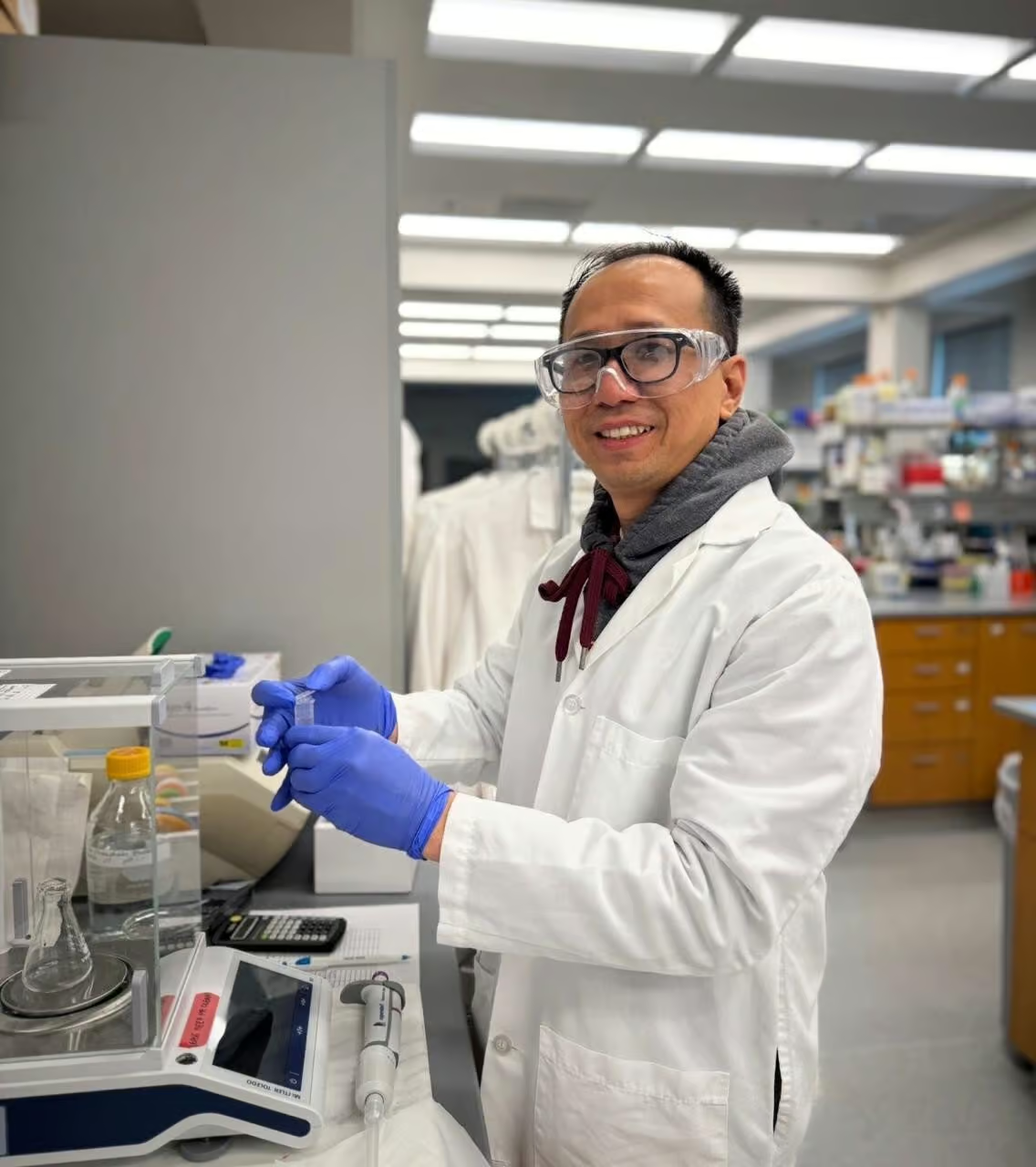
My name is Jason Sriwijaya, and I am from Makassar, Indonesia. I trained as a physician and specialized in clinical pharmacology, and my career was rooted entirely in clinical and teaching work: first as a general physician, then as a junior lecturer in the Pharmacology Department at Hasanuddin University's Faculty of Medicine, and now as a senior lecturer at the same institution.
I pursued a PhD in Experimental and Clinical Pharmacology at the University of Minnesota because I wanted to build quantitative modelling skills in pharmacokinetics and bring them back into clinical practice and teaching in Indonesia. My interest in this field grew during my clinical pharmacology training at the University of Indonesia, when one of my lecturers, Prof. Dr. Rianto Setiabudi, told me that making a real impact on rational drug use and antibiotic resistance in Indonesia would require in-depth expertise in pharmacokinetics. That conversation stayed with me for years afterward, and it's ultimately what pushed me toward a PhD.
Fulbright Scholarship Details
Institution: University of Minnesota
Fulbright Scholarship, funded by the US Department of State
Amount: Fully funded, covering tuition, a monthly living stipend, and health insurance.
Were You Offered Any Other Scholarships?
Yes. I was also awarded the Indonesian Government Scholarship (LPDP), intended for doctoral study through Indonesia's national scholarship program. It isn't tied to a single university; it can be used at various approved institutions.
Educational Background
I completed my medical degree (GPA:3.2) at Hasanuddin University (UNHAS), Makassar, and later trained as a clinical pharmacologist (GPA: 3.5) at the Faculty of Medicine, University of Indonesia, Jakarta.
That clinical foundation, combined with ten years as a lecturer and four years as a clinical pharmacologist at Hasanuddin University, where I served as chairman of the Pharmacy and Therapy Committee and worked with the antimicrobial stewardship committee at Hasanuddin University Hospital, prepared me directly for doctoral study in applied pharmacokinetics.
Before starting my PhD, I also completed a series of relevant courses and trainings: a Good Clinical Practices (GCP) course in Dharan, Nepal (2017); an antimicrobial resistance program workshop in Surabaya, Indonesia (2018); the Australian Society for Antimicrobials Seminar in Sydney, Australia (2019); training on Phoenix WinNonlin and the IVIVC toolkit in Bangalore, India (2019); antibiogram training in Surabaya, Indonesia (2019); and a biostatistics course through the University of Tirana, Albania, alongside webinars from the Global Antibiotic Research and Development Partnership (GARDP). During my residency, I conducted a pharmacovigilance study evaluating QTc and JTc intervals in patients on antimalarial drugs, published in a nationally accredited Indonesian journal (eJKI), and presented a poster on antibiotic interactions in elderly pneumonia patients at the Australian Society for Antimicrobials in 2019.
How Did You Prepare to Apply to the University of Minnesota?
I did research on which universities in the US had strong pharmacometrics and clinical pharmacology programs, looking through university websites and published research to identify faculty whose work matched what I wanted to study. Reaching out directly to potential supervisors before applying was an important part of my preparation.
How Did You Find Information About Fulbright Scholarship and University of Minnesota?
Official Fulbright and university websites.
Did You Take Any Standardized Tests? If So, How Did You Prepare for Them?
I took both TOEFL iBT and IELTS as part of both the university and Fulbright application requirements. Although there are no GRE requirements from the university, as a principal candidate for Fulbright, you must also take the GRE test.
How Did You Prepare to Apply for the Fulbright Scholarship?
Leadership experience matters a great deal in a Fulbright application, and mine came through antimicrobial stewardship, connecting the real problem I saw in my hospital- patients needing individualized antibiotic doses- to the specific quantitative modelling skills I wanted to build.
How is Your Experience at the University of Minnesota?
During my PhD, I worked on population pharmacokinetic modelling and developed LC-MS bioanalytical methods for anti-seizure medications, including levetiracetam, lamotrigine, and brivaracetam, using a microsampling approach. I found all of it genuinely interesting and insightful.
How Do You Rate the University of Minnesota Academically?
I would rate it 9 out of 10 academically. It provided me with a strong academic environment and resources in my field. The department is also a center of excellence for pharmacometrics.
How Does the University of Minnesota Support International Students?
I can't thank the university enough for how it supports international students. International Student and Scholar Services (ISSS) was my first stop for anything related to immigration status and adjusting to life in the US. Beyond that, the university connects students to campus life through more than a thousand student organizations and living-learning communities, offers English proficiency support through the Minnesota English Language Program, and runs International Career Services with access to career fairs and internships across its 15 career centers. All of that made settling into Minnesota, and building a life there, much easier than I expected.
What Do You Think Made Your Application Stand Out?
I think it was the combination of hands-on clinical leadership, chairing my hospital's antimicrobial stewardship efforts, and a research proposal grounded in real applied pharmacokinetics experience rather than just stated interest. I made sure all of that experience came through clearly in my statement of purpose and personal statement, and I had already contacted my prospective supervisor before submitting my application.
What Would You Have Done Differently if You Were Going Through the Process Again?
My first scholarship attempt not succeeding taught me what I needed to strengthen for the next one, especially preparing my documents earlier rather than rushing them close to the deadline.
What Advice Would You Give Those Looking to Apply for a Similar Scholarship?
My advice is to start preparing early, ideally about two years before your intended departure, since the Fulbright application process takes about a year in total from submitting your documents to actually leaving. Read the scholarship guidelines carefully, and make sure you can score well enough on the TOEFL iBT or IELTS to get an unconditional offer, so check the language requirements before choosing a university or program.
Most importantly, don't give up. I failed more than once before I secured this scholarship. Keep chasing what you want, and you'll get the most out of the experience once you're there.
Want to submit your
scholarship journey?
Submit Your Story Here!
More Scholarship Recipients
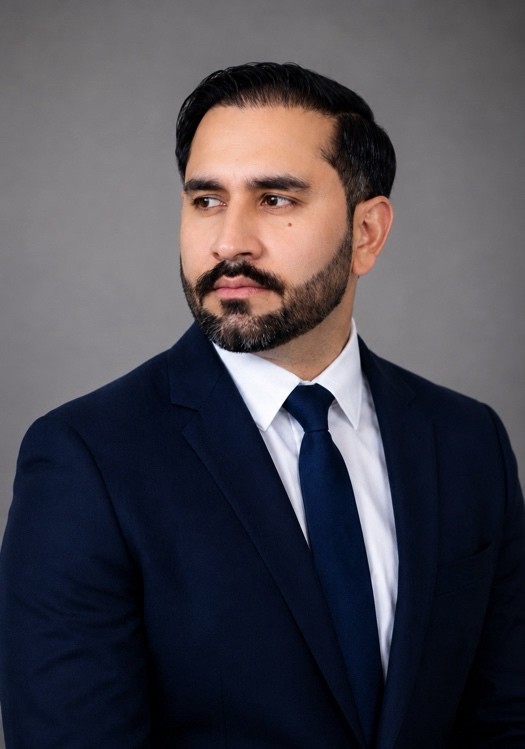
My name is Shah Hussain, and I am from Khyber Pakhtunkhwa, Pakistan. I completed my Bachelor’s in Psychology at the Univer .... Read more
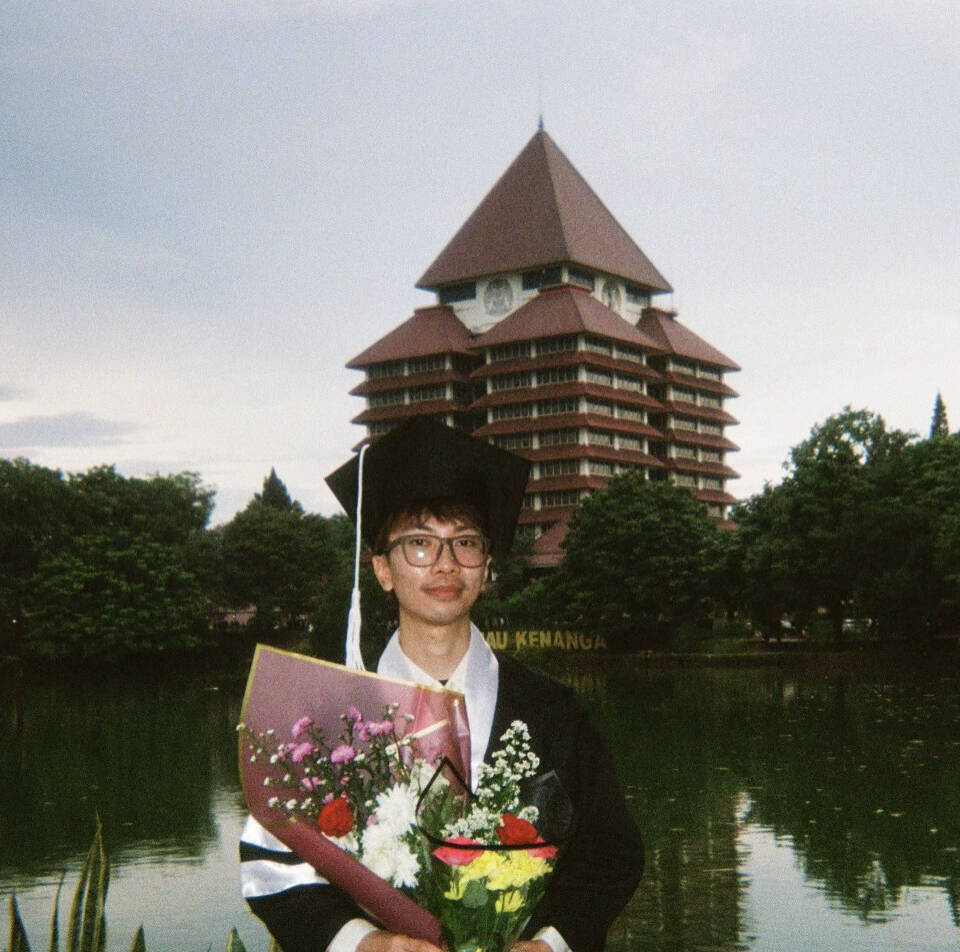
I am June from the Philippines. I am an educator for Social Sciences and Humanities. I recently earned my Master in Southeas .... Read more
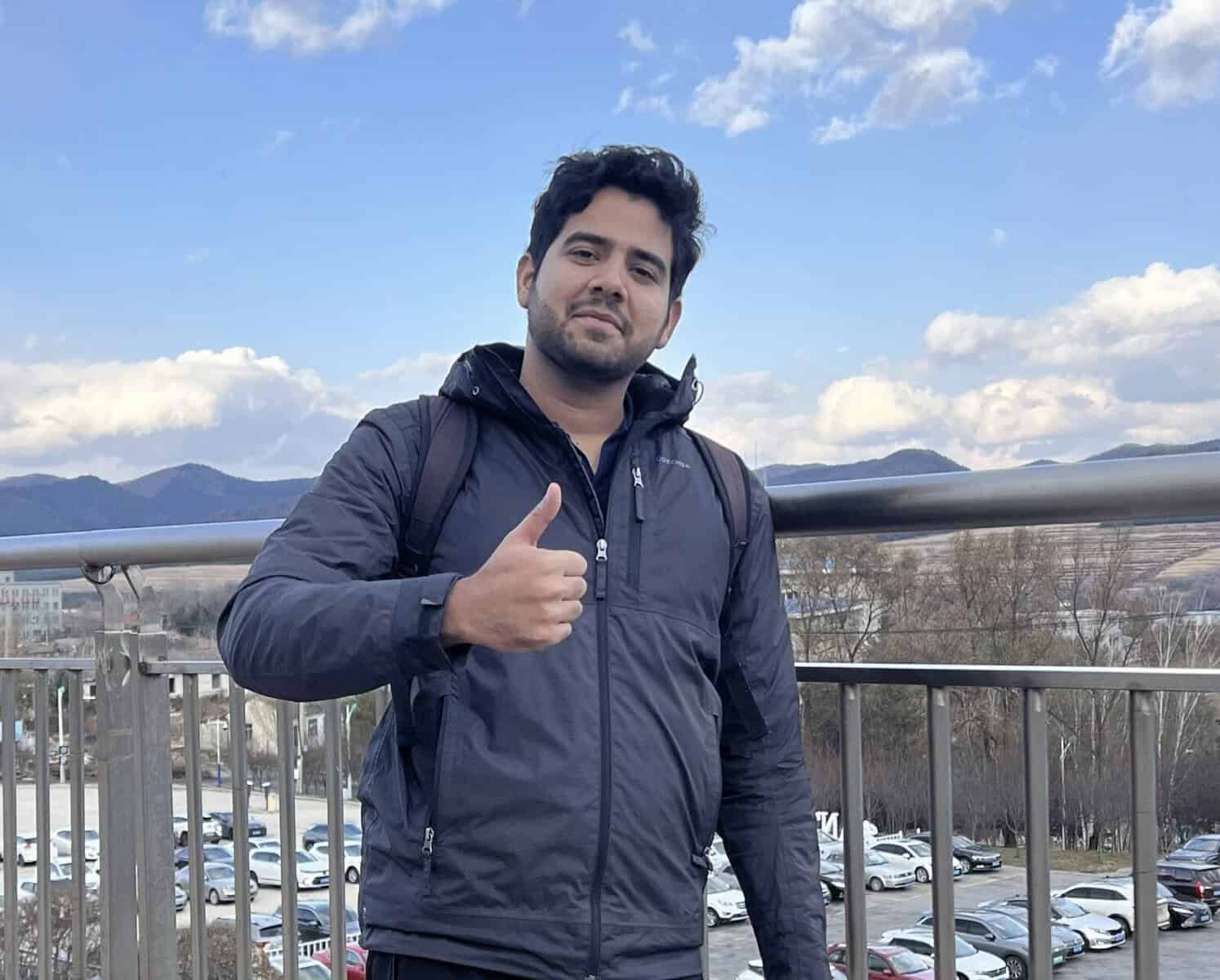
Hi, my name is Abdul Hafeez, and I come from a small town called Nasirabad in Sindh, Pakistan. Currently, I am pursuing a ma .... Read more
Leave A Comment