
How I Secured a Fully Funded Master's at the University of Denver, United States Through the Fulbright Foreign Student Program
University: University of Denver
Degree: Master of Arts in International Development (Sustainable Development and Data Science)
Previous Education: Bachelor’s in Political Science and International Relations at the National Autonomous University of Nicaragua (UNAN-Managua)
Scholarship: Fulbright Foreign Student Program – Full Funding (Application Fees, TOEFL, GRE, Tuition, Living Expenses, Health Insurance, and Travel)
Other Offered Scholarships (if any): Special Merit Scholarship at the University of Denver – Partial Tuition; Founder’s Recognition Scholarship at the University of Denver – Partial Tuition; Global UGRAD Scholarship – One-Semester Exchange at Presbyterian College; Scholarship Offers from the University of Pittsburgh and Clark University
Social Media
LinkedIn: linkedin.com/in/guisselle-celis/
The Journey
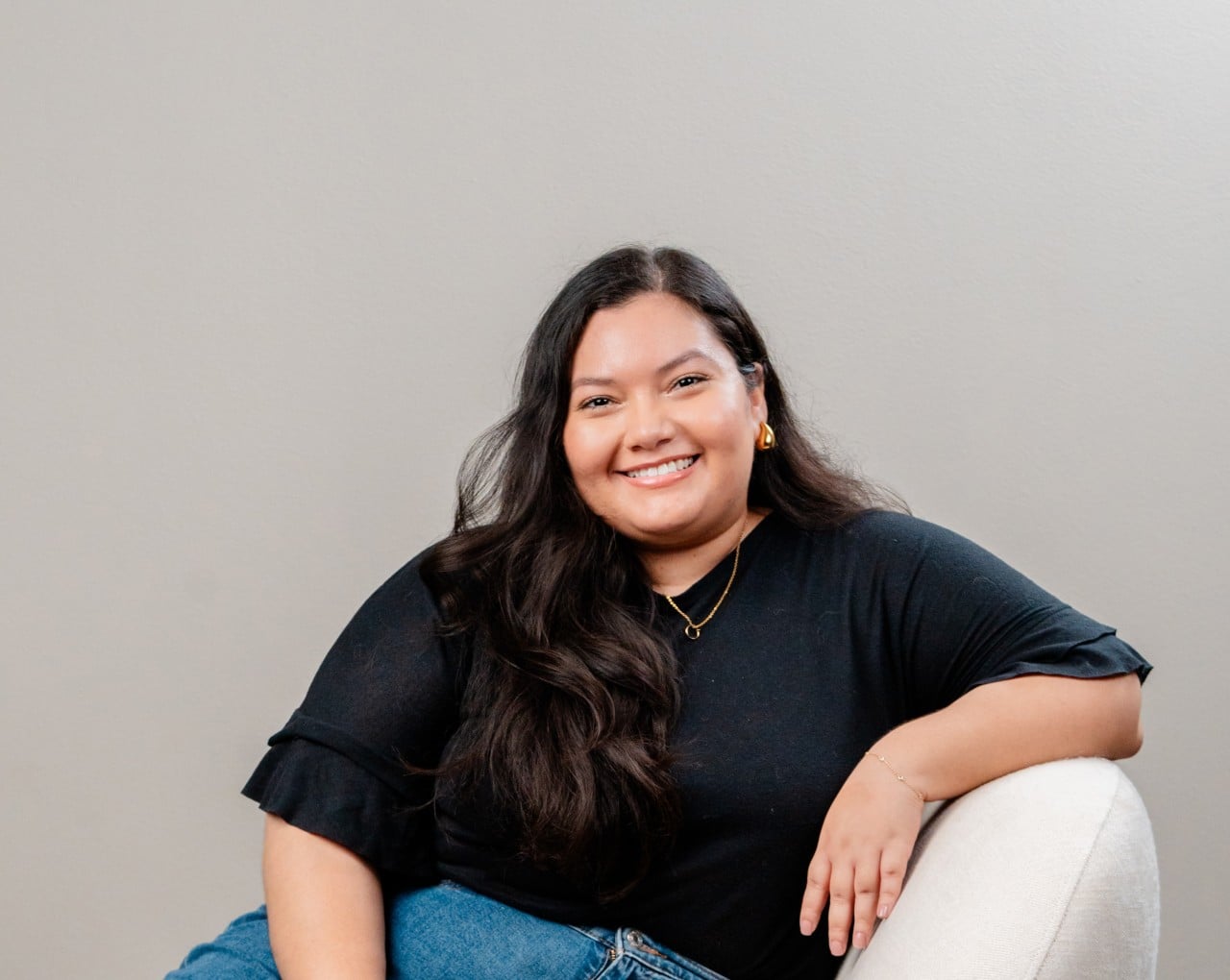
My name is Guisselle Celis Blanco, and I’m from Nicaragua. I have a bachelor's degree in Political Science and International Relations from the National Autonomous University of Nicaragua (UNAN-Managua), and I’m currently doing a Master of Arts in International Development with a dual specialization in Sustainable Development and Data Science at the Josef Korbel School of Global and Public Affairs at the University of Denver.
When you go to school for Political Science, there are multiple paths you could pursue as long-term careers, and I knew very early on that I wanted to focus on development. However, before jumping into a new academic endeavor (such as a master’s program), I wanted to gain professional experience to solidify my commitment to this career path. I was fortunate enough to work at one of the most important NGOs in Nicaragua as a grant writer and project formulator, which not only opened my eyes to the important role of NGOs in the country’s development, but also became a key experience that would shape all of my professional decisions moving forward.
The development sector in Nicaragua and internationally has faced many challenges in recent years, and these challenges taught me that change and development are not limited to a specific industry. It granted me the opportunity to venture into the corporate world through marketing and communications, and it allowed me to expand my professional experience into corporate social responsibility (CSR) and to work with social enterprises. If anything, these challenges made me more passionate about international development, which is why, after 5 years of working across different sectors, I decided to pursue a Master’s degree in International Development – an opportunity that was made possible through the Fulbright Foreign Student Program.
Fulbright Foreign Student Program Details
Through the Fulbright Program, I’m an MA International Development candidate at the Josef Korbel School of Global and Public Affairs – University of Denver. The program is very comprehensive, as it covers everything – from the university’s initial application fees (I applied to 4 universities, total), TOEFL, and GRE, to my master’s tuition, living expenses, health insurance, and travel (from my home country to the US, and then back when it’s time to return).
Additionally, I was also granted two scholarships from my host University: the “Special Merit Scholarship” and the “Founder’s Recognition Scholarship” – both of which cover partial tuition expenses.
Were You Offered Any Other Scholarships?
Yes, at the University of Pittsburgh and Clark University. However, I ultimately opted for the University of Denver.
Educational Background
I earned a bachelor’s degree in Political Science and International Relations at UNAN-Managua, in my home country. I also had the opportunity to do an exchange program for one semester at Presbyterian College in South Carolina, USA, through the Global UGRAD Scholarship. This was my first time studying abroad and my first time engaging academically in a language other than my native tongue, while also experiencing a completely different educational system.
My overall academic background helped lay the foundation for my later experience in a master’s program. Not only in terms of the knowledge I acquired in political systems, economics, public policy, research methods, and development (which have been key in my graduate academic journey thus far), but also in terms of gaining experience applying for scholarships and grants, including studying abroad for a very short period and getting acquainted with a new environment and style of living, which was incredibly helpful during my master’s program and Fulbright experience as I adjusted to living and studying in a new country.
How Did You Prepare to Apply to the University of Denver?
Through the Fulbright Foreign Student Program, the application process varies by institution and country. In my case as a Nicaraguan applicant, I applied through the US Embassy in Nicaragua.
While going through the Fulbright application (again, this might vary depending on the country you’re applying from), you are required to select 3 universities and the specific programs you want to apply for. I researched different programs online using international rankings for the specific master’s I wanted to pursue (International Development) and ultimately made a decision based on the programs’ curricula, faculty, locations, and specific focus.
I wrote two essays (a personal statement and a study objective), and also included a writing/research sample. I also reached out to mentors (professors, colleagues, and former supervisors), who not only provided me with recommendation letters, but also took the time to read my essays and gave thorough feedback through multiple rounds of drafts.
How Did You Find Information About Fulbright Foreign Student Program and University of Denver?
I researched multiple scholarships online through Google searches, but also in Facebook groups and LinkedIn. Ultimately, though, what motivated me to apply specifically to Fulbright (and how I found the most compelling information about the scholarship itself) was through networking events where I met Fulbright scholars who shared their experiences and gave detailed insights on the program.
Similarly, I found information online about the Institutions I applied to for my master’s by researching American and international rankings for the specific program I wanted to pursue. I then focused on the most compelling ones and decided based on the curriculum, faculty, and location.
Did You Take Any Standardized Tests? If So, How Did You Prepare for Them?
Yes, I took the TOEFL and the GRE. For the TOEFL, I prepared on my own. The TOEFL’s website has free resources available that I found to be very helpful. However, I also looked for other free resources available online and found a great YouTube channel called “TST Prep TOEFL”.
For the GRE, I used the Magoosh platform and enrolled in one of their plans. It was a great tool to become familiar with the test itself, and it has great study plans with videos, exercises, and mock tests that can be personalized to the amount of time you have to prepare before taking the test.
How Did You Prepare to Apply for the Fulbright Foreign Student Program?
When I first started considering applying for graduate programs and scholarships that cover tuition and living expenses, I noticed that most programs and scholarships require professional experience as part of the profile they look for in potential candidates. So, the very first thing that I did after finishing my undergraduate education was to focus on getting into the job market and start building professional experience.
In the long run, this was useful for the scholarships and programs as I intended, but most importantly, it helped me decide and reinforce what I wanted to do long-term, which ultimately made for a stronger application when I started applying for scholarships, because I was not only sure and convincing about my goals and aspirations, but had the work and experience to prove it.
In more technical terms, along with the more specific things I did to prepare for my Fulbright application were:
Researching the details and specifics of the application and scholarship 6 months in advance. This way, I already knew some of the things I needed to prepare for once the call for applications opened.
I did multiple rounds of drafts for my essays and had 3 different people read them. Again, starting the process with enough time in advance was key to making sure I had the best essays possible.
I made sure to have all the necessary documents ready by the time the application opened.
When I advanced to the interview stage, I reached out to Fulbright alumni and asked about their experience with the interviews and asked about the most common/frequent questions, based on their experience. I prepared potential answers for these hypothetical questions (including other more basic questions I found in online forums), and then did mock interviews with colleagues and mentors.
How is Your Experience at the University of Denver?
My experience so far has been great, and it has surpassed my expectations. I’m surrounded by very competent, smart, competitive classmates, along with Professors who truly care about their students and their academic experience. My journey thus far has been exceptional, on both professional and personal accounts, and I’m very grateful for the things that I have learned, the people I have met, and the experiences I have had.
How Does the University of Denver Support International Students?
There is an office dedicated to supporting international students, and they are very hands-on and involved – from organizing events and get-togethers to strengthen the international student community to providing migration compliance guidance and advice (and everything in between).
What Did You Pursue After the Fulbright Foreign Student Program?
I still have one more year before my program is over. After graduation, I intend to return to Nicaragua and continue my career in international development.
What Do You Think Made Your Application Stand Out?
I think my application stood out because I established clear goals for my career in the long-term future and made a strong case about how the program would help me achieve these goals. I also had proven professional experience in the field (that I connected and reinforced to every point in the application process), which helped me solidify my passion for this career path and the program I selected, and ultimately supported my commitment to achieving my professional goals and aspirations.
What Would You Have Done Differently if You Were Going Through the Process Again?
I would’ve started preparing for the GRE sooner. After I applied, I didn’t know if I would move into the interview stage, let alone the standardized test stage, because these scholarships are highly competitive. So, when it came down to taking the GRE, I only had about 5 weeks to prepare for it, which isn’t enough time to fully prepare in a relaxed, controlled way. If I could go back in time, I would’ve started preparing the moment I submitted my application, which would’ve given me approximately 6 months of uninterrupted studying.
What Advice Would You Give Those Looking to Apply for a Similar Scholarship?
My advice is to think and work on the story that you want to tell. The committee that oversees applications (no matter the scholarship) wants to learn about who you are, what makes you stand out, what you have done, and what you expect to achieve in the future. It isn’t enough to show your GPA or your list of awards or achievements. Storytelling is key – ask yourself how all of these things (which are still important and impressive on their own) tie back to your life story and to the goals and aspirations you want to achieve in the future. Be genuine!
Additionally, I would add that it’s important to build a professional background before applying for scholarships. Every journey is different, so there isn’t one specific timeline to follow. However, having work experience will help you not only have a stronger application, but also help you question and decide what you want to do in the future, which in turn will fuel your applications for the scholarships and institutions.
Finally, do it on your terms! Many scholarship programs don’t have age limits, and they also don’t expect you to be perfect in every sense. You don’t have to be a certain age to apply for these programs or have achieved a million things to get them. If you meet the criteria, focus (again) on your story and be intentional about your application. You might not be selected the first time, but don’t let this discourage you! Perseverance is key, and it is part of the process. Good luck!
Want to submit your
scholarship journey?
Submit Your Story Here!
More Scholarship Recipients
My name is Shah Hussain, and I am from Khyber Pakhtunkhwa, Pakistan. I completed my Bachelor’s in Psychology at the Univer .... Read more
I am June from the Philippines. I am an educator for Social Sciences and Humanities. I recently earned my Master in Southeas .... Read more
Hi, my name is Abdul Hafeez, and I come from a small town called Nasirabad in Sindh, Pakistan. Currently, I am pursuing a ma .... Read more
Leave A Comment