
University of Sussex Scholarships for International Students 2027
To help students manage tuition and living expenses, University of Sussex connects to scholarships across different funding levels. Here are several top options to review first.
Among the university based funding routes linked to University of Sussex, these scholarships tend to stand out for their level of support and overall value. Mandela Scholarship is full tuition, and coverage often includes 100% tuition fee waiver and £14,400 awards. Chancellor’s International Scholarships is partially funded and typically covers £5,000 as a tuition fee waiver. Master’s of Business Administration Scholarships is commonly categorized as partially funded support, and coverage that often includes from £1,500 to £5,000 partial fee waiver. With Undergraduate Scholarships, students may receive partially funded support, and coverage frequently includes up to £5,000 toward study costs for the first year.
To broaden funding options beyond institutional awards at University of Sussex, these external and government scholarships are commonly considered as well. With Commonwealth Shared Scholarships, students may receive fully funded support, and coverage frequently includes full tuition fees, thesis grant, and living allowance of up to £1,652 per month. Saïd Foundation Scholarship is a fully funded award, and the listed benefits often include full tuition, living and maintenance costs, and arrival allowance. Chevening Scholarships is usually considered fully funded, and typical coverage can include 100% of tuition fees, A monthly stipend covering accommodation fees and living expenses, and economy flight from and to your country of residence.
To see every scholarship associated with this institution and compare coverage and eligibility, browse the sections below.
University of Sussex Scholarships for International Students
The scholarships at University of Sussex can help fund your study expenses. There are currently 13 scholarships being offered to international students at the University of Sussex, all with varying requirements, benefits, and application processes. We have compiled them in this list to help you find the scholarship that best fits you.
Undergraduate Scholarships
Graduate Scholarships
External Scholarships
There are many degrees that are open to international students right now — find yours.
University of Sussex Admissions
Here are the official admission pages for University of Sussex:
| Degree | Admissions Pages |
|---|---|
| Bachelor's | International Students Admissions Page |
| Master's | International Students Admissions Page |
Admissions and Scholarship Results at University of Sussex
Here are some of the admissions and scholarship results from previous applicants to University of Sussex, which you might find helpful. For more results to University of Sussex, please see the University of Sussex Admissions Profile Page .
| Nationality / Region | SAT/ACT | EFC | GPA | Scholarship | Status |
|---|---|---|---|---|---|
| Costa Rica | N/A | N/A | 9.3/10 (undergraduate), 8.9/10 (first Master’s degree) | N/A | Accepted |
University of Sussex Application Deadlines
| Degree | Admission Deadline |
|---|---|
| Bachelor's (September Intake) | January 13, 2027 |
| Master's (September Intake) | August 1, 2026 |
Tuition Fees at University of Sussex for International Students
Indicative annual tuition fee ranges for international students at University of Sussex. Exact fees vary by program, so always confirm the current cost on the university's official tuition fee pages.
| Degree Level | Typical Annual Range |
|---|---|
| Bachelor's Tuition | 22,575 – 26,250 GBP |
| Master's Tuition | 22,575 – 26,250 GBP |
Please note that tuition fees can vary based on the specific program you choose. For the most accurate and current fee information, consult the official tuition fee pages linked above.
University of Sussex Scholarship Recipients
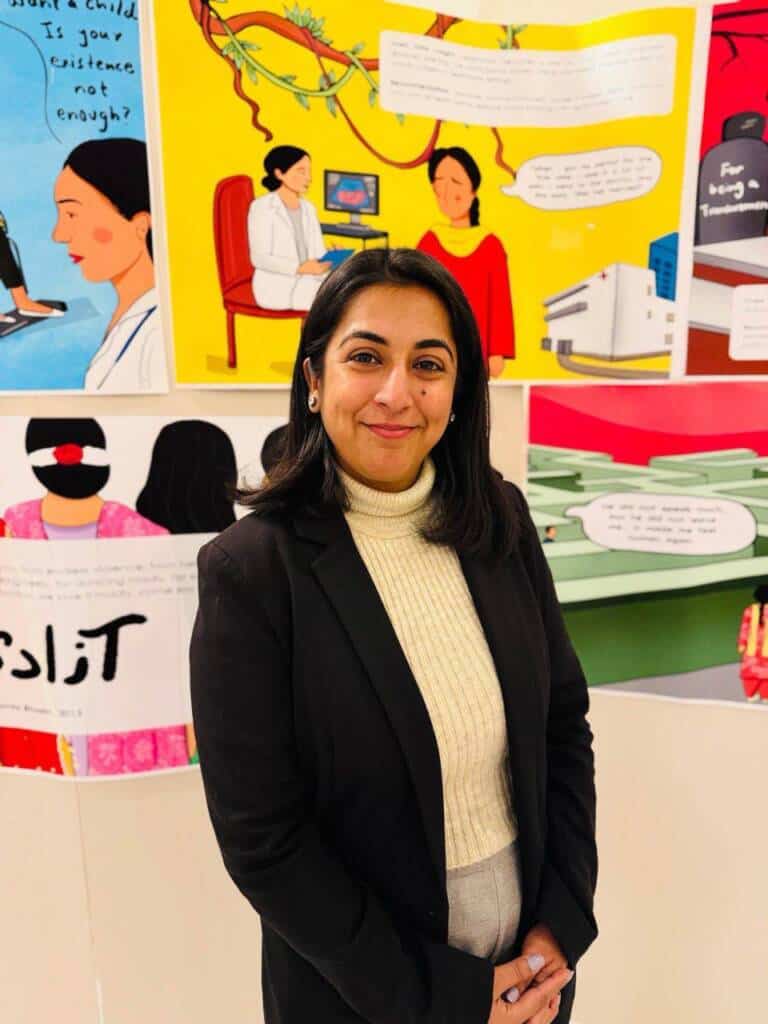
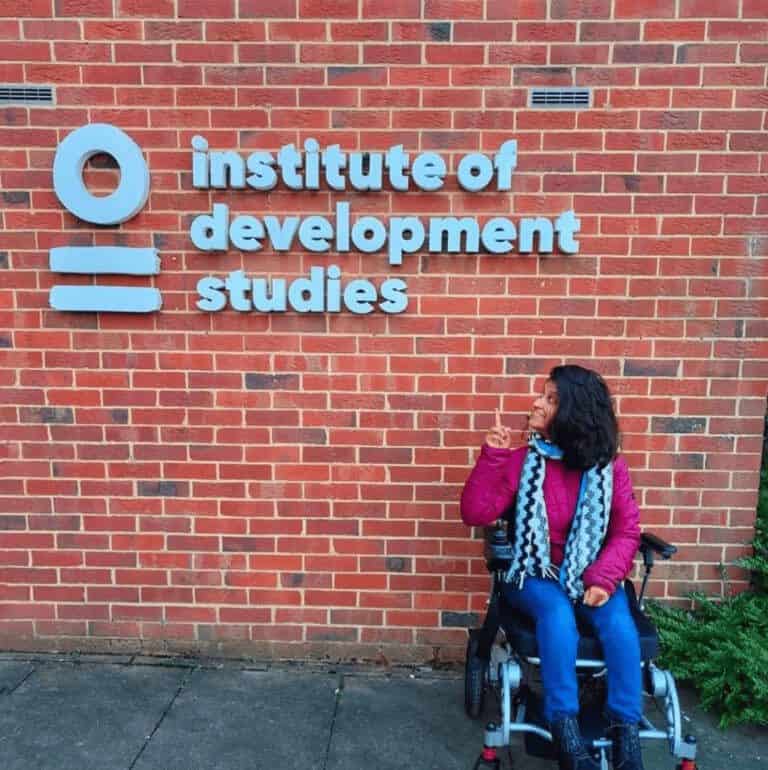
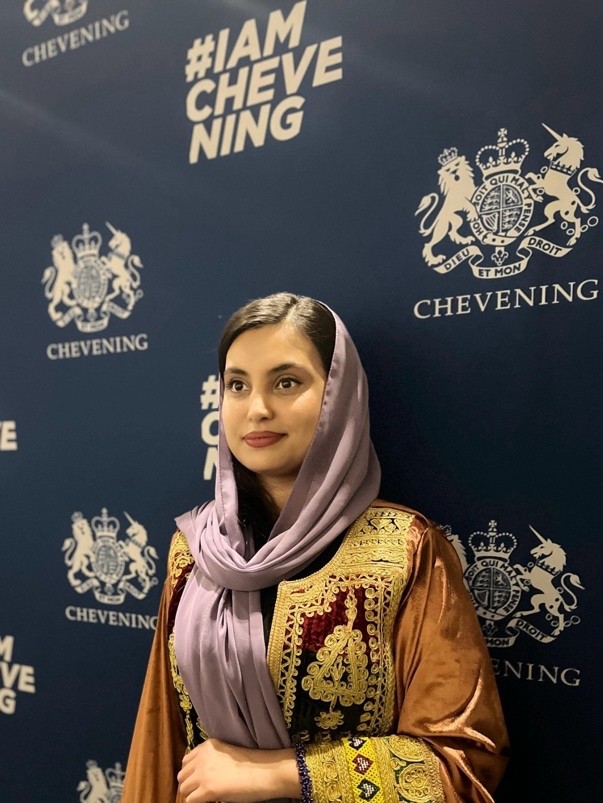
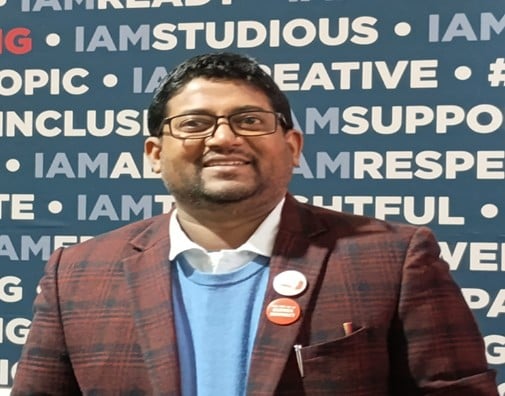
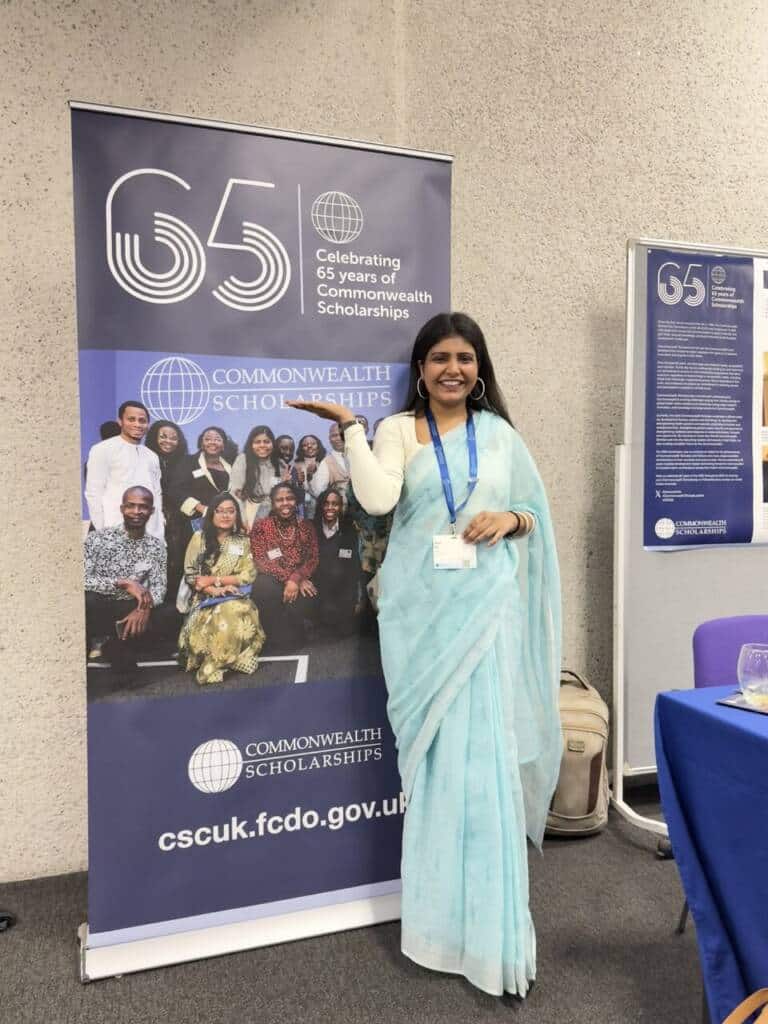
International students who received scholarships to study at University of Sussex, documented by Global Scholarships.












What Scholarship Recipients Say
Advice and insights from international students who successfully secured funding to study at University of Sussex.
"The award covered full tuition fees, a monthly living stipend, round-trip airfare, health insurance, and a travel allowance."
"Take time to craft and refine your essays, as they form the backbone of your application. Engage with alumni and peers to review your drafts and offer feedback. During interviews, be confident, authentic, and evidence-based – always link your answers back to your experiences and vision. Most importantly, remember that the scholarship is looking for people who will contribute meaningfully after their studies, so your commitment to return and make an impact should be evident throughout your application."
"My name is Sebuoeng Tau from the mountain kingdom of Lesotho, currently based in Brighton, UK, pursuing a Master’s in Development Studies at the University of Sussex’s Institute of Development Studies (IDS), a global leader in development research and learning. My academic and professional focus spans gender equality, climate justice, and community resilience."
"My experience at the Institute of Development Studies (IDS), University of Sussex, was transformative academically and personally. IDS is unique in that it combines rigorous theoretical training with strong links to real-world policy and practice. I was surrounded by a diverse cohort of students from around the globe, which created a vibrant learning environment where classroom discussions were enriched by multiple perspectives."
"Sussex offers support for international students from arrival to graduation. These include visa and immigration guidance from dedicated advisers, help with opening UK bank accounts and settling in, academic support like English language workshops and study skills tutorials, mental health and wellbeing services, including disability support, career services with job listings, CV help, and one-on-one consultations, and social activities and networking through the Spirit of Sussex Award and Students’ Union societies."
"Since beginning my Master’s program, I’ve engaged in multiple research projects and simulated sustainability consulting assignments on giant companies such as Iberdrola Renewables, Forterra, and Subway. I also serve as a Green Impact Auditor at the University of Sussex and currently represent my class as Course Representative, advocating for students and coordinating with faculty."
Frequently asked questions
Common questions about scholarships, admissions, and studying at University of Sussex.
The University of Sussex offers online programmes, but many Sussex-funded scholarships are aimed at on-campus study and explicitly exclude online courses.
Sussex scholarships span a wide range of subjects, including humanities, business, STEM, and more. Global Scholarships recipients at Sussex also reflect this range: business/finance (Ruby Uche, Sustainable Finance and Accounting), education/policy (Azza, Education Policy and International Development), development/governance (Sebuoeng Tau and Adnan Anjum Saeed Akhter, Development Studies), and social sciences/development (Aarti Rajput, Development Studies), who sums up her experience as “10 out of 10.”
Sussex offers scholarships to a broad set of nationalities, with some awards open to many countries and others designed for specific countries/regions. In the Global Scholarships Sussex stories, you can see how international the recipient pool is: Azza introduces herself as “a Palestinian,” Ruby Uche says “I’m from Nigeria,” Sebuoeng Tau is from Lesotho, and Adnan Anjum Saeed Akhter is from Pakistan, useful examples of the kinds of nationalities commonly supported through major schemes like Chevening and through Sussex’s broader international scholarship ecosystem.
It depends on your background and course: Sussex’s application process includes an English proficiency section and may require proficiency tests if English is not your first language (or if you don’t meet exemption rules). In recipient stories, some took tests while others qualified through English-medium education: Azza writes, “I prepared for the IELTS exam,” while Adnan Anjum Saeed Akhter notes, “I took the IELTS… and achieved a score of 8.0.”
Others didn’t need a test: Himanshu Pahwa says, “No, it wasn’t required… it depended on the medium of my education,” and Ruby Uche adds, “I didn’t take any standardized tests because my undergraduate degree was in English, and that was accepted by my chosen institution.”
Yes, minimum grades depend on the programme and level. For Masters, Sussex states a general entry requirement of at least an upper second-class (2:1) or lower second-class (2:2) undergraduate honours degree (or equivalent), depending on the course.
In scholarship stories, you can also see how “minimum for admission” and “competitive for scholarships” can differ: Sebuoeng Tau notes, “As long as your grades secure university admission, it’s your work and purpose that carry the application,” while other recipients describe very high academic ranks when competing for fully funded awards.
A strong academic record plus clear motivation/fit is typically expected, and some Sussex awards publish concrete minimum-grade guidance by country (for example, the Chancellor’s International Scholarships list “minimum grades required to apply for the scholarship” by nationality/education system and describe the award as competitive for those with “exceptional academic achievement”).
Recipient stories show what “strong” can look like in practice: Azza describes graduating with “99.5%” in high school and an undergraduate “GPA of 96.5%, ranked first across all faculties,” while still emphasizing sustained effort; and Ruby Uche highlights alignment and purpose, saying she focused on “experience and purpose” and made sure her application matched the scholarship’s values.
For applications, Sussex’s online application guide indicates you’ll typically upload copies of your degree certificate(s), transcript (and interim transcript where applicable), English proficiency evidence (including tests if needed), a CV (for graduate porgrams), plus references and a personal statement (for graduate programs).
Recipients’ stories underline how important the written parts can be: Ruby Uche says, “I spent time writing, reflecting, and redrafting my Chevening essays,” and Sebuoeng Tau points out that Chevening itself can require multiple essays (she mentions “four 500-word essays”).
Undergraduate: Applications go through UCAS, and UCAS charges an application fee.
Postgraduate (Masters): Sussex uses its own postgraduate application portal for most Masters courses; Sussex’s application guidance focuses on documents and eligibility and does not publish an application fee, but you should still check your specific course route and any external systems involved.
There are many degrees that are open to international students right now — find yours.
About the Author: Hyun Lee


Leave A Comment