
Stipendium Hungaricum 2027 (Fully Funded)
The Stipendium Hungaricum Scholarship is a Hungarian government initiative supporting international students to study at Hungarian universities. It is available to applicants from partner countries through bilateral agreements, promoting academic exchange.
Stipendium Hungaricum Coverage
This government fully funded scholarship for international students covers the following:
-
Tuition Fees
-
A monthly stipend of HUF 43,700 (EUR 110) per month for Bachelor's Master's and non-degree programs and HUF 140,000 (EUR 350) for doctoral students (phase 1 of studies) and HUF 180,000 (EUR 450) for phase 2
-
HUF 40,000 or 100 EUR towards accommodation fees
-
Health Insurance
Stipendium Hungaricum Eligibility Criteria
To be eligible for Stipendium Hungaricum, you need to meet the following criteria:
- Nationals of the partner countries
- Applying through the Sending Partner in their home country
- Aged 18 years by specified deadline
For detailed requirements, refer to the official eligibility page .
Eligible degree levels
Eligible programmes
Eligible nationalities
How to Apply
In this section, we'll provide a clear general overview of requirements and steps to guide you through the application process for Stipendium Hungaricum.
To apply for Stipendium Hungaricum, please follow these steps:
-
Access the scholarship's application platform
-
Choose up to two study programs in order of preference
Important Note: The application procedures and required documents for Stipendium Hungaricum may vary depending on your degree, program, nationality and other factors. For specific details regarding the requirements, kindly visit the official website of Stipendium Hungaricum.
Application Deadlines
Now that you’re familiar with the application procedure, it’s time to know the application dates! Knowing the dates for Stipendium Hungaricum will help you prepare early and it will also give you the time you need to put together a competitive application.
Here are the application deadlines for Stipendium Hungaricum:
| Degree | Application deadline |
|---|---|
| Bachelor's, Master's, PhD |
Stipendium Hungaricum Eligible Institutions
The eligible institutions for Stipendium Hungaricum are listed below:
B
H
Stipendium Hungaricum Recipients
Meet students who have received Stipendium Hungaricum and learn how they secured their award.
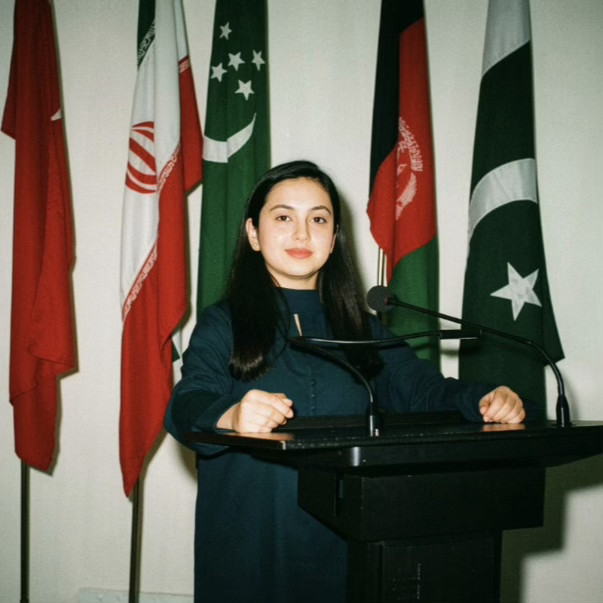
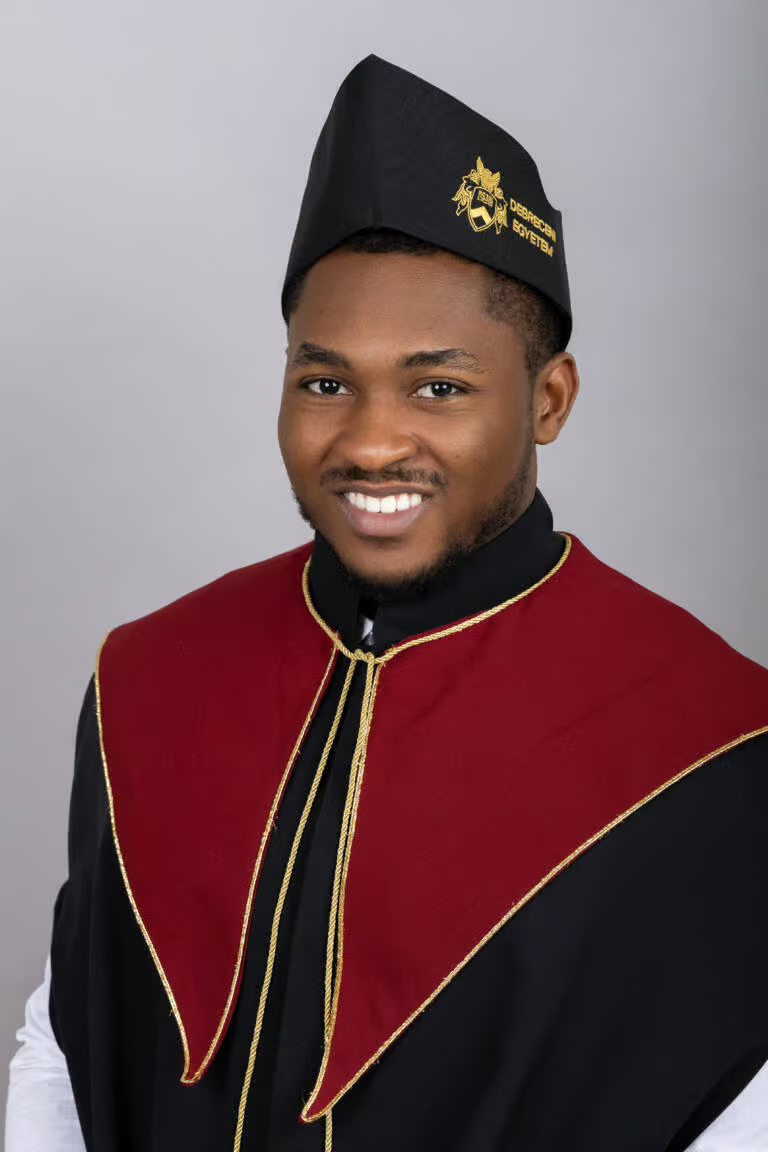

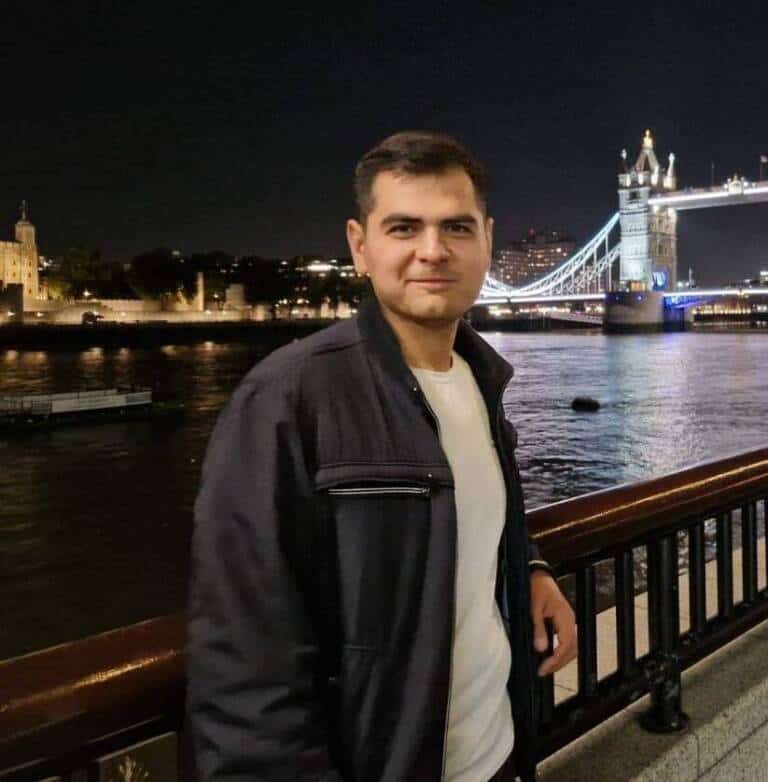


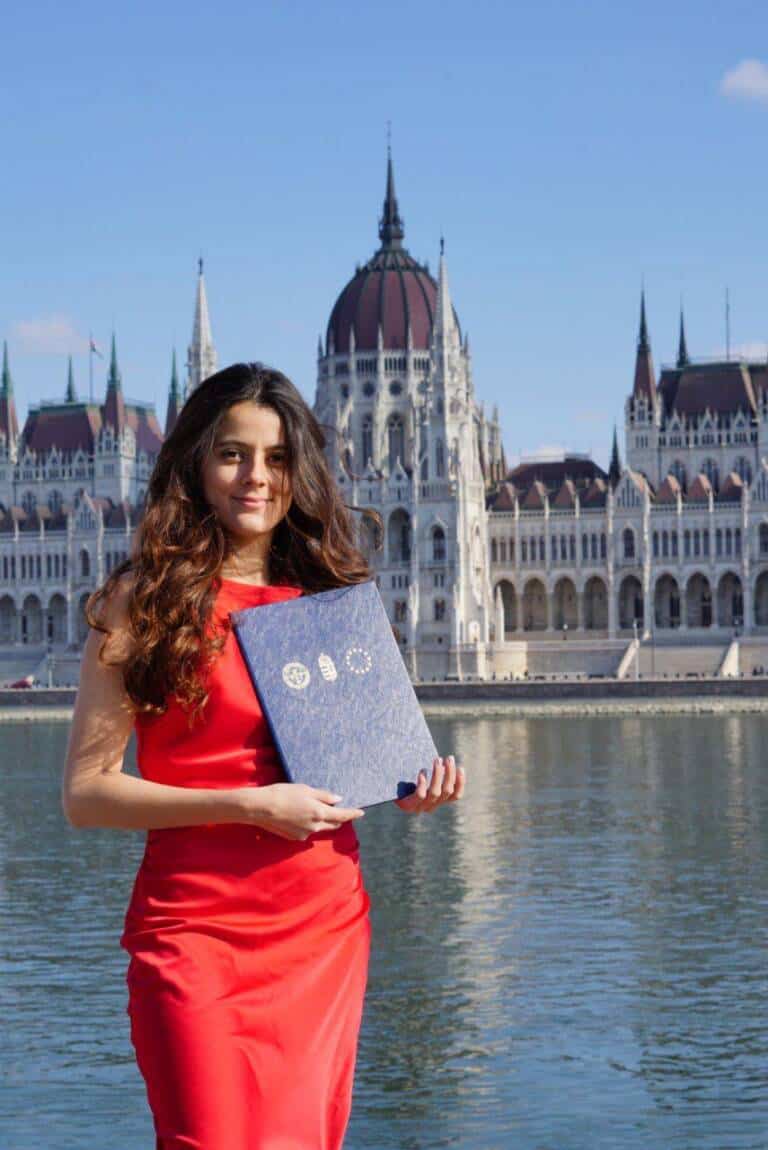


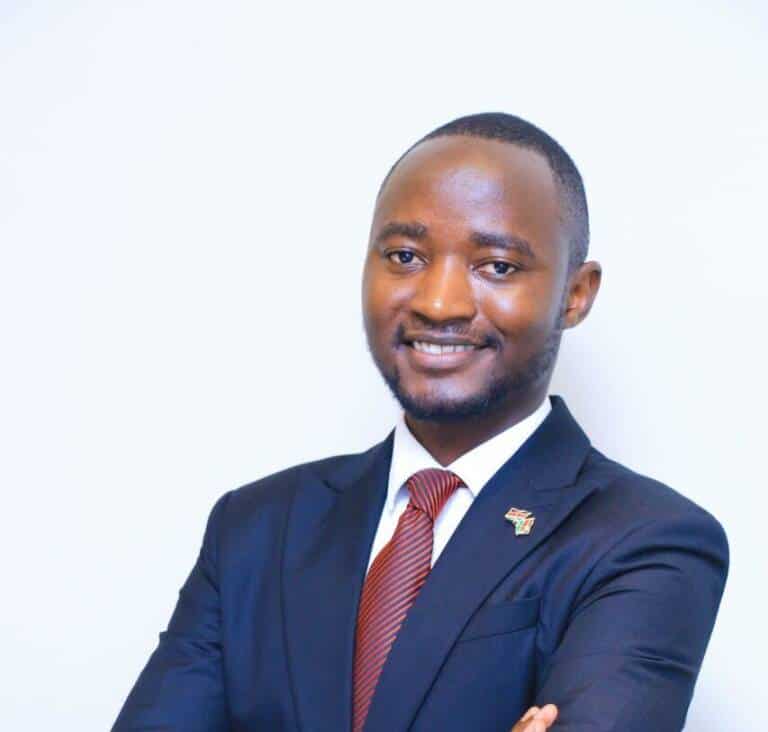


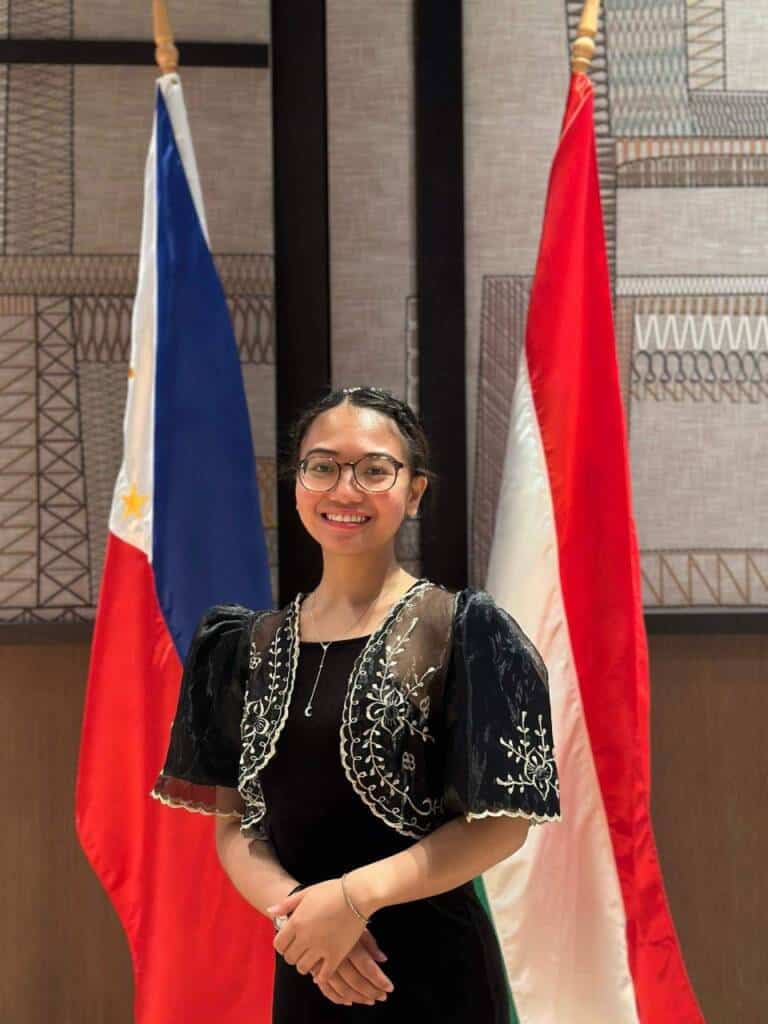


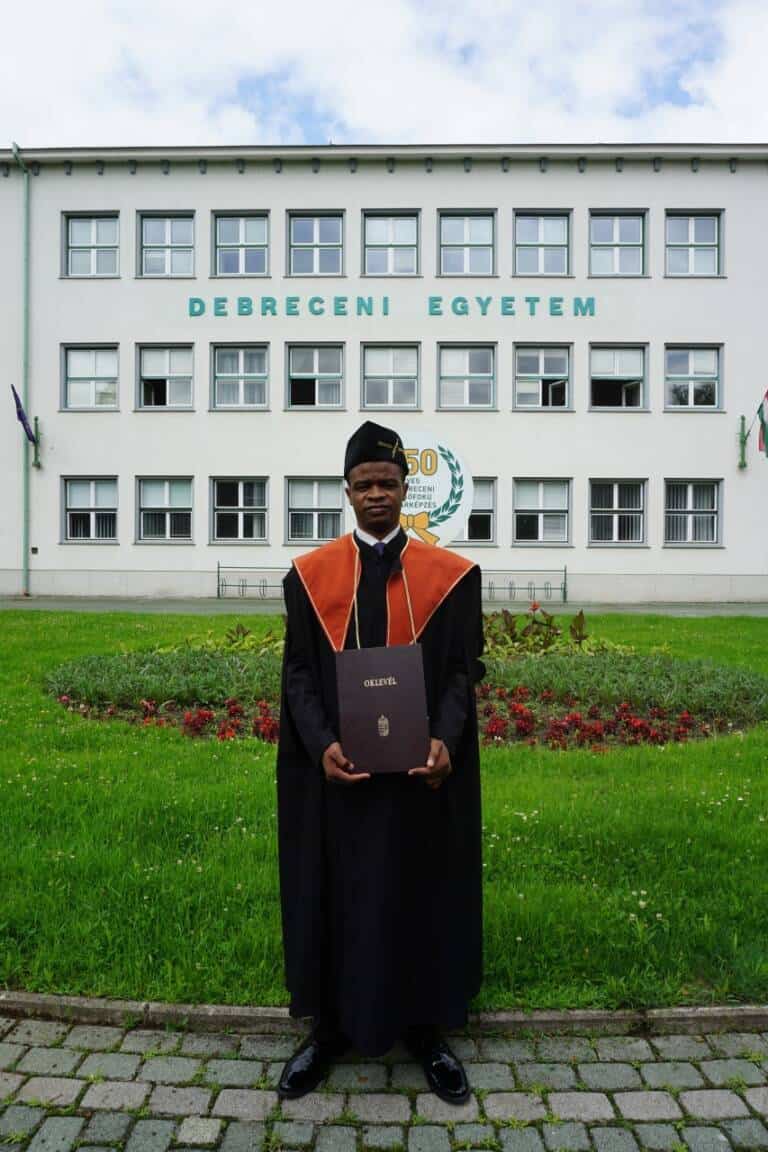

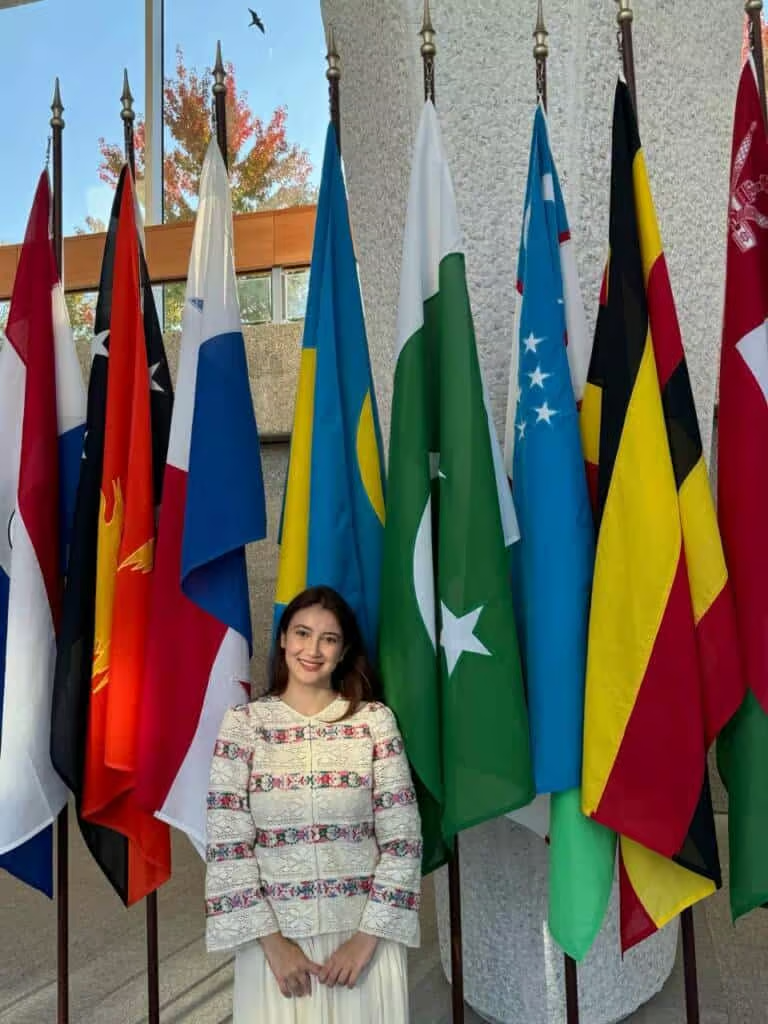

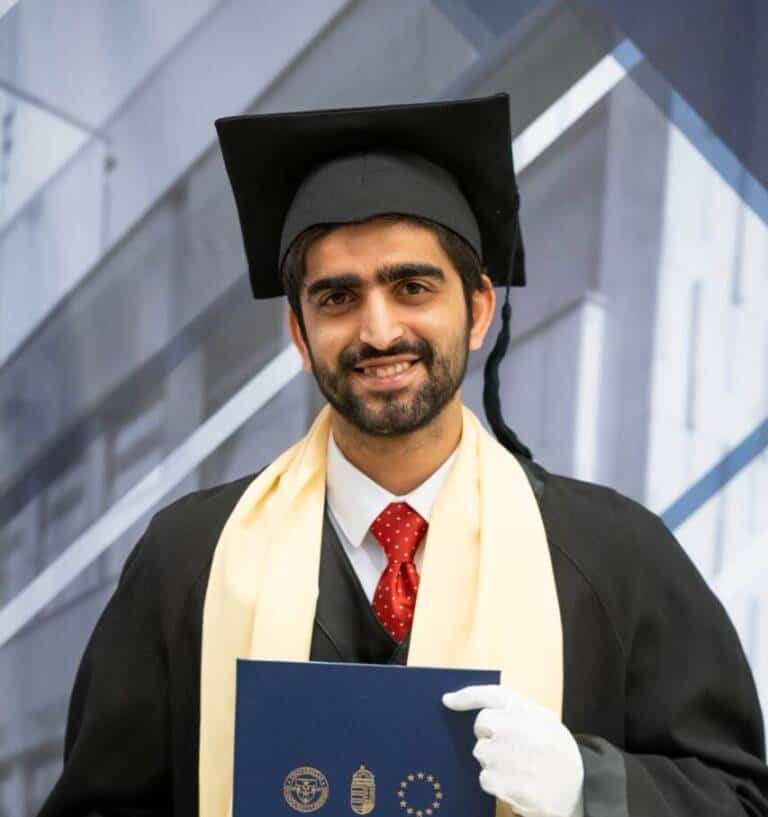




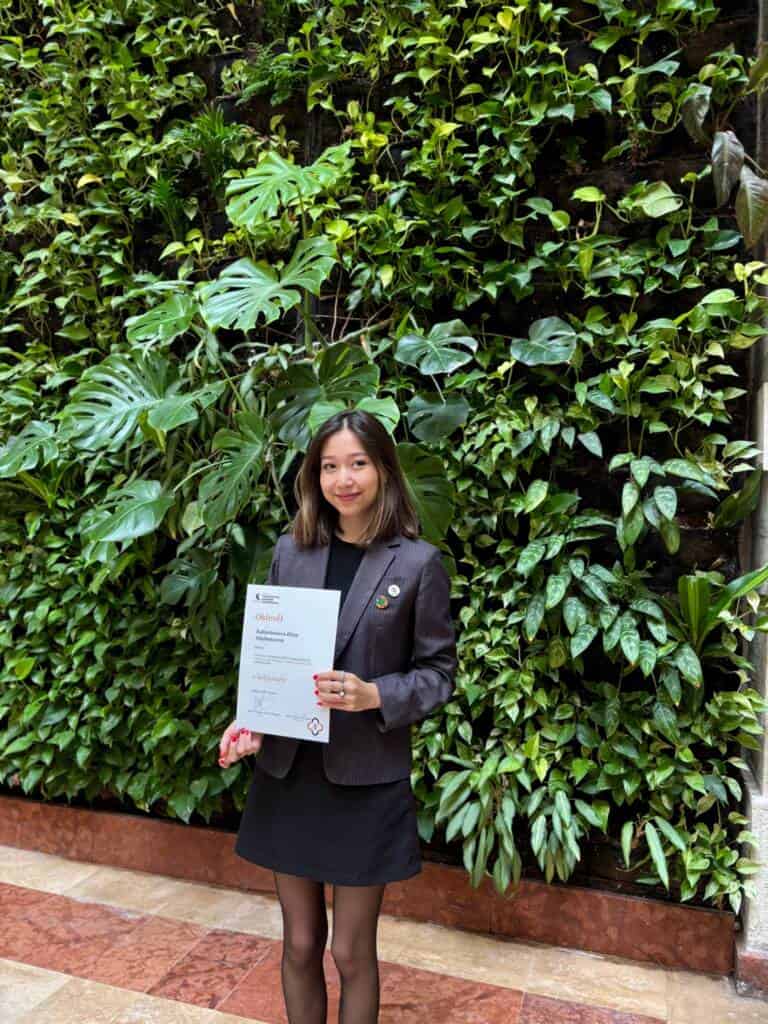



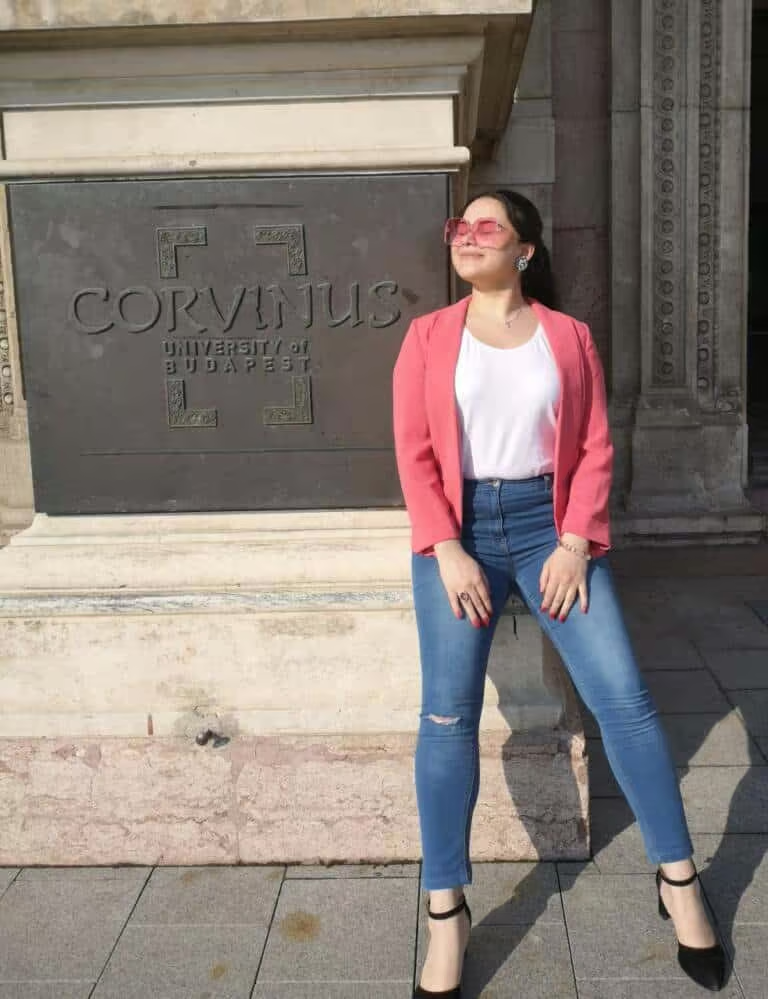




The recipient stories include 47 accounts of degree study supported by Stipendium Hungaricum at Hungarian universities.
Nationalities Represented in the Recipient Stories
| Nationalities | Stories per nationality |
|---|---|
| Pakistani | 12 |
| Kenyan | 4 |
| Kazakh | 3 |
| Colombian, Filipino, Nigerian | 2 each |
| Albanian / Kosovan, Belizean, Brazilian, Burmese, Cambodian, Georgian, Indian, Iranian, Iraqi, Kyrgyz, Mongolian, Russian, Saint Lucian, South African, Sri Lankan, Sudanese, Syrian, Tunisian, Turkish, Uzbek, Yemeni | 1 each |
Degree Study Reported by Recipients
| Degree level | Stories | Subjects |
|---|---|---|
| Bachelor’s | 21 | Social Work; Public Health Sciences; Computer Science; Architectural Engineering; International Relations; Civil Engineering; Physical Training; Electrical Engineering; International Business Economics; Chemical Engineering; Mechanical Engineering; Business Administration and Management; English and American Studies; Nursing |
| Master’s | 22 | Biology; Mechanical Engineering; Food Safety and Quality Engineering; Public Policy and Management; Public Health; Leadership and Management; Agricultural Biotechnology; Psychology; Civil Infrastructure Engineering; International and European Business Law; Animal Husbandry Engineering; Media and Communication Studies; Social Integration; Agricultural Environmental Management Engineering; Environmental Science; International Economy and Business; International Relations |
| PhD | 1 | Plant Science |
Funding Reported by Recipients
| Recipient and degree/program | Reported coverage |
|---|---|
| Phyo Thatar Linn — Bachelor’s in Social Work, University of Pécs | Full tuition, HUF 43,700 monthly stipend, HUF 40,000 accommodation support and medical insurance. The account notes that off-campus rent can exceed the housing contribution. |
| Aya — Bachelor’s in International Relations, Corvinus University of Budapest | Full tuition, HUF 43,700 per month, dormitory support or HUF 40,000 toward private housing, and health cover. International travel was outside the award; she separately held a paid assistantship for three semesters. |
| Elizaveta — Bachelor’s in English and American Studies, Eötvös Loránd University | Reported approximately EUR 25,000 in tuition support across the three-year degree and approximately EUR 230–250 per month. |
| Usman Awan — MSc in Biology, Eötvös Loránd University | Full tuition, HUF 43,700 monthly stipend, dormitory accommodation or HUF 40,000 monthly housing support, social security and medical expenses. His reported monthly expenses reached HUF 200,000, so he needed savings or another income source. |
| Kasi Viswanadh Kalyan Thota — MSc in Leadership and Management, University of Pécs | Described a package worth approximately EUR 20,000 covering tuition, a monthly stipend, accommodation support and insurance. |
| Maryam Gazeran — MSc in Biology, Neuroscience and Human Biology, Eötvös Loránd University | Full tuition, HUF 43,700 per month, dormitory accommodation or HUF 40,000 monthly housing support, and social security and medical coverage. |
| Alaa Al Jarf (From September 2024) — PhD in Plant Science, Hungarian University of Agriculture and Life Sciences | For the reported 2024/2025 scholarship award: full tuition, monthly stipend, accommodation support and health insurance for doctoral study at MATE. |
Examples of Featured Recipients’ Application Backgrounds
| Recipient and degree/program | Scholarship/application route | Reported background and preparation |
|---|---|---|
| Elina Sultanbekova — Bachelor’s in International Relations, Corvinus University of Budapest | Stipendium Hungaricum and Corvinus admission | IB Diploma Programme at Bishkek International School, GPA around 3.9/4.0, alongside a Kyrgyz state diploma with GPA 5.0/5.0; debate and volunteering contributed to her application profile. |
| Charlemagne Wilson — Bachelor’s in Civil Engineering, University of Debrecen | Stipendium Hungaricum – Saint Lucia | Associate degree in Construction Engineering from Sir Arthur Lewis Community College, GPA 3.62/4.0, with the technological department’s Award of Excellence. |
| Andrea Bergula Saises — BSc in Nursing, Semmelweis University | Stipendium Hungaricum – Philippines sending partner | Was already studying Medical Biology at De La Salle University but used high-school credentials for the Nursing application, including STEM/Caregiving studies at Centro Escolar University–Manila. |
| Kasi Viswanadh Kalyan Thota — MSc in Leadership and Management, University of Pécs | Stipendium Hungaricum – UGC India nomination | Civil Engineering bachelor’s, CGPA 8.2/10; developed entrepreneurial interests and explained a transition toward business, technology and leadership. |
| Maryam Gazeran — MSc in Biology, Neuroscience and Human Biology, Eötvös Loránd University | Stipendium Hungaricum and ELTE admission | Biology bachelor’s at Semnan University, GPA 16.24/20; laboratory training and two years as a medical and pathological laboratory technician. |
| Minahil Mustafa — Master’s in Media and Communication Studies, Eötvös Loránd University | Stipendium Hungaricum – HEC Pakistan | Visual Communication Design bachelor’s with a perfect GPA and thesis distinction; two years in communications, fundraising and political work informed her media-research interests. |
| Alaa Al Jarf (From September 2024) — PhD in Plant Science, Hungarian University of Agriculture and Life Sciences | Stipendium Hungaricum doctoral application | BSc Biochemistry, 73.88%, and MSc Biotechnology, 88.21%, from Al-Baath University. Research on wild-wheat genetic diversity, collaboration with the Atomic Energy Commission in Damascus, publications and six years of biology and teaching work informed the proposed research. |
How Recipients Met Language Requirements
| Language requirement route | Stories / total funded degree-study stories | Recipients and examples |
|---|---|---|
| IELTS | 13/47 | 6.0 (Muhammad Asim); 7.0 (Hasan Çağan Güler, Nominzul, Otabek Narimonov); 7.5 (Elina Sultanbekova, Sodalay Uth, Zhibek Batyrgaliyeva); 8.0 (Elizaveta, Syed Hanzila Azhar); IELTS taken for the application (Danjuma Favour Dan, Maryam Gazeran, and 2 others). |
| TOEFL | 3/47 | 100 (Arbenite Canaj); 109/120 (TOEFL iBT) (Usman Awan); TOEFL taken for the application (Maria Daniela Otero). |
| Duolingo English Test | 3/47 | 115 (Alaa Al Jarf); 140 (Arbenite Canaj); Duolingo English Test taken for the application (Muhammad Shayan). |
| Oxford Online Placement Test | 1/47 | C1 (Alaa Al Jarf). |
| Prior English-medium education or institutional proof accepted | 10/47 | Prior English-medium education or an institutional English-proficiency letter accepted for the reported host application (Andrea Bergula Saises, Brian Lemus, and 8 others). |
| Personal English-test exemption | 1/47 | Standardized English test not required for the Physical Training program application (Nicolle Chirinda). |
Standardized Tests Reported by Featured Recipients
| Test | Stories reporting the test / total funded degree-study stories | Linked recipients and reported scores |
|---|---|---|
| SAT | 3/47 | 1320 (Hasan Çağan Güler); 1520 superscore (Elizaveta); SAT taken for the application (Zhibek). |
| HEC USAT | 2/47 | 71/100 (Muhammad Asim); HEC USAT taken for the application (Muhammad Shayan). |
| HEC HAT | 2/47 | HEC HAT taken for the application (Minahil Mustafa, Syed Hanzila Azhar). |
| Home-country aptitude examination | 1/47 | Aptitude examination passed for the Pakistan nomination stage (Usman Awan). |
| Cambodian nomination examination | 1/47 | National nomination examination passed (Sodalay Uth). |
| NMAT | 1/47 | NMAT passed for Corvinus admission (Peter Nguka). |
| Semmelweis University entrance assessment | 2/47 | Biology entrance examination passed (Andrea Bergula Saises); Institutional entrance examination taken (Danjuma Favour Dan). |
| University of Szeged entrance assessment | 1/47 | Institutional entrance examination taken (Danjuma Favour Dan). |
| ELTE program assessment | 1/47 | Social Integration program examination and paper-based interview completed (Florencio Venté). |
Application Timelines Reported by Recipients
| Recipient and degree/program | Application or scholarship route | Reported application timeline |
|---|---|---|
| Glyssa May Bosquit — Bachelor’s in Chemical Engineering, University of Debrecen | Philippines nomination followed by university admission | Submitted the online scholarship application and hard-copy documents to CHED-IAS; after a few weeks, received an interview invitation and nomination. Her chosen universities then contacted her for admission examinations and interviews. |
| Usman Awan — MSc in Biology, Eötvös Loránd University | Pakistan nomination and ELTE admission | After passing the home-country aptitude test and receiving nomination, was given topics and two weeks to prepare for the university interview. The Tempus Public Foundation scholarship decision followed two months after that interview. |
Interview Experiences Reported by Recipients
| Recipient and degree/program | Reported interview experience |
|---|---|
| Phyo Thatar Linn — Bachelor’s in Social Work, University of Pécs | Discussed social issues in her home country with a professor and connected them to her motivation for Social Work. |
| Aya — Bachelor’s in International Relations, Corvinus University of Budapest | Corvinus asked three questions about motivation and ongoing conflicts. Her alternative ELTE interview drew on prior experience, motivation and international events such as COP26. |
| Elina Sultanbekova — Bachelor’s in International Relations, Corvinus University of Budapest | Corvinus International Relations faculty asked about academic interests, current international events and reasons for studying the field. |
| Usman Awan — MSc in Biology, Eötvös Loránd University | The university supplied topics two weeks before the Biology interview; he drew on concepts learned during his bachelor’s studies. |
| Florencio Venté — Master’s in Social Integration, Eötvös Loránd University | Received a paper a few hours beforehand and analyzed it in an interview related to Social Integration program topics. |
| Stella Murugi — MSc in Environmental Science, Eötvös Loránd University | Discussed course interests and future aims with the program coordinator; used her motivation letter and community clean-water work to explain the relevance of Environmental Science. |
Teaching Language Reported by Recipients
| Recipient and degree/program | Reported teaching language |
|---|---|
| Phyo Thatar Linn — Bachelor’s in Social Work, University of Pécs | Social Work classes were in English, while some potential electives elsewhere were available only in Hungarian. |
| Andrea Bergula Saises — BSc in Nursing, Semmelweis University | Nursing classes were in English. Six semesters of basic and medical Hungarian were separate requirements and useful for communicating with patients during hospital placements. |
| Elizaveta — Bachelor’s in English and American Studies, Eötvös Loránd University | English and American Studies classes were in English; a year of Hungarian-language learning was a separate scholarship condition. |
| Brian Lemus — Master’s in Agricultural Biotechnology, Hungarian University of Agriculture and Life Sciences | Agricultural Biotechnology classes and materials were entirely in English; Hungarian classes were mandatory during the first two semesters. |
| Florencio Venté — Master’s in Social Integration, Eötvös Loránd University | Social Integration courses were in English; first- and second-semester Hungarian courses were separate. |
| Otabek Narimonov — Master’s in International Relations, Budapest Business University | The International Relations program was taught in English. |
What Recipients Pursued After Their Scholarship-Funded Studies
| Recipient | Scholarship-funded degree/program | Reported outcome or current status |
|---|---|---|
| Aya | Bachelor’s in International Relations, Corvinus University of Budapest | After completing the bachelor’s, reported a UNDP internship in Copenhagen. |
| Glyssa May Bosquit | Bachelor’s in Chemical Engineering, University of Debrecen | Reported an internship at the CTBTO Preparatory Commission in Vienna, contributing to international nuclear-test-ban verification systems. |
| Saniya | Bachelor’s in Mechanical Engineering, University of Debrecen | Went on to an Invest Your Talent in Italy-supported Management Engineering master’s at Politecnico di Milano. |
| Elizaveta | Bachelor’s in English and American Studies, Eötvös Loránd University | Completed the bachelor’s with First Class Honours, returned home for work experience and reported plans to begin an MSc at University of Glasgow in fall 2026. The later degree was still prospective in her account. |
| Zhibek | Bachelor’s in International Relations, Eötvös Loránd University | During undergraduate study, reported an HR internship at UNICEF’s Global Shared Services Centre in Budapest; earlier worked part-time at Marriott. |
| Usman Awan | MSc in Biology, Eötvös Loránd University | After the MSc, gained laboratory experience in academic research and pharmaceutical drug development. Secured a later MSCA doctoral-candidate position with MIMETAS in the Netherlands, focused on liver-on-a-chip models. |
| Maryam Gazeran | MSc in Biology, Neuroscience and Human Biology, Eötvös Loránd University | After graduation, worked for two years in research-assistant roles in Hungary, then became a scientific editor and content manager for a medical publisher based in Tallinn. |
| Mariam Gordeladze | MSc in Public Policy and Management, Corvinus University of Budapest | Reported working as an executive recruiter on international projects, communicating with global clients and candidates. |
| Felix Ayiera | Master’s in Food Safety and Quality Engineering, Hungarian University of Agriculture and Life Sciences | Continued into a funded Food Science and Technology PhD at University of Alberta. |
| Minahil Mustafa | Master’s in Media and Communication Studies, Eötvös Loránd University | Reported work as a Public Information Consultant at the United Nations Human Rights Office. |
| Otabek Narimonov | Master’s in International Relations, Budapest Business University | After completing the master’s, continued work in international cooperation and development. |
| Alaa Al Jarf (From September 2024) | PhD in Plant Science, Hungarian University of Agriculture and Life Sciences | Ongoing doctoral research at MATE’s Potato Research Group, investigating regulation of the SP6A gene and developing gene-editing and bioinformatics skills. |
Other Offers in Featured Applicants’ Journeys
| Recipient | Reported alternative | Decision described in the story |
|---|---|---|
| Koussay Farah — Bachelor’s in Architectural Engineering, University of Pécs | Fully funded Türkiye Bursları offer at the institution described as the Technical University of Ankara. | Chose Stipendium Hungaricum for Architectural Engineering at University of Pécs. |
| Zhibek Batyrgaliyeva — Bachelor’s in International Relations, Corvinus University of Budapest | Also accepted to Media and Communication at Corvinus University of Budapest in the same application process. | Chose International Relations because it better matched policy and diplomacy goals. |
| Zhibek — Bachelor’s in International Relations, Eötvös Loránd University | 40% merit scholarship at Stetson University in the United States. | Chose the fully funded Stipendium Hungaricum opportunity. |
| Muhammad Shayan — Bachelor’s in International Business Economics, Eötvös Loránd University | Türkiye Bursları Scholarship offer. | Preferred Stipendium Hungaricum for its support system, facilities and academic reputation. |
| Benjamin Labar — Master’s in Civil Infrastructure Engineering, Széchenyi István University | Open Doors: Russian Scholarship Project award. | Reported Stipendium Hungaricum-funded Civil Infrastructure Engineering study at Széchenyi István University. |
| Syed Hanzila Azhar — Master’s in Public Health, University of Debrecen | Chinese Government Scholarship offer. | Chose Stipendium Hungaricum because its program structure and academic fit better matched his goals. |
Applicants Who Declined This Scholarship
| Applicant and intended degree/program | Offer from Stipendium Hungaricum | Alternative chosen | Reason described in the story |
|---|---|---|---|
| Aruzhan Kaisar — Undergraduate applicant with interests in agricultural and biological sciences | Stipendium Hungaricum scholarship awarded in her undergraduate application round. | Global 30 Undergraduate Scholarship at Nagoya University, with separate JASSO support. | N/A |
| Nigar Mammadzada — Master’s applicant with an Economics background | Stipendium Hungaricum Scholarship offered. | DAAD ERP-supported MSc Development Economics at University of Göttingen. | Academic strength and relevance of the Göttingen program. |
| Duong — Master’s applicant in International Economics | Stipendium Hungaricum Programme Scholarship offered among graduate-level options. | France Excellence Eiffel-supported master’s at University of Orléans. | Alignment with international-economics research interests and comprehensive academic and professional support. |
| Sehr Nisar — Master’s in Anthropology applicant | Fully funded Stipendium Hungaricum award after university admission interviews; her visa was ready. | Stayed in Pakistan and accepted a State Bank of Pakistan opportunity. | Chose the opportunity to serve her country and put studying abroad on hold. |
| Ramuza Makhammetsheripova — International Relations applicant, University of Szeged | Selected for Stipendium Hungaricum in 2024. | DAAD-supported study in Germany. | N/A |
What Stipendium Hungaricum Scholars Say
Advice and reflections from scholars about the Stipendium Hungaricum application process and programme.
"I am a proud recipient of the Stipendium Hungaricum Scholarship, which fully covers my tuition fees, provides a monthly stipend, free dormitory accommodation, and medical insurance coverage, including medical allowances. This scholarship, funded by the Hungarian government, supports talented international students from around the world who wish to study in Hungary"
"Although the scholarship is fully funded, prospective students should know that, given current inflation, the stipend does not always cover living costs in Budapest."
"My biggest advice is to start early, especially with documents. Attestation, verification, and translations can take weeks or even months, so don’t wait until the deadline (like I did once). Submitting early reduces stress and gives you time to correct any mistakes"
"The scholarship is quite generous as it fully covers your tuition, provides a monthly stipend, which amounts to 43,700 Hungarian Forints a month (for Bachelor’s and Master’s; for PhD students, it is higher). In most occasions, the dorm fees are also covered fully (“in most cases” because some universities—like Corvinus—have built renowned dorms, which cost higher, so you have to pay some sum yourself as well. But this practice is relatively rare.)"
"My experience at the school has been wonderful. I’ve had lovely coursemates and diligent professors. I’ve also been very lucky to have a smart, kind supervisor for my thesis, which has helped with my thesis writing"
Frequently asked questions
Common questions about Stipendium Hungaricum, eligibility, funding, and applications.
Yes. It covers tuition fees, a monthly stipend, accommodation support, and health insurance. According to Muhammad Shayan, a Stipendium Hungaricum recipient at Eötvös Loránd University, the scholarship “fully covers my tuition fees, provides a monthly stipend” and includes accommodation and medical insurance.
Not always. The scholarship is generous, but several recipients say applicants should still budget carefully, especially in Budapest or during periods of inflation. For example, Minahil Mustafa wrote that “the stipend does not always cover living costs in Budapest,” while Stella Murugi said that “this amount is not enough to get by here in Hungary.”
In general, applicants must come from partner countries, apply through the sending partner in their home country, and meet the scholarship and program-level requirements listed for that intake. Elina Sultanbekova, a Stipendium Hungaricum recipient at Corvinus University of Budapest, explained that the scholarship works through bilateral agreements and that there are “over 90 sending countries involved.”
Usually, both matter, and it is different for different countries. Recipients describe Stipendium Hungaricum as a combined scholarship and university application, but many also emphasize that the final nomination or approval can involve the sending partner in your home country. Phyo Thatar Linn said, “The whole application is done online through the official Stipendium Hungaricum website,” while Sajith Wickramanayake noted that “the final selection was made by the Sri Lankan government as the sending partner.”
It depends on the university, program, and sometimes your sending country. Some recipients were exempt because their previous education was in English, while others report that universities may ask for tests or assess English during interviews. For example, Sajith Wickramanayake said he “was exempted from submitting IELTS scores,” while Phyo Thatar Linn explained that “some asked for English proficiency tests like IELTS or Duolingo.”
Many recipients study in English-medium programs, so Hungarian is not always required for academics. Syed Hanzila Azhar, who studies Public Health at the University of Debrecen, wrote, “All my classes are conducted in English,” and added that “English is sufficient” for classes and university matters. At the same time, you will be required to take Hungarian classes for two semesters before the start of your studies. For example, Hasan Çağan Güler said scholarship holders in his program were “learning compulsory Hungarian for two semesters.”
Across recipient stories, the same themes appear again and again: start early, prepare documents carefully, and write a genuine motivation letter that clearly explains your goals. Muhammad Usama advised applicants to “start early, especially with documents,” and Glyssa May Bosquit said she “crafted a compelling motivation letter” and prepared seriously for interviews. In practice, recipients often mention transcripts, motivation letters, proof of English, recommendation letters or CVs, and other country- or program-specific documents.
Yes. Recipients regularly describe it as selective and prestigious. Muhammad Asim called it “one of Europe’s most prestigious and competitive scholarship programs,” and Hasan Çağan Güler described it as “the hardest one to get.” That makes careful preparation, a strong academic profile, and a clear study plan especially important.
There are many degrees that are open to international students right now — find yours.

Please what is the age limit
There’s no upper age limit!
if I graduate from high school in July 2027, should I apply during my senior year or in the 2028 application cycle?