
How Javiera Rossel, a Chilean Scholar, Secured a PhD in Journalism and Mass Communication at the University of Kansas, United States Through the Fulbright-ANID Scholarship
University: University of Kansas
Degree: Ph.D. in Journalism and Mass Communication
Previous Education: Degree in Journalism; Master’s in Marketing, University of Chile
Scholarship: Fulbright-ANID Scholarship – Four Years of Doctoral Funding (Airfare, Monthly Stipend, Health Insurance Support, Academic Materials)
Other Offered Scholarships: P.E.O. International Peace Scholarship – Graduate Study Support for Women Outside the United States and Canada Studying in the United States or Canada
Social Media
LinkedIn: linkedin.com/in/javiera-rossel-bb010a49/
The Journey
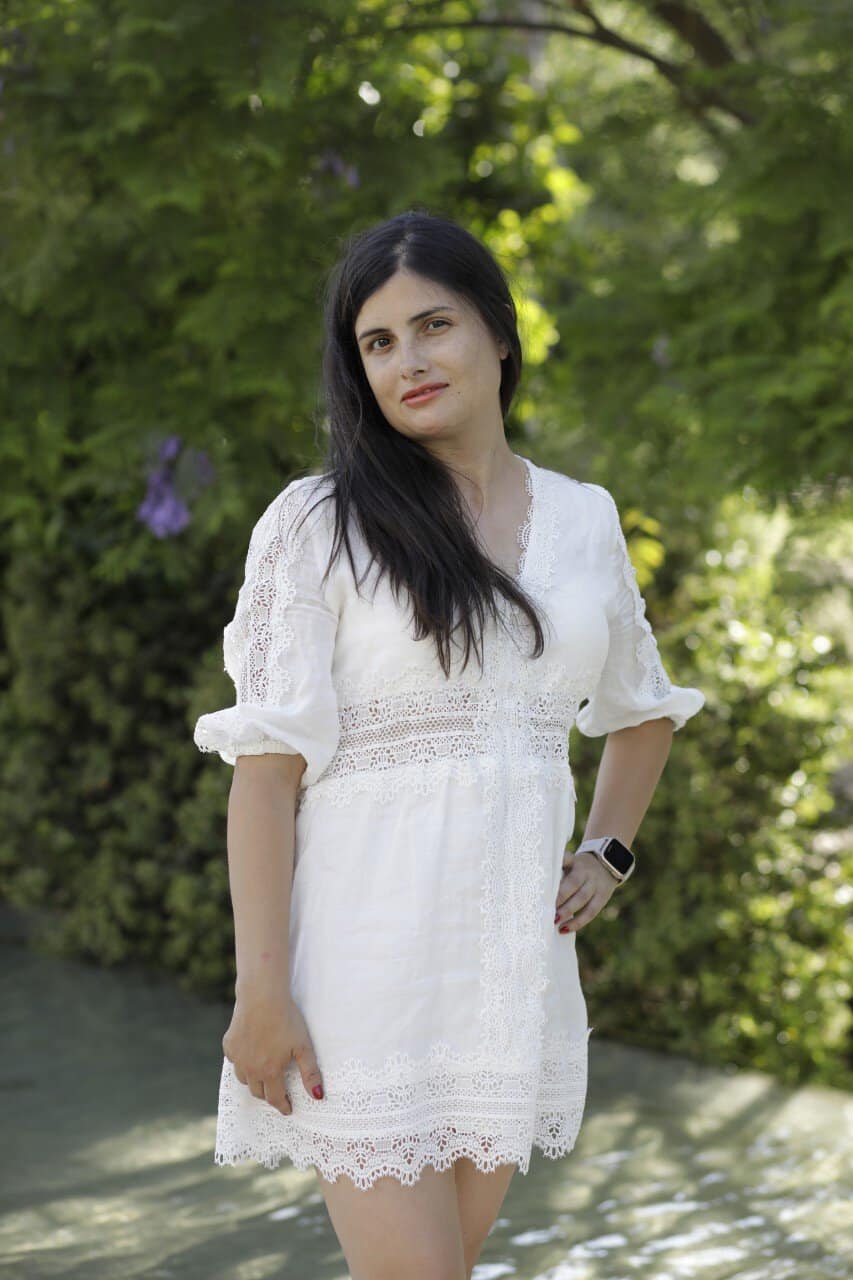
My name is Javiera Rossel, and I am from Chile. I am currently a Ph.D. student in Journalism and Mass Communication at the University of Kansas.
Before starting my Ph.D., I studied journalism and later completed a master's degree in marketing at the University of Chile. I also worked for almost 12 years before beginning my doctoral studies. During my master's program, I discovered how much I enjoyed research and realized that I wanted to investigate topics that were important to me. Today, my research focuses on women and gender, sexual and reproductive health and rights, social media, and health communication.
Fulbright-ANID Scholarship Details
I received the Fulbright-ANID scholarship, which is funded by the Chilean government with the support of Fulbright. It funds four years of doctoral study in the United States.
The scholarship has provided significant support for my family and me, including airfare to the United States, a monthly stipend, health insurance support, and funding for academic materials.
I also received financial support directly from the University of Kansas. KU offered me a four-year funding package as a Graduate Teaching Assistant (GTA), with an annual salary of approximately $24,000 before taxes. The package also includes tuition support, partial health insurance coverage, and $1,500 per year for conference travel.
More recently, I received a P.E.O. International Peace Scholarship, an international scholarship that supports women outside the United States and Canada pursuing graduate studies in these countries.
I studied journalism in Chile and later completed a master's degree in marketing. Before starting my Ph.D., I worked for almost 12 years.
I think my professional experience has been extremely valuable for my academic career because I did not follow the traditional path of going directly from an undergraduate degree to a master's degree and then to a Ph.D. I spent many years in the job market, worked with an NGO, and gained experience in activism.
For a field like journalism and communication, I think having professional experience gives you a different perspective. You understand both the academic and professional sides of communication, and I think that has been an important part of my background as a researcher.
How Did You Prepare to Apply to the University of Kansas?
The process was long. It took me almost two years to find the right university and funding package.
The first year I applied, I was accepted by universities, but I did not receive enough additional financial support. Because I was moving to the United States with my family, funding was extremely important to me, so I decided to go through the application process again.
I did a lot of research. I contacted professors, read papers, and looked for researchers working on topics related to my interests. I attended information sessions and open meetings organized by universities. I also talked with advisors, mentors, and other contacts who could help me understand the process.
Eventually, I found the University of Kansas, which offered strong academic and financial support and was a very good fit for my research interests.
Did You Take Any Standardized Tests? If So, How Did You Prepare for Them? How Did You Prepare?
I took the TOEFL because English is my second language. This was honestly one of the most challenging parts of the process for me.
I prepared for almost two years and received a lot of support from Fulbright Chile. I had private classes and lessons, and Fulbright also covered the cost of taking the TOEFL, which was incredibly helpful because the test can be expensive, especially when you need to take it more than once.
It was a long and sometimes stressful process, but it also helped me improve my English significantly.
Preparing my applications took years. I would say that I spent three or four years gradually building and improving my application materials and academic profile.
I received support from Fulbright, worked with a company in Chile, and also worked with individual mentors. I attended meetings and information sessions and tried to learn as much as possible about what universities and scholarship committees were looking for.
I also used AI tools to review my application materials and think about whether my profile and dossier were competitive. But the most important part was doing a lot of research, asking for feedback, talking to people, and continuously improving my applications.
How is Your Experience at the University of Kansas?
My experience at the University of Kansas has been incredible. I love my program, and I am learning a lot.
A Ph.D. can be very demanding. Some weeks the workload is extremely heavy, and expectations are high for your academic performance, research, teaching, and publishing. At the same time, I have found a very supportive environment at KU.
I have had opportunities to teach undergraduate students, participate in research groups, attend conferences, and connect with researchers from different disciplines.
How Do You Rate the University of Kansas Academically?
I think KU is an excellent university academically. It is an R1 research university, and you can really see that in the research environment.
There are many resources available to students, excellent professors, research groups, organizations, and opportunities to collaborate. The university encourages doctoral students to conduct research and publish their work, and the expectations can be high. Sometimes balancing everything can be challenging, but I also understand why that is part of doctoral training.
How Does the University of Kansas Support International Students?
I have received a lot of support as an international student. KU has many resources available, but I think the support also comes from the broader university community.
I have found support from professors, other students, and people from programs outside my own department. Lawrence has also been a wonderful place for my family. I moved here with my family and my two daughters, and they love Lawrence and their schools.
Lawrence may not be one of the most famous university towns in the United States, but the quality of life has been wonderful for us. We have built a community here, and we feel very happy.
What Do You Think Made Your Application Stand Out?
I think one thing that made my application stand out was my background.
I did not follow a traditional academic path. I worked for almost 12 years before starting my Ph.D., including professional work in journalism and communication. I think this professional experience gives me a different perspective as a researcher. Particularly in a field like journalism and communication, having experience outside academia can be very valuable because you understand how communication works in the professional world as well as in research.
What Would You Have Done Differently if You Were Going Through the Process Again?
I think I would have tried to be less stressed about the process and trust myself more.
I was extremely stressed about the applications. I also received many rejections, and at the time, every rejection was difficult. I was scared I wouldn't find the right opportunity.
Looking back, I understand those rejections differently. Sometimes a rejection helps show you the university and opportunity that are actually right for you.
In my case, it took time, but eventually I found a place where I truly feel that I belong. I love KU, I love Lawrence, and my family is very happy here. Sometimes finding the right place takes longer than you expect, but that doesn't mean you won't find it.
What Advice Would You Give Those Looking to Apply for a Similar Scholarship?
My best advice is to find a university where you feel that you belong. And I don't mean just the university itself. Think about the city or town, the community, the financial support, and, if you are moving with your family, whether it is a place where your family can also be happy.
Sometimes people are accepted to very prestigious universities but without enough financial support. When I was applying, someone gave me advice that stayed with me: during a Ph.D., you need to be able to focus on your studies. Your basic financial needs should be covered so you are not constantly stressed about how you will pay your bills.
That is why I think it is important to look carefully at the entire funding package, not just the scholarship or salary. Ask about tuition, fees, health insurance, conference funding, and other expenses. If possible, I also recommend having a GTA position. You receive financial support, but you also gain valuable experience working for the university and learning how to teach.
I would also recommend finding a place where you can thrive, be yourself, and express your ideas. A Ph.D. is already very demanding, so your environment matters more than you might think. Your friends, neighbors, classmates, professors, and even your everyday interactions in the community can make a huge difference.
I never imagined that I would study in the Midwest, but I have found an incredible quality of life here. The cost of living also means that my scholarships and GTA funding allow my family to have a very good quality of life.
Before moving to Lawrence, I even contacted Chileans who were already living here. Today, some of them have become like family to us.
So, in simple words, my advice is: don't look only for the most prestigious university. Look for a place where you can build a life. A Ph.D. can take four or five years, and having financial stability, a supportive community, and a sense of belonging can be just as important as the academic program.
Want to submit your
scholarship journey?
Submit Your Story Here!
More Scholarship Recipients
My name is Shah Hussain, and I am from Khyber Pakhtunkhwa, Pakistan. I completed my Bachelor’s in Psychology at the Univer .... Read more
I am June from the Philippines. I am an educator for Social Sciences and Humanities. I recently earned my Master in Southeas .... Read more
Hi, my name is Abdul Hafeez, and I come from a small town called Nasirabad in Sindh, Pakistan. Currently, I am pursuing a ma .... Read more
Leave A Comment