
How Ibrahima Kaba, a Guinean Scholar, Secured a Master’s in Biostatistics at the University of Nebraska Medical Center, United States Through the Fulbright Foreign Student Scholarship
University: University of Nebraska Medical Center
Degree: Master of Public Health (MPH) in Biostatistics
Previous Education: Doctor of Medicine, Guinea; Master of Public Health, Mali
Scholarship: Fulbright Foreign Student Scholarship – Graduate Study Funding (Two Years of Study in the United States)
Other Offered Scholarships: Fogarty International Center Training Program Scholarship – Two-Year Master of Public Health Funding
Social Media
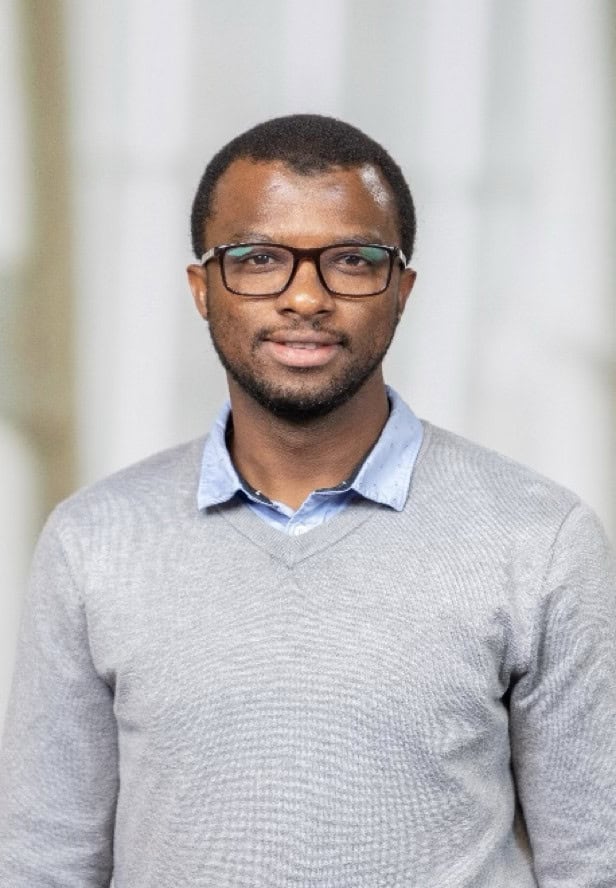
The Journey
Hello, my name is Ibrahima Kaba. I am from Guinea and trained as a medical doctor. I am also the father of a wonderful young boy.
The 2014 Ebola virus disease outbreak in West Africa was a turning point in my professional journey. At the time, I had the opportunity to contribute to the Ebola response in Guinea through the Ministry of Health. I later became involved in Ebola-related research projects. Those experiences exposed me to public health beyond individual patient care and gradually inspired my transition from clinical medicine to public health.
I wanted to better understand diseases at the population level, contribute to prevention and response efforts, and develop specialized expertise in public health. This motivation ultimately led me to pursue advanced training, including an MPH in Biostatistics at the University of Nebraska Medical Center (UNMC).
Fulbright Foreign Student Scholarship Details
I received the prestigious Fulbright Foreign Student scholarship funded by the U.S. Government to pursue two years of graduate study in the United States. Through the scholarship, I completed a Master of Public Health (MPH) with a concentration in Biostatistics at the University of Nebraska Medical Center (UNMC).
Were You Offered Any Other Scholarships?
In 2018, I received my first major international scholarship to study in Mali. The U.S.-funded Fogarty International Center training program supported it and enabled me to pursue a two-year Master of Public Health program. I do not have information on the total monetary value of that award.
Educational Background
In high school, I studied experimental sciences because I had wanted to become a physician from an early age. After completing my baccalaureate, I entered medical school and earned my Doctor of Medicine degree in Guinea.
My medical education gave me a strong foundation in clinical sciences and infectious diseases. My subsequent public health training and professional experiences helped me understand the importance of epidemiology, research, surveillance, and data for improving population health. Together, these experiences prepared me to pursue more advanced quantitative training in biostatistics.
How Did You Prepare to Apply to the University of Nebraska Medical Center?
My preparation was gradual. I first focused on understanding the Fulbright process, the academic expectations of graduate programs in the United States, and the skills I needed to strengthen before applying. English proficiency was especially important because my previous education had primarily been in French.
I also spent time researching graduate programs and thinking carefully about the field that would best complement my background in medicine and public health. Biostatistics became a natural choice because I wanted stronger quantitative skills that I could apply to public health research, disease surveillance, and evidence-based decision-making.
How Did You Find Information About Fulbright Foreign Student Scholarship and University of Nebraska Medical Center?
I first learned more seriously about the Fulbright Program through a friend while I was studying in Bamako, Mali. He was a former Fulbright scholar who was teaching at the university. During one of our conversations, he shared important information about the scholarship and the application process.
After returning to Guinea, I began extensive online research. By 2021, I had started preparing more intentionally for a future Fulbright application. Speaking with someone who had already gone through the process was extremely helpful because it made the opportunity feel more accessible and gave me a clearer understanding of what preparation would be required.
Did You Take Any Standardized Tests? If So, How Did You Prepare for Them? How Did You Prepare?
Yes. I took the TOEFL as part of the Fulbright process. Improving my English and preparing for the TOEFL became one of the most important parts of my preparation, particularly in 2022.
I started by watching many YouTube videos that explained the TOEFL structure, the different sections, and test-taking strategies. I then enrolled in a one-month TOEFL preparation course. Afterward, I used test-preparation software that allowed me to complete simulated exams and receive scores after each practice test.
Repeated practice helped me understand the format, identify areas for improvement, and build confidence before the official test.
How Did You Prepare to Apply for the Fulbright Foreign Student Scholarship?
My preparation went beyond completing the application form. I spent considerable time improving my English, learning about the Fulbright selection process, reflecting on my academic and professional goals, and ensuring my application clearly connected my experience with what I wanted to study.
By the time the application opened, I felt much more confident and prepared. I also benefited greatly from a Fulbright alumnus who reviewed my application, advised me throughout the process, and helped me understand what to expect at different stages. That mentorship was extremely valuable.
How is Your Experience at the University of Nebraska Medical Center?
My experience at UNMC was very positive. The beginning was challenging because I didn't know anyone in Omaha, and I came from a culture where I was used to living close to family, friends, and community.
The university's support made the transition easier. UNMC organized orientation activities before classes began and again shortly before the academic year started. These sessions helped us become familiar with the College of Public Health, faculty, resources, and the university environment.
The Office of Global Engagement also organized activities for international students, including visits to the zoo and museums, sporting events, and cultural gatherings. These were excellent opportunities to meet people from different countries, build friendships, learn about other cultures, and share aspects of my own country and culture. Over time, Omaha and UNMC became a very welcoming environment for me.
How Do You Rate the University of Nebraska Medical Center Academically?
I had a very positive academic experience at UNMC. Before and during my studies, I researched the university and the College of Public Health's standing and reputation in the United States, and I was pleased with the program's quality.
More importantly, my experience confirmed that impression. The program provided rigorous training in biostatistics and public health, access to experienced faculty, and opportunities to apply what we learned to real public health questions. I particularly valued the combination of theoretical training and practical application.
How Does the University of Nebraska Medical Center Support International Students?
UNMC provided meaningful support to international students through orientation, academic resources, and the Office of Global Engagement. The support extended beyond administrative matters. Social and cultural activities helped international students develop connections, discover Omaha, interact with other students, and feel part of the university community.
For someone arriving in a new country without an established social network, these opportunities can make a significant difference in the adjustment process.
What Did You Pursue After the Fulbright Foreign Student Scholarship?
After completing my studies, I returned to Guinea, consistent with the Fulbright program's emphasis on scholars returning home and contributing the knowledge and skills gained during their studies.
I am currently exploring professional opportunities where I can apply my training and experience in public health, epidemiology, biostatistics, data analysis, research, and monitoring and evaluation. The public health job market can be challenging, but I remain focused on opportunities where my clinical background, field experience, and quantitative training can help improve population health in Guinea and beyond.
What Do You Think Made Your Application Stand Out?
I believe my professional experience and how I connected it to my academic goals were key strengths in my application. Before applying, I had already worked in clinical medicine, infectious disease response, public health programs, surveillance, and research, including work related to Ebola and malaria.
Another important factor was demonstrating that I had invested seriously in developing my English proficiency. Coming from a Francophone educational background, pursuing graduate education in an English-speaking environment required deliberate preparation. I believe showing that I was prepared to succeed academically in English, while also presenting a clear vision of how advanced public health and quantitative training would support my long-term goals, strengthened my application.
What Would You Have Done Differently if You Were Going Through the Process Again?
If I were going through the process again, I would probably start earlier and invest even more time in strengthening my English before beginning the application.
That said, I have no regrets about when I applied. I believe my previous professional and academic experiences helped me appreciate the Fulbright opportunity differently and gave me a clearer sense of purpose during my studies. I enjoyed the experience, learned from it, and understood how it fit into my broader professional journey.
What Advice Would You Give Those Looking to Apply for a Similar Scholarship?
My first piece of advice is to review the eligibility requirements and application process carefully. Make sure you understand what is expected, identify any areas you need to strengthen, and give yourself enough time to prepare. There is no need to rush. Prepare seriously and apply when you feel ready.
I also strongly recommend connecting with former scholarship recipients. Alumni can provide valuable guidance about the application process, review your materials, share practical advice, and help you understand what to expect.
I personally had the opportunity to be mentored by a Fulbright alumnus who supported me throughout the application process. He reviewed my application, offered advice at different stages, and stayed available even while I was in the United States whenever I had questions. That kind of mentorship can be incredibly valuable.
Want to submit your
scholarship journey?
Submit Your Story Here!
More Scholarship Recipients
My name is Shah Hussain, and I am from Khyber Pakhtunkhwa, Pakistan. I completed my Bachelor’s in Psychology at the Univer .... Read more
I am June from the Philippines. I am an educator for Social Sciences and Humanities. I recently earned my Master in Southeas .... Read more
Hi, my name is Abdul Hafeez, and I come from a small town called Nasirabad in Sindh, Pakistan. Currently, I am pursuing a ma .... Read more
Leave A Comment