
How Javier Batista Saturno, a Panamanian Scholar, Secured a Funded Master’s at UT Austin Through Fulbright-SENACYT
University: The University of Texas at Austin, United States
Degree: Master of Science in Mechanical Engineering through Fulbright; subsequently secured a fully funded PhD position in prosthetics and biomechanics
Previous Education: Bachelor’s in Electromechanical Engineering, Universidad Tecnológica de Panamá, Azuero regional campus; GPA 2.33/3.00
Scholarship: Fulbright-SENACYT Scholarship: $120,000 over two years, covering a monthly stipend and tuition-related fees
Other Offered Scholarships: Donor-funded departmental fellowship during both years of the master’s; Graduate Research Assistantship (GRA) and an incoming doctoral departmental fellowship at UT Austin for the PhD
Social Media: LinkedIn
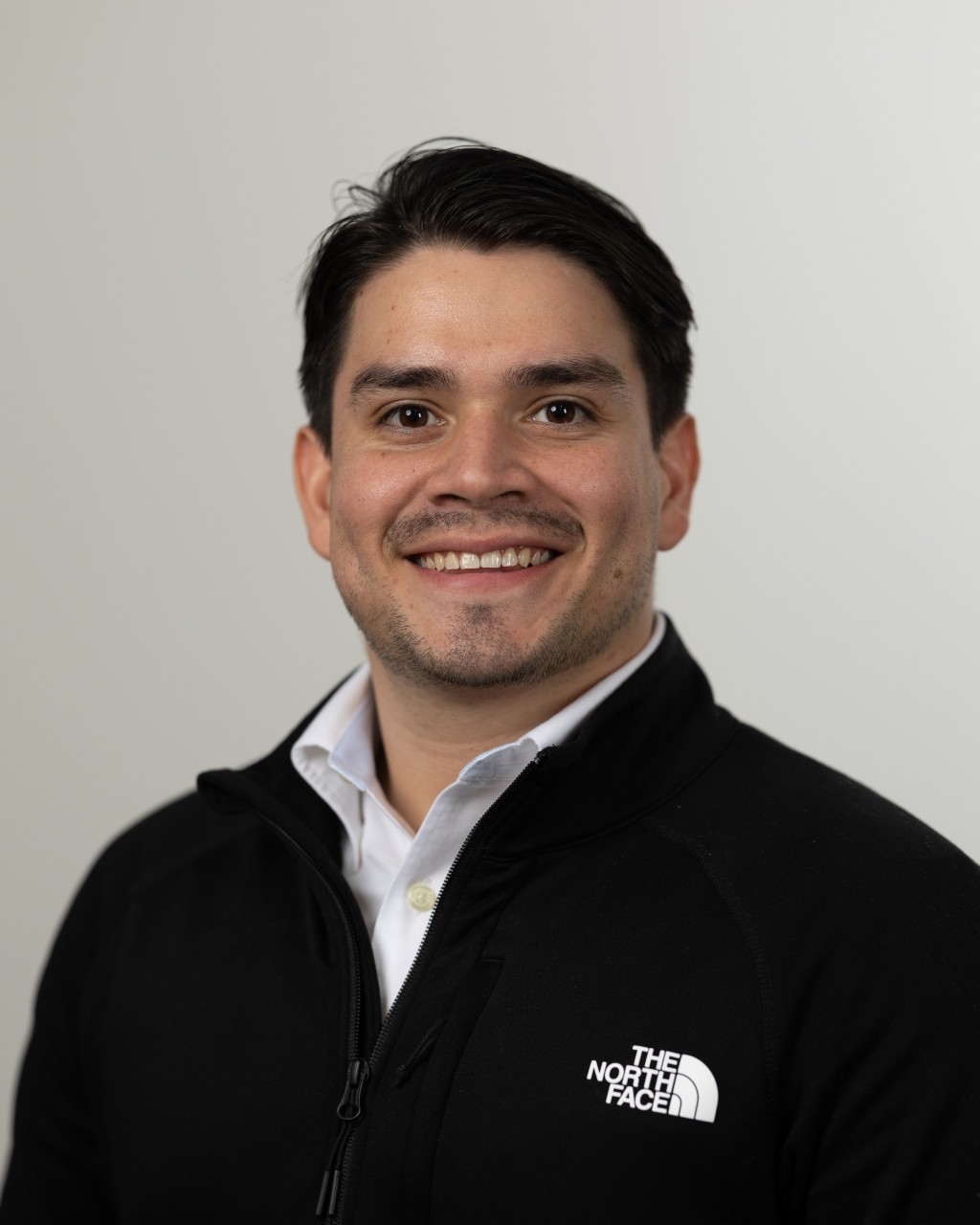
The Journey
My name is Javier Ivan Batista Saturno, and I am from Chitré, a small town in the Panamanian countryside. For my undergraduate studies, I attended the Azuero regional campus of the Universidad Tecnológica de Panamá to major in Electromechanical Engineering—a discipline that, as the name suggests, focuses on the integration of electrical, electronic, and mechanical systems.
This choice was driven by a lifelong interest in designing and building things. I was also interested in robotics, though no dedicated programs were available in Panama at the time. During my senior year, I completed a three-month research internship at the Universidad Nacional Autónoma de México (UNAM), which opened my eyes to what it is like to work in a high-level research laboratory.
After graduating, I worked for a couple of years as a Chief of Maintenance for a real estate company until 2024, when I was awarded a Fulbright Scholarship to pursue a Master of Science in Mechanical Engineering at The University of Texas at Austin. That experience ultimately helped me secure a fully funded PhD position focusing on prosthetics and biomechanics.
Fulbright-SENACYT Scholarship Details
- Fulbright-SENACYT Scholarship
- Two-year master’s degree scholarship
- $120,000 total award covering a monthly stipend and tuition-related fees
Other Offered Scholarships
During both years of my master’s program, I was awarded a donor-funded departmental fellowship. First-year awards are granted to standout incoming students, while second-year renewals require a faculty nomination and an outstanding academic record. For my PhD, in addition to the Graduate Research Assistantship (GRA) funding my work, I received a departmental fellowship awarded to all incoming doctoral students in the Cockrell School of Engineering at UT Austin.
Educational Background
I hold a Bachelor’s degree in Electromechanical Engineering with a cumulative GPA of 2.33 out of 3.00. The most valuable part of my undergraduate journey was joining a research group, which gave me my first hands-on lab experience and helped me realize early on how much I enjoy research. Even though I had no exposure to biomechanics at the time, that experience equipped me with technical and interpersonal skills that later proved essential in strengthening my profile for both job opportunities and scholarship applications.
How Did You Prepare to Apply for The University of Texas at Austin?
A great perk of the Fulbright Scholarship is that they actually handle the university application process for you. Once you receive the award, they ask for your preferred schools, suggest a few of their own, and then submit applications to the programs that best fit your profile.
How Did You Find Information About Fulbright-SENACYT Scholarship and The University of Texas at Austin?
The Fulbright Program is well-known and has been around for a long time, so chances are you already know a current scholar or an alumnus. However, it is crucial to speak with people from your specific country and program, as requirements vary from nation to nation—and there can even be multiple Fulbright programs within the same country.
Did You Take Any Standardized Tests? If So, How Did You Prepare for Them?
Yes, I took both the GRE and the TOEFL. Another fantastic benefit of Fulbright is that they cover the cost of any exam required by your target institutions. In some cases, if your score is just shy of what a university considers competitive, they will even ask you to retake the test—and pay for that as well—because they believe you can hit the target. I personally took both the GRE and the TOEFL twice; even though my initial scores were already competitive, they had me retake them because one of my target universities required a higher TOEFL score.
How Did You Prepare to Apply for the Fulbright-SENACYT Scholarship?
I spoke with alumni, attended informational webinars, and read extensively about the Fulbright Program’s history, mission, vision, and values. I also invested a significant amount of time crafting my essays. It is vital that your statements clearly articulate why you want to attend graduate school and how your degree will contribute to your home country in the future. These questions require deep reflection—vague or generic answers simply will not cut it.
What Did You Pursue After the Scholarship?
After completing my studies, I plan to pursue a career on the clinical side of biomechanics. I want to continue conducting research, though not necessarily within academia.
What Do You Think Made Your Application Stand Out?
It comes down to a few key factors. First, I wrote my essays with a strong grasp of Fulbright’s core purpose, which is cultural exchange rather than just academics. I think I did a solid job conveying that, to me, this opportunity was about much more than classroom training—it was about the broader experience of living and learning as an international student in the U.S.
From a purely academic standpoint, my GPA wasn't exceptional. However, my prior research experience set me apart, as very few students in Panama have had the opportunity to do research or even understand how a lab operates. Finally, I focused my project on a real-world issue that could be solved by leveraging Panama's unique engineering capacity surrounding the Panama Canal, demonstrating that my plan was doable, realistic, and impactful.
What Would You Have Done Differently?
I probably would have reached out to more people beforehand to get a better sense of what studying in the U.S. is really like from the perspective of a Panamanian scholarship recipient.
What Advice Would You Give Those Applying for a Similar Scholarship?
Dedicate serious time to preparing your application. Have someone else review not just your essays, but your underlying ideas, and refine them as much as possible. Before you even start writing, spend time reflecting on what you genuinely enjoy, what you are good at, and where you want to grow. You might not end up with all the answers, but you will certainly feel much more prepared.
Want to submit your
scholarship journey?
Submit Your Story Here!
More Scholarship Recipients
My name is Issatay Jaxykeldinov. I’m from Almaty, Kazakhstan, and I’m a third-year Integrated BBA student at The Chinese .... Read more
My name is Arnold Sidiprasetija, and I am from Indonesia. I received the 2026 Global Korea Scholarship to pursue a master's .... Read more
My name is Andrew Bandawe, and I am from Mozambique. I grew up in Niassa Province, a remote setting where access to opportun .... Read more
Leave A Comment