
University of Osaka Scholarships for International Students 2027
If you are planning your budget for University of Osaka, these scholarships are a practical place to start. The list is prioritized by typical funding strength.
If you are focusing on university provided awards tied to University of Osaka, the following scholarships are commonly among the most impactful options. With International College Scholarship, students may receive partially funded support, and coverage frequently includes a monthly stipend of 80,000 yen.
External and government scholarships can complement university funding for University of Osaka students. The following options are often reviewed alongside campus awards. A strong option is Japanese Government (MEXT) Scholarship which is fully funded and often covers tuition fees, ¥143,000 to ¥145,000 per month for research students, and ¥117,000 for undergraduate students.
More scholarships connected to this institution are listed further down. Scroll to explore the full set of opportunities.
University of Osaka Scholarships for International Students
The scholarships at University of Osaka can help fund your study expenses. There are currently 3 scholarships being offered to international students at the University of Osaka, all with varying requirements, benefits, and application processes. We have compiled them in this list to help you find the scholarship that best fits you.
Undergraduate Scholarships
External Scholarships
There are many degrees that are open to international students right now — find yours.
University of Osaka Admissions
Here are the official admission pages for University of Osaka:
| Degree | Admissions Pages |
|---|---|
| Bachelor's | International Students Admissions Page |
| Master's | International Students Admissions Page |

University of Osaka Application Deadlines
| Degree | Admission Deadline |
|---|---|
| Bachelor's | January 5, 2026 Different Bachelor's programs have different deadlines |
| Master's | July 17, 2026 Different Master's programs have different deadlines |
Tuition Fees at University of Osaka for International Students
Indicative annual tuition fee ranges for international students at University of Osaka. Exact fees vary by program, so always confirm the current cost on the university's official tuition fee pages.
| Degree Level | Typical Annual Range |
|---|---|
| Bachelor's Tuition | 535,800 Yen |
| Master's Tuition | 535,800 – 804,000 Yen |
Please note that tuition fees can vary based on the specific program you choose. For the most accurate and current fee information, consult the official tuition fee pages linked above.
University of Osaka Scholarship Recipients
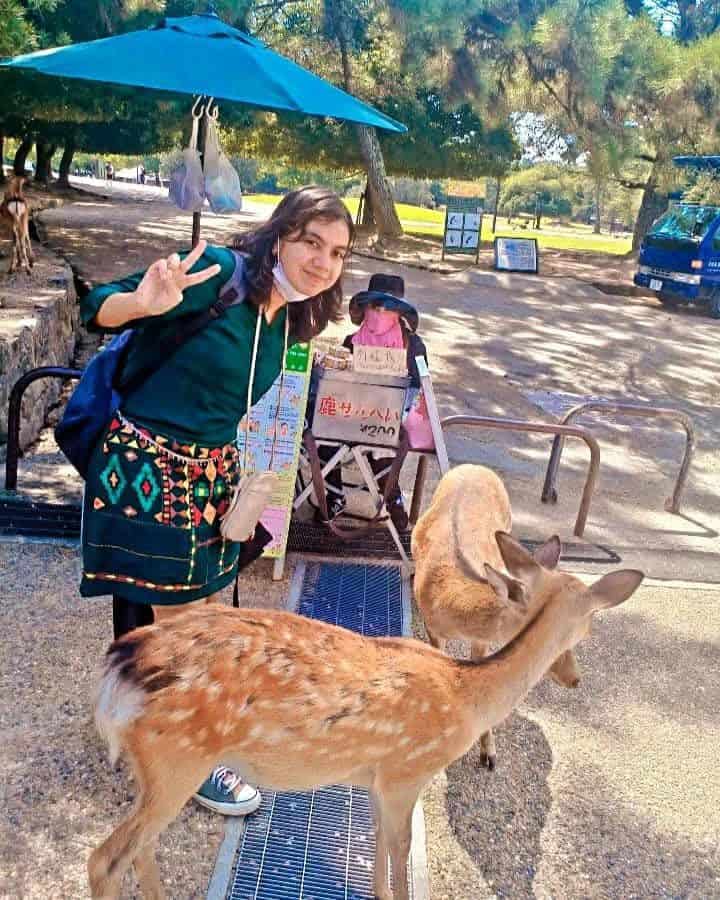
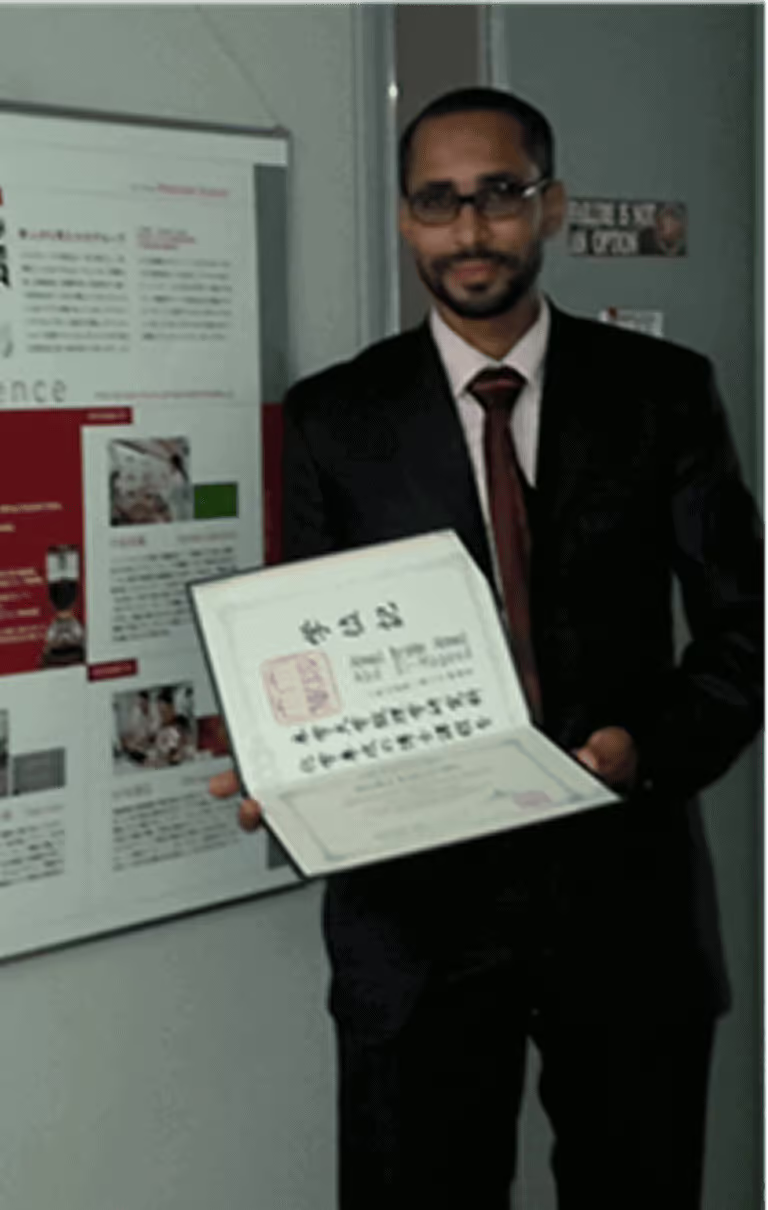
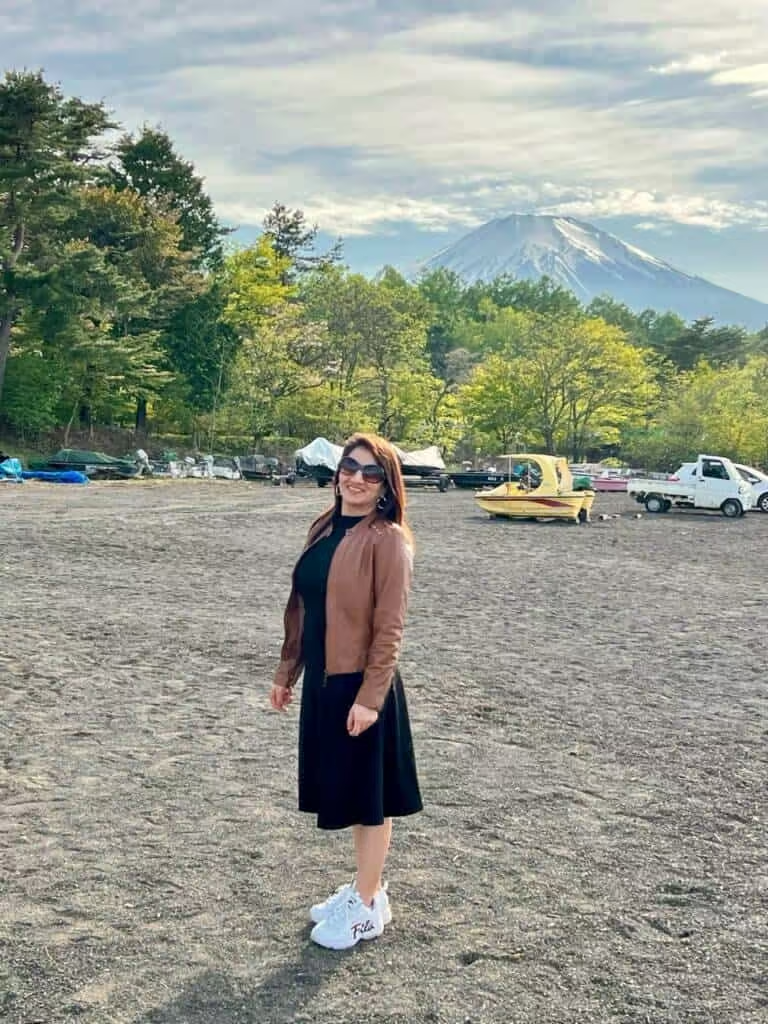
International students who received scholarships to study at University of Osaka, documented by Global Scholarships.


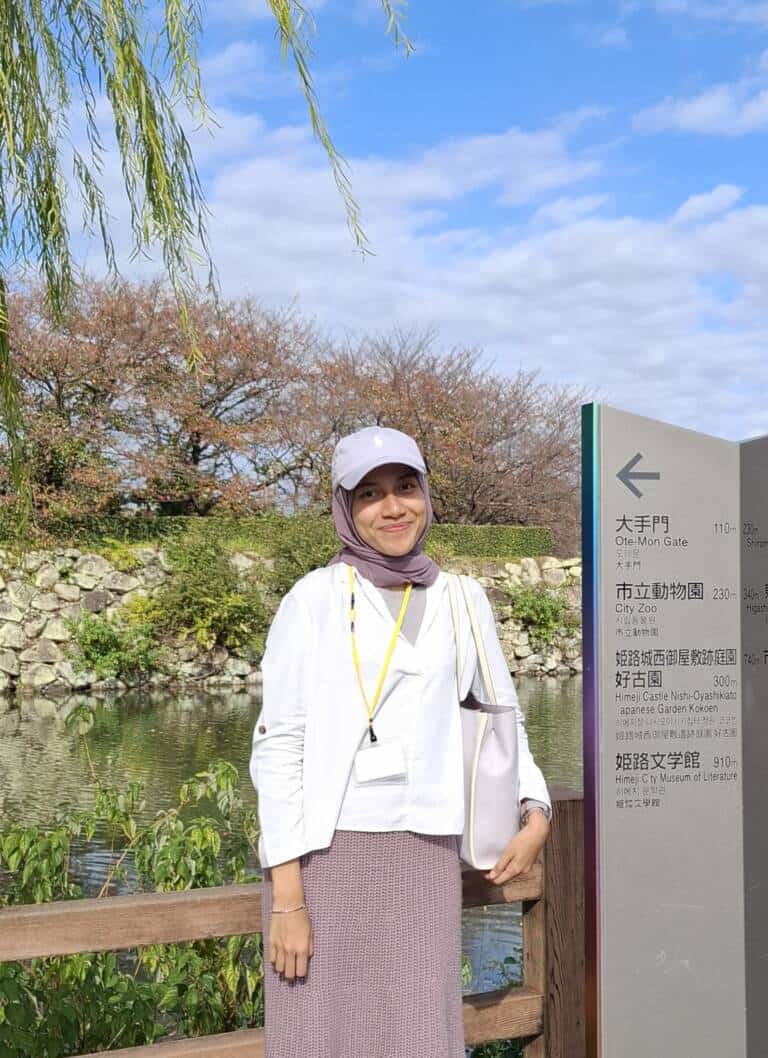
Scholarship Recipient Insights at University of Osaka
The stories reviewed include 9 degree-study accounts.
Featured Recipients by Nationality
| Nationalities | Stories per nationality |
|---|---|
| Pakistani | 3 each |
| Bangladeshi, Egyptian, Indian, Indonesian, Nepali, Peruvian | 1 each |
Degree Levels and Subjects
| Degree level | Stories | Subjects |
|---|---|---|
| Master’s | 3 | Biotechnology; Information System Engineering; Photonic Integrated Networks, Sensors and Circuits (joint-master’s mobility) |
| PhD | 6 | Energy Systems; International Public Policy; Chemistry (Nanomaterial Science); Environmental Engineering; Biological Sciences |
Funding Routes Reported by Featured Recipients
| Funding route | Stories | Recipients |
|---|---|---|
| MEXT Scholarship | 8 | Dr. Usama Perwez, Kartika, Manish Jung Pulami, Neha Dhiman, Mazhar Iqbal, Dr. Ahmed Ibrahim, Jorge Enrique Ascencio-Damian, Fahima Tabassum |
| Osaka University Scholarship | 1 | Dr. Ahmed Ibrahim |
| Joint Supervision Scholarship (Egypt) | 1 | Dr. Ahmed Ibrahim |
| Erasmus Mundus Joint Masters Scholarship | 1 | Asim Zulfiqar |
Reported Funding Coverage
| Recipient and degree/program | Reported coverage |
|---|---|
| Dr. Usama Perwez — PhD in Energy Systems | MEXT award in 2019 covered tuition, living expenses and return airfare. |
| Kartika — Master’s in Biotechnology, enrolled October 2024 | Reported JPY 144,000 monthly stipend plus a JPY 3,000 city allowance; found the stipend sufficient for her living expenses. |
| Mazhar Iqbal — Master’s in Information System Engineering | MEXT Embassy Track 2024 covered tuition, about JPY 147,000 monthly support and round-trip airfare. |
| Dr. Ahmed Ibrahim — PhD in Chemistry (Nanomaterial Science), completed 2016 | Egyptian Joint Supervision Scholarship, April 2013–March 2015: living costs and flights for him and his family. University scholarship, October 2013–September 2015: tuition and enrollment-fee exemption. MEXT, April 2015–September 2016: tuition and living expenses. |
| Asim Zulfiqar — Joint Master’s in Photonic Integrated Networks, Sensors and Circuits, September 2020–2022 | During the final Japan semester, reported EUR 500 monthly support, dormitory rent of about JPY 27,000 and other monthly expenses around EUR 200–300. |
Examples of Featured Recipients’ Application Backgrounds
| Recipient and degree/program | Scholarship/application route | Reported background and preparation |
|---|---|---|
| Dr. Usama Perwez — PhD in Energy Systems | MEXT | Mechanical Engineering bachelor’s and master’s; President’s Gold Medal. Prior EnergyPlus, R and HOMER Pro research supported an energy-systems proposal and references from academic mentors. |
| Kartika — Master’s in Biotechnology, October 2024 | MEXT, Special Program for University Recommendation | Biology graduate from University of Indonesia, GPA 3.71/4.00. Recombinant protein production in E. coli matched the prospective lab; graduated in seven semesters and contacted the professor with supervisor encouragement. |
| Manish Jung Pulami — Doctoral research in International Public Policy | MEXT, embassy recommendation | Gold-medal master’s in International Relations and Diplomacy from Tribhuvan University, followed by an MPhil at South Asian University and several research publications. |
| Neha Dhiman — PhD studies | MEXT, embassy track | B.Pharmacy and M.Pharmacy background; completed nationally competitive entrances and a GPAT-supported master’s. Worked as a research associate while MEXT screening was ongoing. |
| Mazhar Iqbal — Master’s in Information System Engineering | MEXT, embassy track in Pakistan | Software Engineering bachelor’s, 2021; published final-year food-freshness sensor project, Android development work and Computer Science teaching at FAST NUCES. Personalized supervisor emails with his CV and research plan. |
| Dr. Ahmed Ibrahim — PhD in Chemistry (Nanomaterial Science) | MEXT, university and Egyptian joint-supervision support | Chemistry bachelor’s with top honors, 2006, and Colloid Chemistry and Nanotechnology master’s, 2011. Prepared a research-focused CV, statement and recommendations from professors who knew his work. |
| Jorge Enrique Ascencio-Damian — PhD in Environmental Engineering | MEXT postgraduate route | Previous Japanese-university training helped him understand the research environment and formulate a stronger proposal on pollution remediation. |
| Fahima Tabassum — PhD in Biological Sciences | MEXT | Pharmaceutical Sciences bachelor’s at DIPSAR, University of Delhi; Biomedical Sciences master’s at Shimane University. Prior cell culture, viability assays and drug-efficacy work informed her lab search and proposal. |
| Asim Zulfiqar — Joint Master’s in Photonic Integrated Networks, Sensors and Circuits | Erasmus Mundus PIXNET | Electronic Engineering bachelor’s, 2018, freelance IoT work and STEM instruction. Consulted alumni and connected his IoT tutorials to program content when drafting the application. |
How Recipients Met Language Requirements
| Language requirement route | Stories / total degree-study stories | Recipients and examples |
|---|---|---|
| TOEFL | 2/9 | Neha Dhiman — PhD studies: passed TOEFL required for graduate enrollment; Jorge Enrique Ascencio-Damian — PhD in Environmental Engineering: took TOEFL for the postgraduate scholarship. |
| IELTS application evidence | 2/9 | Manish Jung Pulami — Doctoral research in International Public Policy: 8.0; Mazhar Iqbal — Master’s in Information System Engineering: 6.5. |
| Embassy English and Japanese written assessments | 1/9 | Manish Jung Pulami — Doctoral research in International Public Policy: passed written language exams before the embassy interview. |
English-taught programs / stories reporting teaching language: 3/3.
Teaching Language and Firsthand Academic Experience
| Recipient and degree/program | Reported instruction and experience |
|---|---|
| Dr. Usama Perwez — PhD in Energy Systems | Program in English. Urban Energy System Lab research modeled renewable integration and efficient buildings, communities and cities; supervisor encouraged survival Japanese. |
| Kartika — Master’s in Biotechnology, October 2024 | Program fully English; Japanese was sometimes used among students or professors in classes and seminars. Highlighted journals, libraries and laboratory facilities, while describing intense peer competition. |
| Dr. Ahmed Ibrahim — PhD in Chemistry (Nanomaterial Science), 2016 | Program in English, including coursework and dissertation access. Research used scanning tunneling and atomic force microscopy to study nanocarbon surfaces and molecular self-assembly. |
| Manish Jung Pulami — Doctoral research in International Public Policy | Supervisor and peers encouraged a move from qualitative work to large-scale quantitative data analysis. |
| Fahima Tabassum — PhD in Biological Sciences | Histology and morphology research involved microtomy, tissue staining and histological observation. Said English was sufficient academically; described supportive mentors and the challenges of adapting abroad. |
| Asim Zulfiqar — Joint Master’s in Photonic Integrated Networks, Sensors and Circuits | Completed final mobility semester in Japan; used translation tools and some Japanese classes for daily life. His program-wide assessment was that technical content suffered during online teaching and travel restrictions. |
Interview and Entrance Examination Experiences
| Recipient and route | Reported experience |
|---|---|
| Kartika — Master’s in Biotechnology; MEXT university recommendation | Initial professor-and-associate-professor interview was followed by a separate oral entrance examination with ten professors on biotechnology and biochemistry. She had expected a general interview and found the subject exam unexpectedly demanding. |
| Manish Jung Pulami — Doctoral research in International Public Policy; MEXT embassy route | Two interviewers asked about research goals, motivation and long-term plans after the written exams. |
| Fahima Tabassum — PhD in Biological Sciences; MEXT | Interview focused on motivation, long-term goals and research understanding. Practiced explaining research simply and reviewing previous work. |
Application Timelines Reported by Recipients
| Recipient and degree/program | Application or scholarship route | Reported application timeline |
|---|---|---|
| Kartika — Master’s in Biotechnology | MEXT, Special Program for University Recommendation | Around March 2023: began preparation and supervisor contact → November 2023: submitted printed graduate-school documents → about two months later: oral entrance exam → a month later: acceptance as a MEXT nominee → early July 2024: official result → October 2024: enrollment. |
| Manish Jung Pulami — Doctoral research in International Public Policy | MEXT, embassy recommendation | Document screening → written Japanese/English exams → embassy interview → provisional-acceptance requests to Japanese universities → several months of waiting → scholarship confirmation; reported living in Japan since April 2024. |
Other Offers in Featured Applicants’ Journeys
| Recipient | Reported alternative | Decision described in the story |
|---|---|---|
| Mazhar Iqbal | Tokyo Metropolitan University and Nagoya University acceptance offers during MEXT selection | Chose Osaka for its research community and fit with AI, computer vision and 3D vision interests. |
What Recipients Pursued After Studying at University of Osaka
| Recipient | Degree/program at University of Osaka | Reported outcome |
|---|---|---|
| Dr. Usama Perwez | PhD in Energy Systems | Reported becoming Associate Head of Mechanical Engineering at National University of Sciences and Technology in Pakistan. |
| Dr. Ahmed Ibrahim | PhD in Chemistry (Nanomaterial Science), 2016 | Became a faculty fellow/assistant professor at Osaka, then reported associate-professor roles at GALALA University and Minia University in Egypt. |
| Asim Zulfiqar | Joint Master’s in Photonic Integrated Networks, Sensors and Circuits, completed 2022 | After finishing the program in Japan, obtained an IoT research job in Germany; later began a PhD in Energy Management for Smart IoT Devices at Technical University of Munich alongside work. |
What Scholarship Recipients Say
Advice and insights from international students who successfully secured funding to study at University of Osaka.
"I was awarded the 2019 MEXT Research Scholarship for my PhD at Osaka University, which covered full tuition, living expenses, and a return airfare."
"My advice to any prospective applicant is to start preparing early and make sure your proposal is detailed, realistic, and aligns with your academic background."
"My name is Kartika, an Indonesian student currently pursuing a Master’s degree in Biotechnology at the Graduate School of Engineering, Osaka University."
"My experience at Osaka University has been highly rewarding, both academically and personally."
"Currently, I am a final-year PhD student at Osaka University, one of the prestigious universities in the world."
"After evaluating the research environment and available opportunities, I chose Osaka University as the best fit for my academic and professional aspirations."
Frequently asked questions
Common questions about scholarships, admissions, and studying at University of Osaka.
Most Osaka University scholarships are designed for students who are officially enrolled in degree programs (so “online-only” scholarships are uncommon)
Both. Osaka University has “courses and programs conducted totally in English” (so you can “attend and graduate using only English”), especially under the Global 30 framework. At the same time, many regular programs and daily campus life run primarily in Japanese, and some programs mix the two.
That matches what scholarship recipients reported: Kartika said her master’s program “is fully conducted in English,” and Dr. Usama Perwez also described studying in an English-medium program (while still recommending learning Japanese for daily life).
It depends on the scholarship. For the Japanese Government (MEXT) Scholarship, age limits are clearly defined. Other Osaka University scholarships are usually based on enrollment status and academic merit rather than age, but each scholarship can set its own conditions.
Generally, scholarships at Osaka University are available across a wide range of fields (STEM, humanities, social sciences, and interdisciplinary programs). MEXT, for example, expects you to apply in (or closely related to) the field you previously studied, and Osaka University also has school-specific awards (including humanities-focused tuition support).
It depends on the scholarship. For MEXT, applicants generally must hold the nationality of a country that has diplomatic relations with Japan (and screening happens through the Japanese diplomatic mission). In the Osaka University scholarship-recipient stories alone, you can see wide nationality diversity: e.g., Pakistan (Mazhar), India (Neha), Nepal (Manish), Indonesia (Kartika), and Egypt (Dr. Ahmed Ibrahim).
Often yes, but it depends on your program’s language of instruction. In the recipient stories, English tests were common: Mazhar Iqbal mentioned an IELTS score of 6.5, Manish Jung Pulami shared an IELTS score of 8.0, Kartika said IELTS is “usually a minimum of 5.5,” and Neha Dhiman noted that TOEFL was required to enroll.
For Japanese-taught programs, Japanese ability can matter a lot, and MEXT pathways can include structured Japanese language study after arrival (especially for undergraduate scholarship students).
Minimum grade expectations vary by graduate school/program and by scholarship type, so there isn’t one universal GPA cut-off for “Osaka University scholarships.” That said, scholarship winners often show strong academics. For example, Kartika reported a GPA of 3.71/4.00 and emphasized that a strong research proposal matters. On the other hand, Mazhar Iqbal encouraged applicants that “even if your academic scores aren’t perfect,” other strengths (like fit and research planning) can help.
A “good” background usually looks like: solid grades, a clear academic direction, and proof you can succeed in your intended lab/program. The Osaka University MEXT recipients gave concrete examples: Kartika paired a high GPA with a focused research direction; Manish described preparing carefully (including language scores) and aligning with a doctoral research path; and Mazhar stressed the value of emailing potential supervisors with a strong CV and research plan.
It depends on your pathway (direct admission vs. MEXT). For MEXT at Osaka University, required documents commonly include an application form, a “Field of Study and Research Plan,” academic transcripts, graduation/degree certificates, recommendation letter(s), and a medical certificate (and language certificates if you have them). In the stories, documents also came up very practically: Mazhar described preparing items like a research plan, transcripts, and recommendation letters, and Manish similarly emphasized documentation plus test scores.
Osaka University also notes that application forms can be in English or Japanese, and that required essays/learning plans vary by school and program, so always double-check the exact list for your graduate school.
Often yes, for admissions. Fees vary by status and graduate school. Scholarship applications themselves (like MEXT screening through an embassy route) typically do not charge an additional “scholarship fee,” but you may still face university admissions-related fees depending on the route and category you apply under. Check the latest guidelines for the updated information.
There are many degrees that are open to international students right now — find yours.
About the Author: Hyun Lee


I would like to apply for Bachelor of Data Science at this university
Osaka University does have computer science, and you probably can focus on data science within computer science. Here’s the list of undergraduate program at Osaka. It is taught in Japanese, just fyi