
Danish Government Scholarships for highly qualified non-EU/EEA students 2027 (Fully Funded)
As a way to alleviate the financial responsibilities of international students, the Danish Government decided to offer a limited number of scholarships each year to outstanding applicants who wish to earn their education in the country. This program allows the country to not just financially assist talented students overseas but also proposes an opportunity for the Danish community to prosper in the coming years through its strong international linkages. The Danish Government Scholarship serves as the country’s dedication to amplify the presence of its international students and encourage more aspiring learners to achieve their study abroad dreams.
Danish Government Scholarships for highly qualified non-EU/EEA students Coverage
This government fully funded scholarship for international students covers the following:
-
Up to full tuition fee waivers
-
Grants toward living expenses
Danish Government Scholarships for highly qualified non-EU/EEA students Eligibility Criteria
To be eligible for Danish Government Scholarships for highly qualified non-EU/EEA students, you need to meet the following criteria:
- Citizens or permanent residents of a country outside the EU/EEA/Swiss areas
- Enrolled in a full-time degree
- Legally granted the right to stay in Denmark for a certain period of time only due to education
- NOT seeking admission to an Artistic Higher Education Institution
For detailed requirements, refer to the official eligibility page .
Eligible degree levels
Eligible programmes
Eligible nationalities
Important Notice
Disclaimer
It is best to consult first with the institution since they may set up different coverage, eligibility, requirements, and deadlines.
How to Apply
In this section, we'll provide a clear general overview of requirements and steps to guide you through the application process for Danish Government Scholarships for highly qualified non-EU/EEA students.
To apply for Danish Government Scholarships for highly qualified non-EU/EEA students, please follow these steps:
-
Go to the official website of your chosen university.
-
Check if they offer Danish Government Scholarships to international students.
-
Apply for admission to the university, stating your interest in the scholarship.
-
Prepare the supporting documents needed.
-
Submit your admission application together with the necessary documentation before the deadline.
Important Note: The application procedures and required documents for Danish Government Scholarships for highly qualified non-EU/EEA students may vary depending on your degree, program, nationality and other factors. For specific details regarding the requirements, kindly visit the official website of Danish Government Scholarships for highly qualified non-EU/EEA students.
Application Deadlines
Now that you’re familiar with the application procedure, it’s time to know the application dates! Knowing the dates for Danish Government Scholarships for highly qualified non-EU/EEA students will help you prepare early and it will also give you the time you need to put together a competitive application.
Application deadlines vary
The application deadlines for Danish Government Scholarships for highly qualified non-EU/EEA students vary. It’s important to review official guidelines on the official website or contact administrators for specific deadlines. Make sure to regularly check the Danish Government Scholarships for highly qualified non-EU/EEA students page for the latest and most accurate information on application deadlines.
Danish Government Scholarships for highly qualified non-EU/EEA students Eligible Institutions
The eligible institutions for Danish Government Scholarships for highly qualified non-EU/EEA students are listed below:
Danish Government Scholarships for highly qualified non-EU/EEA students Recipients
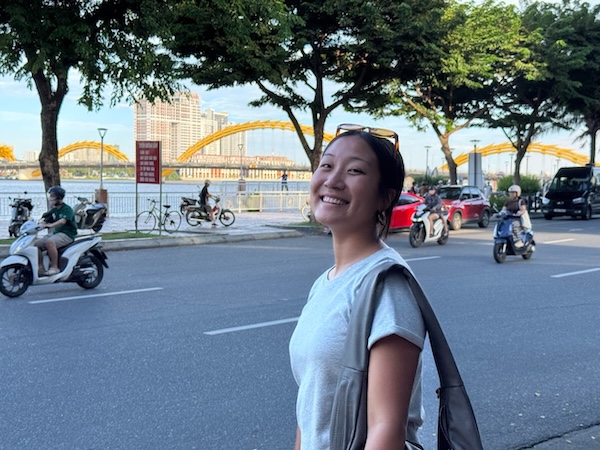
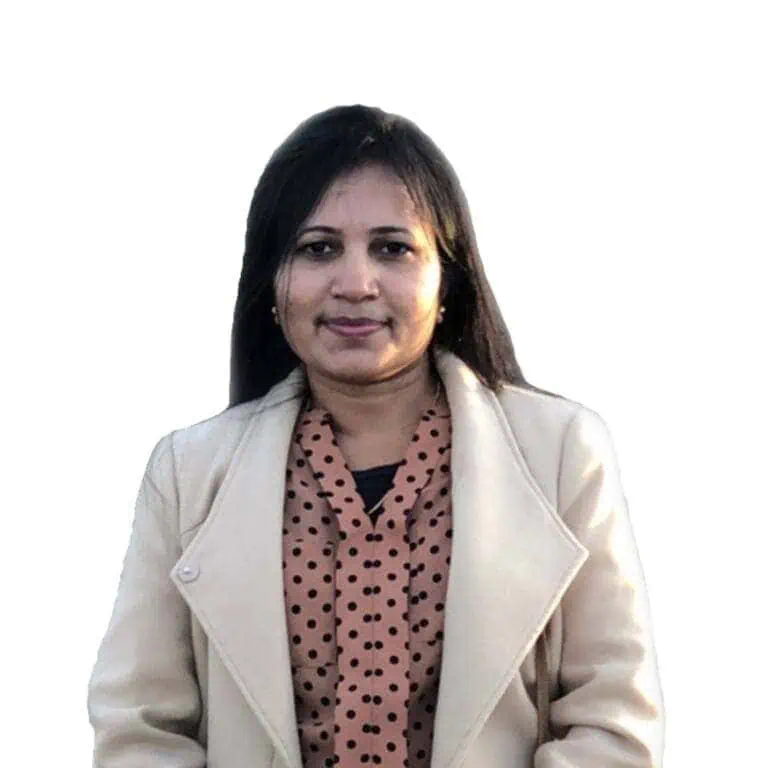
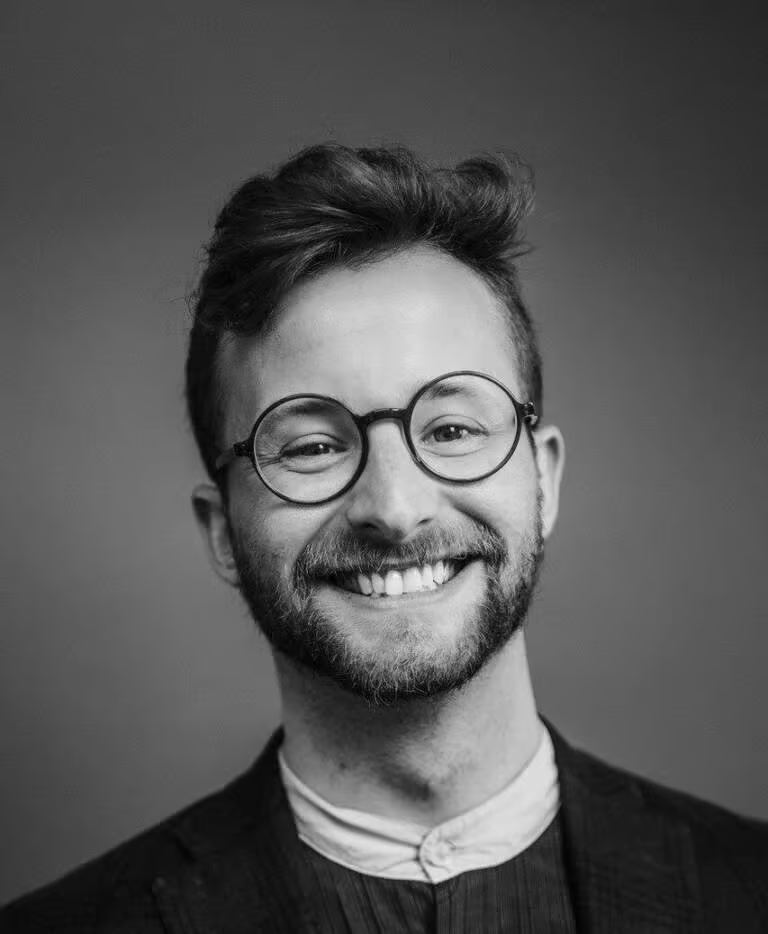
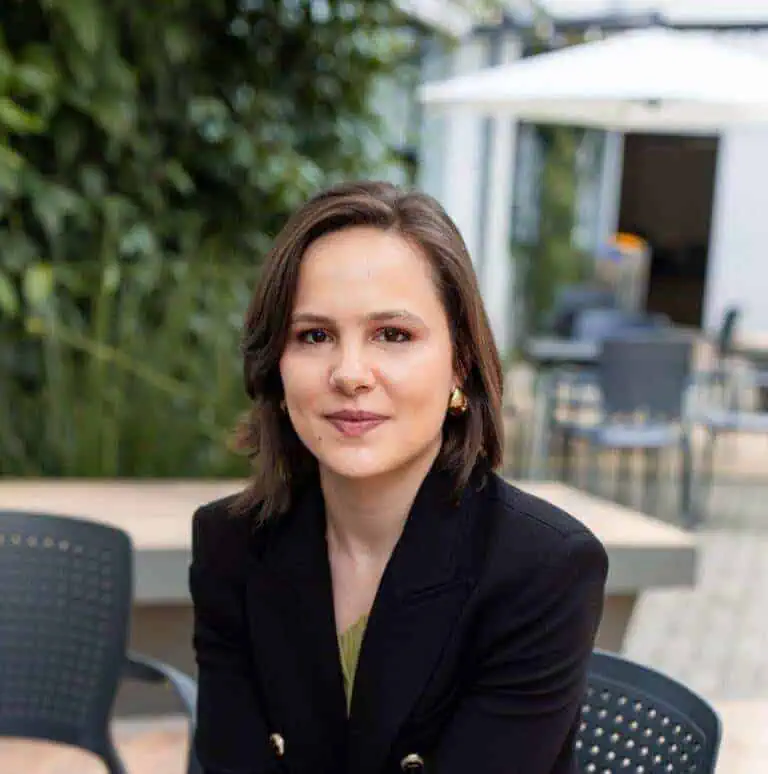
Meet students who have received Danish Government Scholarships for highly qualified non-EU/EEA students and learn how they secured their award.

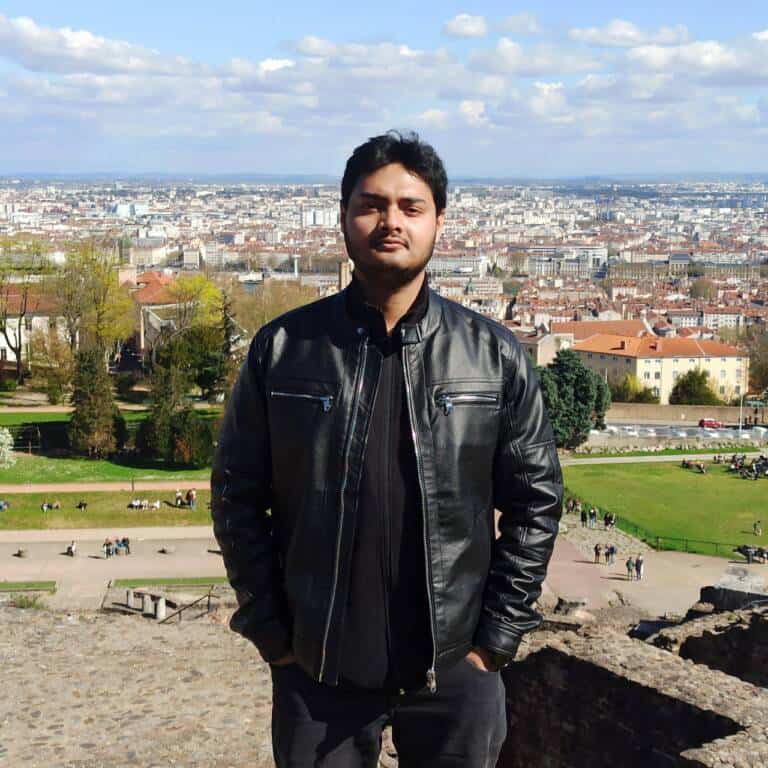
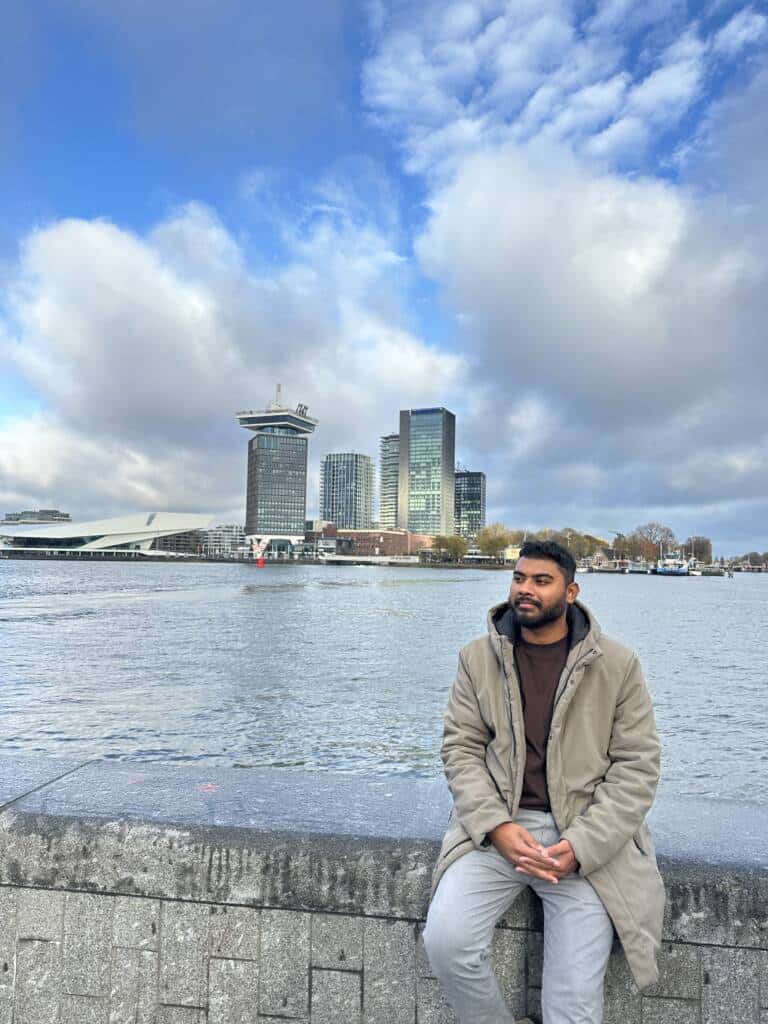
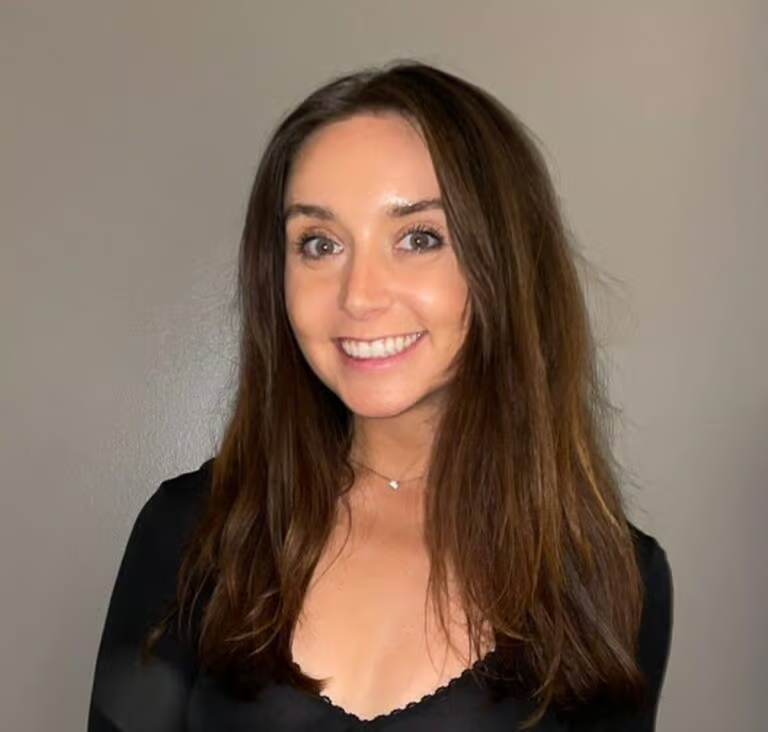
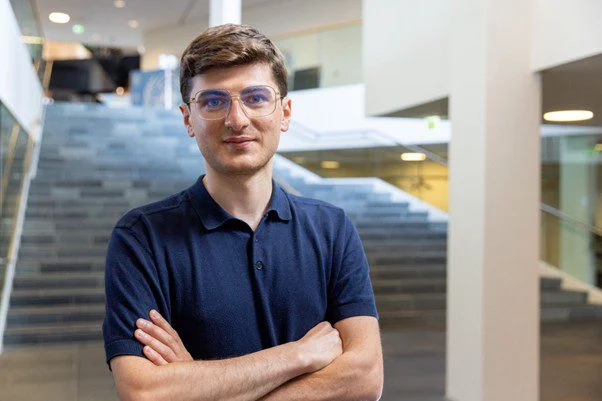
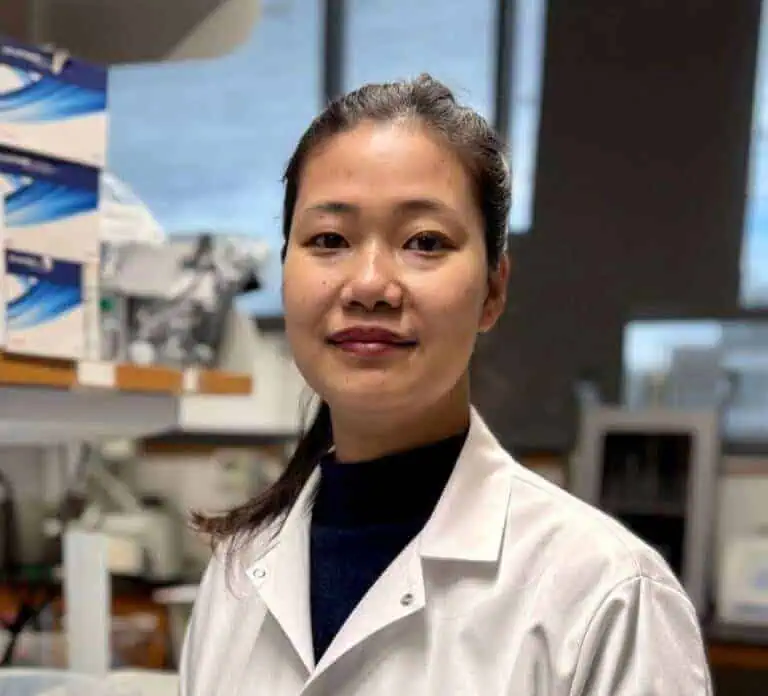


Danish Government Scholarship Recipient Insights
Nine featured stories describe master’s study supported by the Danish Government Scholarship. They cover University of Copenhagen, Aalborg University, Aarhus University and the University of Southern Denmark.
| Nationalities | Stories per nationality |
|---|---|
| American, Bangladeshi | 2 each |
| Argentinian–Mexican, Canadian, Chinese, Nepali | 1 each |
| Degree level | Stories | Subjects |
|---|---|---|
| Master’s | 9 | Culture, Communication and Globalization; Economics and Business Administration / Information Management; Electronics; Global Health; Pharmaceutical Sciences; Physics of Complex Systems; Security Risk Management |
Funding Reported by Recipients
| Recipient and degree/program | Reported coverage |
|---|---|
| Mohammad Tanvir Rahman — Master’s in Economics and Business Administration, specializing in Information Management, Aarhus University | Full tuition waiver and DKK 9,670 per month throughout his studies, plus one additional month’s stipend before studies began to help with relocation and accommodation deposits. |
| Tomás Basile — Master’s in Physics of Complex Systems, University of Copenhagen | Full tuition coverage and approximately DKK 10,000 per month before tax; he reported receiving around DKK 7,900 after tax. His teaching-assistant work provided supplementary income. |
| Mina — Master’s in Global Health, University of Copenhagen | Second-year tuition coverage of DKK 130,000 and ten monthly stipend payments of DKK 10,711, totaling DKK 237,110. |
| Meina Jia Sandal (2016–2018) — Master’s in Culture, Communication and Globalization, Aalborg University | Full tuition waiver for her master’s. Her subsequent employed PhD position was separate funding. |
| Faith Klijian — Master’s in Security Risk Management, University of Copenhagen | Full tuition for two academic years and a monthly stipend for 22 months. |
Examples of Featured Recipients’ Application Backgrounds
| Recipient and degree/program | Scholarship/application route | Reported background and preparation |
|---|---|---|
| Mohammad Tanvir Rahman — Master’s in Economics and Business Administration, specializing in Information Management, Aarhus University | Admission and scholarship application at Aarhus University | Bachelor’s in Management Information Systems with a 3.81/4.00 CGPA; professional experience in a financial institution and a bank; second runner-up in a business case competition. Submitted academic records, professional-experience evidence, IELTS documentation, a CV and a motivation letter. |
| Mohiuddin Mahbub — Master’s in Electronics, University of Southern Denmark | Master’s application for the Sønderborg campus of the University of Southern Denmark | Electrical and Electronic Engineering bachelor’s with a 3.98/4.00 CGPA, a gold medal and two Dean’s List awards. His undergraduate thesis was published at a 2018 conference, and he gained electrical-engineering experience conducting energy audits. Tailored his CV and statement to each program. |
| Tomás Basile — Master’s in Physics of Complex Systems, University of Copenhagen | Automatic scholarship consideration with the master’s admission application | Physics bachelor’s from National Autonomous University of Mexico with a 9.93/10 GPA, highest in his cohort. Had undergraduate thesis and quantum-computing research experience; the two associated articles were published after his scholarship award. |
| Emma Tkach — Master’s in Global Health, University of Copenhagen | Master’s admission followed by a second-year merit award | Biology and Psychology bachelor’s from University of Victoria with a 3.7/4.0 GPA. Submitted a CV, statement of interest, transcripts, and descriptions and grades for ten relevant undergraduate courses. |
| Faith Klijian — Master’s in Security Risk Management, University of Copenhagen | Automatic consideration with an eligible master’s application | Bachelor’s degrees in Criminology, Law, and Society and Psychological Science from University of California, Irvine, with International Studies and Sociology minors. Her preparation included global-peace and nuclear-security research, teaching and mentoring, and an earlier exchange semester at University of Copenhagen. |
How Recipients Met Language Requirements
| Language requirement route | Stories / total funded degree-study stories | Recipients and examples |
|---|---|---|
| IELTS taken for the master’s application | 2/9 | IELTS taken for the application (Mohammad Tanvir Rahman, Mohiuddin Mahbub). Mohammad Tanvir Rahman reported meeting the required score for Aarhus University. |
| TOEFL iBT for master’s admission | 1/9 | TOEFL iBT 112/120 (Tomás Basile). |
| Previous education accepted for the host’s English requirement | 1/9 | Canadian bachelor’s degree accepted for the English-language requirement at University of Copenhagen (Mina). |
Application Timelines Reported by Recipients
| Recipient and degree/program | Application or scholarship route | Reported application timeline |
|---|---|---|
| Tomás Basile — Master’s in Physics of Complex Systems, University of Copenhagen | Master’s admission and automatic scholarship consideration at University of Copenhagen | Submitted in January 2023; received both admission and scholarship confirmation in April; began studies in September 2023. |
| Emma Tkach — Master’s in Global Health, University of Copenhagen | Second-year scholarship at University of Copenhagen | Received the award in autumn 2023 at the start of her second year; the stipend covered September through June, and she graduated in 2024. |
Language of Scholarship-Funded Study
At Aalborg University, Meina Jia Sandal reported that all master’s courses and seminars were in English. The featured University of Copenhagen master’s accounts also describe English-taught study (Emma Tkach, Faith Klijian, and 4 others). At Aarhus University, Mohammad Tanvir Rahman reported that his Information Management classes and lectures were in English.
What Recipients Pursued After Their Scholarship-Funded Studies
| Recipient | Scholarship-funded degree/program | Reported outcome or current status |
|---|---|---|
| Meina Jia Sandal (2016–2018) | Master’s in Culture, Communication and Globalization, Aalborg University | Completed: PhD in Global Studies at Aarhus University in 2023, followed by one year as a postdoctoral researcher at University of Copenhagen. |
| Rama Prajapati | Master’s in Pharmaceutical Sciences, University of Copenhagen | Completed: PhD in Pharmacy at Complutense University of Madrid. Current role: postdoctoral researcher at University of Connecticut. |
| Mohiuddin Mahbub | Master’s in Electronics, University of Southern Denmark | Current role: Test Engineer at Danfoss Power Electronics in Denmark. |
| Zachary Gavry | Master’s in Global Health, University of Copenhagen | Current status: working in life science in Copenhagen and holding permanent residence in Denmark. |
| Emma Tkach | Master’s in Global Health, University of Copenhagen | Completed: graduated in 2024. Current work: research, where she reports applying the program’s practical, collaborative and communication skills. |
| Mina | Master’s in Global Health, University of Copenhagen | Completed: graduated in June 2026. Current role: research assistant focusing on public-health interventions for diabetes and non-communicable diseases. |
Other Offers in Featured Applicants’ Journeys
| Recipient | Reported alternative | Decision described in the story |
|---|---|---|
| Faith Klijian — Master’s in Security Risk Management, University of Copenhagen | Half Tuition Scholarship at University of Helsinki; a merit-based endowment and graduate admission at Georgetown University | Declined both alternatives and chose the full Danish Government Scholarship. |
| Mohiuddin Mahbub — Master’s in Electronics, University of Southern Denmark | 100% tuition waivers from University of Turku, University of Oulu, Tampere University, Lappeenranta–Lahti University of Technology LUT, Uppsala University; a full Erasmus Mundus scholarships offer for Renewable Energy in the Marine Environment (REM Plus). | Chose the Danish Government Scholarship for Electronics at the University of Southern Denmark. |
| Tomás Basile — Master’s in Physics of Complex Systems, University of Copenhagen | Erasmus Mundus scholarships for Quantum Technologies and Applied Mathematics, each covering tuition and a EUR 1,400 monthly stipend for two years. | Explicitly declined the alternatives because the Copenhagen program better suited him and he preferred staying in one city to moving between hosts. |
Applicants Who Declined This Scholarship
| Applicant and intended degree/program | Offer from Danish Government Scholarship | Alternative chosen | Reason described in the story |
|---|---|---|---|
| Shilpi Kundu — graduate-study offer at University of Copenhagen | Danish Government Scholarship for the 2013–2015 cycle at University of Copenhagen | Erasmus Mundus scholarships for the Sustainable Forest and Nature Management (SUFONAMA) master’s at Georg August University of Göttingen and the Swedish University of Agricultural Sciences | She explained that she could enroll in only one program and ultimately accepted SUFONAMA. |
What Danish Government Scholarships for highly qualified non-EU/EEA students Scholars Say
Advice and reflections from scholars about the Danish Government Scholarships for highly qualified non-EU/EEA students application process and programme.
"I was awarded the Danish Government Scholarship... It covered full tuition for Bachelor’s, Master’s, and PhD students at Danish higher-education institutions. In addition to tuition exemption, the scholarship provided a monthly stipend of DKK 6,500 over a period of twelve months to support living expenses during my stay at Aarhus University"
"Full tuition fee waiver and monthly stipend to help cover living costs for highly qualified, full-degree Master’s students from outside the EU/EEA and Switzerland."
"To satisfy language requirements, I took IELTS. I prepared by studying sample exams, taking mock tests, and reviewing areas where I was weak. The good IELTS (7.0) result strengthened my application and met the entry requirements."
Frequently asked questions
Common questions about Danish Government Scholarships for highly qualified non-EU/EEA students, eligibility, funding, and applications.
It can be very generous, but the exact package depends on the university and scholarship variant. The Global Scholarships overview says the scholarship can provide up to full tuition fee waivers and grants toward living expenses. In recipient stories, Mohiuddin Mahbub said it gave him “a full tuition fee waiver and a monthly stipend,” while Stangherlin said her Danish Government Scholarship under the Cultural Agreements “covered full tuition” and also included a monthly stipend. At the same time, Mohammad Tanvir Rahman noted that “the amount and the type of this scholarship also vary from university to university.”
The standard non-EU/EEA version is generally aimed at citizens or permanent residents from outside the EU/EEA/Switzerland who are enrolled in a full-time degree and are legally staying in Denmark for education, excluding applicants to artistic higher-education institutions. This matches the first-hand explanation from Tomás Basile, who said applicants “must not hold citizenship from an EU country.” Because this recipient category also includes a Cultural Agreements version, applicants should still check the precise rules for their university and program.
Often, the first step is applying to an eligible university and program, but the exact procedure can differ by institution. Several University of Copenhagen recipients said there was no separate scholarship form. Zachary Gavry wrote, “There is no application process for this scholarship,” and Tomás Basile said it is “automatically considered once you apply.” Still, Mohammad Tanvir Rahman explained that each university may have its own criteria and setup, so applicants should confirm the current process directly with the institution.
Recipient stories suggest that this scholarship is highly competitive and closely tied to the strength of your admission application. Meina Jia Sandal said the scholarship is “administered by the universities themselves,” so the key is presenting a strong admission file. She highlighted a compelling statement of purpose, academic achievements, recommendation letters, transcripts, and proof of English proficiency. Tomás Basile added that his institution can “prioritize based on GPA,” while Mohiuddin Mahbub described it as “a highly competitive award.”
Many programs are taught in English. Tomás Basile said of his classes, “They are all in English,” and when asked whether students would face academic problems without Danish, he answered, “Not at all.” That said, Danish can still help with life outside the classroom. Meina Jia Sandal said she would “start learning Danish earlier” so she could integrate more quickly socially and culturally.
Academic transcripts with course descriptions and proof of English language proficiency as part of the basic preparation. Recipient stories add more detail. Meina Jia Sandal emphasized a strong statement of purpose, recommendation letters, transcripts, and English proof. Mohammad Tanvir Rahman said the process starts with “building an excellent academic profile,” and he also stressed the importance of writing an authentic motivation letter.
There are many degrees that are open to international students right now — find yours.

Leave A Comment