
University College London Scholarships for International Students 2027
If you are planning your budget for University College London, these scholarships are a practical place to start. The list is prioritized by typical funding strength.
If you are focusing on university provided awards tied to University College London, the following scholarships are commonly among the most impactful options. A strong option is UCL Global Undergraduate Scholarship which is fully funded and often covers 100% of tuition fees, living stipend, and fixed allowance for additional costs for 10 recipients for the duration of the course and A 100% reduction in tuition fees for 23 recipients for the duration of the course. UCL Studentships is fully funded, and coverage often includes full tuition fee waiver and stipend for living costs. Bartlett Promise Sub-Saharan Africa Master’s Scholarship is fully funded and typically covers A 100% reduction in tuition fees, an allowance of £16,008 every year, and A roundtrip flight from and to the UK. Research Excellence Scholarships (RES) is commonly categorized as fully funded support, and coverage that often includes full tuition fees, maintenance stipend, and research fees (£1,200 per year).
External and government scholarships can complement university funding for University College London students. The following options are often reviewed alongside campus awards. Marie Skłodowska-Curie Actions is commonly categorized as fully funded support, and coverage that often includes living stipend, mobility allowance, and special needs, leave, and and/or family allowance (if applicable). With Saïd Foundation Scholarship, students may receive fully funded support, and coverage frequently includes full tuition, living and maintenance costs, and arrival allowance. Cancer Research UK (CRUK) Scholarship is a fully funded award, and the listed benefits often include fully funded four-year PhD studentship, stipend, and research costs.
More scholarships connected to this institution are listed further down. Scroll to explore the full set of opportunities.
University College London Scholarships for International Students
The scholarships at University College London can help fund your study expenses. There are currently 17 scholarships being offered to international students at the University College London, all with varying requirements, benefits, and application processes. We have compiled them in this list to help you find the scholarship that best fits you.
Undergraduate Scholarships
Graduate Scholarships
External Scholarships
There are many degrees that are open to international students right now — find yours.
University College London Admissions
Here are the official admission pages for University College London:
| Degree | Admissions Pages |
|---|---|
| Bachelor's | International Students Admissions Page |
| Master's | International Students Admissions Page |

University College London Application Deadlines
| Degree | Admission Deadline |
|---|---|
| Bachelor's (Autumn) | March 31, 2026 |
| Master's (Spring and Summer) | September 30, 2026 |
Tuition Fees at University College London for International Students
Indicative annual tuition fee ranges for international students at University College London. Exact fees vary by program, so always confirm the current cost on the university's official tuition fee pages.
| Degree Level | Typical Annual Range |
|---|---|
| Bachelor's Tuition | 29,800 – 43,500 GBP |
| Master's Tuition | 33,000 – 47,100 GBP |
Please note that tuition fees can vary based on the specific program you choose. For the most accurate and current fee information, consult the official tuition fee pages linked above.
University College London Scholarship Recipients
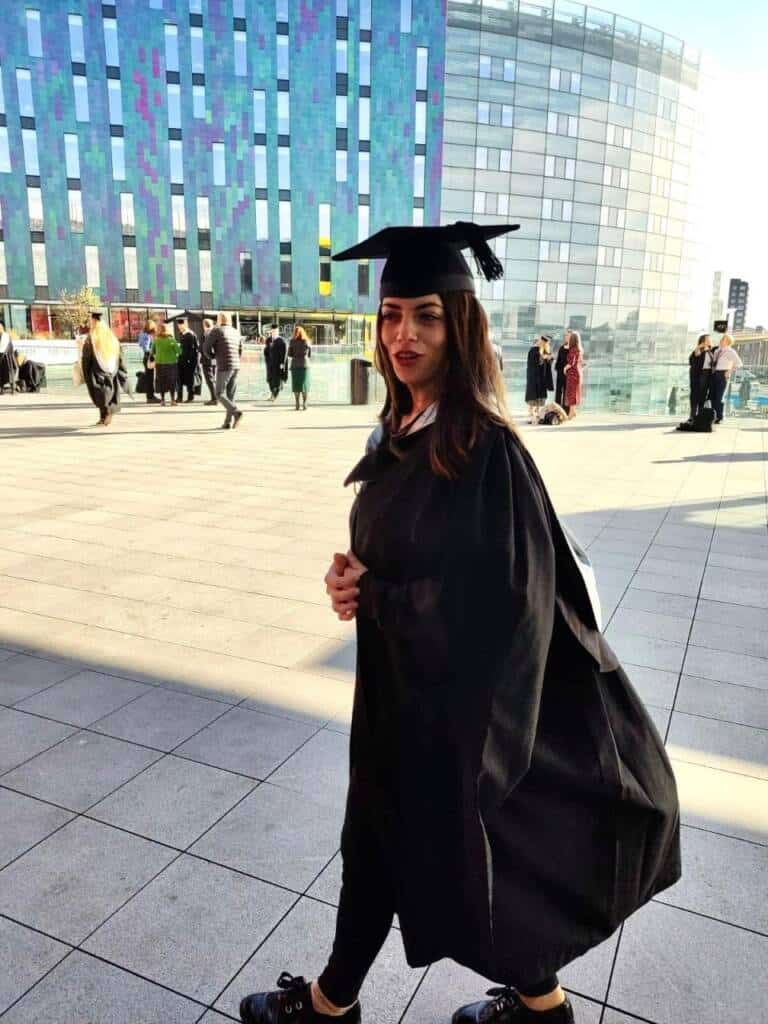
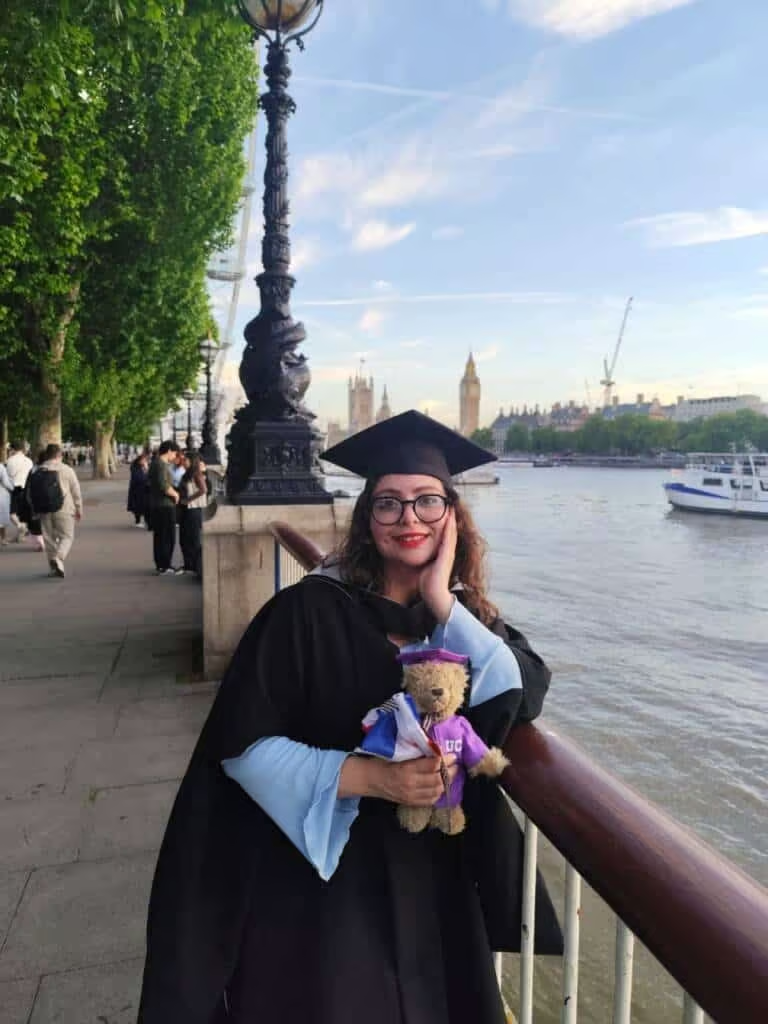
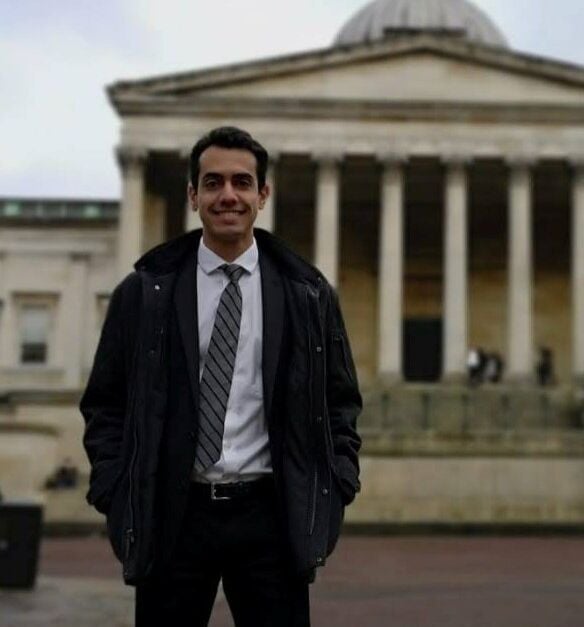
International students who received scholarships to study at University College London, documented by Global Scholarships.


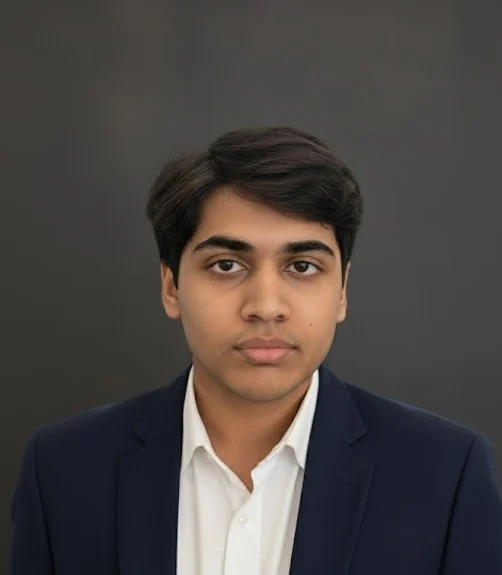


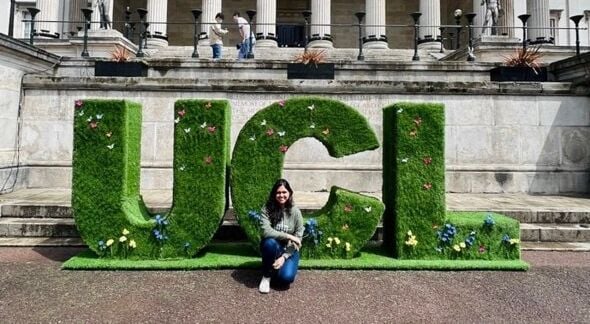

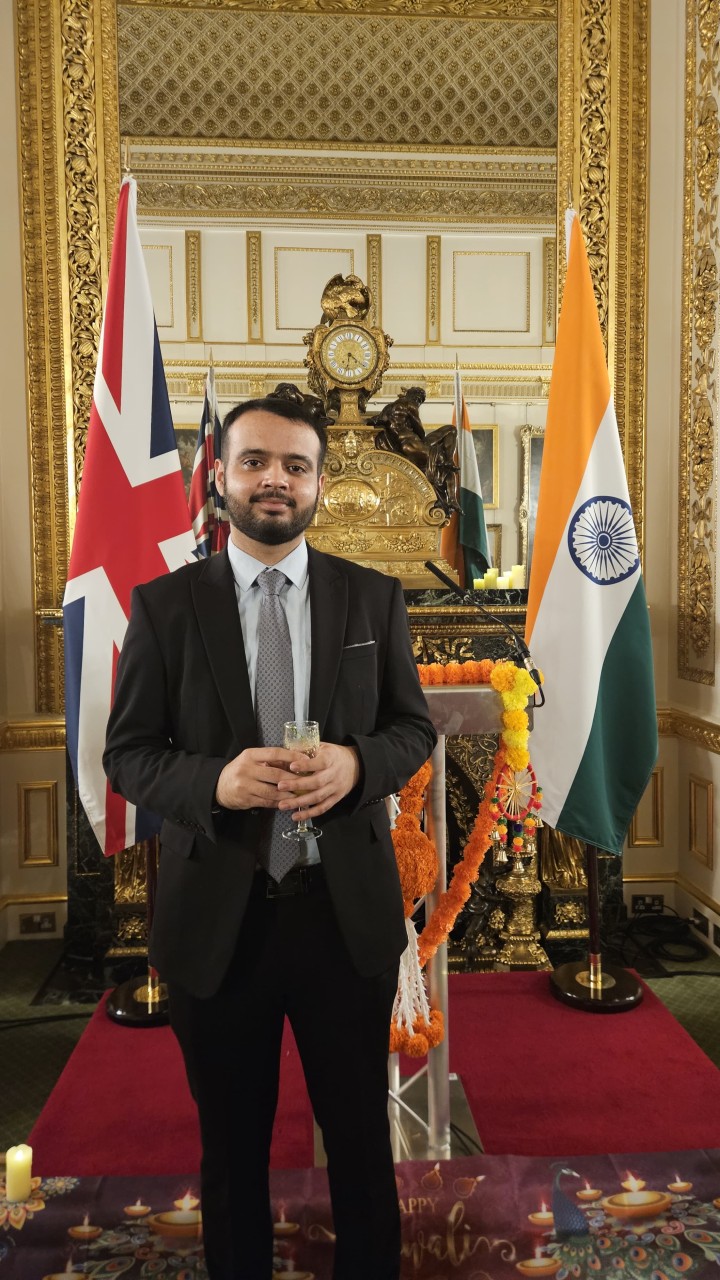
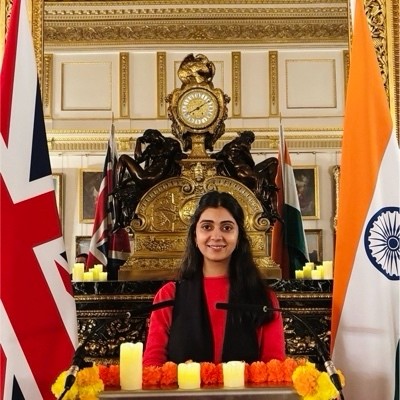

What Scholarship Recipients Say
Advice and insights from international students who successfully secured funding to study at University College London.
"I received the Commonwealth Shared Scholarship, jointly funded by UCL and the Commonwealth Scholarship Commission (CSC). The award covered my full tuition fee, round-trip airfare to the UK, monthly living stipend, and a few additional allowances. This generous support allowed me to focus fully on academics and professional development, without financial constraints."
"Be yourself, be honest, and be confident in what you have to offer. Scholarship committees want to help you, they want to find people to grant the scholarship to. Don’t try to portray the candidate you think you should be if it’s not true to your own experiences and interests."
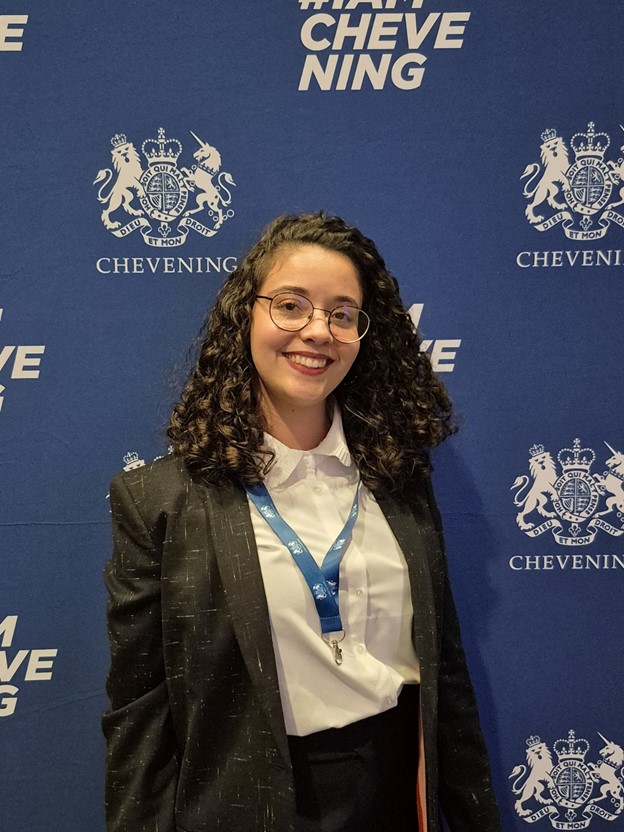
"Currently, I am studying a Master’s Degree in Education and Technology at UCL (University College London) through the Chevening scholarship."
"My experience at UCL has been nothing short of amazing. The university offers an intellectually stimulating environment where I'm constantly challenged and supported to grow. Our CS department brings together students from diverse backgrounds, creating a collaborative learning atmosphere where we can learn from each other's perspectives."
"My academic background in Economics, combined with my work experience in policy, dovetails perfectly into this MSc course. It has helped structure my ability to deliver practical solutions by equipping me with a formal toolkit for economic and policy analysis. It has been intellectually stimulating and professionally enriching."
"Studying at UCL has been intellectually challenging and enriching. The diverse student body, world-class faculty, and London’s dynamic ecosystem have expanded my perspective on global investment trends and innovative business models."
Frequently asked questions
Common questions about scholarships, admissions, and studying at University College London.
For full-time undergraduate study, UCL says “All our programmes are taught in person” and it does not offer “full-time undergraduate online-only programmes.” Also, most postgraduate scholarships are also for in-person studies.
Based on UCL recipients featured on Global Scholarships, scholarships have supported students across a wide range of subjects: STEM, engineering, business, social sciences, and humanities. Here are real examples of what recipients studied at UCL:
- Engineering / STEM: Muhammad Maaz pursued “MEng in Robotics and Artificial Intelligence,” and Vedant Singh Rathore completed an “MSc in Machine Learning.”
- Computer Science / AI: Aye Myat Mon pursued a “Bachelor’s in Computer Science”
- Business / Finance: Francelia Castañeda began an “MSc in Venture Capital and Private Equity with Financial Technology”
- Policy / Social Sciences: Shahzad Khalil earned an “MSc Global Prosperity” at UCL; Rupali Handa studied “MSc Economics & Policy of Energy and the Environment.”
- Education / Humanities: Celina Sanabria studied “Master’s in Education and Technology,”; Jéssica Pompeu pursued a “Master’s in Health, Well-Being, and Sustainable Buildings.”
Medicine: UCL offers Medicine (MBBS) and accepts international applications, but medicine has additional selection steps and is highly competitive. Scholarships for clinical medicine can be more limited and scheme-specific, so always check the exact scholarship’s eligibility rules for Medicine MBBS.
UCL scholarship recipients featured on Global Scholarships come from many countries, which shows that funding routes are available for a broad range of nationalities (depending on the scholarship). Examples include:
- Muhammad Maaz (Pakistan)
- Aye Myat Mon (Myanmar)
- Francelia Castañeda (Mexico)
- Vedant Singh Rathore (India)
- Rupali Handa (India)
- Celina Sanabria (Paraguay)
- Jéssica Pompeu (Brazil)
- Shahzad Khalil (Pakistan)
In practice, eligibility depends on the scholarship type: university scholarships can be “international student” focused so it is applicable for all nationalities, while external scholarships (like Chevening) depend on the awarding body’s eligible country list.
Often, yes, unless you qualify for an exemption based on prior study in English. In UCL recipient stories, English testing comes up repeatedly: Aye Myat Mon lists “IELTS: 8.5/9.0,” Vedant Singh Rathore said, “I also took the GRE (321) and IELTS (8.0),” and Francelia Castañeda listed “Standardized Tests: TOEFL.” Some applicants can be exempt: Shahzad Khalil shared, “I was exempted from IELTS due to my prior degree.”
Minimum grades depend on the programme and level (undergraduate vs postgraduate) and your country’s qualification. For taught master’s degrees, UCL commonly references the UK system (First, 2:1, 2:2, etc.) and many programmes expect strong performance (often around a 2:1 equivalent). Recipient stories show there isn’t one single “magic number”: Francelia Castañeda reported a “GPA of 9.2/10,” while Shahzad Khalil said he had a “final grade of 62%” and still earned admission, adding that “attitude, motivation, and resilience are equally important.” Always check the exact entry requirements on the programme page.
It varies by scholarship, but the UCL stories consistently show a mix of (1) strong academics and (2) a clear purpose/impact story. For example, Muhammad Maaz described “5 A*s” in A Levels and said, “I spent about 3-4 months working on my UCAS personal statement.” Jéssica Pompeu graduated with a “3.53 out of 4 GPA,” and Francelia Castañeda reported “a GPA of 9.2/10.” For leadership-focused funding like Chevening, the application can be writing-heavy; Vedant Singh Rathore noted, “I had to write 4 essays, each 500 words.”
Exact documents vary by programme and scholarship, but recipients commonly mention these:
- Personal statement / Statement of Purpose: Muhammad Maaz said, “I spent about 3-4 months working on my UCAS personal statement.” Vedant Singh Rathore noted applications were built around a “Statement of Purpose (SOP).”
- Academic transcripts and test scores: Aye Myat Mon wrote that she gathered “academic transcripts, test scores, and reference letters.”
- References / recommendation letters: Vedant Singh Rathore explained he had to provide “two references,” and Muhammad Maaz highlighted “Reference Letters.”
- CV/resume: Celina Sanabria described learning how to “structure my CV,” and Jéssica Pompeu mentioned “preparing my curriculum.”
- English proficiency evidence (if required): e.g., IELTS/TOEFL (many recipients mention taking these tests).
- Translations (if applicable): Jéssica Pompeu included “translating the necessary documents.”
If you’re applying for external scholarships (like Chevening), you may also need additional scholarship essays and (in some cases) proof of an unconditional offer; Shahzad Khalil described needing to “secure admission” and share an “unconditional offer.”
For many graduate (postgraduate taught) applications, UCL charges an application fee (commonly £90 for standard online applications, with some programme exceptions). For undergraduate applications, you apply via UCAS and pay the UCAS application fee (set by UCAS and subject to change each cycle). Always confirm fees on the official pages for the year and programme you’re applying to.
There are many degrees that are open to international students right now — find yours.
About the Author: Hyun Lee


This seems like a huge opportunity for me.
Best of wishes to you!
Please, can you mention what is the deadline for the Bachelor’s scholarship? Thank you
Hello, the admission deadline for University College London is January 15, 2024, and for the UCL undergraduate scholarship, the deadline is April 24, 2024.