
How Yuliia, a Ukrainian Scholar, Secured a Fully Funded Bachelor’s Through the Donald Wehrung International Scholarship
University: University of British Columbia
Degree: Bachelor of Applied Science in Biomedical Engineering
Previous Education: Advanced STEM curriculum with concentrations in Chemistry and Biology, Regional Scientific Lyceum in Ukraine
Scholarship: Donald Wehrung International Scholar – Fully Funded
Social Media
LinkedIn: linkedin.com/in/yuliia-veres/
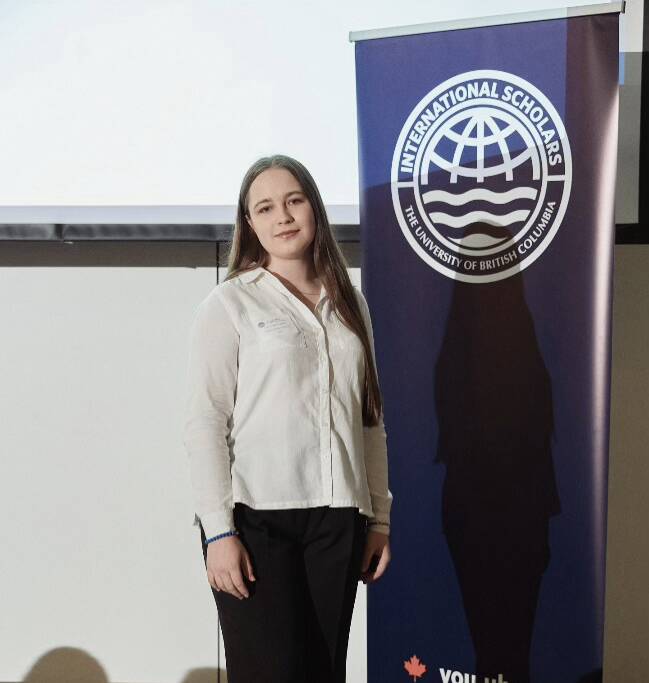
The Journey
Hi, my name is Yuliia! I'm from Ukraine, and I'm now a second-year Biomedical Engineering student at the University of British Columbia, Vancouver campus. I was always drawn to both coding and healthcare, even before I had a name for what that combination could look like. Growing up in Ukraine, I noticed that people talked constantly about medical technology — new devices, new treatments, new breakthroughs — but almost never about the ideas or people behind building that technology. So I wanted to understand not just what medical innovation looked like from the outside, but how to actually create it.
That curiosity is what pulled me toward the interdisciplinary space where life sciences and engineering principles meet. I didn't want to choose between creating technology and deeply understanding the science behind why things happen. I was also drawn to building highly transferable skills, ones that would contribute to my personal growth, shape the way I think and work, and let me explore other areas beyond just one field.
Donald Wehrung International Scholarship Details
I'm proud to be a Donald Wehrung International Scholar, one of the awards under UBC's International Scholars Program. This is a fully funded scholarship, specifically designed to support students from war-torn or politically unstable regions of the world, or from economically disadvantaged regions, who have demonstrated superior academic excellence and leadership potential despite difficult circumstances, and who have no financial means to pursue post-secondary education.
I recognize how specifically this scholarship was built for students in situations like mine — coming from a country in active conflict, with genuine barriers to language tests, extracurricular opportunities, and funding an education, but with the academic record and drive to make the most of the opportunity if given one.
Educational Background
Before UBC, I studied an advanced STEM curriculum with concentrations in Chemistry and Biology at my regional Scientific Lyceum in Ukraine — very few schools in Ukraine offered advanced programs like this one. My GPA was 11.6/12 (Ukrainian school system), and I graduated with a Gold Medal for High Academic Achievements
That educational background sparked a perspective of interdisciplinary thinking early on, and it opened up opportunities to apply my knowledge in life sciences and technical subjects across a range of pursuits I found on my own: olympiads, research programs, tech entrepreneurship programs, volunteering, and educational initiatives. Rather than staying within the boundaries of my coursework, I actively sought out ways to combine what I was learning across different fields.
That habit of applying knowledge shaped something I still carry with me — seeing hidden patterns and staying open-minded enough to explore and pivot into new areas rather than committing too early to one narrow path.
How Did You Prepare to Apply to the University of British Columbia?
How Did You Find Information About Donald Wehrung International Scholarship and University of British Columbia?
Most of the information about scholarships and institutions I found through individual searches of university websites, news articles about fully funded scholarships internationally, and chatting directly with upper-year students from my country who were already studying abroad (mostly through peer mentorship via the Ukraine Global Scholars nonprofit).
Did You Take Any Standardized Tests? If So, How Did You Prepare for Them?
I prepared for the Duolingo English Test and the SAT mostly independently, working through websites and textbooks that other SAT students share online.
How Did You Prepare to Apply for the Donald Wehrung International Scholarship?
It wasn't so much a matter of scholarship-specific preparation right before applying — it started much earlier than that. I self-taught myself English and studied for the exams I'd eventually need. But most of my time in the years leading up to my application went into figuring out who I was and what I actually liked doing: shaping my interests, participating in olympiads, taking on leadership roles, and building a broader vision of who I wanted to become and what tools I'd need to get there. Of course, during the actual year of my application cycle, I was doing something every day toward it — drafting essays, filling out forms, and handling the more mechanical parts of the process. But by that point, the groundwork had already been laid over years, not months.
How is Your Experience at the University of British Columbia?
It's been very eye-opening — gaining global perspectives, learning about different fields, and having access to excellent facilities that I wouldn't have had back home. Beyond the academics, I've had the chance to get involved in research early on, join an engineering design team, and take on mentoring roles for other students — each of which pushed me to grow in a different way, whether that meant thinking more rigorously, collaborating across disciplines, or learning how to guide someone else through a process I'd already been through myself. But I'd say some of the most important things this experience has given me were community, along with the chance to learn more about myself while adjusting to a new environment.
How Do You Rate the University of British Columbia Academically?
UBC is a large university, and students from different faculties might have somewhat different experiences, so I'll speak mostly to my own. Academically, it's very rigorous and top-notch for Engineering specifically. It offers a robust and comprehensive experience that shares weight fairly across disciplines and even subfields, without favoring one over another. It also has an inclusive, friendly curriculum that appreciates all genders and nationalities and actively works against bias.
A lot of the learning happens hands-on — through labs, tutorials, and group projects that build real technical skills, elements of scientific research, abstract problem-solving, engineering design, strong written scientific and technical communication, and team collaboration. Throughout my time here, I've also met many passionate, hard-working, and high-achieving students from all around the world, which creates a kind of ripple effect that pushes you to keep studying and pursuing new opportunities yourself.
How Does the University of British Columbia Support International Students?
Many events and info sessions, very multicultural and global — our university has one of the largest international student bodies around. There's also a dedicated International Student Advising office that consults on matters like study permits and other documents or administrative challenges for students in Canada.
What Did You Pursue After the Donald Wehrung International Scholar?
So far, I've joined research in a computational biology lab, working on a cardiac disease project on the data analysis side. Beyond that, I've taken part in hackathons and data competitions, where I learned to turn an idea into a working solution quickly. On the engineering side, I joined a design team, which gave me hands-on experience building something as a group and later presenting it at a conference.
Alongside the technical work, I've stayed connected to the communities that helped me get here. I mentor and support other students through the application process at Ukraine Global Scholars.
Leadership and advocacy for Ukraine are a big part of my life in Vancouver too. I served as an executive in a Ukrainian student club and participated in several Ukrainian events in the city, which let me stay close to my culture and share it with others. For me, all of this goes together: building technical skills, helping others find their path, and speaking up for the place I come from.
What Do You Think Made Your Application Stand Out?
Interdisciplinarity, curiosity, a substantial body of research, and a clear vision for how to combine and apply it to real-world problems, with examples of what I already accomplished.
What Would You Have Done Differently if You Were Going Through the Process Again?
If I were going through this process again, I would start finding my own path much earlier. A lot of the direction I eventually found came from independent searching and self-teaching, and I think I could have shortened that discovery process if I'd trusted my own curiosity sooner instead of waiting for a more conventional signal that it was the "right" path to pursue.
What Advice Would You Give Those Looking to Apply for a Similar Scholarship?
Stay true to yourself, to the communities and issues you care about. Learn to take risks, be proactive, seek ownership of your work — it's not about what you do, but the "why" behind it.
Also, start preparing for exams and formal documents like forms and recommendations much earlier than you think you need to, since a lot of that depends on sources and timelines outside your own control.
Want to submit your
scholarship journey?
Submit Your Story Here!
More Scholarship Recipients
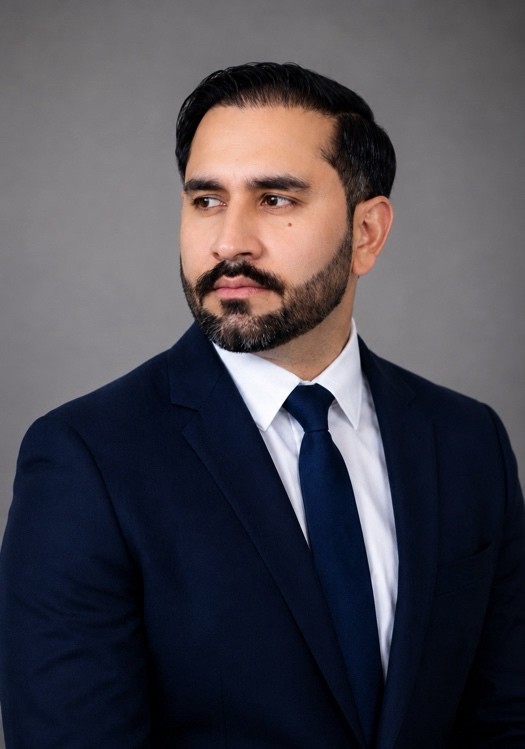
My name is Shah Hussain, and I am from Khyber Pakhtunkhwa, Pakistan. I completed my Bachelor’s in Psychology at the Univer .... Read more
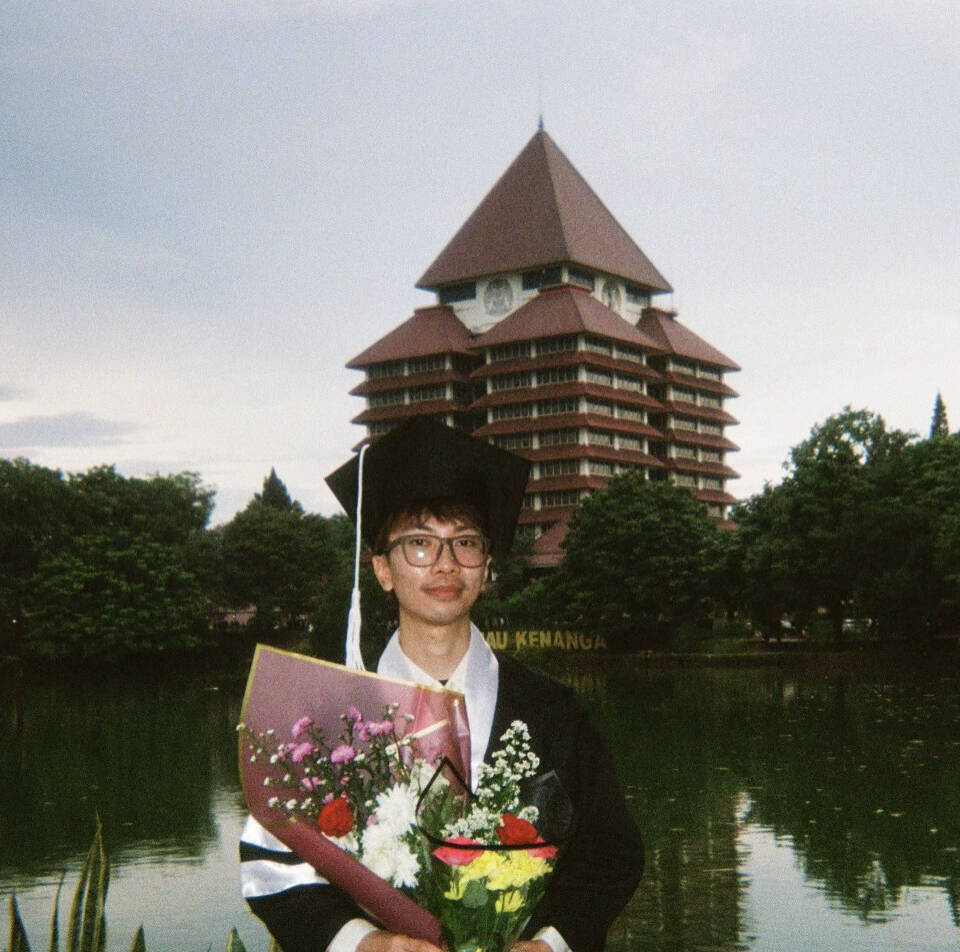
I am June from the Philippines. I am an educator for Social Sciences and Humanities. I recently earned my Master in Southeas .... Read more
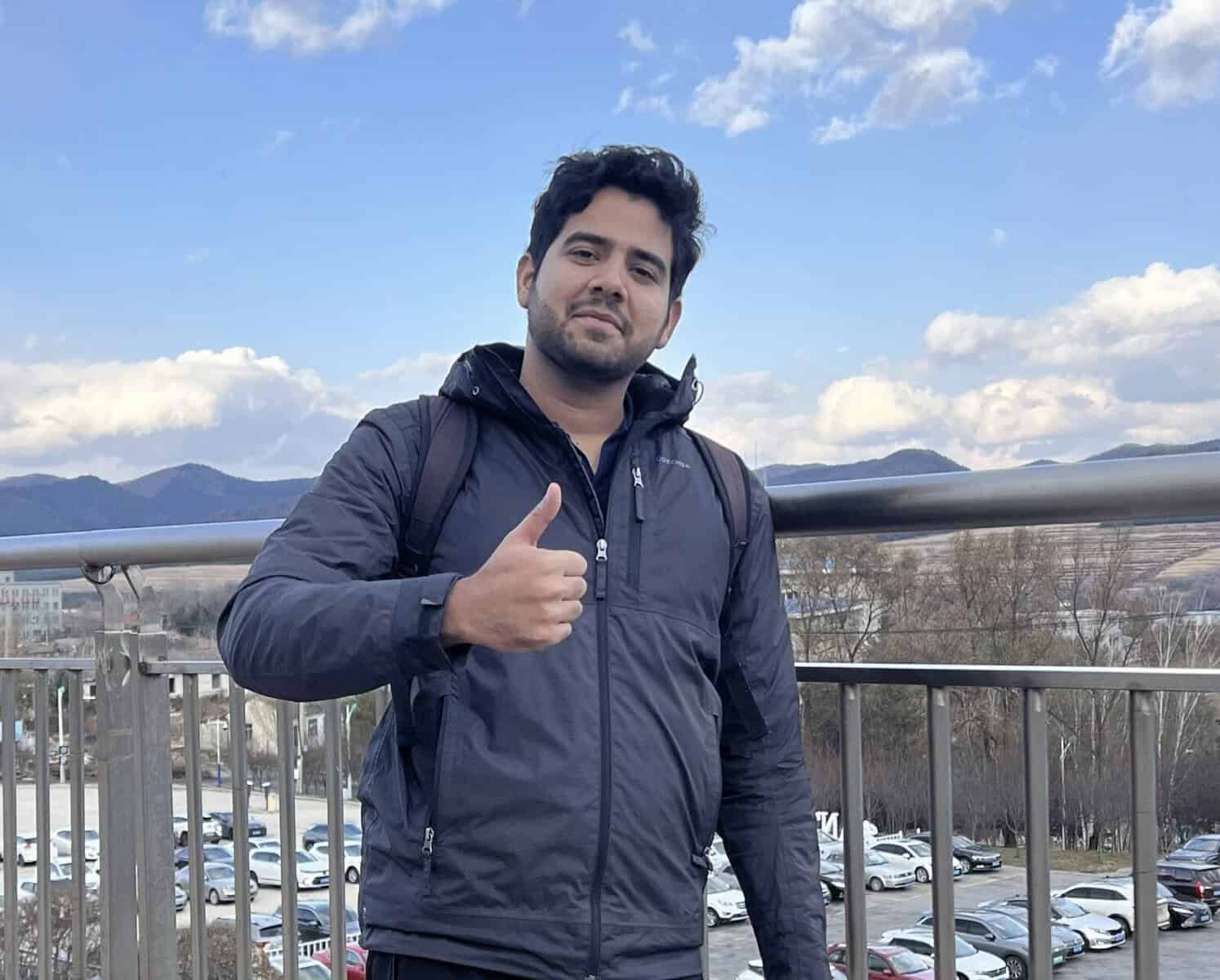
Hi, my name is Abdul Hafeez, and I come from a small town called Nasirabad in Sindh, Pakistan. Currently, I am pursuing a ma .... Read more
Leave A Comment