
How Sumaiya Binte Ayesha, a Bangladeshi Scholar, Secured a Fully Funded PhD in Aquatic Life Medicine Through the ADB–ROK Scholarship under GKS
University: Kunsan National University
Degree: PhD in Aquatic Life Medicine
Previous Education: Bachelor of Science in Fisheries (Honours) at Bangladesh Agricultural University; Master of Science in Fisheries Management at Bangladesh Agricultural University
Scholarship: ADB–ROK Scholarship under the Global Korea Scholarship (GKS) – Fully Funded (Tuition, Accommodation, Korean Language Training, Monthly Allowances, Medical Insurance, Round-Trip Airfare)
Social Media
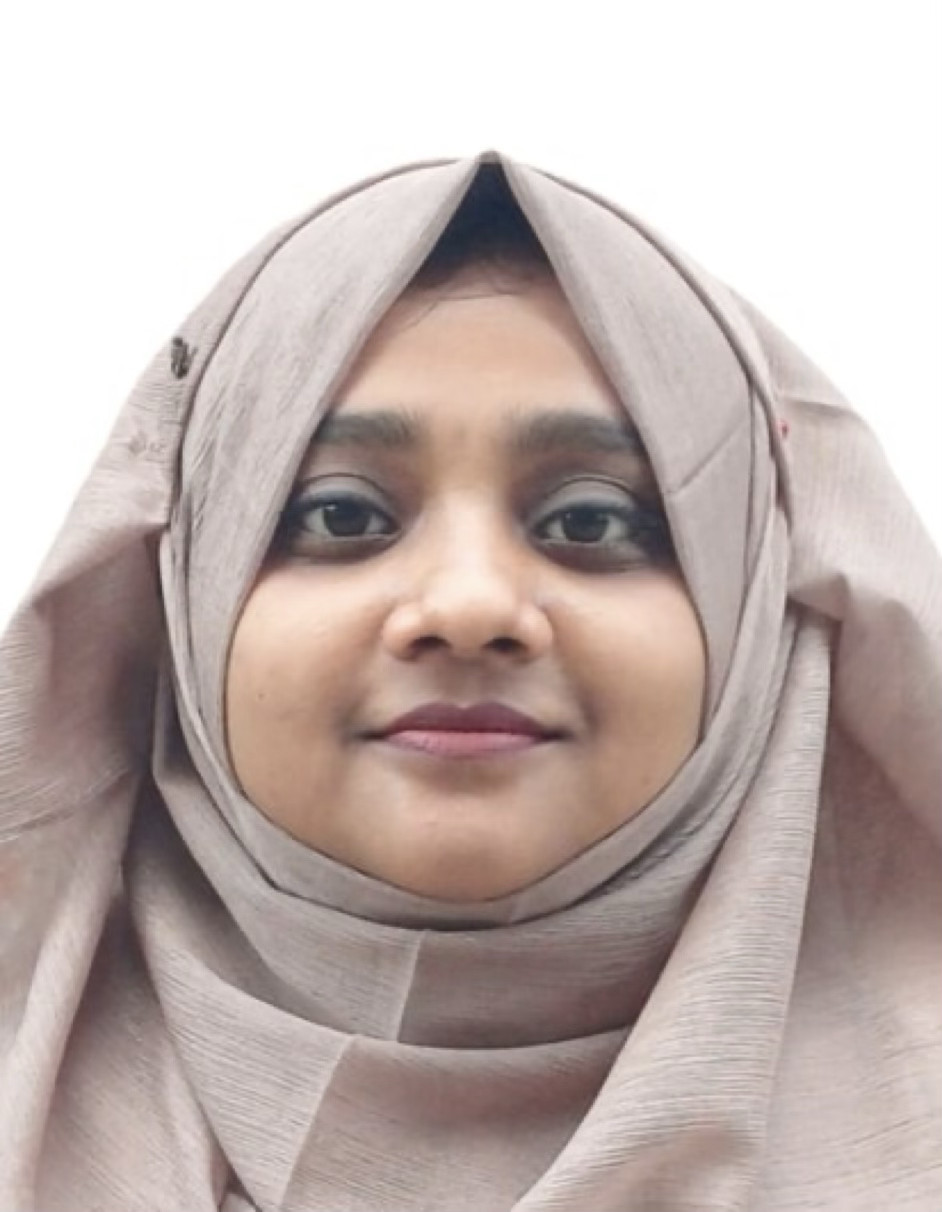
The Journey
My name is Sumaiya Binte Ayesha, and I am from Bangladesh. I am an Assistant Professor in the Department of Fisheries Management at Bangladesh Agricultural University and currently pursuing a PhD in Aquatic Life Medicine at Kunsan National University, South Korea, through the ADB–ROK Scholarship under the Global Korea Scholarship (GKS) programme.
Teaching and research have given me opportunities to share what I know, but they have also shown me how much I still want to learn. My background in fisheries led me to questions about aquatic animal health and how research can help address the problems facing aquaculture. Pursuing a PhD is an opportunity to explore those questions more deeply and become better prepared for my work as both a researcher and a teacher.
Moving to Korea has meant becoming a student in many ways again—learning a language, adjusting to unfamiliar customs, and finding my place in a new research environment. Some days, understanding a class in Korean feels like an achievement in itself. I am learning to value that progress alongside academic results.
ADB–ROK Scholarship Details
I received the ADB–ROK Scholarship under GKS to pursue my PhD at Kunsan National University. The programme is a partnership between the Asian Development Bank and the Government of the Republic of Korea, with scholarship funding provided by the Korean government. Support includes tuition funding, accommodation, Korean language training, monthly allowances, medical insurance, and round-trip airfare. This support allows me to focus on my studies and research.
Were You Offered Any Other Scholarships?
Apart from my ADB–ROK scholarship under GKS, I have not received any other postgraduate scholarship offers.
Educational Background
I completed my Bachelor of Science in Fisheries (Honours) at Bangladesh Agricultural University with a CGPA of 3.844 out of 4.000, ranking second in my class. I later earned my Master of Science in Fisheries Management at the same university with a CGPA of 4.000 out of 4.000, ranking first. My academic journey was also recognised with the President’s Gold Medal.
During my master’s research, I investigated whether dietary supplementation with Spirulina and black cumin could help Nile tilapia cope with temperature-induced physiological stress. This work introduced me to the practical demands of research, from setting up experiments and collecting samples to analysing data and interpreting results. The research has since been published in Aquaculture and Fisheries, a milestone that makes this part of my academic journey especially meaningful to me. It also strengthened my interest in how environmental conditions affect aquatic animal health.
How Did You Prepare to Apply to Kunsan National University?
I applied through the university track, and Kunsan National University was my first choice. Before applying, I contacted a potential supervisor whose research aligned with my interests. In my opinion, this can be a helpful step: it gives applicants an opportunity to discuss their interests and understand whether these align with the laboratory’s work. Applicants should check the requirements of their chosen university regarding supervisor contact.
How Did You Find Information About ADB–ROK Scholarship and Kunsan National University?
I learned about GKS through my university’s website and the official GKS website (https://www.studyinkorea.go.kr). These were my sources of information when preparing my application.
Did You Take Any Standardized Tests? If So, How Did You Prepare for Them?
I took IELTS and achieved an overall band score of 7.5 out of 9.0. I prepared independently using free online resources and Cambridge IELTS test books, and registered for the examination through IDP (https://ielts.idp.com). Having access to these resources allowed me to prepare without enrolling in a coaching programme.
How Did You Prepare to Apply for the ADB–ROK Scholarship?
I spent approximately one month preparing the required documents. For the interview, I prepared to explain my academic background, previous research, and reasons for pursuing a PhD.
My interview lasted approximately ten minutes and involved my prospective supervisor and other university representatives. I prepared a brief introduction about myself and went through my professor’s recent papers to become familiar with his research. I also prepared short explanations of my master’s research and the direction I hoped to pursue during my PhD. The medium of instruction during the interview was in English. Since the interview was brief, I focused on communicating clearly and concisely.
How is Your Experience at Kunsan National University?
One of the most rewarding aspects of studying at Kunsan National University is the opportunity to pursue my chosen research field in an international environment. It gives me opportunities to learn, broaden my perspective, and develop as a researcher.
The experience has also brought challenges. All my classes are conducted in Korean, and as an international student, I find it difficult to understand everything. When I first arrived, unfamiliar cultural expectations also led to misunderstandings and awkward moments. These experiences have been part of adjusting to life in a new country.
How Does Kunsan National University Support International Students?
Kunsan National University has a supportive system for international students. Its Institute of International Affairs and Language Education (IALE) provides Korean language education, where I spent my first year as a GKS scholar. In my experience, the teachers are knowledgeable and teach effectively. The institute also offers additional TOPIK preparation classes, which I have found particularly helpful.
Our GKS coordinator is another important source of support in Korea. The coordinator guides us through immigration requirements, residence card applications, and opening a bank account. They also monitor our academic progress and offer guidance when we face difficulties.
Are Your Classes Conducted in English or Korean?
All my classes are conducted in Korean.
Would Potential Students Have Any Problems Not Knowing Korean?
Based on my experience, studying without a sufficient understanding of Korean can be challenging, particularly when all classes are taught in the language. Understanding academic explanations requires more than everyday conversational ability. I would encourage prospective students to begin learning Korean before arriving and confirm the language of instruction for their intended programme.
What Do You Think Made Your Application Stand Out?
Although I cannot know exactly how the selection committee assessed my application, I believe my personal statement, strong academic results in both my bachelor’s and master’s degrees, and IELTS score contributed to its strength. I also felt that the interview went well and allowed me to communicate my research experience and motivation for doctoral study.
What Would You Have Done Differently if You Were Going Through the Process Again?
I did not encounter any particularly difficult obstacles during the application process. However, if I were applying again, I would begin learning Korean earlier and take the Test of Proficiency in Korean (TOPIK) before applying. Looking back, I believe that having a stronger foundation in Korean before arriving would have helped me prepare for both academic life and everyday communication.
What Advice Would You Give Those Looking to Apply for a Similar Scholarship?
Read the official scholarship guidelines carefully and allow enough time to prepare your documents. Choose a university and research field that match your interests, and consider contacting a potential supervisor to discuss research opportunities.
For the interview, be ready to explain your previous research and future goals clearly. Reading your prospective supervisor’s recent publications can help you understand their work and prepare for the conversation.
Finally, start learning Korean early. From my experience, language preparation deserves attention alongside the scholarship application itself. Receiving a scholarship is an important milestone, but learning continues after arriving. I am still at the beginning of my PhD, and I am discovering that progress can mean asking a question, understanding a little more in class, or becoming more comfortable in an unfamiliar environment.
Want to submit your
scholarship journey?
Submit Your Story Here!
More Scholarship Recipients
My name is Rana, and I am from Sudan. I am a Global Korea Scholarship (GKS) recipient pursuing a Ph.D. in Industrial Systems .... Read more
I never imagined that engineering would take me from Palampur, a small town in Himachal Pradesh, India, all the way to a PhD .... Read more
My name is Md. Shamim Gazi, and I am from Bangladesh. I completed my Doctor of Veterinary Medicine (DVM) degree at the Facul .... Read more
Leave A Comment