
FROM ARCHITECTURE TO AUTOMATION: MY INTERNATIONAL SCHOLARSHIP JOURNEY
- University: Maynooth University, Ireland (Current)
- Degree: Postdoctoral Research Fellow (Marie Skłodowska-Curie Actions – DIGI+ Program)
- Previous Education:
- PhD in Architecture / Heritage Building Information Modelling, Università di Pavia, Italy (Defended 2024, Certified 2025) – Doctoral Fellowship (Unipv).
- Erasmus Mundus Professional Master in BIM (BIM+), Joint Program: University of Ljubljana, Slovenia & Politecnico di Milano, Italy (2019-2020).
- Master of Science in Digital Architecture, University of Nebraska-Lincoln, USA (2009–2011) – Fulbright Scholarship.
- Bachelor of Science in Architecture and Urban Planning, University of Tripoli (2000-2005).
- Current Fellowship: Marie Skłodowska-Curie Actions (MSCA) co-funded DIGI+ Fellowship – Fully Funded.
- Other Offered/Awarded Scholarships: Fulbright Scholarship for Libyans (2008); Erasmus Mundus Scholarship (2019); Doctoral Fellowship, Università di Pavia (2020)
Social Media
LinkedIn: linkedin.com/in/sarabenlashihar/
The Journey
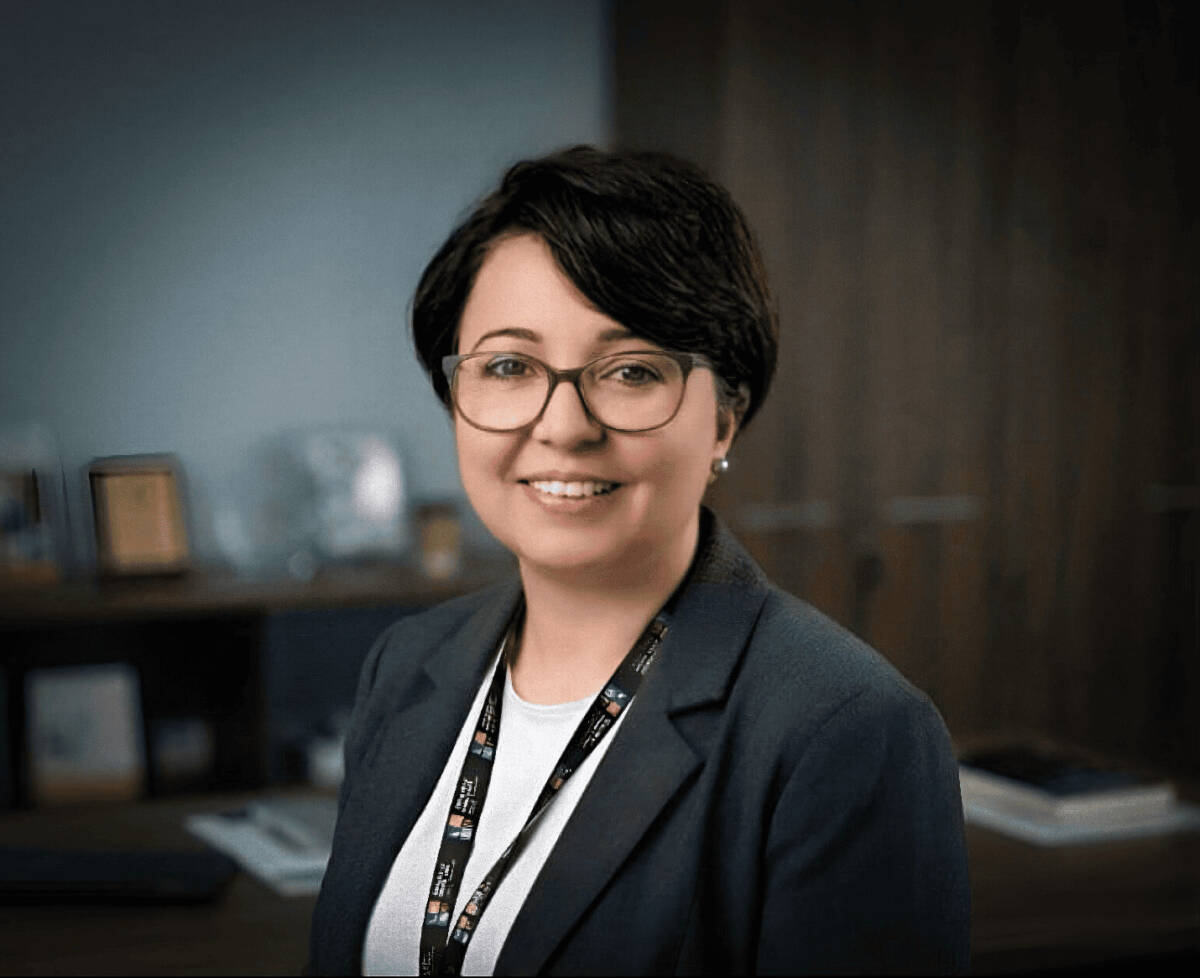
My name is Sara Ben Lashihar. I am a PhD-holding researcher, architect, and Building Information Modelling (BIM) specialist originally from Libya, currently living and working in Ireland. My foundation in architecture began with a deep appreciation for digital construction technology. As my career progressed, I became increasingly focused on the intersection of digital architecture and design precision, utilizing 3D modelling software to enhance accuracy. This interest led me to BIM, which I mastered during my Fulbright fellowship at the University of Nebraska-Lincoln. Since then, I have specialized in applying laser scanning technology and Scan-to-HBIM (Heritage Building Information Modelling) workflows, using automation to develop sophisticated digital solutions for the protection and preservation of historic buildings. I wanted to build the technical expertise required to bridge this gap, ensuring that our rich architectural history isn't lost but is instead meticulously preserved through automated, intelligent workflows.
Marie Skłodowska-Curie Actions (MSCA) DIGI+ Fellowship
- Institution Name: Maynooth University, Republic of Ireland
- Scholarship/Fellowship Name: Marie Skłodowska-Curie Actions (MSCA) co-funded DIGI+ Research Fellowship
Were You Offered Any Other Scholarships?
Yes, my academic pathway has been supported by a series of successive international awards:
- In 2008, I received the Fulbright Scholarship for Libyans. This award fully funded my Master of Science degree at the University of Nebraska-Lincoln from August 2009 to May 2011, covering all tuition, international travel, university fees, and a monthly living stipend.
- In 2019, I was awarded the Erasmus + Scholarship for the BIM+ European Master in Building Information Modelling. This fully funded program covered full tuition, insurance, and a monthly living allowance for a joint master’s degree split between Slovenia and Italy, concluding with my degree from the Politecnico di Milano in 2020.
- In 2020, I was awarded a Doctoral Fellowship by the Università di Pavia in Italy. This stipend supported my four-year PhD research in automated Scan-to-HBIM workflows, culminating in my successful dissertation defence in July 2024.
How Did You Prepare to Apply to Institutions?
How Did You Find Information About Scholarships and Institutions?
I monitored official government and multinational scholarship portals, such as the UK British Council (Chevening), AMIDEAST (Fulbright), and the European Commission’s Funding & Tenders Portal (Erasmus Mundus and MSCA). For my postdoctoral phase, I targeted research universities known for digital innovation, leading me to the DIGI+ program at Maynooth University.
Did You Take Any Standardized Tests? If So, How Did You Prepare for Them?
Yes, I took the IELTS, TOEFL, and GRE.
My preparation for the IELTS in late 2007 was marked by immense personal grief, as I had to sit the exam just two weeks after my father passed away. Navigating that emotional hardship made focusing extremely difficult, and my scores weren't my absolute personal best. For the Fulbright application, I faced a much longer journey involving both the TOEFL and the GRE. Preparing for the GRE quantitative and analytical sections required months of disciplined, self-guided study using practice guides and mock tests alongside my architectural work.
How Did You Prepare to Apply to the Marie Skłodowska-Curie Actions (MSCA) co-funded DIGI+ Research Fellowship?
I treated my applications as highly tailored business cases rather than generic academic requests. For the MSCA DIGI+ Fellowship, I focused on scaling up my doctoral research. During my PhD, I developed a specialized, Python-based Revit add-in called "BIMLash" to automate mesh-to-BIM generation for historical brickwork and masonry.
To prepare the proposal, I aligned the capabilities of "BIMLash" directly with the DIGI+ program's focus on digital transformation. I clearly demonstrated how automating the Scan-to-HBIM workflow solves a major bottleneck for the built heritage sector. I structured my proposal to show that I wasn't just asking for research funding; I was offering a tangible technological solution.
How was Your Experience at Your Institutions?
My educational path has been a rich mosaic of cultural and institutional environments. Studying in the US at Nebraska gave me an incredible introduction to large-scale campus research infrastructure.
Later, moving through Europe for my Erasmus Mundus and PhD programs introduced me to different academic methodologies. Living and studying in Slovenia and Italy was culturally enriching, though not without its challenges. In Italy, learning the Italian language while transitioning into the local job market presented significant hurdles. Securing a role as a BIM specialist within Italian architectural studios required immense perseverance in a fast-paced environment. Ultimately, those experiences forced me to adapt quickly, build intense professional resilience, and refine my ability to communicate complex technical concepts in a second language.
How Do You Rate the Institutions Academically?
My experience at the University of Nebraska-Lincoln (UNL) was a foundational and valuable phase of my academic journey. It was during my Fulbright fellowship there that I first encountered and mastered Building Information Modelling (BIM) technology, while also gaining hands-on experience in 3D printing and coding.
Following this, my education at the Politecnico di Milano and the Università di Pavia provided world-class technical frameworks and exposure to historic European architecture, further enriching my architectural heritage expertise. Currently, Maynooth University offers a highly supportive, modern, and collaborative ecosystem for my work as a postdoctoral researcher, particularly through dedicated digital innovation programs like DIGI+.
Are Your Classes Conducted in English or the Countries Native Languages?
All of my postgraduate programs, in the US, Slovenia, Italy, and Ireland, were conducted entirely in English.
Would Potential Students Have Any Problems Academically Not Knowing the Native Languages?
Not academically. In specialized fields like BIM and computer science, English is the universal language of code, software, and international research publications. However, learning conversational Italian or Slovenian is highly beneficial for navigating everyday life, connecting deeply with colleagues, and handling local administrative tasks outside the university walls.
What Do You Think Made Your Application Stand Out?
The absolute continuity of my narrative. A common mistake is presenting a resume of disconnected achievements. My applications stood out because they showed a clear, logical evolution: from practicing traditional architecture, to mastering BIM, to writing Python code that automates heritage documentation. Reviewers could see that every scholarship I received built directly upon the previous one, proving that I am a high-return, low-risk investment.
What Would You Have Done Differently if You Were Going Through the Process Again?
I would have trusted my technical capabilities much earlier. Coming from an architectural background, entering the world of software automation and coding felt intimidating. If I could go back, I would dive into Python development and software engineering principles even earlier in my master's degree without hesitating.
What Advice Would You Give Those Looking to Apply for a Similar Scholarship?
- Build a "Connected" Story: Ensure your past education, industry experience, and future research goals form a cohesive chain. Funder panels look for a clear trajectory.
- Embrace Resilience: Academic paths are rarely smooth. Don't let personal hardships or a demanding stint in industry derail you. Treat every difficult phase as data that informs your next career move.
- Be Honest and Realistic: Transparency in your application is essential. Present your background, including both successes and the hurdles you faced, such as learning a new language or navigating complex job markets, with grounded honesty. Being authentic about your path builds trust and highlights the "truth" behind your professional journey, which is far more compelling to reviewers than an idealized narrative.
Want to submit your
scholarship journey?
Submit Your Story Here!
More Scholarship Recipients
My name is Shah Hussain, and I am from Khyber Pakhtunkhwa, Pakistan. I completed my Bachelor’s in Psychology at the Univer .... Read more
I am June from the Philippines. I am an educator for Social Sciences and Humanities. I recently earned my Master in Southeas .... Read more
Hi, my name is Abdul Hafeez, and I come from a small town called Nasirabad in Sindh, Pakistan. Currently, I am pursuing a ma .... Read more
Leave A Comment