
How I Secured a Fully Funded MSc at the University of Reading, United Kingdom Through the Chevening Scholarship
University: University of Reading
Degree: MSc in Food Security and Development
Previous Education: Bachelor’s degree in Agriculture, Agriculture and Forestry University; Master’s degree in Genetics and Plant Breeding, Agriculture and Forestry University
Scholarship: Chevening Scholarship – Fully Funded (Tuition Fees, Living Expenses, Travel Costs, and Other Associated Expenses)
Social Media
LinkedIn: linkedin.com/in/rukmita-ghimire/
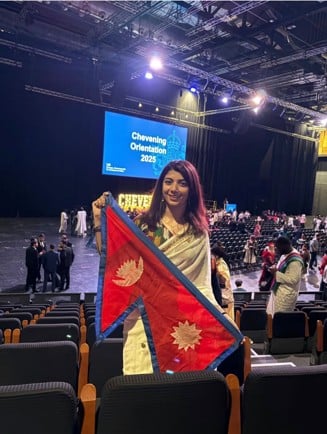
The Journey
My name is Rukmita Ghimire, and I am from Nepal. I am currently pursuing an MSc in Food Security and Development at the University of Reading as a Chevening Scholar. Before coming to the UK, I worked as the Chief of the Agriculture Branch for a local government in Nepal, where I was responsible for agricultural development programs, farmer training, value chain development, and resource mobilization.
I chose to pursue further education in Food Security and Development because I have witnessed firsthand the challenges faced by smallholder farmers in Nepal. Through my work and research, I realized that while agricultural technologies and innovations exist, there is often a gap between research findings and their practical application at the farm level. I wanted to gain advanced knowledge and international exposure to help bridge this gap and contribute to sustainable agricultural development and food security in Nepal.
Chevening Scholarship Details
- Scholarship Name: Chevening Scholarship
- Institution: University of Reading, United KingdomDegree
- Program: MSc Food Security and Development
- Scholarship Coverage: Fully funded scholarship covering tuition fees, living expenses, travel costs, and other associated expenses.
Educational Background
I hold a Bachelor's degree in Agriculture and a Master's degree in Genetics and Plant Breeding from Agriculture and Forestry University. My academic background provided me with a strong foundation in crop science, plant breeding, agricultural research, food systems, and rural development. During my Master's research, I conducted field studies in different parts of Nepal, which helped me understand the practical challenges farmers face and strengthened my interest in agricultural policy and development. The combination of academic training and professional experience prepared me well for advanced studies in Food Security and Development.
How Did You Prepare to Apply to the University of Reading?
I started by identifying universities that had strong reputations in agriculture, food systems, and international development. I carefully reviewed course structures, faculty expertise, research opportunities, and alumni outcomes.
How Did You Find Information About the Chevening Scholarship and the University of Reading?
I found information through:
- Official university websites
- Chevening Scholarship website
- LinkedIn and alumni networks
- Social media groups related to international scholarships
- Previous Chevening Scholars and scholarship recipients
Did You Take Any Standardized Tests? If So, How Did You Prepare for Them?
Yes, I took the IELTS examination as proof of English language proficiency.
To prepare, I:
- Practiced using official IELTS materials
- Completed mock tests regularly
- Improved my academic reading and writing skills
- Focused on speaking practice and time management
How Did You Prepare to Apply for the Chevening Scholarship?
Preparation for the Chevening Scholarship started long before the application itself.
I focused on:
- Building leadership experience through my professional role in local government
- Managing agricultural development projects
- Training farmers and agricultural entrepreneurs
- Mobilizing resources and securing grants for agricultural initiatives
- Building networks across government, development organizations, and farming communities
For the application, I carefully prepared my essays on leadership, networking, career plans, and studying in the UK. I reflected on my professional achievements and demonstrated how the scholarship would help me create a greater impact in Nepal.
I also prepared extensively for the interview by reviewing my application, understanding current development issues, and clearly articulating my future goals.
How is Your Experience at the University of Reading?
My experience at the University of Reading has been highly rewarding. The university provides an excellent academic environment with diverse perspectives from students around the world. The program combines theoretical learning with practical discussions on global food security challenges, allowing me to connect international experiences with Nepal's agricultural context.
How Do You Rate the University of Reading Academically?
I would rate the University of Reading very highly academically because of its strong reputation in agriculture, food systems, and development studies. The teaching quality, research facilities, and industry connections provide students with excellent opportunities for learning and professional growth.
How Does the University of Reading Support International Students?
The university provides extensive support through:
- Orientation programs
- Academic support services
- Career guidance
- Student Wellbeing Services
- International student communities and events
These services help international students adapt both academically and socially.
What Did You Pursue After the Chevening Scholarship?
My long-term goal is to return to Nepal and contribute to agricultural transformation, food security, and rural development. I aim to apply the knowledge and networks gained through the Chevening Scholarship to strengthen agricultural policies, value chains, climate-resilient farming systems, and opportunities for smallholder farmers.
What Do You Think Made Your Application Stand Out?
I believe my application stood out because of the combination of:
- Professional experience in agricultural development
- Demonstrated leadership in local government
- Proven impact on farming communities
- Success in securing grants and implementing development projects
- Clear vision for contributing to Nepal's agricultural sector after graduation
Rather than focusing only on achievements, I demonstrated measurable impact and a realistic plan for future contribution.
Looking Back, Would You Have Done Anything Differently During Your Time in the Program?
If I were going through the process again, I would start preparing even earlier. I would spend more time networking with alumni and scholarship recipients, attending more information sessions, and refining my essays through multiple rounds of feedback.
What Advice Would You Give Those Looking to Apply for a Similar Scholarship?
- Start early and understand the scholarship requirements thoroughly.
- Focus on impact rather than simply listing achievements.
- Demonstrate leadership through actions and results.
- Build meaningful professional and community engagement experiences.
- Develop a clear career vision and explain how the scholarship fits into that vision.
- Seek feedback on your essays from mentors and previous scholars.
- Prepare thoroughly for interviews and be authentic in sharing your story.
- Show how you will contribute to your home country after completing your studies.
Most importantly, believe in your experiences and your potential to create change. Scholarship committees are looking for future leaders who can make a meaningful impact in their communities.
Want to submit your
scholarship journey?
Submit Your Story Here!
More Scholarship Recipients

My name is Humayun Nosheerwan. I am a Chevening Scholar, social entrepreneur, artist, higher education professional, and Fou .... Read more
I'm Hossam Hamdy, an Egyptian from Cairo, now based in Dubai, where I work in venture capital. My career sits at the interse .... Read more
My name is Ahmad Shoeb Hashmi, and I am a dentist from India currently pursuing a dual-degree Master of Public Health (MPH) .... Read more
Leave A Comment