
How Rahul Dogra, an Indian Scholar, Secured a Partially Funded Master’s Exchange Through the DAAD KOSPIE Scholarship
University: Technical University of Darmstadt (TU Darmstadt)
Degree: Master’s in Structural Engineering (Geotechnical Engineering Research Exchange)
Previous Education: Bachelor of Technology (B.Tech) in Civil Engineering at Rajiv Gandhi Government Engineering College, Nagrota Bagwan
Scholarship: DAAD KOSPIE – Partially Funded (Monthly Stipend of €861 for Seven Months, 2021–2022)
Social Media
LinkedIn: linkedin.com/in/rahul-dogra-600507209/
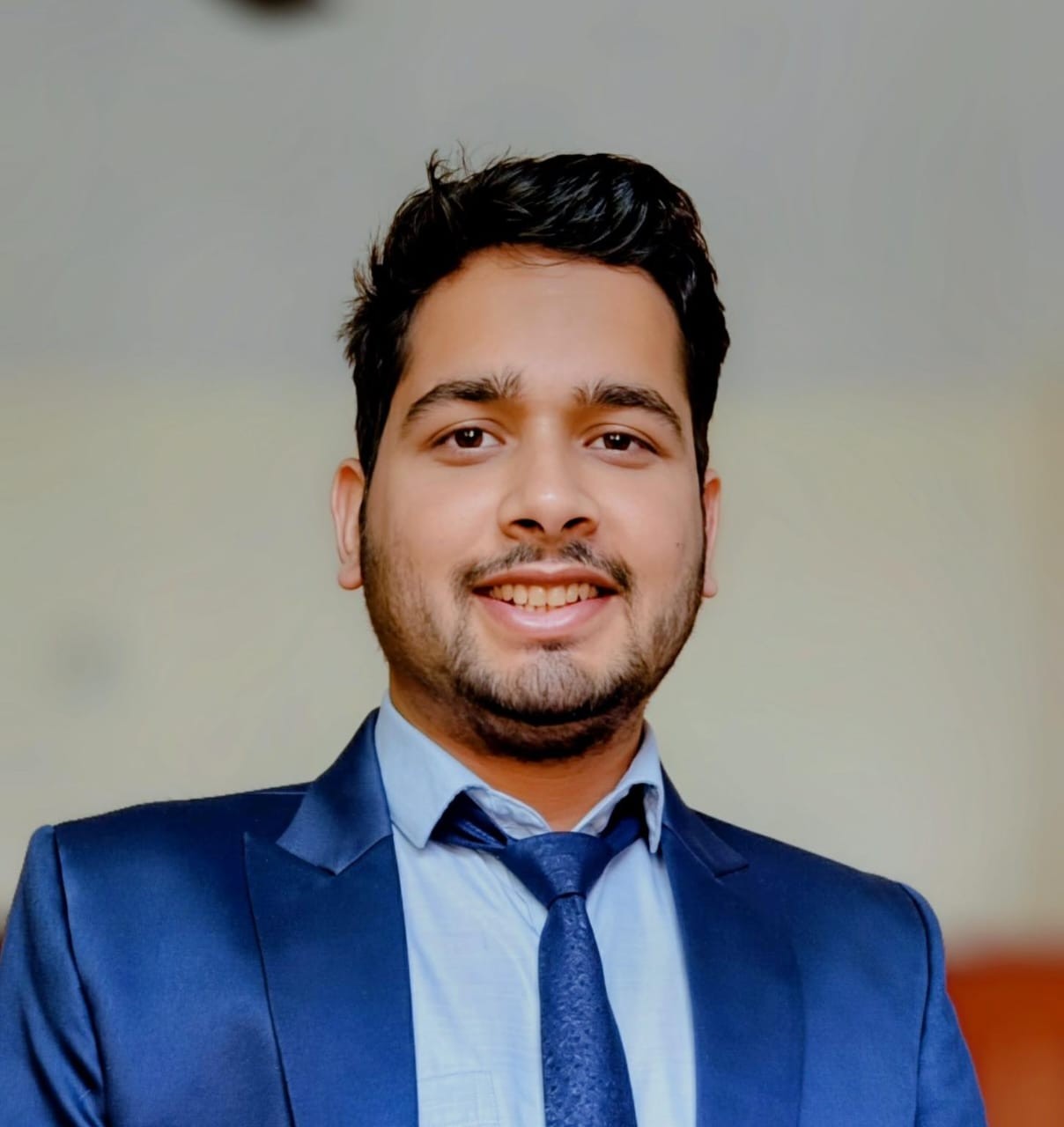
The Journey
I never imagined that engineering would take me from Palampur, a small town in Himachal Pradesh, India, all the way to a PhD in Germany. Honestly, the way I got into engineering is not a very inspiring story. Like a lot of Indian students, I chose it because my parents told me to. But somewhere along the way, while studying civil engineering, I started to actually enjoy it. During my master's, I worked on a project in geotechnical engineering, and that was the moment it really clicked for me. That project is what eventually brought me to Germany – first as a DAAD KOSPIE exchange student, and later as a PhD researcher.
My name is Rahul Dogra. I did my B. Tech in Civil Engineering at Rajiv Gandhi Government Engineering College, Nagrota Bagwan, Kangra, and then my M.Tech in Structural Engineering at IIT Mandi, where I topped my batch and received a gold medal. Today I am doing my PhD in Geotechnical Engineering at the Technical University of Darmstadt (TU Darmstadt), where I work as a research assistant. In simple terms, I use computer simulations to understand how the pile foundations of offshore wind turbines behave under the harsh conditions at sea, so that these foundations can be designed more reliably. I also like sharing what I learn – during my PhD, I have run a few workshops on numerical geotechnics.
The seven months I spent at TU Darmstadt during my master's made the decision for me. I saw how research is done here; I was working on a project I genuinely enjoyed, and I knew I wanted to continue. I chose Germany for its strong research culture, the quality of education, and how welcoming it is towards international students. Now, as a DAAD Young Ambassador, I want to help other students – especially those from smaller towns like mine – realise that these opportunities are within their reach too.
When I am not working, you will probably find me with a camera or a guitar in my hands.
DAAD KOSPIE Details
DAAD KOSPIE (Kombiniertes Studien- und Praxisstipendium für Ingenieure aus Indien / Combined Study and Practice Stays for Engineers from Developing Countries)
Institution: Technical University of Darmstadt, Germany
Duration: Seven months as an exchange student during my M.Tech at IIT Mandi (2021–2022)
Amount: €861 per month
One thing I want to make clear for anyone thinking about a PhD: my PhD itself is not funded by a scholarship. I have a research assistant position (wissenschaftlicher Mitarbeiter) at TU Darmstadt, which is a regular salaried job. This is a very common way of doing a PhD in Germany, and you do not need a DAAD scholarship to get there. The availability and conditions of such positions differ from one institute and research group to another, so it is worth figuring out early whether what you are applying for is a scholarship, an exchange programme, or a paid position.
Were You Offered Any Other Scholarships?
I did not apply for or turn down any other scholarships for Germany. During my M. Tech at IIT Mandi, though, I received the MHRD (Ministry of Human Resource Development, Government of India) stipend of ₹12,400 per month, which is given to GATE-qualified master's students at Indian institutes.
Educational Background
- Schooling: DAV School, CBSE board, up to Class 12 – 81%
- B.Tech in Civil Engineering, RGGEC Nagrota Bagwan, Himachal Pradesh – CGPA 8.92
- M.Tech in Structural Engineering, IIT Mandi – batch topper, gold medalist
My bachelor's gave me the basics of civil engineering, and the M.Tech at IIT Mandi went much deeper into structural analysis and numerical methods. Geotechnical engineering – especially the numerical modelling I do now – builds directly on those fundamentals. The research-oriented coursework, my master's project in geotechnics, and a good academic record all helped me become a strong candidate, first for the DAAD exchange and later for the PhD position.
How Did You Prepare to Apply to TU Darmstadt?
My approach was quite simple. I went through the websites of the institutions and research groups I was interested in, looked at what kind of research they were doing and which areas they were working on, and if it matched my interests, I applied. I did not apply everywhere – I focused on places where I could clearly see myself fitting into the research that was already going on.
How Did You Find Information About DAAD KOSPIE and TU Darmstadt?
I first heard about the DAAD KOSPIE scholarship from my seniors during my master's. Talking to people who had already been through the process was by far the most useful thing I did. Apart from that, I looked up professors and research groups whose work matched my interests and contacted them directly.
Did You Take Any Standardized Tests? If So, How Did You Prepare for Them?
In my case, no. Both my bachelor's and master's were taught in English, so I did not need TOEFL or IELTS, and GRE was not required for either the DAAD scholarship or my PhD position. But requirements differ depending on the scholarship, the institution, the programme, and your own educational background, so please check the eligibility criteria for each opportunity yourself.
How Did You Prepare to Apply for the DAAD KOSPIE?
The heart of the application was the statement of purpose and the research proposal. I discussed my drafts with my professors and seniors and revised them a few times. But the most important part was the contact with my German supervisor at TU Darmstadt. He was extremely helpful and supported me throughout the whole process. Having a professor on the German side who knows you and your work makes a huge difference.
How is Your Experience at TU Darmstadt?
TU Darmstadt has been great. The infrastructure is excellent, my colleagues are supportive, and the work–life balance is something I really appreciate. Research is taken seriously here, but so is life outside the office. I also enjoy being involved in supporting other students.
How Do You Rate TU Darmstadt Academically?
Very highly. TU Darmstadt is one of the leading technical universities in Germany, but what I personally value most is the research environment. The groups work on problems with real industry relevance – offshore wind foundations are a good example – the facilities are modern, and the culture expects you to work independently while still giving you the support you need.
How Does TU Darmstadt Support International Students?
There is a Welcome Centre for international students and researchers, and buddy programmes that pair newcomers with experienced students. These make the first few months a lot easier, from paperwork to simply finding your way around the city.
Is the Institution Free for Geotechnical Engineering? Semester Fees?
TU Darmstadt does not charge tuition fees for its regular degree programmes. Enrolled students pay a semester contribution of around €300 per semester, which includes a public transport ticket. The exact amount changes from time to time, so check the university website for the current figure. In my case, I am employed as a research assistant rather than enrolled as a student, so the semester contribution does not apply to me.
Are Your Classes Conducted in English or German?
My PhD is entirely in English. As part of my position, I also teach, and I teach in English as well. Most of the master's courses at TU Darmstadt are offered in English, but programmes differ, so I would still strongly recommend checking the university website carefully for the language of instruction of the specific programme you are interested in.
What Do You Plan to Pursue After the PHD?
I plan to do a postdoc because my long-term goal is to become a professor.
Would Students Have Problems Academically Without Knowing German?
Not necessarily. You can complete an English-taught programme and do your research in English without being fluent in German. But I would still strongly recommend learning it. German makes everyday life and the paperwork much easier; it lets you talk to locals and really become part of the place, and it opens up more academic and job opportunities. Start learning before you arrive – it opens up a whole new world.
What Do You Think Made Your Application Stand Out?
A focused research proposal and a well-written statement of purpose, backed by good grades. Just as important was that I had already built a relationship with my supervisor. He knew who I was and what I could do before my application ever landed on his desk.
What Would You Have Done Differently if You Were Going Through the Process Again?
I would have started learning German from the very beginning – even before coming to Germany.
What Advice Would You Give Those Looking to Apply for a Similar Scholarship?
If I were applying today, this is what I would do:
- Find research groups whose work closely matches your interests. Go through institution websites and look at what they are actually working on.
- Read the professors' recent papers before you contact them, so you understand their work.
- Write to them. Professors are not unapproachable. A short, focused email introducing yourself, your research interests, and why you are writing to them specifically will usually get a reply, and they will help you.
- Talk to seniors who have been through the process. They are your best source of practical information.
- Put real effort into your statement of purpose and research proposal, and get feedback on them from professors, seniors, or mentors.
- Understand the funding. Check whether the opportunity is a scholarship, an exchange programme, or a salaried research position – they are not the same thing.
- Start early, and start learning German early, even if your programme is in English.
And finally, to students from smaller towns and less well-known colleges: you do not need to know someone in Germany to get started, and you do not need to have your whole career figured out. I certainly did not. Curiosity, a bit of initiative, and the courage to write that first email are enough to open the door. The rest you can figure out along the way.
Want to submit your
scholarship journey?
Submit Your Story Here!
More Scholarship Recipients
My name is Md. Shamim Gazi, and I am from Bangladesh. I completed my Doctor of Veterinary Medicine (DVM) degree at the Facul .... Read more
Salam! I’m Maisha from the bustling, densely populated city of Dhaka, Bangladesh, a country blessed with the most romantic .... Read more
Hi, I’m Joylene Danthi from India. My journey with engineering started with a bachelor’s in mechanical engineering. Afte .... Read more
Leave A Comment