
How I Secured a Fully Funded PhD at Flinders University, Australia Through the Australian Government Research Training Program Scholarship
University: Flinders University
Degree: PhD in Electrical Engineering
Previous Education: Bachelor of Science (BSc) in Electrical Engineering; Master of Science (MSc) in Electrical Engineering
Scholarship: Australian Government Research Training Program Scholarship (AGRTPS) for International Students – Full Funding (Full Tuition Fee Coverage and Living Stipend of approximately AUD 28,000 per year)
Social Media
LinkedIn: linkedin.com/in/rahmat-khezri-062814174/
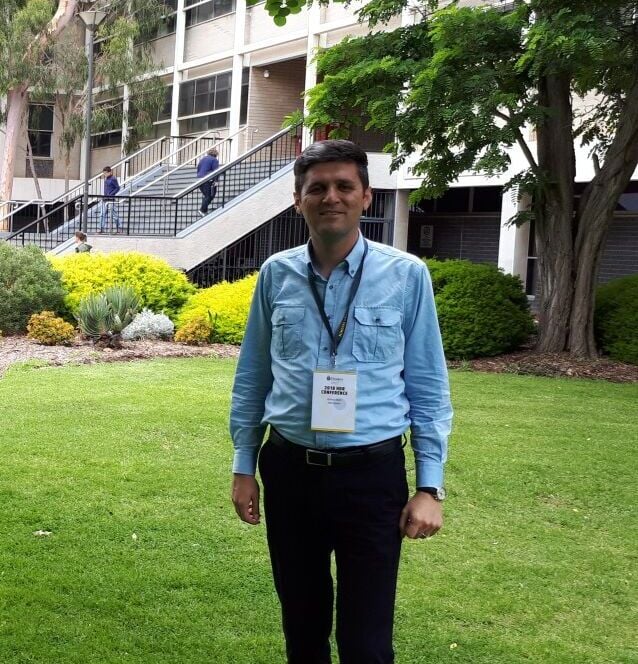
The Journey
My name is Rahmat Khezri, and I am originally Kurd from Iran. I have always been passionate about electrical engineering and the role it plays in solving real-world energy challenges, especially for renewable energy development. This passion led me to pursue both my Bachelor’s and Master’s degrees in Electrical Engineering and eventually motivated me to continue my academic journey through a PhD.
I was particularly interested in conducting advanced research that could contribute to the future of sustainable energy systems and power networks. Australia has a strong reputation for high-quality research and innovation, and Flinders University offered an excellent environment to further develop my research skills. Pursuing a PhD in Electrical Engineering allowed me to deepen my expertise, contribute to scientific knowledge, and work on meaningful research with practical industry applications.
Australian Government Research Training Program Scholarship Details
In 2017, I received the Australian Government Research Training Program Scholarship (AGRTPS) for International Students at Flinders University in South Australia, Australia.
The scholarship provided:
- Full tuition fee coverage for the duration of my PhD program.
- A living stipend of approximately AUD 28,000 per year.
This support allowed me to focus entirely on my research without the financial burden that many international students face.
Were You Offered Any Other Scholarships?
The Australian Government Research Training Program Scholarship was the only scholarship I was offered, and I was fortunate to receive it.
Educational Background
I completed both my Bachelor of Science (BSc) and Master of Science (MSc) degrees in Electrical Engineering.
During my postgraduate studies, I became heavily involved in research activities, particularly in power systems and energy-related topics. Before applying for my PhD, I had already published six journal papers in ISI-indexed journals and three conference papers. These research experiences helped me develop strong analytical, technical, and academic writing skills.
My educational background prepared me well for doctoral research because I had already gained experience in conducting independent research, publishing scientific work, reviewing literature, and presenting findings to academic audiences.
How Did You Find Information About the Australian Government Research Training Program Scholarship and Flinders University?
I spent a significant amount of time researching universities, faculty members, and scholarship opportunities online. University websites were my primary source of information because they provide the most accurate and up-to-date details regarding admission requirements, research areas, and funding opportunities.
I also reviewed faculty profiles to identify supervisors whose research interests aligned with mine. This helped me target institutions where my research background could be a strong fit. I had a list of 200 universities and their associated staff working on the research area that I was interested in.
Did You Take Any Standardized Tests? If So, How Did You Prepare for Them?
As part of my application, I took the TOEFL exam and achieved a score of 85.
To prepare, I focused on improving all four language skills: reading, listening, speaking, and writing. I used official TOEFL preparation materials, completed practice tests regularly, and worked on academic reading and writing skills, which were particularly important for graduate-level studies.
I did not take the GRE or GMAT examinations because they were not required for my program.
How Did You Prepare to Apply for the Australian Government Research Training Program Scholarship?
Preparing for the scholarship application involved much more than simply meeting the minimum requirements. I focused on building a strong academic and research profile over several years.
My preparation included:
- Publishing research papers in reputable journals.
- Presenting research at academic conferences.
- Developing a clear research direction aligned with the university’s expertise.
- Preparing a strong research proposal.
- Carefully tailoring my application documents to demonstrate my research capabilities and future potential.
I also invested significant effort into my statement of purpose and communication with potential supervisors. Having a research background that closely matched the interests of my prospective supervisor helped strengthen my application considerably.
How is Your Experience at Flinders University?
My experience at Flinders University has been very positive. The university provided a supportive research environment and encouraged collaboration among students and academics.
One aspect I particularly appreciated was the accessibility of supervisors and academic staff. The university offered excellent research facilities and resources that enable students to conduct high-quality research. The multicultural environment also makes it easier for international students to integrate and build professional networks.
How Do You Rate Flinders University Academically?
I would rate Flinders University highly from an academic perspective.
The university places a strong emphasis on research quality, innovation, and practical impact. Researchers are encouraged to publish their work, collaborate with industry, and contribute to solving real-world challenges. I found the academic standards to be rigorous while still providing sufficient support for student development.
How Does Flinders University Support International Students?
Flinders University offers various support services for international students, including orientation programs, academic support, language assistance, counseling services, and career development resources.
The university also organizes social and networking events that help international students connect with peers from different backgrounds and adapt more easily to life in Australia.
Are Your Classes Conducted in English or the Country's Native Language?
My PhD program is conducted entirely in English.
Would Potential Students Have Any Problems Not Knowing the Native Language?
Since Australia is an English-speaking country and the academic programs are delivered in English, students generally do not face academic difficulties due to language differences if they meet the university's English language requirements.
However, strong English communication skills are important for research, presentations, networking, and publishing academic work.
What Do You Think Made Your Application Stand Out?
I believe several factors helped my application stand out:
- A strong research background in Electrical Engineering.
- Six published journal papers in ISI-indexed journals.
- Three conference publications.
- A clear alignment between my research interests and those of my supervisor.
- Demonstrated commitment to academic research and long-term career goals.
- A well-prepared research proposal and application package.
Looking Back, Would You Have Done Anything Differently During Your Time in the Program?
If I were applying again, I would spend more time exploring a wider range of scholarship opportunities across multiple universities. While my application was ultimately successful, starting earlier would have provided more options and reduced the stress associated with application deadlines.
What Advice Would You Give Those Looking to Apply for a Similar Scholarship?
My biggest advice is to start preparing long before you submit your application.
Focus on building a strong academic and research profile rather than looking only at the application itself.
I would also recommend:
- Identifying universities and supervisors that match your research interests.
- Carefully read scholarship requirements.
- Preparing a strong and realistic research proposal.
- Demonstrating how your background aligns with the proposed research.
- Seeking feedback on your application documents before submission.
- Applying to multiple opportunities rather than relying on a single scholarship.
Most importantly, do not become discouraged by rejection.
Want to submit your
scholarship journey?
Submit Your Story Here!
More Scholarship Recipients
My name is Shah Hussain, and I am from Khyber Pakhtunkhwa, Pakistan. I completed my Bachelor’s in Psychology at the Univer .... Read more
I am June from the Philippines. I am an educator for Social Sciences and Humanities. I recently earned my Master in Southeas .... Read more
Hi, my name is Abdul Hafeez, and I come from a small town called Nasirabad in Sindh, Pakistan. Currently, I am pursuing a ma .... Read more
Leave A Comment