
How I Secured a Fully Funded Master's at Télécom SudParis, France Through the France Excellence Eiffel Scholarship
University: Télécom SudParis, Institut Polytechnique de Paris
Degree: Double-degree program
Previous Education: Engineering studies at ENSI (École Nationale des Sciences de l’Informatique), Manouba; Classes préparatoires at the Faculté des Sciences de Monastir
Scholarship: France Excellence Eiffel Scholarship – €1,200/month for 24 months (Transportation, Insurance, Housing Support, Cultural Activities, Tuition Exemption at Public Institutions)
Social Media
LinkedIn: linkedin.com/in/mohammed-yessine-kraiem-40302440b/
The Journey
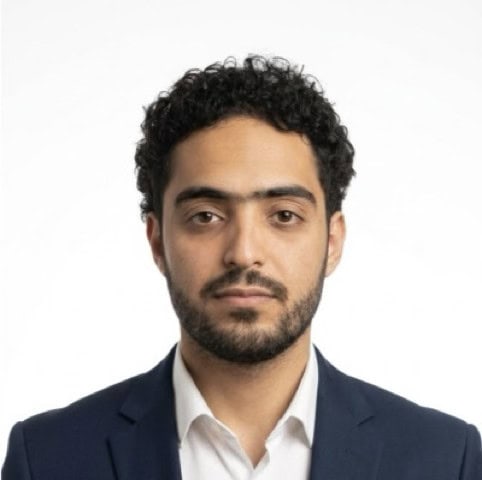
My name is Mohammed Yassine Kraiem. I'm 23, from Tunisia. This September, I start my academic journey at Télécom SudParis, part of Institut Polytechnique de Paris.
Tech kind of found me early; my uncles and most of my family are all in the field, so growing up around it planted the seed before I even understood what "computer science" meant. What kept me in it, though, is the belief that you don't need to be some kind of genius to go far in tech; it's a field built on practice, on doing, on showing up and grinding through the problem in front of you.
My path went through Tunisia's "pioneer" system: a pioneer middle school and high school before landing in classes préparatoires at the Faculté des Sciences de Monastir. After a long, brutal national competitive exam, I earned my spot at the best computer science school in the country. That's the road that eventually led me here (more on that later).
I try to stay curious across a lot of different projects rather than sticking to one lane I like seeing what happens when ideas from different domains bump into each other. I won't pretend I always get it right, but I care about the work.
France Excellence Eiffel Scholarship Details
I'm a recipient of the France Excellence Eiffel Scholarship: €1,200/month for 24 months.
What IT Is
- A French Ministry of Foreign Affairs program that helps French institutions attract top international students into Master's and PhD programs, training future decision-makers in priority fields
- Full details: https://www.campusfrance.org/en/the-france-excellence-eiffel-scholarship-program
WHO Can Apply
Program must fall in one of seven priority fields: Science & Technology, Biology & Health, Ecological Transition, Mathematics & Digital, Engineering Sciences, Humanities & Social Sciences/History/French Language & Civilization, Law & Political Science, Economics & Management
- Non-French nationals only (dual nationals with French citizenship excluded)
- Master's: 29 or younger, not already studying in France
- PhD: 35 or younger
- Can't reapply at the same level if previously rejected
- Eligibility details: https://www.campusfrance.org/en/france-excellence-eiffel-scholarship-implementation
What You Get
- Monthly stipend (€1,200 Master's / €2,100 PhD)
- Transportation, insurance, housing search help, cultural activities
- Tuition exemption at public institutions
How to Apply
- You can't apply directly; a French university has to nominate you
- Pick a school in your field
- Contact their International Relations office early (October is not too soon)
- Prepare your CV, transcripts, and motivation letter
- Let them submit you to Campus France once selected internally
- Step-by-step guide: https://catchthatscholarship.com/scholarships/france/how-to-apply-to-france-excellence-eiffel-scholarship/
Were You Offered Any Other Scholarships?
Yes, actually, I was also offered the Bourse de l'État (Tunisian government scholarship), €1,000/month over 18 months, plus a €600 one-time setup allowance in the first month. I ended up turning it down since I'd already secured the Eiffel scholarship from the French government.
The takeaway for anyone reading this, especially if you're not Tunisian: check what your own government offers before chasing scholarships abroad. Sometimes the better deal is closer to home than you'd think.
Educational Background
Note: Tunisia grades on an average out of 20, not GPA. It's not a clean equivalent since it depends heavily on course weighting.
I came up through Tunisia's "pioneer school" track (middle and high school), then took the baccalauréat, a mandatory national exam. I scored 14.5/20, a real disappointment by Tunisian standards, where 18+ gets you into medicine and 16.5+ is considered excellent.
That score rerouted me into classes préparatoires (a two-year intensive track, mainly found in Tunisia, Morocco, and France, that prepares students for the entrance exam into top engineering schools). I studied at the Faculté des Sciences de Monastir, underrated but excellent, and finished top of my class both years with a 15/20 average.
Next came le Concours National, Tunisia's hardest academic exam: deep math, physics, chemistry, mechanics, all at a brutal pace. I ranked 128th out of 1,300 nationally, just missing the top two engineering schools, but securing a spot at the best computer science school in the country: ENSI (École Nationale des Sciences de l'Informatique), Manouba.
Two years at ENSI, again finishing at the top of my class (16.5/20, 1st out of 200), which opened the door to a double degree abroad. I chose Télécom SudParis over offers like École Centrale de Lyon and ENAC. That placement is also what made me eligible for the Eiffel Scholarship; only one student per partner school gets selected in Tunisia, and I was it.
Takeaway: never necessarily first on the first attempt, but consistently near the top by the end of each stage, and that consistency kept opening doors.
How Did You Prepare to Apply to Télécom SudParis?
I'll speak specifically to my experience with Télécom SudParis. The core of it was an interview, conducted in both French and English, meant to check your language level and get to know your path and goals.
To prepare:
- Polish your CV: technical and conceptual projects, achievements, certificates
- Know the "why, where, when" behind every item on your file, and be ready to explain why you did things in the order you did
- Be ready to talk about affiliations, clubs, and social activities, and how they shaped you
What they're really testing isn't your resume; it's whether you're headed somewhere with intention. They want to see that you're not just "following the wave," that your choices are transparent, direct, and confident, not scattered or unsure of themselves.
How Did You Prepare to Apply to Télécom SudParis?
How Did You Find Information About the France Excellence Eiffel Scholarship and Télécom SudParis?
Start with the official source: the institution's or scholarship's own website
Then go find people, not just information. Reach out to alumni or students who've gone through a similar path or crossed one at some point. Be sociable, ask questions, don't be afraid to ask for help or to give it back
That's honestly what I like about this project; it's exactly this kind of information-sharing between people, out in the open, for anyone to use.
Did You Take Any Standardized Tests? If So, How Did You Prepare for Them?
I didn't, since I had other justifications for my English and French levels. But I'd encourage others to take one, especially for this kind of scholarship, if you don't already have a strong, standalone certification proving your language level.
Beyond language tests, technical certifications in your field (cybersecurity, computer science, biology, whatever applies to you) add real weight to your profile too. Stack what you can.
For anyone wanting to go deeper, search "Bourse France Excellence Eiffel, les conseils du jury aux candidats." It's a video straight from the selection jury explaining exactly what they look for, and it shaped how I approached my file.
What the Jury Is Actually Looking For
From that source, it comes down to three things:
Academic excellence. Top-tier results, at top-tier schools, in fields the scholarship actually funds.
Leadership. They want to see you've led something, taught something, taken on real responsibility beyond the classroom. For me, that was coaching football to 10- to 14-year-olds at an academy. They're looking for someone who feels ahead of their age, not just academically, but in maturity and initiative.
A clear, decisive plan for the future. Not vague ambition, an actual trajectory. Someone who knows where they're going and why.
The Paperwork
All diplomas and relevant transcripts
Your CV
Social and club certificates
Achievements, hackathons, technical event participations
Language certification
A letter of motivation
A document called projet professionnel (professional project)
Letters of recommendation, ideally from people in high-standing positions: directors, department heads, project leads, CEOs of companies you've worked with
The Two Documents That Actually Matter Most
Everything above (diplomas, certificates, transcripts) is rigid and deterministic; it either meets the bar or it doesn't. But two documents give you real freedom to speak for yourself:
The motivation letter
The projet professionnel
These are where you explain what you want to do with your future, how the scholarship fits into that, and why you're a candidate worth betting on. They're the only place the jury actually hears your voice, your writing style, your way of thinking. Everything else proves you're qualified. These two prove who you are. That's where you make the real difference.
How Is (Was) Your Experience at Télécom SudParis?
Haven't started yet; I'll update this once I do.
How Do You Rate Télécom SudParis Academically?
Academically, it's ranked 12th in France and part of Institut Polytechnique de Paris, a globally recognized name. On paper, it's one of the strongest options out there. I'll share my personal take once I've actually lived it.
How Does Télécom SudParis Support International Students?
Even before arriving, I can speak to this from the admin process alone. The support is real:
- Dedicated community WhatsApp groups and websites built specifically for international students, often run by the students and clubs themselves, not just the school
- A large, active network of associations and organizations known for stepping in to help
- Seven housing buildings prioritized for international students on campus, with smooth logistics for internet setup, key pickup, and general onboarding
This school clearly builds part of its reputation around how it treats international students, and it shows.
Are Your Classes Conducted in English or French?
Mostly French, with some courses in English.
Would Potential Students Have Any Problems Not Knowing French?
Yes, so learn French before committing. Go in knowing what you're signing up for. The academic experience is excellent, but the language matters; most people there do know it, even if they lean on English day-to-day.
What Do You Think Made Your Application Stand Out?
A mix of things, but if I had to break it down:
A clear, intentional projet professionnel. This was probably the single biggest factor. It made me sound organized and purposeful, exactly what the jury is looking for: not just "smart," but someone who knows where they're headed and why
Social involvement. Trained kids at a football academy, was part of an enterprise-awareness club (conferences, congresses, that kind of exposure), and joined a couple of other clubs. None of these were career-defining on their own, but together they rounded out the profile
- Academic excellence. The consistent top-ranking track record across every stage
- Strong French and English
- Strong recommendation letters, pulled from different angles: CEOs, teachers, lab directors, project contributors, so the picture of me wasn't one-dimensional
What Would You Have Done Differently if You Were Going Through the Process Again?
Honestly, not much, but if I had to name two things: I'd have taken an official English certification exam, just to have that extra proof on paper. And I'd have been a bit more sociable within the school, gotten more involved in events, put myself out there a little more than I did.
What Advice Would You Give Those Looking to Apply for a Similar Scholarship?
Start early, and take the process seriously long before the deadline is anywhere near. Academics matter, but they're only part of the story, so build something around them: lead something, teach something, get involved in things that push you slightly outside your comfort zone. When it comes to the paperwork, don't treat your motivation letter or your projet professionnel as a formality. Write them like they're the only chance you get to actually speak, because in a lot of ways, they are. And don't be afraid to ask people who've walked a similar path for help. Most people are more willing to share than you'd expect, myself included.
How Long Did the Whole Process Take, From First Researching IT to Getting the Result?
Applications open around November, and results come out in April. From there until you actually start your studies, Campus France stays heavily involved: constant emails, guidance, help setting up your move, even proposals around housing and logistics. They run a dedicated platform just for scholarship holders, and honestly, they handle a lot more of the process than you'd expect.
When Did You First Start Seriously Considering Studying Abroad?
Once I started my engineering diploma in Tunisia. That's when I knew I wanted more, more exposure, more people, more perspective than staying local could give me. That pull toward diversity and versatility is a big part of why Télécom SudParis ended up standing out to me later.
What Made You Target Eiffel Specifically, Out of the Scholarships Available to Tunisian/Moroccan Students?
Eiffel stood out because of how complete it is, not just the stipend, but the transportation, insurance, housing support, and the fact that it's specifically designed to fund future decision-makers. Compared to other options available to Tunisian and Moroccan students, it had the strongest reputation and the clearest path tied directly to my double-degree placement at Télécom SudParis.
What Resources Were Most Useful During Your Search?
Campus France runs an alumni platform where you can create an account and connect directly with people who've gone through the process. Beyond that, this project itself has been a genuinely useful resource, and honestly, don't underestimate just talking to people wherever you can find them: Reddit, alumni networks, anyone one or two steps ahead of you on the same path.
Want to submit your
scholarship journey?
Submit Your Story Here!
More Scholarship Recipients
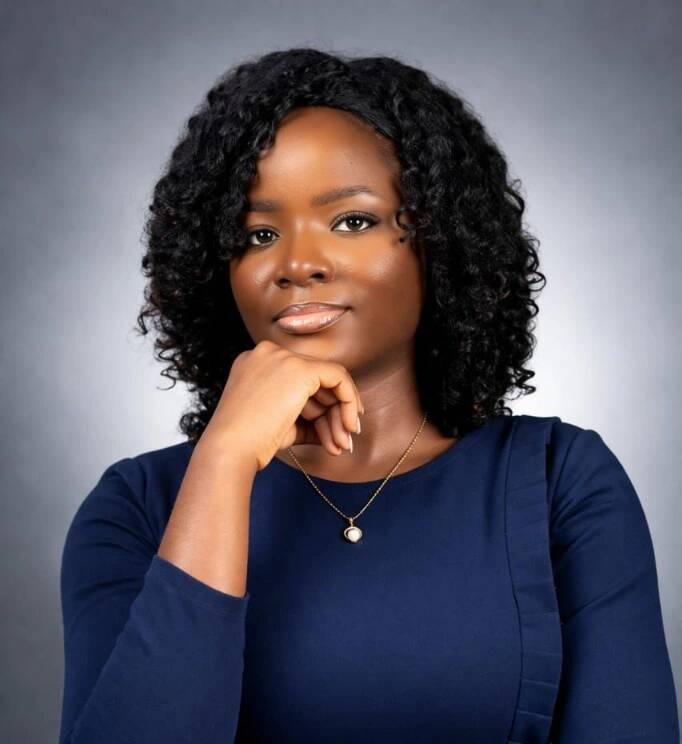
My name is Anna Nana Agyeiwaa Mensah, a professional nurse from Ghana. My interest in Global Health grew out of my experienc .... Read more
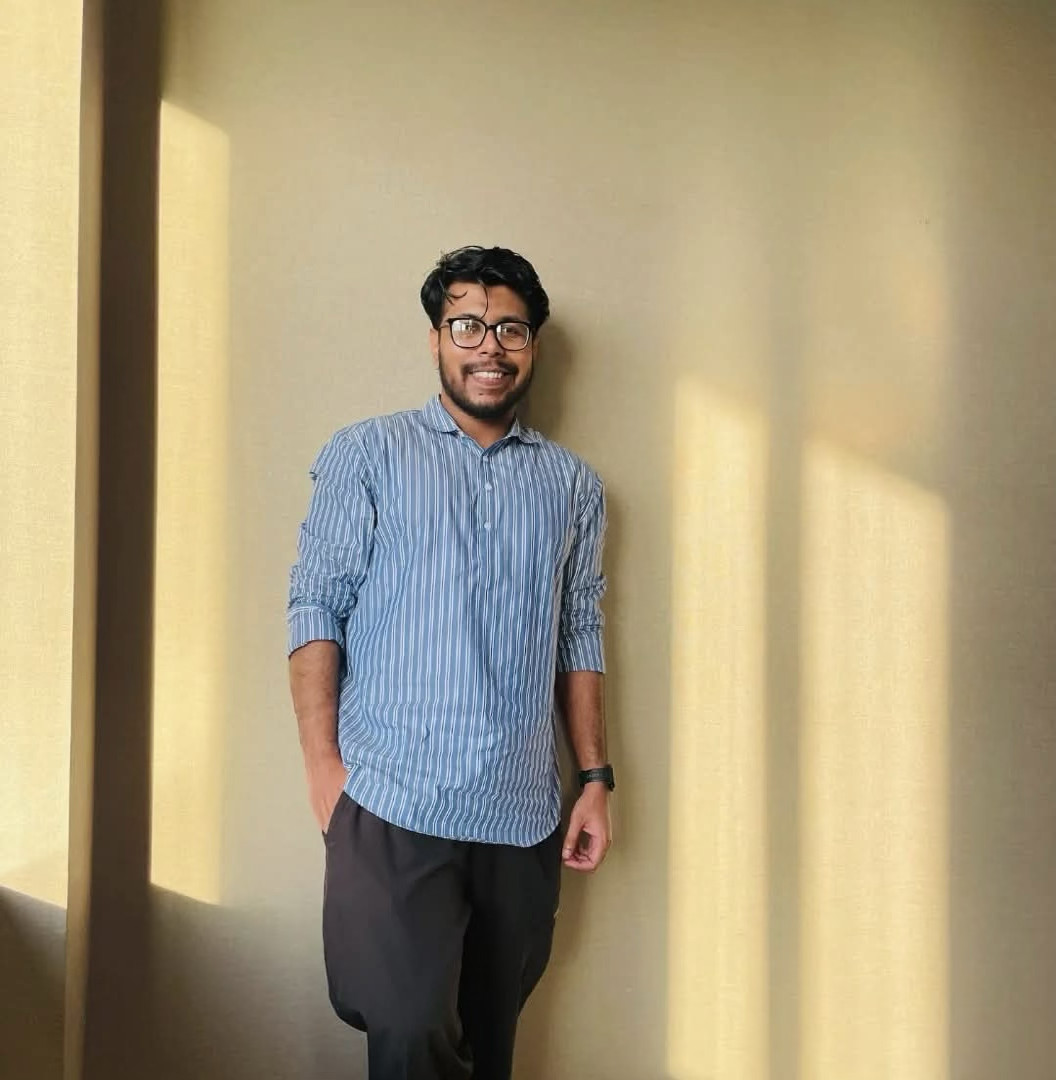
My name is Ratul Chakraborty, and I am from Bangladesh. My background is interdisciplinary, actually. Before coming to Germa .... Read more
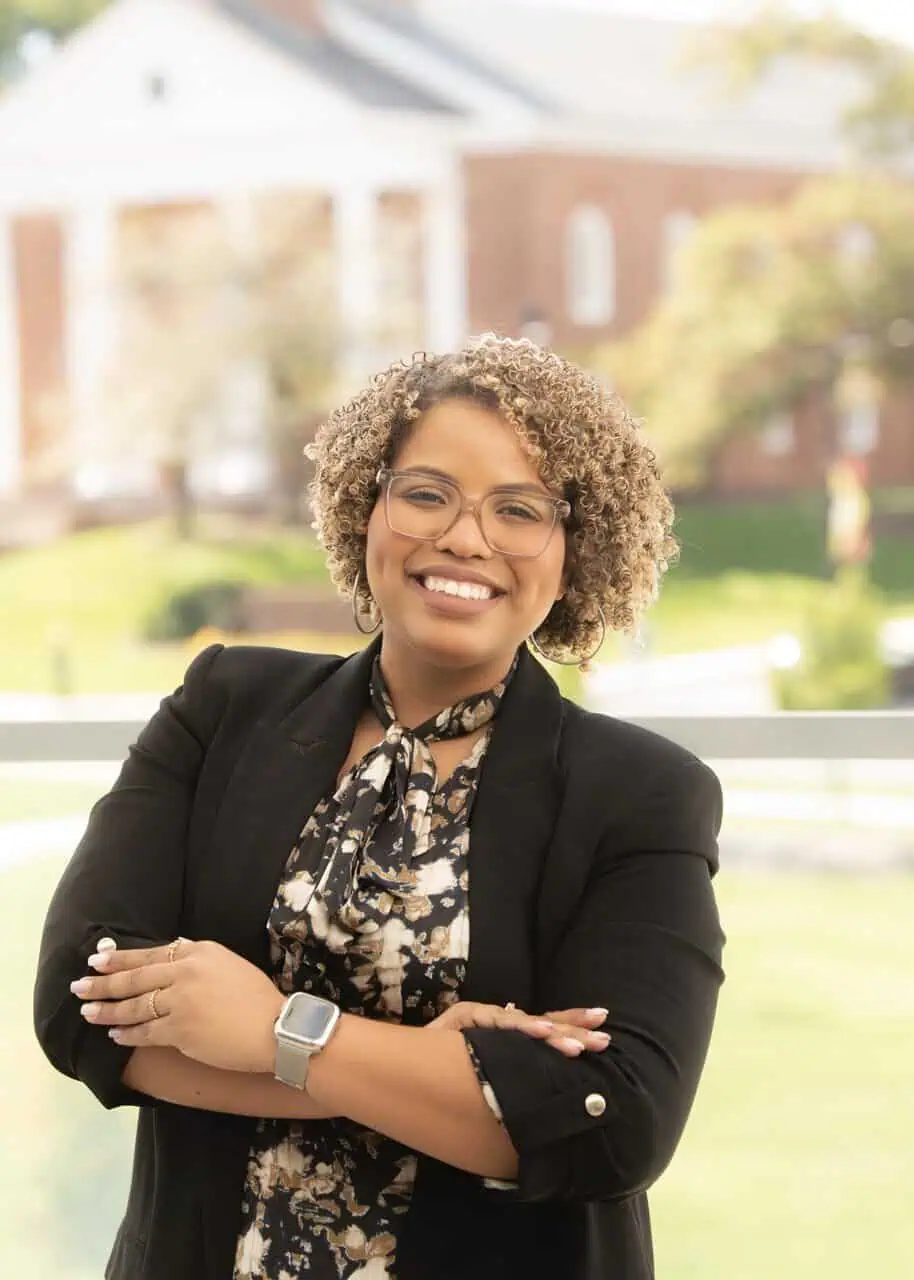
My name is Mabel Zuñiga. I am a graduate student from Panama pursuing a Master’s degree in Public Policy at the Universit .... Read more
Leave A Comment