
How Dr. Neeraj Gupta, an Indian Scholar, Secured Postdoctoral Research in Biomass Conversion and Green Chemistry at the University of Kentucky, United States Through the Fulbright Nehru Postdoctoral Research Fellowship
University: University of Kentucky
Degree: Postdoctoral Research in Biomass Conversion and Green Technology
Previous Education: M.S. in Chemistry, Himachal Pradesh University; Ph.D. in Chemistry, Panjab University
Scholarship: Fulbright Nehru Postdoctoral Research Fellowship – Approximately $3,500 (Amount May Vary by Area)
Other Offered Scholarships: Chinese Academy of Sciences (CAS) Postdoctoral Fellowship – Postdoctoral Research at the Institute of Metal Research, Shenyang National Laboratory, Chinese Academy of Sciences
Social Media
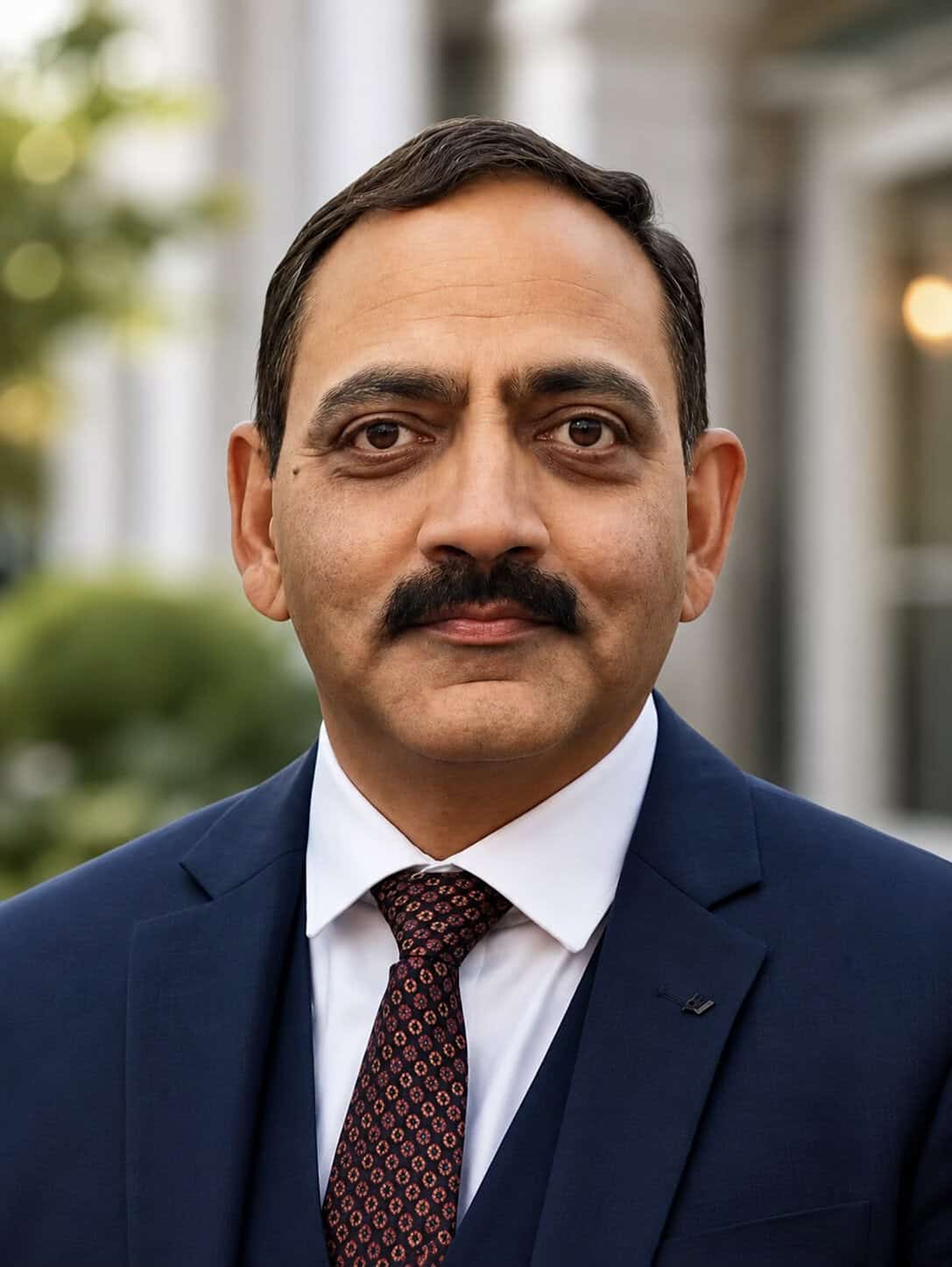
The Journey
I am Dr. Neeraj Gupta, working as a faculty member at the Central University of Himachal Pradesh (HP), an institution established by the Government of India. My academic and research career is focused on chemistry, with particular interests in green chemistry, biomass valorization, carbon-based materials, organic synthesis, electrochemical sensing, and heterogeneous catalysis. I completed my Ph.D. in Chemistry at Panjab University, Chandigarh (India), where my research focused on green reagents and methodologies for organic synthesis. I subsequently pursued postdoctoral research in biomass conversion at the University of Kentucky, USA, and in carbon materials at the IMR-Shenyang National Laboratory, Chinese Academy of Sciences, in Shenyang, China. My interest in pursuing advanced research grew from my doctoral training in sustainable chemistry and my desire to develop practical, environmentally benign technologies for chemical conversion and materials applications.
Fulbright Nehru Postdoctoral Research Fellowship Details
I was awarded the Fulbright Nehru Postdoctoral Research Fellowship (2011–2012) by the United States-India Educational Foundation (USIEF) for postdoctoral research at the University of Kentucky, USA. My research there focused on developing green technologies for the synthesis of value-added chemicals and bioactive compounds, including work related to biomass conversion and the development of efficient, non-toxic catalysts for glucose conversion to 5-hydroxymethylfurfural (5-HMF) and related molecules. The scholarship amount is ~3500 USD and may vary based on the area.
Were You Offered Any Other Scholarships?
I have also availed the Chinese Academy of Sciences (CAS) Postdoctoral Fellowship (2014–2016) at the Institute of Metal Research-Shenyang National Laboratory, Shenyang, China, for research on developing carbon-based catalysts for catalytic conversion of lignocellulosic biomass. I was also awarded the prestigious Young Scientist Award by the Department of Science and Technology, India.
Educational Background
I completed my M.S. in Chemistry from Himachal Pradesh University, Shimla (1998–2000), followed by a Ph.D. in Chemistry from Panjab University, Chandigarh (2003–2008). My doctoral thesis was titled “Green Reagents and Methodologies: Their Preparation and Use in Organic Synthesis.” I also qualified the CSIR-NET examination in Chemistry twice, in June and December 2001, and received a CSIR fellowship during my research period. This academic preparation provided a strong foundation in chemistry, research methodology, and sustainable chemical synthesis, which later supported my postdoctoral work in biomass conversion and carbon materials.
How Did You Prepare to Apply to the University of Kentucky?
I built my application around my academic training, research experience, and a clearly defined research direction. My Ph.D. work in green chemistry provided the foundation, while my subsequent research interests in sustainable synthesis and biomass conversion helped me identify postdoctoral research opportunities that closely matched my expertise. I also gained four years of industrial exposure, where I learnt commercial development of chemical products. My research experience and fellowship background, along with my industrial exposure, also helped demonstrate my ability to undertake independent research.
How Did You Find Information About Fulbright Nehru Postdoctoral Research Fellowship and University of Kentucky?
I go through websites, university portals, and advertisements shown on social platforms to apply for various postdoctoral opportunities. I also contacted my friends, who were already doing postdocs.
Did You Take Any Standardized Tests? If So, How Did You Prepare for Them?
No such test was required at that time for the Fulbright Postdoc.
How Did You Prepare to Apply for the Fulbright Nehru Postdoctoral Research Fellowship?
I prepared by building a strong academic and research profile through my Ph.D. work in green chemistry and my experience in USFDA-approved pharmaceutical R&D at IndSwift Labs and Jubilant Organosys (India). My research achievements, mainly the commercial patent on the anticancer drug Temozolomide, demonstrated my ability to translate scientific ideas into practical applications. Along with qualifying CSIR-NET and receiving the CSIR fellowship, I developed a clear research direction in green chemistry and biomass conversion. I believe this combination of academic training, industrial experience, innovation, and a focused research vision strengthened my scholarship application.
How is Your Experience at the University of Kentucky?
My Fulbright postdoctoral experience at the University of Kentucky provided an opportunity to undertake advanced research in biomass conversion and green technology. During this period, I worked on developing green technologies for the synthesis of value-added chemicals and bioactive compounds, including efficient, non-toxic catalytic systems for glucose conversion to 5-HMF and related molecules. I enjoyed a multicultural environment and learnt many new things about biomass conversion.
How Do You Rate the University of Kentucky Academically?
The University of Kentucky provided a strong research environment for my postdoctoral work in biomass conversion. The opportunity to work on green technology and value-added chemical production enabled me to broaden my research experience beyond my doctoral work and develop expertise relevant to sustainable chemistry. My subsequent research career continued to build on this foundation. This helped me to avail Chinese Academy of Sciences Fellowship.
How Does the University of Kentucky Support International Students?
I found the University of Kentucky to be very welcoming and supportive. The academic environment allowed me to work independently while benefiting from interaction with researchers from diverse backgrounds. My experience helped me adapt to an international research environment, strengthen my professional confidence, and develop a better understanding of research culture in the United States. It was also a valuable experience in learning how to maintain a healthy work–life balance while pursuing ambitious research goals. I participated in many activities and excursions that helped me understand the community in a better way.
What Did You Pursue After the Fulbright Nehru Postdoctoral Research Fellowship?
After the Fulbright fellowship, I continued my academic and research career. I joined Shoolini University in India as an Assistant Professor in November 2012 and later served as Associate Professor and Head of School. I subsequently received a Chinese Academy of Sciences Postdoctoral Fellowship from 2014 to 2016 for research on carbon-based catalysts for lignocellulosic biomass conversion. Since January 2020, I have been working in government university, Central University of Himachal Pradesh, India. My research has expanded into carbon materials, biomass valorization, catalysis, electrochemical sensing, and sustainable chemistry.
What Do You Think Made Your Application Stand Out?
I believe my application stood out because of the combination of strong academic training and practical industrial research experience. My Ph.D. in green chemistry, CSIR-NET qualification, and research in sustainable chemistry provided a strong academic foundation, while my experience at IndSwift Labs and Jubilant Organosys (India), including exposure to an FDA-approved pharmaceutical R&D environment, gave me practical insight into translating research into real-world applications. My research achievements, including a patent, further demonstrated my ability to innovate. This combination of academic expertise, industrial exposure, research experience, and a clear interest in biomass conversion made my profile distinctive and well aligned with the proposed postdoctoral research.
What Would You Have Done Differently if You Were Going Through the Process Again?
I would have focused on biomass only if I had to apply again. I felt that my earlier career years were more on organic compounds and less on biomass. So would have focused on biorefineries rather than on fundamental organic chemistry.
What Advice Would You Give Those Looking to Apply for a Similar Scholarship?
Build a strong academic and research profile before applying, and develop a clear research direction rather than applying only because a scholarship is available. Identify institutions and researchers whose expertise closely matches your interests. Present your previous research experience clearly, explain why the proposed research is important, and show how the fellowship fits into your long-term academic goals. Persistence is also important: a strong application should communicate both your technical preparation and your motivation to contribute meaningfully through research.
Want to submit your
scholarship journey?
Submit Your Story Here!
More Scholarship Recipients
My name is Shah Hussain, and I am from Khyber Pakhtunkhwa, Pakistan. I completed my Bachelor’s in Psychology at the Univer .... Read more
I am June from the Philippines. I am an educator for Social Sciences and Humanities. I recently earned my Master in Southeas .... Read more
Hi, my name is Abdul Hafeez, and I come from a small town called Nasirabad in Sindh, Pakistan. Currently, I am pursuing a ma .... Read more
Leave A Comment