
How Bevan Narinesingh, a Trinidadian and Tobagonian Scholar, Secured a Fully Funded Master’s Through the Fulbright Scholarship
University: University of Arizona
Degree: Master of Laws (LL.M.) in International Trade Law
Previous Education: Bachelor of Laws (LL.B.) at The University of the West Indies; Master of Laws (LL.M.) in Corporate and Commercial Law at the London School of Economics and Political Science
Scholarship: Fulbright Scholarship – Fully Funded (Principal Study and Living Expenses)
Social Media
LinkedIn: linkedin.com/in/bevann/
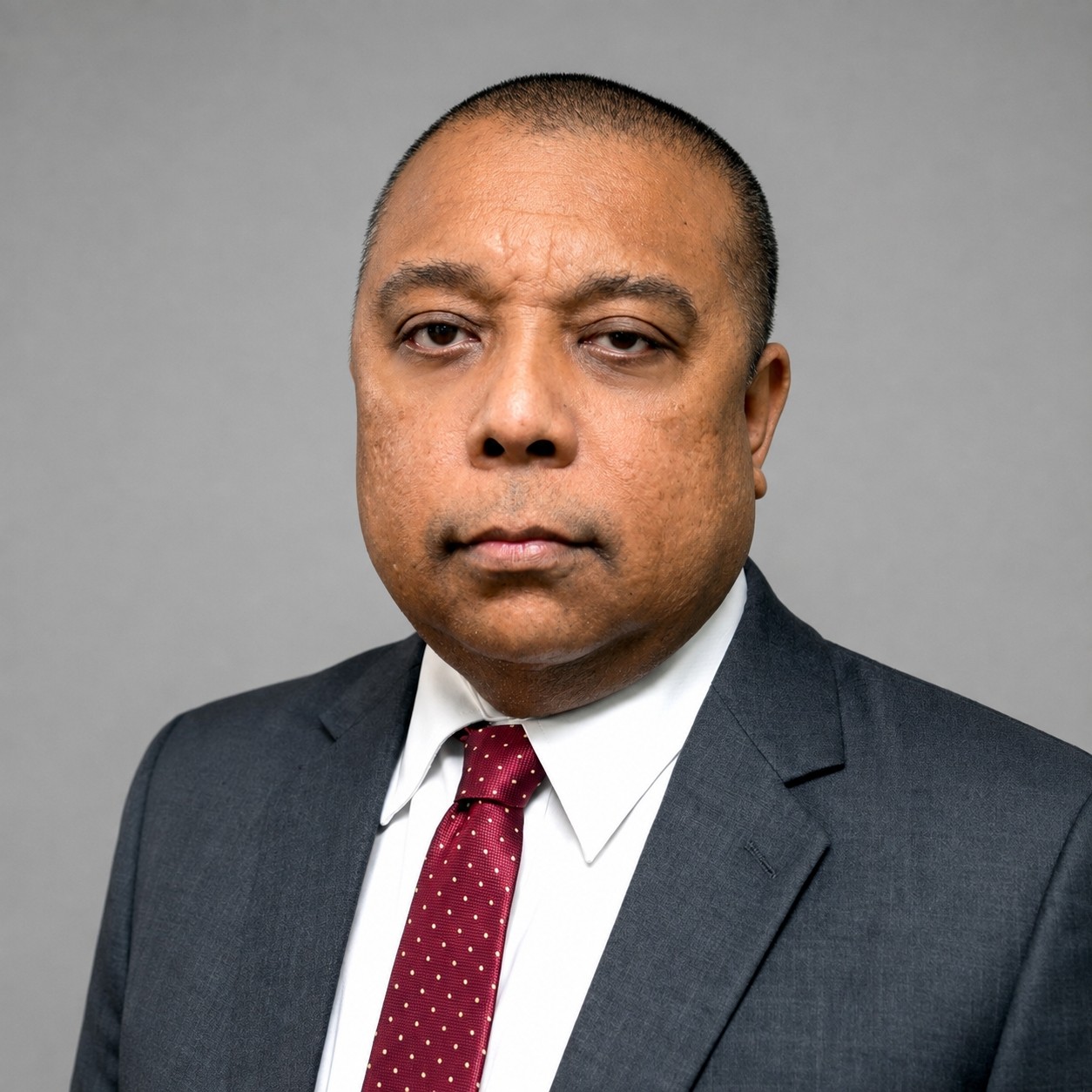
The Journey
I am Bevan Narinesingh, an Attorney-at-Law from Trinidad and Tobago and the Executive Director of the Trinidad and Tobago Fair Trading Commission, the national competition authority responsible for promoting, maintaining, and protecting competition in the local economy. In 2005, I was awarded a Fulbright Scholarship in Development Economics and Trade, which enabled me to pursue a Master of Laws (LL.M.) in International Trade Law at the University of Arizona’s James E. Rogers College of Law. At the time, I was already working on international trade matters at Trinidad and Tobago’s Ministry of Trade and Industry as a Legal Trade Specialist. I wanted specialised legal training that would deepen my understanding of the relationship between trade rules, economic development and public policy, and equip me to contribute more effectively at both the national and CARICOM levels, which is why I applied for the Scholarship.
Fulbright Scholarship Details
I received a fully funded Fulbright Scholarship in 2005 in the field of Development Economics and Trade to study at the University of Arizona’s James E. Rogers College of Law. The award covered my principal study and living expenses. My estimate of the overall value of the support is approximately US$80,000; this is an approximate figure rather than an independently verified award amount.
Were You Offered Any Other Scholarships?
I was offered other forms of financial assistance from other institutions in the United States and in the United Kingdom, but I would prefer not to disclose their details at this time.
Educational Background
Before receiving the Fulbright Scholarship, I completed my Bachelor of Laws (LL.B.) at The University of the West Indies, graduating in the top 10 per cent of my class, and a Master of Laws in Corporate and Commercial Law at the London School of Economics and Political Science, graduating with Merit. These qualifications gave me a strong foundation in legal analysis, commercial regulation and the interaction between law and economic activity. I believe, however, that my professional experience in international trade was especially important: the proposed course of study was a logical continuation of work I was already undertaking, rather than an unrelated academic interest.
How Did You Find Information About Fulbright Scholarship and University of Arizona?
I learned about the Fulbright opportunity through an advertisement on the website of the United States Embassy in Trinidad and Tobago. I then researched programmes that closely matched my professional objectives. The University of Arizona stood out because of its specialised offering in international trade law and its faculty expertise. My understanding at the time was that the programme was unusually specialised among United States public universities; that was an important factor in my choice.
Did You Take Any Standardized Tests? If So, How Did You Prepare for Them? How did you prepare?
I was not required to sit the SAT, ACT, GRE or GMAT for my LL.M. admission, and, as a native English speaker, I was not required to take the TOEFL or IELTS. Applicants should nevertheless check the current requirements of their chosen institution and scholarship programme, as these vary.
How Did You Prepare to Apply for the Fulbright Scholarship?
I devoted several days to developing a focused application, clarifying exactly what I wished to study and why it mattered to my professional work. I was deliberate in selecting referees who could speak meaningfully to my academic ability, professional experience, and potential contribution to public service. My aim was to present a coherent narrative linking my past achievements, proposed studies and future impact in Trinidad and Tobago and the wider Caribbean.
How is Your Experience at the University of Arizona?
My experience at the University of Arizona was exceptional, both academically and personally. I studied under Professor David Gantz, a leading scholar of international trade law, and had the privilege of serving as his research assistant, supporting his academic work. I also received the CALI Excellence for the Future Award in International Trade Law and Policy, an award recognising the highest-performing student in the course. Equally important were the friendships and professional relationships I developed with colleagues from countries including Mexico, Venezuela, Colombia and Thailand. Learning alongside people with different legal traditions and development experiences greatly broadened my perspective.
How Do You Rate the University of Arizona Academically?
I regard the James E. Rogers College of Law very highly, particularly for the quality of its teaching and scholarship in international trade and international law. I also valued the breadth of expertise available across areas such as trial advocacy, environmental law, health law, criminal law, and Indigenous Peoples Law and Policy. The combination of rigorous academic instruction, access to distinguished faculty, and opportunities for research made it an excellent environment for postgraduate study.
How Does the University of Arizona Support International Students?
The University of Arizona had dedicated services and personnel to assist international students. In my experience, the support was helpful and responsive, and the presence of students from many countries created a welcoming learning environment. The opportunity to exchange ideas across cultures was itself an important part of the education.
What Did You Pursue After the Fulbright Scholarship?
The Fulbright experience reinforced my commitment to using legal expertise in the service of economic development and stronger public institutions. My subsequent career has included regional work at the CARICOM Secretariat and leadership of the Fair Trading Commission of Trinidad and Tobago, where I have worked to strengthen competition policy, regulatory institutions, stakeholder engagement, and cooperation with regional and international counterparts.
I have also remained committed to education and community service. This has included mentoring through the LSE Black and Minority Ethnic Mentoring Scheme; supporting an educational initiative for migrant children attending the Hispanic Learning Centre in South Trinidad; and serving as Chair of The University of the West Indies Alumni Association of Trinidad and Tobago’s Distinguished Alumni Lecture Series. I have also participated in initiatives supporting student scholarships and bursaries. These experiences reflect a conviction that the benefits of educational opportunity should be shared with others..
What Do You Think Made Your Application Stand Out?
I believe the combination of academic achievement, professional experience and clarity of purpose distinguished my application. I had already completed postgraduate study and was working directly in international trade, so I could explain precisely how the scholarship would build on my existing expertise. More importantly, I had a clear ambition to use what I learned to make a meaningful contribution to Trinidad and Tobago and the wider CARICOM region. I think selection panels respond positively when applicants can demonstrate not only that they are capable of succeeding academically, but also that they have thought seriously about how they will apply the opportunity afterwards.
What Would You Have Done Differently if You Were Going Through the Process Again?
With hindsight, I might have explored the possibility of pursuing an MBA instead of a second LL.M., given the broader management and leadership training it could have offered. The Fulbright opportunity potentially allowed for a longer period of study, but at approximately 29 years old I was conscious of the professional and financial implications of spending two years away from the workforce, even with the scholarship covering my expenses. I therefore selected a programme closely aligned with my existing work and completed it within a shorter period. I do not regret the decision: the LL.M. proved extremely valuable. My reflection is simply that applicants should consider both their immediate specialisation and the longer-term skills they may wish to develop.
What Advice Would You Give Those Looking to Apply for a Similar Scholarship?
My first advice is to persevere. A setback in one application should not discourage you from pursuing another opportunity. Research the scholarship carefully, select a course of study that genuinely fits your goals, and be able to explain why it matters. Build an application around a clear story of preparation, purpose and intended impact rather than relying solely on academic credentials. Choose referees who know your work well. At interview, be prepared, articulate and confident, but above all be yourself. Scholarship programmes such as Fulbright value the potential to build relationships, exchange ideas and contribute to society; demonstrate how you hope to do those things.
Want to submit your
scholarship journey?
Submit Your Story Here!
More Scholarship Recipients
My name is Shah Hussain, and I am from Khyber Pakhtunkhwa, Pakistan. I completed my Bachelor’s in Psychology at the Univer .... Read more

I am June from the Philippines. I am an educator for Social Sciences and Humanities. I recently earned my Master in Southeas .... Read more
Hi, my name is Abdul Hafeez, and I come from a small town called Nasirabad in Sindh, Pakistan. Currently, I am pursuing a ma .... Read more
Leave A Comment