
University of Boras Scholarships for International Students 2027
Students considering University of Boras can explore scholarships that range from fully funded support to partial awards. This shortlist highlights higher coverage options first.
For institution funded support at University of Boras, these scholarships are frequently highlighted when prioritizing higher coverage. Doctoral Studentships is fully funded, and coverage often includes full tuition fees and monthly salary. Scholarships for International Students is partially funded and typically covers approximately 75% off tuition fees.
Outside the university’s own funding routes, University of Boras students may be eligible for external programs that can offer substantial support. Here are a few to consider. With SI Scholarship for Global Professionals, students may receive fully funded support, and coverage frequently includes 100% tuition fees, SEK 12,000 monthly stipend, and illness and accident insurance coverage. Pioneering Women in STEM is a full tuition award, and the listed benefits often include full tuition fees for up to 2 years, SEK 12,000 monthly living allowance, and One-time SEK 15,000 travel grant for recipients not already living in Sweden.
This is only a shortlist. Additional scholarships and funding options appear further down on this page.
University of Boras Scholarships for International Students
The scholarships at University of Boras can help fund your study expenses. There are currently 5 scholarships being offered to international students at the University of Boras, all with varying requirements, benefits, and application processes. We have compiled them in this list to help you find the scholarship that best fits you.
Graduate Scholarships
External Scholarships
There are many degrees that are open to international students right now — find yours.
University of Boras Admissions
Here are the official admission pages for University of Boras:
| Degree | Admissions Pages |
|---|---|
| Bachelor's | International Students Admissions Page |
| Master's | International Students Admissions Page |
University of Boras Application Deadlines
Tuition Fees at University of Boras for International Students
Indicative annual tuition fee ranges for international students at University of Boras. Exact fees vary by program, so always confirm the current cost on the university's official tuition fee pages.
| Degree Level | Typical Annual Range |
|---|---|
| Bachelor's Tuition | 139,000 – 320,000 kr |
| Master's Tuition | 94,000 – 320,000 kr |
Please note that tuition fees can vary based on the specific program you choose. For the most accurate and current fee information, consult the official tuition fee pages linked above.
University of Boras Scholarship Recipients
International students who received scholarships to study at University of Boras, documented by Global Scholarships.
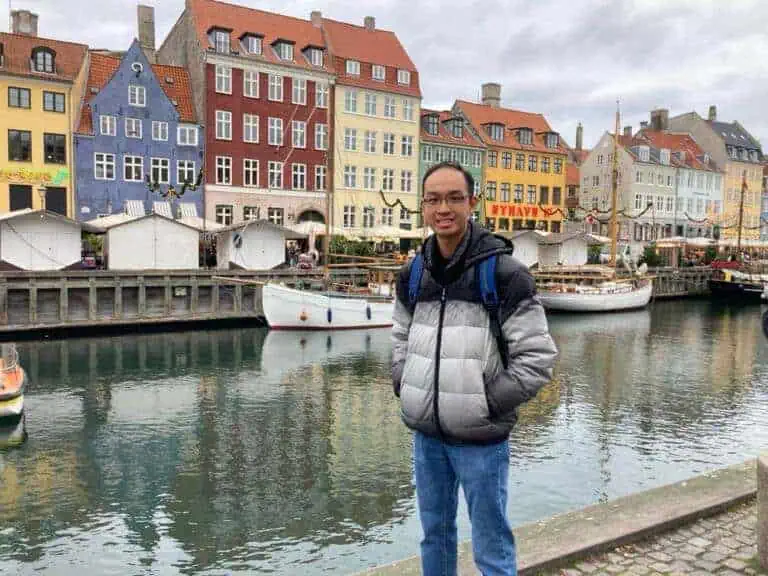
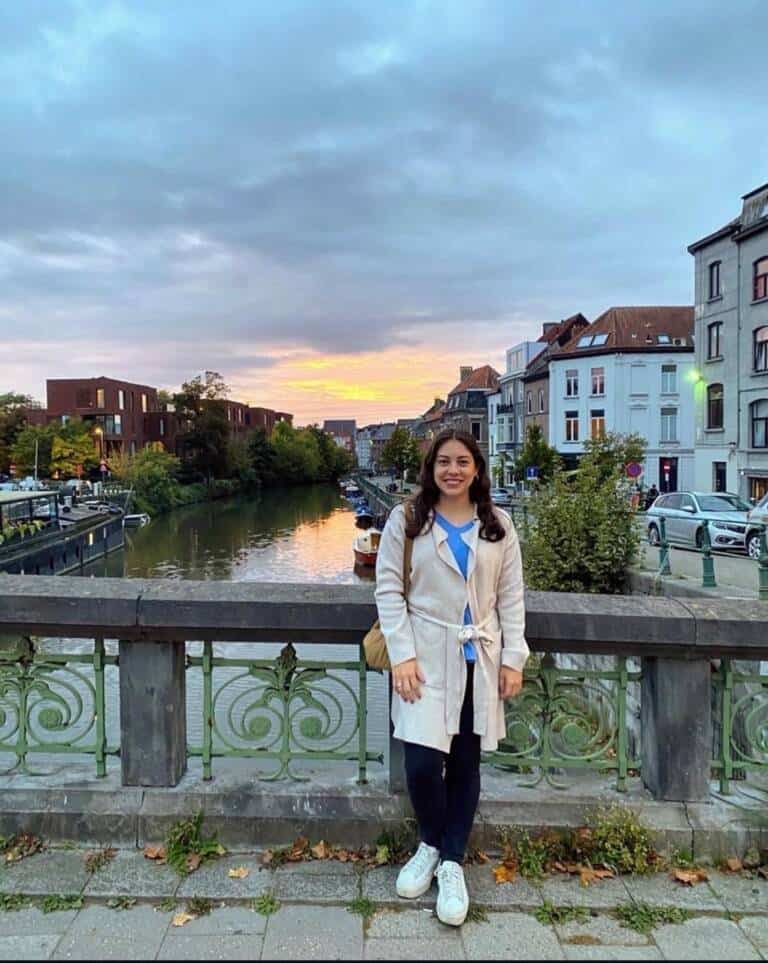
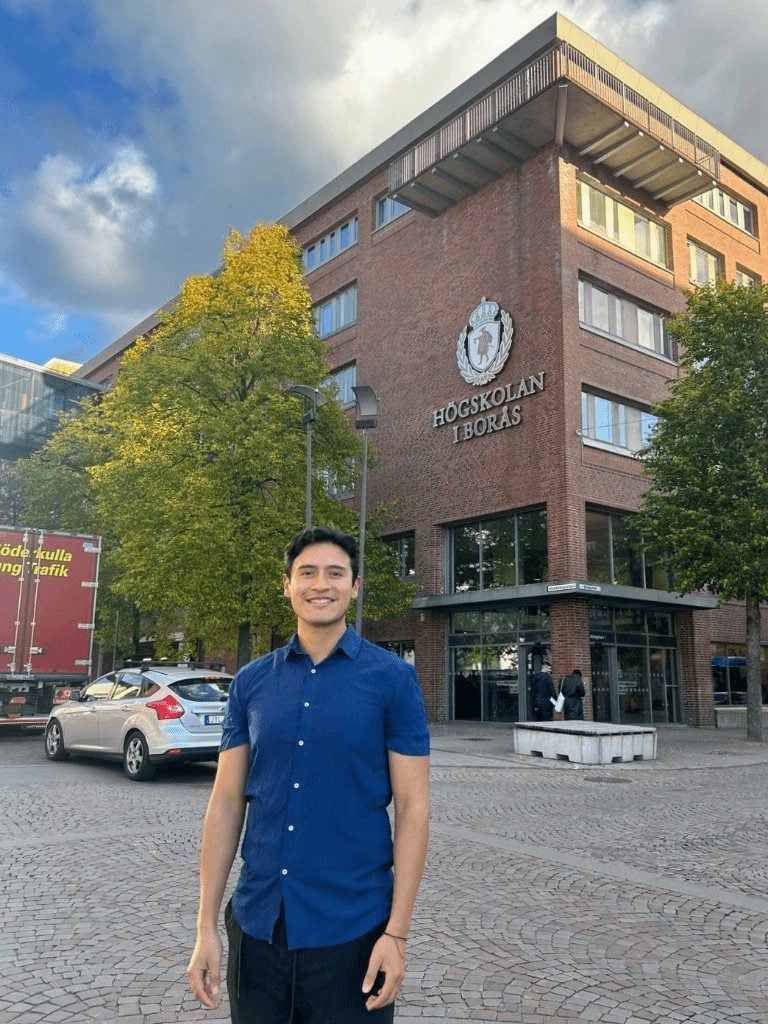
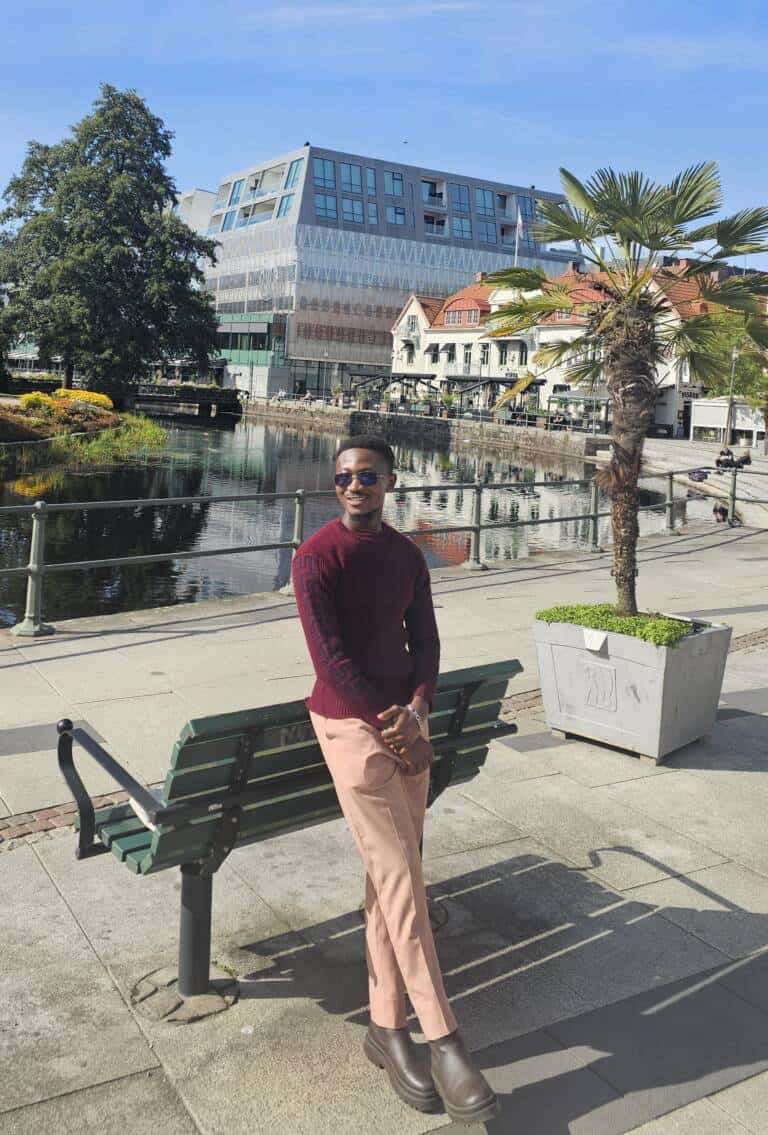
Scholarship Recipient Insights at University of Boras
4 degree-study stories describe University of Boras.
Featured Recipients
| Nationalities | Stories per nationality |
|---|---|
| Mexican | 2 each |
| Ghanaian, Malaysian | 1 each |
Degrees Represented
| Degree level | Stories | Subjects |
|---|---|---|
| Master’s | 4 | Management and Engineering of Environment and Energy (ME3+); Textile Engineering (WE-TEAM) |
Funding Routes Used
| Funding route | Stories | Recipients |
|---|---|---|
| Erasmus Mundus Scholarship | 4 | Nene Abayateye; Angel Vargas; Paula Vallarta; Tuo Sern |
Funding Coverage Reported by Recipients
| Recipient and degree/program | Reported coverage |
|---|---|
| Nene Abayateye — Joint Master’s in Management and Engineering of Environment and Energy (ME3+) — Life Cycle Assessment | Nene said the award covered living costs across Hungary, France and Sweden and allowed some savings. His costs rose across those three study locations. |
| Angel Vargas — Double Master’s in Management and Engineering of Environment and Energy (ME3+) — Environment and Resource Recovery | Angel described a fully funded Erasmus Mundus program. Sweden was his most expensive country overall, while rent was highest in France. He budgeted for both essential expenses and savings. |
| Paula Vallarta — Joint Master’s in Textile Engineering (WE-TEAM) | Paula received a full EMJM scholarship. Borås housing was cheaper than in Ghent, but transport was expensive; Athens was her most affordable location. She prioritised essential expenses. |
| Tuo Sern — Joint Master’s in Textile Engineering (WE-TEAM) | Tuo Sern reported a fully funded award valued at €49,000: tuition, €1,000 monthly living support, annual travel allowances, health insurance and an installation contribution. |
Teaching Language Reported in Different University of Boras Programs
| Recipient and degree/program | Reported teaching language |
|---|---|
| Nene Abayateye — Joint Master’s in Management and Engineering of Environment and Energy (ME3+) — Life Cycle Assessment | Instruction was in English at all three universities on his track. Swedish was used in daily life, and he found spoken English more widespread in Sweden than in Hungary or France. |
| Paula Vallarta — Joint Master’s in Textile Engineering (WE-TEAM) | Instruction was primarily English. Paula found everyday communication generally manageable in English, while deeper integration and access to work were harder without the local language. |
| Tuo Sern — Joint Master’s in Textile Engineering (WE-TEAM) | All classes were in English; master’s theses were written and defended in English. |
English-taught programs / stories reporting teaching language: 2/3. The third account described instruction as primarily English.
Academic and Mobility Experiences
| Recipient and degree/program | Experience described in the story |
|---|---|
| Nene Abayateye — Joint Master’s in Management and Engineering of Environment and Energy (ME3+) — Life Cycle Assessment | Studied at Budapest University of Technology and Economics, IMT Atlantique and University of Borås. Specialised in measuring environmental impacts through Life Cycle Assessment and undertook a thesis internship on electronic products; he also volunteered at an LCA symposium in Gothenburg. |
| Angel Vargas — Double Master’s in Management and Engineering of Environment and Energy (ME3+) — Environment and Resource Recovery | His track progressed from energy engineering, finance and climate change to environmental technologies and systems modelling, then third-semester Life Cycle Assessment, circular economy and resource recovery through company projects. He reported an end-of-studies internship at Rainbow, a carbon-credit startup in Lyon. |
| Paula Vallarta — Joint Master’s in Textile Engineering (WE-TEAM) | Studied in Ghent, Athens and Borås. Described intensive textile-engineering modules, a different course each week and examinations approximately every six weeks, with visiting specialist professors from several countries. |
| Tuo Sern — Joint Master’s in Textile Engineering (WE-TEAM) | Studied his third semester at University of Borås after Ghent and ENSISA. His summer 2024 internship in Dresden examined textile-foam interactions for automotive seating; after Borås, he completed a master’s thesis in Dresden on 3D printing on textiles for protective sports knee sleeves. |
Examples of Featured Recipients’ Application Backgrounds
| Recipient and degree/program | Scholarship/application route | Reported background and preparation |
|---|---|---|
| Nene Abayateye — Joint Master’s in Management and Engineering of Environment and Energy (ME3+) — Life Cycle Assessment | Erasmus Mundus Scholarship — ME3+ | Mechanical Engineering bachelor’s at Ashesi University, 2016–2020, GPA 3.39/4.0 and second-class upper; engineering internships and three years of energy-company work in Ghana and Burkina Faso. After rejection, he strengthened language credentials and added renewable-energy coursework, then tied work experience and a project idea to the motivation letter. |
| Angel Vargas — Double Master’s in Management and Engineering of Environment and Energy (ME3+) — Environment and Resource Recovery | Erasmus Mundus Scholarship — ME3+ | Renewable Energy Engineering studies, co-founding a biodigester startup and two years as a patent engineer. He linked innovation and climate-action experience, youth awards and his EU–Mexico youth climate ambassador role in 2023 to his purpose in seeking the program. |
| Paula Vallarta — Joint Master’s in Textile Engineering (WE-TEAM) | Erasmus Mundus Scholarship — WE-TEAM | Chemical Engineering bachelor’s at Universidad de las Américas Puebla and German automotive-industry work with thermoplastics, textiles, leatherette and coated surfaces. She tailored her CV and motivation letter to the program’s materials focus and industry connections. |
| Tuo Sern — Joint Master’s in Textile Engineering (WE-TEAM) | Erasmus Mundus Scholarship — WE-TEAM | Industrial Engineering bachelor’s with Mathematics minor at Wichita State University, GPA 3.31/4.0 and cum laude. Three years of US automotive-logistics work, engineering-honours-society participation and badminton leadership helped shape his Europass CV. |
How Recipients Met Language Requirements
| Language requirement route | Stories / total degree-study stories | Recipients and examples |
|---|---|---|
| IELTS taken for the application | 1/4 | Nene Abayateye — Joint Master’s in Management and Engineering of Environment and Energy (ME3+) — Life Cycle Assessment: Nene took IELTS even though an English certificate was not required, and submitted an English C1 certificate with his second application. |
| English-test exemption based on prior English-medium coursework | 1/4 | Tuo Sern — Joint Master’s in Textile Engineering (WE-TEAM): Tuo Sern reported exemption after at least 60 credit hours of English-medium study in the USA, documented with a stamped and signed Wichita State University proficiency certificate. |
Application Timelines Reported by Recipients
| Recipient and degree/program | Application or scholarship route | Reported application timeline |
|---|---|---|
| Nene Abayateye — Joint Master’s in Management and Engineering of Environment and Energy (ME3+) — Life Cycle Assessment | Erasmus Mundus Scholarship — ME3+ | First application season: rejections → strengthened language credentials, including a two-week German course followed by the A2 examination, and added renewable-energy courses → second application with English C1, French B2 and German A2 certificates → successful scholarship application in 2023. |
What Featured Recipients Would Prepare Differently
| Recipient and degree/program | Reported reflection |
|---|---|
| Angel Vargas — Double Master’s in Management and Engineering of Environment and Energy (ME3+) — Environment and Resource Recovery | Angel would worry less and plan at a calmer, steadier pace rather than carrying the urgency of his application period into study abroad. |
| Paula Vallarta — Joint Master’s in Textile Engineering (WE-TEAM) | Paula would search for internships earlier, ideally at least six months ahead, to improve access to professional experience and potential paid opportunities. |
| Tuo Sern — Joint Master’s in Textile Engineering (WE-TEAM) | Tuo Sern would complete the optional video-interview part of the application to present stronger answers to its questions. |
What Scholarship Recipients Say
Advice and insights from international students who successfully secured funding to study at University of Boras.
"The Erasmus Mundus in Management and Engineering of Environment and Energy (ME3+) is divided into three tracks, generally focusing on renewable energy technologies and environmental engineering-related topics. My specialization has a focus on Life Cycle Assessment, which deals with the measurement of the environmental impact (eg. Carbon footprint) of products."
"For my specialization, I studied at the Budapest University of Technology and Economics (Budapest, Hungary), IMT Atlantique (Nantes, France), and finally at the University of Borås (Borås, Sweden). My academic track took place in these 3 countries."
"The language of instruction fortunately was English for all the three universities in which I studied. However, the day-to-day spoken language for all three universities was Hungarian, French, and Swedish in that order. The Swedish people had the highest level of spoken English among the three countries."
There are many degrees that are open to international students right now — find yours.
About the Author: Hyun Lee


Leave A Comment