
Leibniz University Hannover Scholarships for International Students 2027
Leibniz University Hannover is linked to scholarships that can reduce costs in meaningful ways. Here are a few strong options prioritized by funding level.
On the institution side, Leibniz University Hannover is connected to scholarships that can reduce tuition and sometimes extend to other study costs. These are practical starting points. Free Tuition is commonly categorized as full tuition support, and coverage that often includes full tuition fees for four years for bachelors degrees, two years for masters degrees, and up to six years for doctorate degrees.
Beyond campus funding, Leibniz University Hannover applicants often explore outside opportunities including government backed and independent programs. These are common starting points. DAAD Scholarships is usually considered fully funded, and typical coverage can include €992 for master's and €1,300 for Ph.D. students, health insurance, and one-time research allowance. A strong option is PTDF Overseas Postgraduate Scholarship Scheme which is fully funded and often covers full tuition fees for approved programmes, research bench fees and where applicable, and return flights. DAAD EPOS (Development-Related Postgraduate Courses) is fully funded, and coverage often includes full tuition fee waiver, health insurance, and A monthly stipend of €934 for Master's students.
For the complete set of linked scholarships including additional options and details, continue below on this page.
Leibniz University Hannover Scholarships for International Students
The scholarships at Leibniz University Hannover can help fund your study expenses. There are currently 9 scholarships being offered to international students at the Leibniz University Hannover, all with varying requirements, benefits, and application processes. We have compiled them in this list to help you find the scholarship that best fits you.
Undergraduate Scholarships
Graduate Scholarships
External Scholarships
There are many degrees that are open to international students right now — find yours.
Leibniz University Hannover Admissions
Here are the official admission pages for Leibniz University Hannover:
| Degree | Admissions Pages |
|---|---|
| Bachelor's | International Students Admissions Page |
| Master's | International Students Admissions Page |
Leibniz University Hannover Application Deadlines
| Degree | Admission Deadline |
|---|---|
| Bachelor's (Winter) | July 15, 2026 |
| Bachelor's (Summer) | January 15, 2027 |
| Master's (Winter) | July 15, 2026 Different Master's programs have different deadlines |
| Master's (Summer) | January 15, 2027 Different Master's programs have different deadlines |
Tuition Fees at Leibniz University Hannover for International Students
Indicative annual tuition fee ranges for international students at Leibniz University Hannover. Exact fees vary by program, so always confirm the current cost on the university's official tuition fee pages.
| Degree Level | Typical Annual Range |
|---|---|
| Bachelor's Tuition | Free |
| Master's Tuition | Free |
Please note that tuition fees can vary based on the specific program you choose. For the most accurate and current fee information, consult the official tuition fee pages linked above.
Leibniz University Hannover Scholarship Recipients
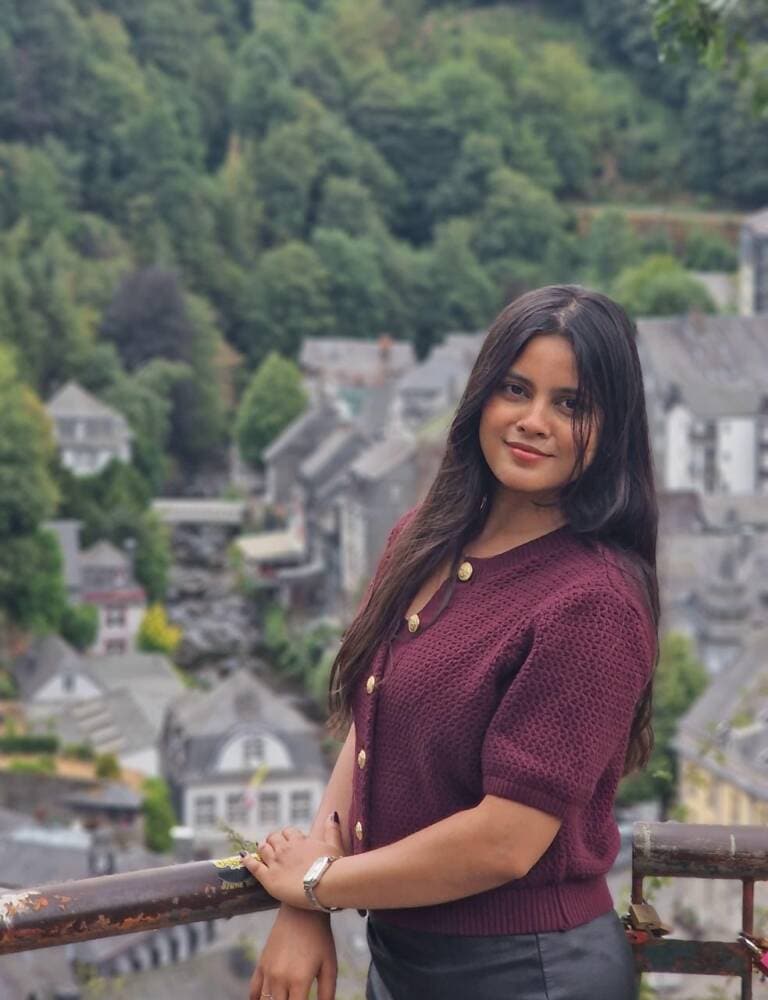
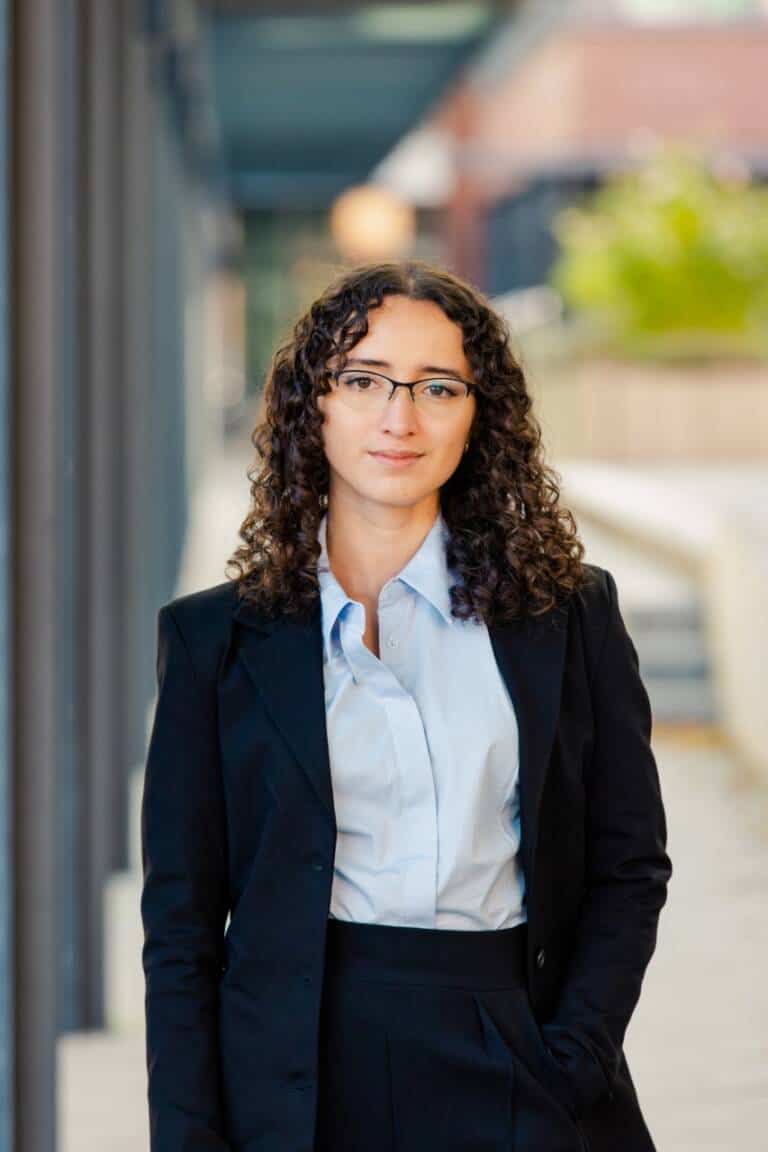
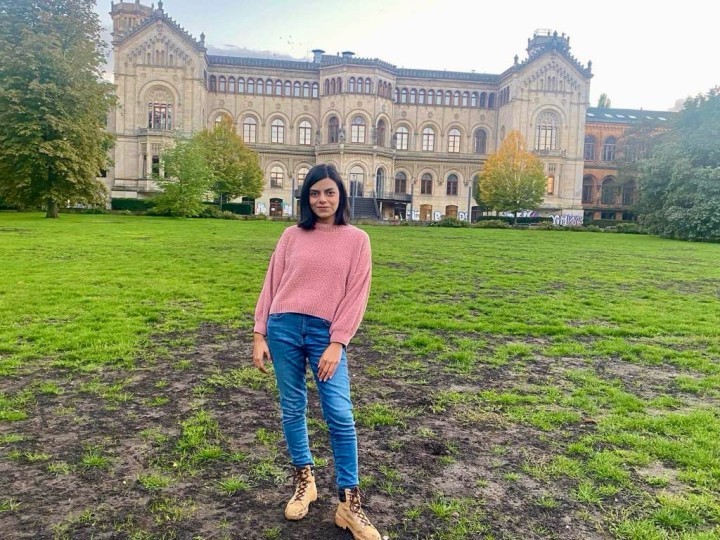
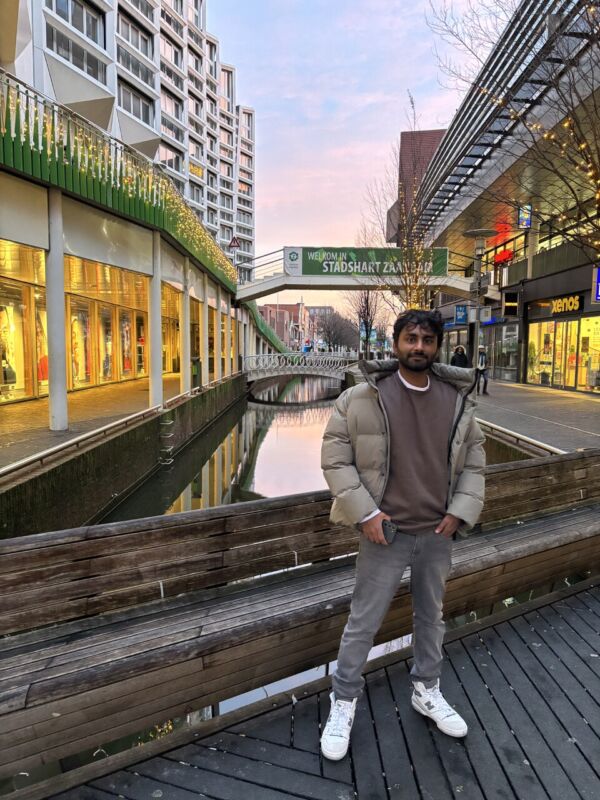
International students who received scholarships to study at Leibniz University Hannover, documented by Global Scholarships.

Scholarship Recipient Insights at Leibniz University Hannover
5 degree-study stories feature study at Leibniz University Hannover.
Featured Recipients by Nationality
| Nationalities | Stories per nationality |
|---|---|
| Nigerian | 2 each |
| Costa Rican, Nepali, Pakistani | 1 each |
Degree Levels and Subjects
| Degree level | Stories | Subjects |
|---|---|---|
| Master’s | 5 | International Horticulture; Phytomedicine — Environmental Protection and Sustainability; Plant Biotechnology, Physiology and Genetics; Water Resources and Environmental Management; Water Resources and Environmental Management (WATENV) |
Selected Funding Routes Reported by Featured Recipients
| Funding route | Stories | Recipients |
|---|---|---|
| DAAD EPOS | 3 | Ekejiuba Emeka; Andrea Avendano Vargas; Neha Bhandary |
| DAAD Award | 1 | Ezeoke Amarachi QueendalineI |
Funding Coverage Reported by Recipients
| Recipient and degree/program | Reported coverage |
|---|---|
| Ezeoke Amarachi QueendalineI — Master’s in Plant Biotechnology, Physiology and Genetics | DAAD award reported in 2019 for two years, providing €850 per month. |
| Andrea Avendano Vargas — Master’s in International Horticulture | DAAD EPOS: €950 monthly stipend, return travel to Costa Rica and German courses. Her university semester fee, approximately €400, remained a separate expense. |
| Neha Bhandary — Master’s in Water Resources and Environmental Management (WATENV); studied 2023–2025 | DAAD EPOS supported 2023–2025 studies; €954 monthly stipend used for rent and other living expenses. |
Examples of Featured Recipients’ Application Backgrounds
| Recipient and degree/program | Scholarship/application route | Reported background and preparation |
|---|---|---|
| Ezeoke Amarachi QueendalineI — Master’s in Plant Biotechnology, Physiology and Genetics | DAAD Award | First-Class Crop Science/Horticulture bachelor’s at Nnamdi Azikiwe University, GPA 4.52/5, completed 2017; fieldwork, breeding and experimental-design training preceded her plant-genetics master’s. |
| Rabeia Malik — Master’s in Water Resources and Environmental Management | DAAD scholarship application | NUST Environmental Engineering BSc completed 2019; Rector’s Gold Medal for her final-year project. Work on biohydrogen, aeroponics and environmental projects informed her programme search and motivation letter. |
| Ekejiuba Emeka — Master’s in Phytomedicine — Environmental Protection and Sustainability | DAAD EPOS | First-Class Zoology/Entomology bachelor’s, GPA 4.7/5; top departmental, specialty and faculty recognition. Research interests in environmental entomology guided the programme choice. |
| Andrea Avendano Vargas — Master’s in International Horticulture | DAAD EPOS | Biology bachelor’s with Biotechnology emphasis, graduating score 92%; three years of plant-tissue-culture research at Costa Rica’s National Center for Biotechnological Innovations. |
| Neha Bhandary — Master’s in Water Resources and Environmental Management (WATENV); studied 2023–2025 | DAAD EPOS | Civil Engineering bachelor’s and more than two years as a Hydropower Engineer. Explained pandemic-related degree delays in her interview and linked her work to advanced water-resources training. |
How Recipients Met Language Requirements
| Language requirement route | Stories / total degree-study stories | Recipients and examples |
|---|---|---|
| TOEFL taken for the application | 1/5 | Andrea Avendano Vargas — Master’s in International Horticulture — prepared with online mock tests. |
| IELTS taken for the application | 1/5 | Neha Bhandary — Master’s in Water Resources and Environmental Management (WATENV); studied 2023–2025 — approximately one month of self-study. Described a requirement of overall 6.5 and minimum 6.0 in each section. |
| Accepted prior English-medium education certificate | 1/5 | Ekejiuba Emeka — Master’s in Phytomedicine — Environmental Protection and Sustainability — provided an official undergraduate institution certificate to waive IELTS. |
Teaching-Language Overview
| Measure | Stories |
|---|---|
| English-taught programs / stories reporting teaching language | 3/3 |
Teaching Language Reported in Different Leibniz University Hannover Programs
| Recipient and degree/program | Reported instruction language |
|---|---|
| Ekejiuba Emeka — Master’s in Phytomedicine — Environmental Protection and Sustainability | Reported classes in English; valued learning German for employment integration. |
| Andrea Avendano Vargas — Master’s in International Horticulture | Classes conducted in English. |
| Neha Bhandary — Master’s in Water Resources and Environmental Management (WATENV); studied 2023–2025 | Entire master’s programme taught in English, including lectures, assignments and exams; German was useful for appointments, official correspondence and daily life. |
Firsthand Academic and Campus Experiences
| Recipient and degree/program | Reported experience |
|---|---|
| Ezeoke Amarachi QueendalineI — Master’s in Plant Biotechnology, Physiology and Genetics | Master’s research focused on genetic dissection and breeding, with advanced training in molecular genetics, biotechnology and computational biology. Graduated with a German-scale GPA of 1.4. |
| Ekejiuba Emeka — Master’s in Phytomedicine — Environmental Protection and Sustainability | Developed research and analytical skills and had opportunities to learn German. |
| Neha Bhandary — Master’s in Water Resources and Environmental Management (WATENV); studied 2023–2025 | Valued friendships and collaborative exam preparation with classmates from different countries. Wished she had progressed beyond pre-arrival German A1 toward A2 or B1. |
Application Timelines Reported by Recipients
| Recipient and degree/program | Application or scholarship route | Reported application timeline |
|---|---|---|
| Ekejiuba Emeka — Master’s in Phytomedicine — Environmental Protection and Sustainability | DAAD EPOS | Began applying to several scholarship programmes in 2019 → faced rejections and disrupted earlier opportunities in 2020 → reapplied in 2020 to fewer, better-aligned programmes → selected for the Hannover master’s. |
Other Offers in Featured Applicants’ Journeys
| Recipient | Reported alternative | Decision described in the story |
|---|---|---|
| Ekejiuba Emeka — Master’s in Phytomedicine — Environmental Protection and Sustainability | Talented Young Scientist of Nigeria scholarship and University of Sheffield International Merit Award; also Gadjah Mada Fellowship and Queen Elizabeth Commonwealth Scholarship awards. | Could not proceed with the initial opportunities because of COVID-19 disruption and funding limitations; subsequently selected DAAD EPOS and studied at Hannover. |
What Featured Recipients Would Do Differently
| Recipient and degree/program | Retrospective lesson |
|---|---|
| Ekejiuba Emeka — Master’s in Phytomedicine — Environmental Protection and Sustainability | Would focus on closely aligned programmes earlier and devote more time to application documents. |
| Rabeia Malik — Master’s in Water Resources and Environmental Management | Would connect with students, scholarship recipients and alumni rather than concentrating only on document preparation. |
| Neha Bhandary — Master’s in Water Resources and Environmental Management (WATENV); studied 2023–2025 | Would learn more German before arrival to make everyday life easier. |
What Recipients Pursued After Studying at Leibniz University Hannover
| Recipient | Degree/program at Leibniz University Hannover | Reported outcome |
|---|---|---|
| Ezeoke Amarachi QueendalineI | Master’s in Plant Biotechnology, Physiology and Genetics | Subsequently pursued a Biology PhD focused on genetics at Carleton University in Ottawa; reported funded doctoral study from 2022 onward. |
| Ekejiuba Emeka | Master’s in Phytomedicine — Environmental Protection and Sustainability | Reported working as a Process Quality Control Engineer. |
| Andrea Avendano Vargas | Master’s in International Horticulture | Entered a graduate programme at a German plant-breeding company, then became an Agronomist and Commercial Manager for sugar beets. |
Research-Visit and Exchange Pathways
| Participant and context | Reported pathway |
|---|---|
| Vinayak Bhaskar Naik — Structural Engineering master’s research visit; degree at IIT Kharagpur | DAAD KOSPIE funded Hannover research on physics-informed neural networks. Reported €934 monthly stipend, insurance, €1,425 round-trip travel support, €268 one-time research allowance, rent subsidy and a four-week German course. Secured a host acceptance letter from Prof. Raimund Rolfes and an IIT no-objection certificate. |
| Hiroki Oshio — Management Science undergraduate exchange, 2023 | Spent one year at Leibniz University Hannover during his bachelor’s programme. The experience encouraged later master’s study in Germany; began Management Science at Goethe University in October 2025. |
What Scholarship Recipients Say
Advice and insights from international students who successfully secured funding to study at Leibniz University Hannover.
"Scholarship: DAAD KOSPIE Scholarship – Full Funding (includes monthly stipend of €934, health, accident, and liability insurance, travel allowance of €1425, research allowance of €268, intensive German language course, and monthly rent subsidy)"
"I approached the DAAD scholarship application with structure. I made a checklist of all required documents, CV, motivation letter, degree certificates, transcripts, language proof, and letters of recommendation, and gave each piece dedicated attention. I started the process well before the deadline, and started massive Excel sheets to keep track of the deadlines and my progress."
"Today, I’m pursuing my Master’s in Water Resources and Environmental Management at Leibniz University Hannover in Germany."
"My experience at LUH was fantastic. Everyone, from my supervisor to fellow researchers and staff, was exceptionally welcoming and supportive."
"I focused on programs aligned with my academic background and research interests. I carefully reviewed program requirements and ensured my application materials reflected a strong fit."
"My experience was very positive. I developed strong research and analytical skills and also had the opportunity to learn the German language, which is valuable for integration into the job market."
Frequently asked questions
Common questions about scholarships, admissions, and studying at Leibniz University Hannover.
Leibniz University Hannover (LUH) does have some distance-learning (online + attendance/exam phases) Master’s options (for example, “Water and Environment (distance learning)” and a distance-learning track in Civil Engineering/Structural Engineering). However, most LUH scholarships are written for enrolled students in general (not “online-only”).
Both. LUH offers German-taught programmes, English-taught programmes, and multilingual programmes. LUH defines “English-language” as programmes where “only proof of English language skills is required” and the programme “can be studied entirely in English,” with German recommended but not compulsory.
In scholarship stories, you can see both sides: Rabeia Malik described that she “prepared for the IELTS on my own while working full-time,” which fits the profile of English-taught study paths; meanwhile Vinayak Bhaskar Naik notes his funding included “a fun and informative 4-week intensive German language course,” which is common even when your academic work is largely in English.
LUH scholarships typically focus on enrolment status and being within the standard period of study, rather than an explicit age cap. For example, LUH scholarship eligibility wording is usually about being enrolled and meeting programme conditions (and for some grants, being in a specific study phase), not about age.
Generally, LUH scholarships are not limited to one subject area—many are open across disciplines as long as you are enrolled and meet the criteria. LUH has nine faculties spanning engineering, natural sciences, math/physics, economics/management, humanities, law, and more.
Examples from recipients: Rabeia Malik (environmental engineering/water) and Vinayak Bhaskar Naik (structural engineering + AI methods) both pursued engineering-related paths funded via DAAD, showing that engineering/STEM is very active; LUH’s English-taught list also includes business-adjacent options like “Economics and Management.”
Engineering/STEM: Strong coverage via LUH faculties and many English-taught Master’s options (e.g., Computer Science, Physics, Environmental Engineering, Water Resources, Quantum Engineering).
Business: LUH lists “Economics and Management” among its English-language programmes, and business/economics sits within the Faculty of Economics and Management.
Humanities: LUH has a Faculty of Humanities and offers English or multilingual options (e.g., North American Studies; bilingual concepts also exist in some programmes).
Medicine: LUH itself is not a medical university; in Hannover, Human Medicine is offered at Hannover Medical School (MHH), which has its own admissions and funding ecosystem. International eligibility for medicine depends on MHH and the national/state-regulated admissions rules for medicine (it is not handled as a standard LUH programme).
It depends on the funding source. Some LUH scholarships are open broadly to enrolled students (often without a nationality restriction stated), while certain LUH support schemes are specifically for international students from non-EU countries.
From recipient stories on GlobalScholarships, you can see international outcomes: Rabeia Malik (Pakistan) and Vinayak Bhaskar Naik (India) both won DAAD funding connected to LUH.
Often yes, but it depends on the programme: some Master’s programmes require German, some require English, and some require both. LUH states that some Master’s programmes require German language skills, others German and English, and some only English for application, so the required test type follows the programme language rules.
Here’s an example from a scholarship recipient: Rabeia Malik said she “prepared for the IELTS on my own,” and LUH’s Water Resources and Environmental Engineering programme lists English C1 and references tests such as TOEFL and IELTS for applicants from non-English-speaking countries.
There isn’t one single LUH-wide minimum grade that applies to every programme; requirements vary by degree programme and are defined in each programme’s admission and special language regulations. Scholarship journeys show why “minimum grade” rarely tells the full story: Rabeia Malik wrote, “While I didn’t graduate with the highest grades, my curiosity and research instincts set me apart,” and she highlights awards/research impact; Vinayak Bhaskar Naik lists very high CGPAs (8.9/10 and 9.59/10) and a research proposal-driven approach. In practice, competitive programmes and scholarships often consider your academic record plus fit, language, and motivation/research plan.
There are many degrees that are open to international students right now — find yours.
About the Author: Hyun Lee


Leave A Comment