
Dongseo University Scholarships for International Students 2027
To help students manage tuition and living expenses, Dongseo University connects to scholarships across different funding levels. Here are several top options to review first.
Among the university based funding routes linked to Dongseo University, these scholarships tend to stand out for their level of support and overall value. Scholarships for International Students is full tuition and typically covers 100%, 50%, and 40% or 30% tuition fee depending on student's merit and need.
To broaden funding options beyond institutional awards at Dongseo University, these external and government scholarships are commonly considered as well. Global Korea Scholarship (GKS) is a fully funded award, and the listed benefits often include tuition fees, airplane tickets, and living stipend.
To see every scholarship associated with this institution and compare coverage and eligibility, browse the sections below.
Dongseo University Scholarships for International Students
The scholarships at Dongseo University can help fund your study expenses. There are currently 3 scholarships being offered to international students at the Dongseo University, all with varying requirements, benefits, and application processes. We have compiled them in this list to help you find the scholarship that best fits you.
Undergraduate Scholarships
Graduate Scholarships
External Scholarships
There are many degrees that are open to international students right now — find yours.
Dongseo University Admissions
Here are the official admission pages for Dongseo University:
| Degree | Admissions Pages |
|---|---|
| Bachelor's | International Students Admissions Page |
| Master's | International Students Admissions Page |
Admissions and Scholarship Results at Dongseo University
Here are some of the admissions and scholarship results from previous applicants to Dongseo University, which you might find helpful. For more results to Dongseo University, please see the Dongseo University Admissions Profile Page .
| Nationality / Region | SAT/ACT | EFC | GPA | Scholarship | Status |
|---|---|---|---|---|---|
| Italy | N/A | N/A | 4.50/4.50 | Fully funded | Accepted |
Tuition Fees at Dongseo University for International Students
Indicative annual tuition fee ranges for international students at Dongseo University. Exact fees vary by program, so always confirm the current cost on the university's official tuition fee pages.
| Degree Level | Typical Annual Range |
|---|---|
| Bachelor's Tuition | 7,165,570 – 9,810,006 KRW |
| Master's Tuition | 9,667,832 – 12,937,834 KRW |
Please note that tuition fees can vary based on the specific program you choose. For the most accurate and current fee information, consult the official tuition fee pages linked above.
Dongseo University Scholarship Recipients
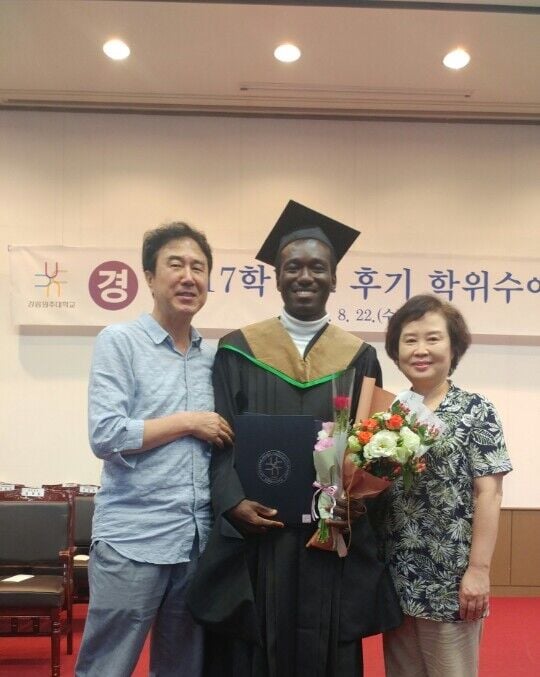
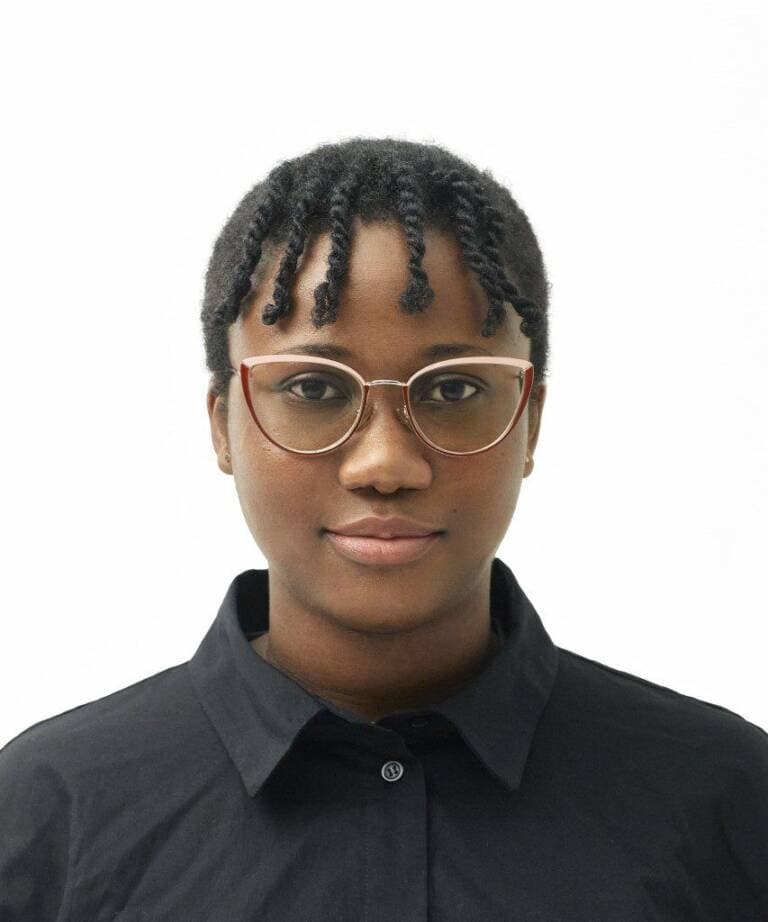
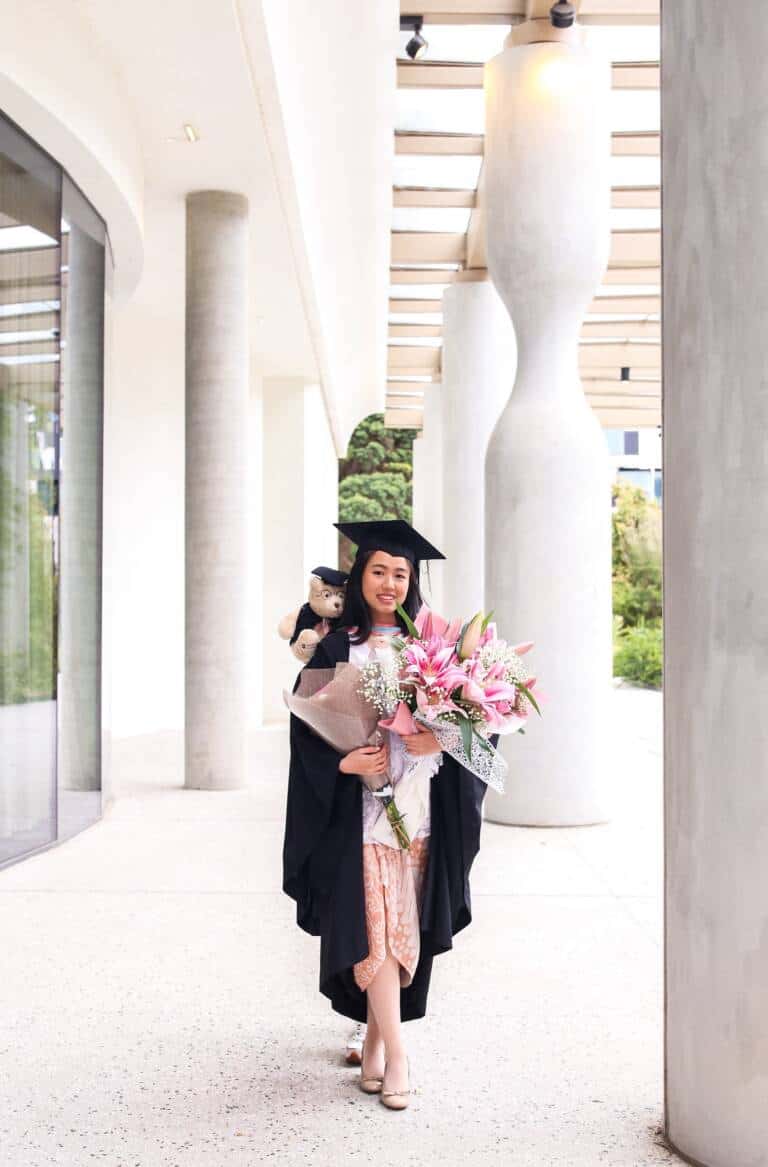
International students who received scholarships to study at Dongseo University, documented by Global Scholarships.



What Scholarship Recipients Say
Advice and insights from international students who successfully secured funding to study at Dongseo University.
"The GKS Scholarship is fully funded, covering airfare and providing a monthly stipend of 1.3 million won. In short, The scholarship supports one year of language study followed by two years of master's study."
"Balancing this with my job and writing essays was extremely difficult. I strongly recommend starting your preparations as early as possible."
"I am currently in my second year, pursuing a Bachelor’s degree in Software Department (소프트웨어학과) at Dongseo University (동서대학교), Busan, South Korea."
"My Name is Luisa Tiara Purnomo, and I’m an international student from Indonesia who is currently taking a master’s degree in Film Production at Dongseo University, Busan. The program at Dongseo University teaches and trains us for various tasks in the industry, like scriptwriting, directing, cinematography, editing, etc."
"My name is Deepika Goyal, and I am originally from India. I have eight years of work experience in India, following my undergraduate degree in Hotel Management. Currently, I am pursuing my Master's degree in Busan, South Korea, a journey that has been both challenging and rewarding."
"Hi, my name is Guljemal Saparova, and I am from Turkmenistan. I am currently enrolled in the Korean language program at Dongseo University in South Korea, preparing for my Master's in Business Administration, which starts in a month."
Frequently asked questions
Common questions about scholarships, admissions, and studying at Dongseo University.
Both: DSU offers majors and tracks taught in Korean and in English, and the language of instruction depends on the program (some departments explicitly offer English tracks).
Guljemal Saparova noted that “English proficiency tests are not required unless your chosen major is taught in English,” which is a practical way to think about DSU’s mix of Korean- and English-taught offerings.
Even for English-taught degrees, Korean can still matter for life in Korea and (in many scholarship pathways) for required language training; for example, Olivia shared, “Since 2020, I have been self-studying the Korean language,” alongside her academic preparation.
For DSU’s university-level tuition scholarships/waivers for international students, DSU typically focuses on merit/need rather than listing a universal age cap; the key is meeting DSU’s admissions and scholarship conditions.
However, if you’re applying through the Korean government’s Global Korea Scholarship (GKS), there are age requirements that depend on the program and the year’s official guidelines (for example, undergraduate and graduate tracks use different age rules).
Many DSU scholarship-recipient stories are GKS-based (for example, Olivia for GKS-U and Luisa Tiara Purnomo for a graduate GKS), so it’s important to check the exact GKS age rule for your intake.
Generally, DSU scholarships for international students are not limited to one subject area; they’re commonly awarded across colleges/fields, with amounts depending on merit, need, and sometimes track-specific requirements.
- Engineering: DSU includes engineering fields (e.g., civil engineering and architecture in its graduate listings), and engineering students may be eligible for international-student tuition support like other majors.
- STEM: Computer-related majors are common among recipients; for example, Olivia pursued a Bachelor’s in a Software department, and DSU also lists areas like computer engineering and digital forensics at the graduate level.
- Business: Business programs are represented in recipient stories (e.g., Guljemal pursuing an MBA), and business students are generally eligible for international-student scholarships/waivers.
- Humanities & Social Sciences: DSU lists fields such as East Asian studies and Korean language education, and these programs can also fall under international-student scholarship considerations.
- Arts/Media: Creative fields are strongly represented; Luisa described DSU Film Production training across “scriptwriting, directing, cinematography, editing, etc.”
DSU’s international-student scholarships are aimed broadly at non-Korean international applicants (eligibility is typically defined by having non-Korean citizenship, often including parent citizenship requirements in international admissions rules).
Recipient stories show a wide mix of nationalities studying at DSU via scholarships, including Indonesia (Olivia and Luisa), India (Deepika Goyal), and Turkmenistan (Guljemal).
It depends on your track/program: DSU commonly differentiates between Korean-taught vs English-taught tracks, and language evidence may be required accordingly.
Language results can also improve (or be directly tied to) scholarship outcomes in some DSU admission scholarship schemes; and in scholarship pathways like GKS, language can be an advantage or a requirement depending on the major and rules.
Luisa put it simply: “language tests like IELTS, TOEFL, or TOPIK can give you an advantage,” and Olivia also highlighted her preparation, saying she achieved an IELTS Band 7.5.
DSU does not present a single universal “minimum GPA” publicly for every department; admissions can be holistic and program-dependent, so focus on strong grades plus fit (major readiness, documents, and any required language evidence).
For scholarships and continued tuition support, DSU scholarship rules may include grade-based thresholds (for example, ongoing merit/academic excellence can depend on GPA ranking within a department or maintaining a minimum semester GPA), and GKS scholarships also include GPA/percentage requirements in official guidelines.
A strong academic record plus clear evidence of readiness for your major helps: recipients often pair high grades with relevant projects, certificates, internships, or work experience—and then explain how those experiences connect to their study plan.
Olivia emphasized that “essays and certificates carry significant weight,” and she described integrating certificates from volunteering and course completions into her essays to show growth and fit.
Deepika Goyal described the preparation side too: “I had to gather all legal and academic documents, including professor recommendations,” which highlights that being organized and presenting a coherent story matters as much as raw grades.
DSU typically requires an online application plus a set of supporting documents submitted by the deadline; requirements vary by program, but commonly include identity and education records plus financial evidence for visa/admission processing.
- Academic documents (e.g., diploma/expected graduation certificate, transcripts) and required DSU application forms.
- Proof of finances (DSU commonly asks for a bank balance statement meeting a minimum amount and issued within a recent window, and DSU notes that non-English/non-Korean documents must be translated and notarized).
- Program-dependent items (e.g., language scores for your track, portfolio for arts/media, recommendations or study plan for scholarship pathways like GKS).
Scholarship recipients repeatedly stress document preparation: Guljemal said the short deadline forced her to “rapidly gather and certify documents,” and Deepika similarly mentioned organizing “legal and academic documents” plus recommendations.
DSU offers a wide range of undergraduate and graduate programs across humanities/social sciences, business, engineering/STEM, design, film/media, and health-related fields; availability (and whether a track is English-taught) depends on the department.
Examples from scholarship recipients include Software (Olivia), Film Production (Luisa), Service Design (Deepika), and MBA (Guljemal).
Yes. DSU lists an application fee for applying.
There are many degrees that are open to international students right now — find yours.
About the Author: Hyun Lee


Leave A Comment