
Deakin University Scholarships for International Students 2027
To help students manage tuition and living expenses, Deakin University connects to scholarships across different funding levels. Here are several top options to review first.
Among the university based funding routes linked to Deakin University, these scholarships tend to stand out for their level of support and overall value. Deakin Vice-Chancellor’s International Scholarship is usually considered full tuition, and typical coverage can include 50% to 100% of tuition fees and vice-chancellor's professional excellence program enrollment. A strong option is Deakin International Scholarship which is partially funded and often covers 25% of the recipient's tuition fees. Deakin International Meritorious 20% Scholarship is partially funded, and coverage often includes 20% of tuition fees.
To broaden funding options beyond institutional awards at Deakin University, these external and government scholarships are commonly considered as well. Australian Government Research Training Program (RTP) is fully funded and typically covers tuition fees, living stipend, and allowances to cover additional costs associated with undertaking a Higher Degree by Research. Australia Awards Scholarships is commonly categorized as fully funded support, and coverage that often includes tuition fees, A fortnightly contribution for basic living costs and based on a set rate, and health insurance. With COLFUTURO Scholarship Loans, students may receive partially funded support, and coverage frequently includes tuition support, health insurance support, and living expenses support.
To see every scholarship associated with this institution and compare coverage and eligibility, browse the sections below.
Deakin University Scholarships for International Students
The scholarships at Deakin University can help fund your study expenses. There are currently 7 scholarships being offered to international students at the Deakin University, all with varying requirements, benefits, and application processes. We have compiled them in this list to help you find the scholarship that best fits you.
Undergraduate Scholarships
Graduate Scholarships
External Scholarships
There are many degrees that are open to international students right now — find yours.
Deakin University Admissions
Here are the official admission pages for Deakin University:
| Degree | Admissions Pages |
|---|---|
| Bachelor's | International Students Admissions Page |
| Master's | International Students Admissions Page |

Deakin University Application Deadlines
| Degree | Admission Deadline |
|---|---|
| Bachelor's and Master's | Accepts Applications All Year |
Tuition Fees at Deakin University for International Students
Indicative annual tuition fee ranges for international students at Deakin University. Exact fees vary by program, so always confirm the current cost on the university's official tuition fee pages.
| Degree Level | Typical Annual Range |
|---|---|
| Bachelor's Tuition | 37,500 – 45,000 AUD |
| Master's Tuition | 40,800 – 46,400 AUD |
Please note that tuition fees can vary based on the specific program you choose. For the most accurate and current fee information, consult the official tuition fee pages linked above.
Deakin University Scholarship Recipients
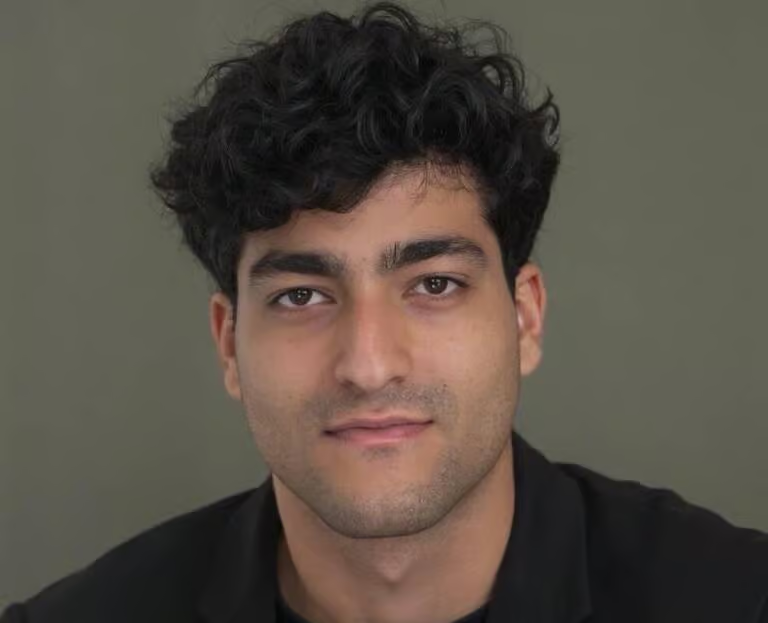
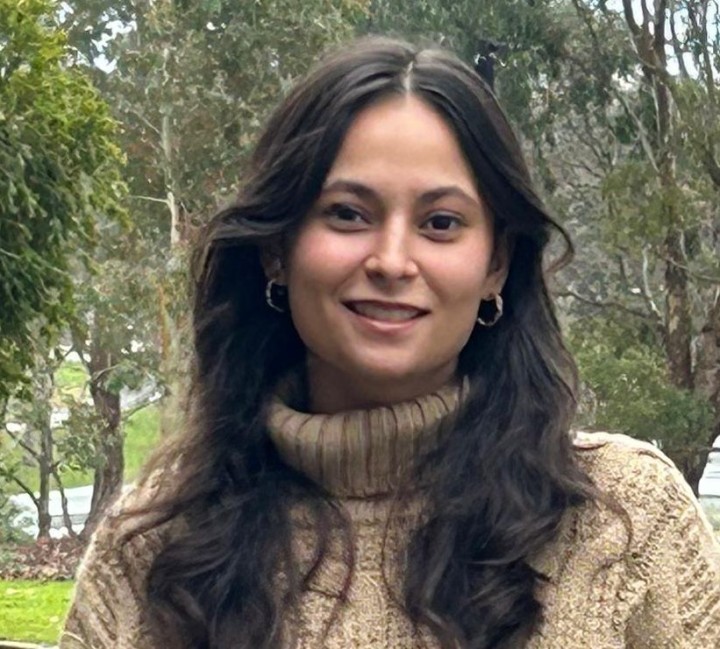
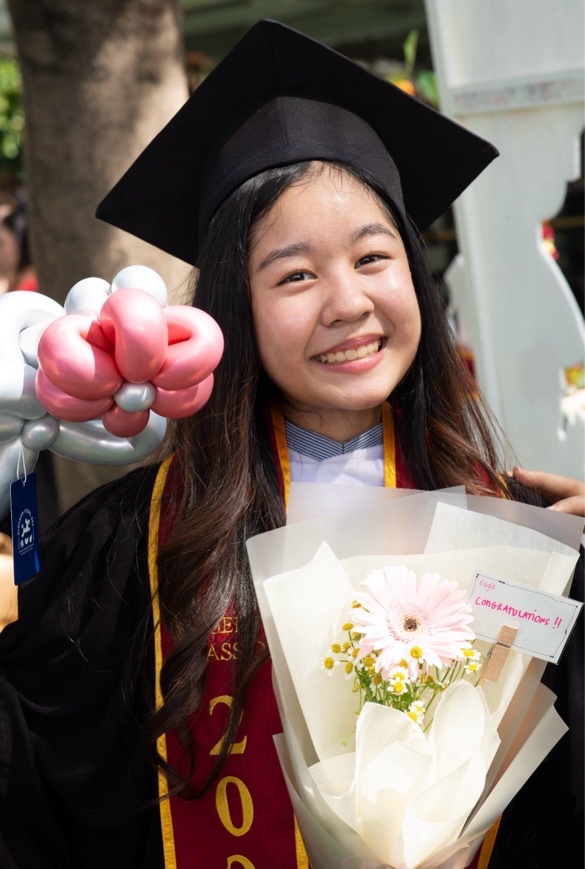
International students who received scholarships to study at Deakin University, documented by Global Scholarships.




Scholarship Recipient Insights at Deakin University
The stories reviewed include 6 degree-study accounts.
Featured Recipients by Nationality
| Nationalities | Stories per nationality |
|---|---|
| Indian, Thai | 2 each |
| Belarusian, Vietnamese | 1 each |
Degree Levels and Subjects
| Degree level | Stories | Subjects |
|---|---|---|
| Bachelor’s | 5 | Politics, Philosophy and Economics; Business Analytics; Computer Science (Data Science); Data Science; Biomedicine |
| Master’s | 1 | Biotechnology |
Reported Funding Coverage
| Recipient and degree/program | Reported coverage |
|---|---|
| Kanta Sudlapa — Bachelor’s in Politics, Philosophy and Economics | Deakin Vice-Chancellor’s International Scholarship: 100% tuition for the program duration and access to the Vice-Chancellor’s Professional Excellence Program. |
| Ngoc Anh (Rachel) Phung — Bachelor’s in Business Analytics | Accepted a 50% Deakin Vice-Chancellor’s International Scholarship. |
| Mathanki Mehra — Master of Biotechnology | Vice-Chancellor’s Meritorious 100% Scholarship covered full tuition for her degree. |
| Aryan Vadera — Bachelor of Computer Science, majoring in Data Science | Vice-Chancellor’s Meritorious 100% Scholarship covered tuition valued at about AUD 120,000. |
| Anna Shustser — Bachelor’s in Data Science, finance focus | Accepted 100% Deakin Vice-Chancellor’s International Scholarship; described a private mentor, company networking events and priority campus-accommodation placement. |
| Keane — Bachelor’s in Biomedicine | Vice-Chancellor International Scholarship covered 50% for the study duration, alongside the professional-excellence program. |
Examples of Featured Recipients’ Application Backgrounds
| Recipient and degree/program | Scholarship/application route | Reported background and preparation |
|---|---|---|
| Kanta Sudlapa — Bachelor’s in Politics, Philosophy and Economics | Deakin Vice-Chancellor’s International Scholarship | IB 40/45, high-school GPA 3.93; music and academic scholarships. Connected her music and teaching to a three-year nationally broadcast English-learning TV program and redrafted her personal statement at least 17 times. |
| Ngoc Anh (Rachel) Phung — Bachelor’s in Business Analytics | Deakin Vice-Chancellor’s International Scholarship | Gifted high school in Hanoi, GPA 9.8/10; led a nationwide debate contest with over 300 participants. Tailored essays to each award’s values. |
| Mathanki Mehra — Master of Biotechnology | Vice-Chancellor’s Meritorious 100% Scholarship | Biotechnology bachelor’s, GPA 8.39/10; an ICAR national award for maize speed-breeding research. Connected research, mentoring and volunteering to her biotechnology goals. |
| Aryan Vadera — Bachelor of Computer Science, Data Science major | Vice-Chancellor’s Meritorious 100% Scholarship | IB 40, Grade 10 CBSE 96%; built a community-library catalog automation project, founded two school clubs and participated in sports, theater and community education. |
| Anna Shustser — Bachelor’s in Data Science | Deakin Vice-Chancellor’s International Scholarship | ATAR 98.85, ranked first in her school; extracurricular projects, tutoring and leadership. Revised her personal statement across four documents and obtained two teacher references. |
| Keane — Bachelor’s in Biomedicine | Vice-Chancellor International Scholarship; admission through OneEducation | IB 41/45, reported GPA 4.17; relevant internship, community projects, leadership and volunteering. Would prepare scholarship essay responses earlier. |
How Recipients Met Language Requirements
| Language requirement route | Stories / total degree-study stories | Recipients and examples |
|---|---|---|
| English-test exemption through IB English | 2/6 | Kanta Sudlapa — Bachelor’s in Politics, Philosophy and Economics; Keane — Bachelor’s in Biomedicine: both reported meeting the English requirement through their IB English grades. |
| English-test exemption through prior English-medium schooling | 1/6 | Anna Shustser — Bachelor’s in Data Science: two final school years in an English-based curriculum. |
| IELTS taken for the application | 2/6 | Ngoc Anh (Rachel) Phung — Bachelor’s in Business Analytics: 7.5; Mathanki Mehra — Master of Biotechnology: 8.0. |
Standardized Tests Reported by Featured Recipients
| Test | Stories reporting the test / total degree-study stories | Linked recipients and reported scores |
|---|---|---|
| SAT | 1/6 | Ngoc Anh (Rachel) Phung — Bachelor’s in Business Analytics: 1500 on her first attempt. |
| QCE external examinations | 1/6 | Anna Shustser — Bachelor’s in Data Science: A grades in General English, Mathematical Methods, Specialist Mathematics, Physics, Earth and Environmental Science, Modern History and Russian; reported ATAR 98.85. |
Firsthand Academic and Scholarship Experience
| Recipient and degree/program | Reported experience |
|---|---|
| Aryan Vadera — Bachelor of Computer Science, Data Science major | Subjects combined lectures and practical workshops; assessments were mostly assignment-based. Described teaching on responsible generative-AI use and accessible academic, career and mental-health support. |
| Ngoc Anh (Rachel) Phung — Bachelor’s in Business Analytics | After her first trimester, highlighted academic staff support and new connections. |
| Anna Shustser — Bachelor’s in Data Science | Professional-excellence program provided an academic mentor and events with company representatives, including Bupa, PwC and Microsoft. |
Interview Experiences Reported by Scholarship Recipients
| Recipient and route | Reported selection experience |
|---|---|
| Aryan Vadera — Bachelor of Computer Science; Vice-Chancellor’s Meritorious 100% Scholarship | Described about six rounds, progressing from personal background to current affairs, long-term goals and social contribution. One round included a debate connecting his study area with global issues. |
Other Offers in Featured Applicants’ Journeys
| Recipient | Reported alternative | Decision described in the story |
|---|---|---|
| Kanta Sudlapa | University of South Australia: 50% Vice-Chancellor’s International Excellence Scholarship; automatic awards at Bond University (AUD 71,000), University of Melbourne (AUD 41,500), University of Canberra (AUD 32,220) and James Cook University (AUD 25,590). | Pursued Politics, Philosophy and Economics at Deakin University with its 100% tuition award. |
| Ngoc Anh (Rachel) Phung | University of Sydney: two AUD 10,000 awards and 20% Sydney International Student Award; University of Melbourne 25%; University of Technology Sydney 30%; University of Wollongong 30%; University of Newcastle AUD 36,000; La Trobe University 25%. | Accepted the 50% Deakin award for Business Analytics. |
| Aryan Vadera | Next Genius Full Ride Scholarship for undergraduate study in Massachusetts, described as USD 240,000 in tuition support. | Chose Deakin University for its practical course structure and forward-thinking approach. |
| Anna Shustser | Queensland University of Technology: 25% International Merit Scholarship and AUD 30,000 Excellence Scholarship; Western Sydney University: AUD 6,000 multiyear scholarship. | Accepted the 100% Deakin scholarship. |
| Keane | RMIT University 20% (about AUD 28,800); University of Queensland 20% (about AUD 40,000); University of Melbourne 25% (about AUD 51,050); Deakin International Scholarship 25% (about AUD 32,700); Monash University AUD 10,000 annually (AUD 30,000 total). | Pursued Biomedicine with the 50% Vice-Chancellor award. |
Applicants Who Chose Another University
| Applicant and intended degree/program | Offer from Deakin University | University/program chosen | Reason described in the story |
|---|---|---|---|
| Louisa Wirawan — Undergraduate applicant | Vice-Chancellor’s Scholarship offer | University College London — BA Archaeology and Anthropology with the Global Undergraduate Scholarship | N/A |
| Md Sakib Hossain — PhD applicant in sustainable-energy research | Fully funded PhD offer | University of Leeds — Mechanical Engineering PhD under the MISSION-CCS Doctoral Network | Selected the Marie Skłodowska-Curie-funded Leeds position after considering research scope, supervisory environment and long-term career prospects. |
| Abhijith Njarattil Parameswaran — Master’s in Public Health applicant | Partial scholarship offer for public health | KIT Royal Tropical Institute / Vrije Universiteit Amsterdam — Master’s in Public Health with Joint Japan/World Bank Graduate Scholarship | Said he would pursue the second master’s only with full-ride funding. |
Preparation Lessons from the Stories
Anna Shustser recommends giving referees clear examples of relevant skills and requesting letters early. Ngoc Anh (Rachel) Phung would complete tests sooner to leave more time for other application components. Aryan Vadera would keep better records of activities to support later essays and interviews.
What Scholarship Recipients Say
Advice and insights from international students who successfully secured funding to study at Deakin University.
"I’m honoured to have received the Vice-Chancellor's Meritorious 100% Scholarship from Deakin University, which covers my full tuition fees for the duration of my degree."
"Do research into each scholarship’s values and adjust your application accordingly. Show them why you are the candidate they’re looking for!"
"Due to this, I am pursuing a Bachelor’s degree in Politics, Philosophy, and Economics at Deakin University."
"I have just completed my first trimester at Deakin and was so delighted with all the support from academic staff."
"I’ve really appreciated the academic environment at Deakin. The faculty here focuses on genuine understanding rather than rote assessments."
"Recipients are granted exclusive access to the Vice-Chancellor's Professional Excellence Program (VCPEP) with a private academic mentor and events for learning and networking."
Frequently asked questions
Common questions about scholarships, admissions, and studying at Deakin University.
Deakin promotes online study options and points online students to scholarship opportunities via its scholarship finder, but eligibility for “online-only” study depends on the specific scholarship and your course/location (so always read the individual scholarship conditions carefully).
Deakin scholarships span a wide range of subjects across undergraduate, postgraduate and research programs, so you’ll see options across STEM fields (including computer science, data science and biotechnology), engineering and technology, business, and humanities/social sciences, as well as health-related programs.
Examples from Deakin scholarship recipients include tech/STEM paths like Aryan Vadera (Bachelor of Computer Science, Data Science major), Anna Shustser (Data Science with a finance focus), and Mathanki Mehra (Master of Biotechnology).
Business is also represented: Ngoc Anh (Rachel) Phung moved from Hanoi to pursue Business Analytics at Deakin, explaining her “passion for business and eagerness to learn about technology.”
For humanities/social sciences, Kanta Sudlapa is pursuing Politics, Philosophy, and Economics, saying she’s long been fascinated by “poverty and social inequality.”
Many Deakin scholarships for international students are open broadly to new international students (and you can usually filter scholarship options by citizenship/nationality in Deakin’s scholarship search tools).
In the recipient stories you can see a spread of nationalities studying at Deakin on scholarships, including Belarus (Anna Shustser), India (Aryan Vadera and Mathanki Mehra), Vietnam (Ngoc Anh (Rachel) Phung), and Thailand (Keane and Kanta Sudlapa).
Often yes for international applicants, because Deakin’s international application guidance explicitly lists “proof of English proficiency (your IELTS test)” among the documents you may need, and Deakin scholarship eligibility commonly requires meeting the English language requirements for your course.
In the recipient stories, some students used IELTS scores directly, such as Mathanki Mehra who said, “I took the IELTS and scored an overall band of 8.0,” and Ngoc Anh (Rachel) Phung who listed IELTS 7.5 and described IELTS prep as “pretty straightforward” due to her English background.
Others were exempt via prior English-medium credentials: Keane said he was “exempt from any English proficiency exams” because he met requirements through IB English, and Kanta Sudlapa similarly shared she was “exempted from taking the IELTS test requirement” thanks to her IB English grade.
Anna Shustser also noted she “did not need to take an English language test like IELTS” after studying an English-based curriculum in Australia, which is another common exemption route.
Minimum grades for admission vary by course, qualification type, and applicant background, but competitive scholarships at Deakin often publish clear academic minimums (and then select above the minimum due to competition).
For example, Deakin’s Vice-Chancellor’s International Scholarship lists an academic minimum (and also warns that “Meeting the minimum criteria does not guarantee selection”), and Anna Shustser emphasized that “The minimum academic requirement is 85% (or equivalent) in previous studies,” which she said must be maintained.
Looking at real recipient profiles can help you benchmark: Ngoc Anh (Rachel) Phung reported a high school GPA of 9.8/10 and said she aims to stand out by “maintaining a consistently high GPA,” while Keane completed the IB with “a score of 41/45,” and Mathanki Mehra completed her bachelor’s with a GPA of 8.39/10.
Most major Deakin scholarships don’t advertise a universal “age limit” and focus instead on status (for example, being a new student) plus merit and other criteria, so eligibility is typically about your academic and application profile rather than your age.
Recipient stories show scholarships going to students at different study stages, from undergraduate entrants like Ngoc Anh (Rachel) Phung who moved after “the first 18 years” of her life in Hanoi, to postgraduate study like Mathanki Mehra who is “currently pursuing a Master of Biotechnology,” suggesting the key differentiator is fit and merit, not a single age cutoff.
A strong Deakin scholarship profile typically combines solid academics plus leadership/community engagement and a compelling personal statement, because many competitive awards assess more than grades alone.
On the academic side, Deakin’s international scholarship pathways commonly publish minimum averages, but recipients often exceed minimums; Anna Shustser earned ATAR 98.85, and Aryan Vadera listed an IB score of 40.
On the “beyond grades” side, Aryan Vadera advised applicants that “the most important thing is to be yourself and be confident in your story,” and Kanta Sudlapa shared she did “at least 17 full redrafts!” of her personal statement to present herself holistically.
Mathanki Mehra also highlighted the importance of tailoring: she said she spent time “refining my Statement of Purpose” and had “multiple drafts reviewed,” which aligns closely with how competitive Deakin scholarships evaluate leadership potential and fit.
For a Deakin course application (international), you typically gather certified copies of academic transcripts and award certificates, proof of identity (passport), and proof of English proficiency; Deakin also notes that documents not in English need translation, and you can sometimes submit an incomplete application while waiting on results like IELTS.
Recipients echoed this practical checklist: Ngoc Anh (Rachel) Phung said, “I make sure I have all the required documents available, including an academic transcript, standardized scores reports, etc.,” and Anna Shustser shared that when application time came she had to prepare “school transcripts, personal statements, recommendation letters, and certificates.”
For Deakin’s major international scholarship applications, document requirements commonly include a scholarship application form, a 300-word personal statement, references (for some awards), and your course application with academic transcripts; Keane described repeatedly drafting personal statements, saying he “constantly drafted and re-drafted personal statements” to strengthen his scholarship candidacy.
For many scholarship applications, Deakin’s process focuses on submitting forms and supporting documents (often by email or through a portal) and doesn’t highlight a separate “scholarship application fee” on the scholarship pages themselves.
For course applications, fee rules can differ depending on how you apply (for example, direct/portal, VTAC for some pathways, or other routes), and Deakin’s international “How to apply” guidance focuses on steps and documents and does not state an application fee. Check the latest guidelines for updated information.
There are many degrees that are open to international students right now — find yours.
About the Author: Hyun Lee


Leave A Comment