
How I Secured a Fully Funded Master's at Université d’Abomey Calavi, Benin Through the DAAD In-Region Scholarship Program
University: Université d’Abomey Calavi
Degree: Master of Science in Statistics (Biostatistics)
Previous Education: Bachelor of Science in Statistics, Université du Lac Tanganyika
Scholarship: DAAD In-Region Scholarship Program – Funding (Tuition Fees, Monthly Living Stipend, Two Flight Tickets, Installation Fees, Life Insurance Fees)
Other Offered Scholarships: DAAD Alumnus Small Event Funding – Grant for a two-day workshop on “AI Governance and Data Ethics in the Digitalization Era”
Social Media
LinkedIn: linkedin.com/in/yvan-giriteka-a42753150/
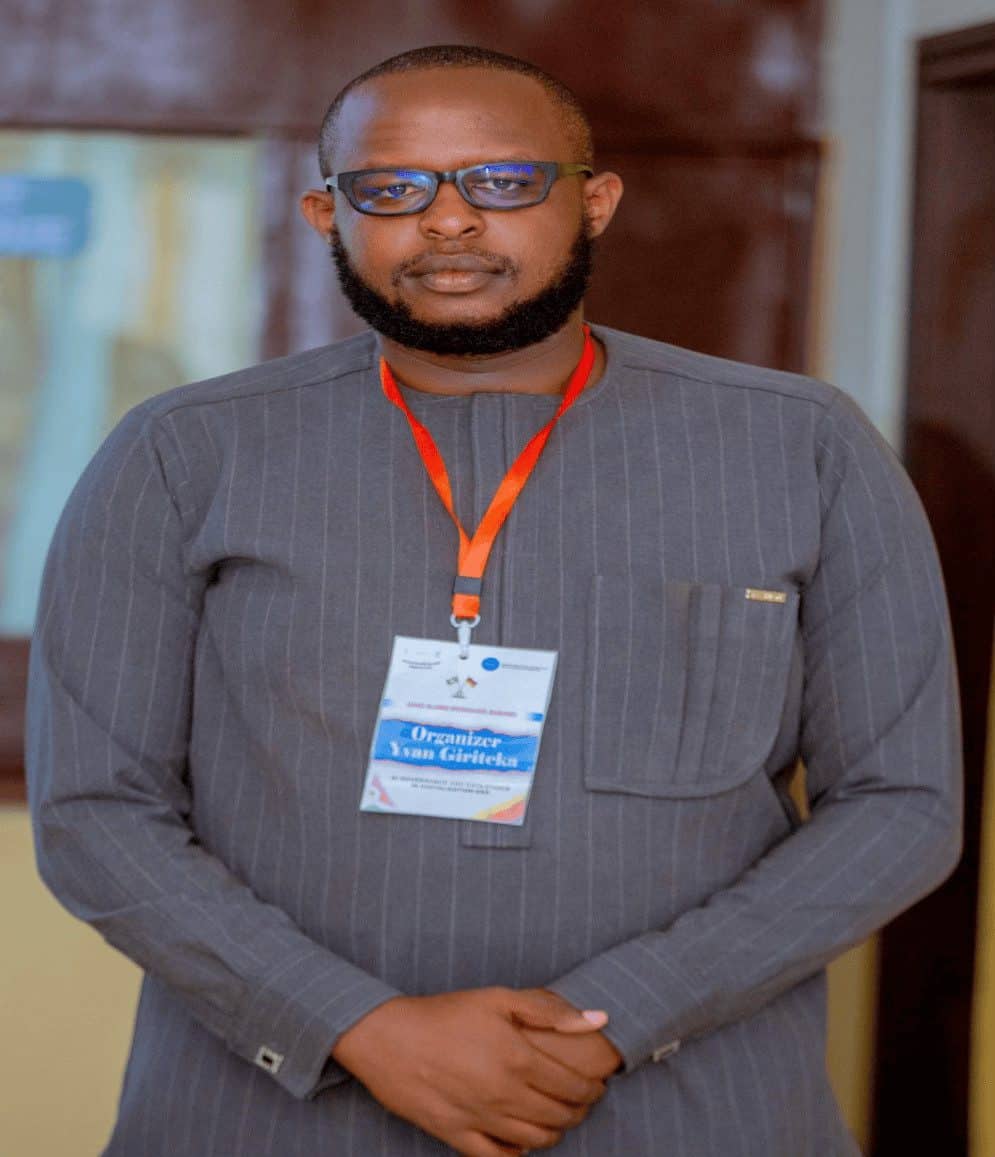
The Journey
My name is Yvan GIRITEKA. I am from Burundi, a country in the Great Lakes region of Africa. I am a passionate statistician with a strong interest in data analysis, geospatial analysis, and sustainable development. I completed my Master of Science degree in Statistics, majoring in Biostatistics, at the Université d’Abomey-Calavi in Benin. I decided to pursue further education in this field because I believe that robust data and statistical analysis are crucial for evidence-based decision-making, especially in sectors like public health, agriculture, and environmental policy in developing countries. I wanted to enhance my skills to contribute more effectively to solving complex real-world problems.
DAAD In-Region Scholarship Program Details
I received the In-Region Scholarship Program from the German Academic Exchange Service (DAAD). I pursued a Master of Science in Statistics, Option Biostatistics at the Université d’Abomey Calavi (UAC) in Benin. The scholarship covered tuition fees, provided a monthly stipend for living expenses, two flight tickets, installation fees, and life insurance fees, which enabled me to focus entirely on my studies without financial strain.
Were You Offered Any Other Scholarships?
At that time, no, but I have recently received another grant from DAAD for alumni small event funding, whereby I organized a two-day workshop on “AI governance and data ethics in the digitalization era” in my home country, Bujumbura, Burundi
Educational Background
My educational background has been a solid foundation for my current field. I earned my Bachelor of Science in Statistics from the Université du Lac Tanganyika in Burundi. During my undergraduate studies, I was exposed to the core principles of statistics. I complemented my academic work with many practical experiences as a consultant in data management and GIS (Geographic Information Systems), where I applied theoretical knowledge to real-world field data collection and analysis. My professional experiences, including various supervisory roles in data collection for projects in Burundi, gave me invaluable practical skills. These experiences showed me the power of data and motivated me to specialize in Biostatistics, which is a perfect blend of my statistical skills and my interest in improving human well-being.
How Did You Prepare to Apply to Université d’Abomey Calavi?
Preparing to apply was a long and detailed process.
First, I had to apply to the University of Abomey Benin to secure admission into their master’s program; then, I had to apply for funding from DAAD. It is a process that can take more than 10 months.
How Did You Prepare to Apply to Université d’Abomey Calavi?
How Did You Find Information About DAAD In-Region Scholarship Program and Université d’Abomey Calavi?
I actively searched online for scholarship opportunities that targeted African students. I used search engines, visited the official websites of organizations like the DAAD, and followed their social media channels. Since the DAAD In-Region Scholarship is well-known for supporting postgraduate studies in Africa, it was a primary target for me.
Did You Take Any Standardized Tests? If So, How Did You Prepare for Them?
Now I have two international language certificates (IELTS and TCF), but at the time I received the scholarship, I had none of them.
How Did You Prepare to Apply for the DAAD In-Region Scholarship Program?
I prepared meticulously for the DAAD scholarship application. The process involved several steps:
Motivation Letter: I spent a lot of time writing a compelling motivation letter. I clearly stated my academic and professional goals, explained why this specific Master's program in Biostatistics was the perfect fit for me, and articulated how I planned to use the knowledge gained to contribute to my home country, Burundi, and the broader region.
- Academic Documents: I gathered all my academic transcripts and certificates, ensuring they were translated and certified.
- Letters of recommendation. I made sure to give them enough time and provided them with my CV and a draft of my motivation letter so they could write a strong, detailed recommendation.
Research Proposal: The application also required a research proposal. I designed a proposal that aligned with my interests in data analysis and public health, showcasing my ability to think critically and plan a small-scale research project.
How is Your Experience at Université d’Abomey Calavi?
My experience at the Université d'Abomey Calavi was overwhelmingly positive. The university is one of the leading institutions in West Africa. The coursework was challenging and rigorous, covering advanced topics like multivariate analysis, survival analysis, Bayesian statistics, and geospatial analysis. Being surrounded by a diverse group of students from across the region was a fantastic learning experience, as we could share different perspectives. The faculty members were supportive and brought a wealth of expertise, particularly in biostatistics. It was a truly transformative period for my academic and professional growth.
How Do You Rate Université d’Abomey Calavi Academically?
I would rate the Université d'Abomey Calavi very highly, especially for the Master's in Biostatistics program. The program is well-structured and deeply grounded in practical applications. The collaboration with the DAAD brings international recognition and quality assurance to the program. The university's access to a large network of researchers and professionals in the region provides numerous opportunities for collaboration and networking.
How Does Université d’Abomey Calavi Support International Students?
The university and the DAAD program work together to support international students. The university's international office assists with administrative tasks like registration and visa processes. The DAAD network is particularly valuable; they host orientation sessions and provide a platform for students to connect. While the primary language of the country is French, the institution where I did my master of Science was 100% English-speaking, representing a good level of inclusivity for as that were international students. The scholarship's financial support was the most critical support, allowing us to focus on our studies.
What Did You Pursue After the DAAD In-Region Scholarship Program?
Immediately after my scholarship ended, I started a full-time teaching position as a Lecturer at Olivia University in Bujumbura, Burundi. I am teaching courses like Probability and Statistics, Data Analysis, Big Data Analytics, and Introduction to GIS, which directly apply the advanced knowledge I gained during my Master's. I am eager to train the next generation of data analysts and scientists in my home country. I am also continuing to take on consultancy projects in data collection, analysis, and supervision for various organizations in Burundi.
Would Potential Students Have Any Problems Not Knowing French?
Not really, but because Benin is a French-speaking country, it is better to have some basics of French.
What Do You Think Made Your Application Stand Out?
I believe several factors made my application stand out. First, my combination of a solid academic background in statistics and extensive practical experience in field data collection and analysis across various sectors (agriculture, insurance, public health) demonstrated that I was not just a theorist but could apply my skills in the real world. Second, my motivation letter and research proposal were very clear and specific. I articulated a clear vision of how this program in Biostatistics was essential for my career goals and how I would use the skills to contribute to solving health and development challenges in Burundi.
What Would You Have Done Differently if You Were Going Through the Process Again?
If I were going through the process again, I would start preparing even earlier. I would specifically: Start writing the motivation letter and research proposal months in advance to allow for more rounds of revision and feedback from mentors and professors.
Reach out to potential supervisors or alumni of the program earlier to gain more specific insights into the program's focus and expectations.
Network more actively with previous DAAD scholarship holders to understand their experience and get tips on how to navigate the application and the academic journey.
What Advice Would You Give Those Looking to Apply for a Similar Scholarship?
Tailor Your Application: Do not send a generic application. Make sure your motivation letter and research proposal are specifically tailored to the program and the scholarship. Explain why this program and how it will help you achieve your specific goals.
Highlight Your Unique Experience: Don't just list your academic achievements. Emphasize your practical experiences, internships, and any projects you've worked on. Show that you have the capacity to apply your knowledge.
Believe in Yourself and Your Goals: Scholarship committees are looking for candidates who are not only academically brilliant but also passionate and committed to making a difference in their communities. If you have a clear purpose, let it shine through in your application.
- Be Persistent and Start Early: The application process is rigorous. Do not procrastinate. Start researching, gathering documents, and writing your essays early.
- Seek Feedback: Have a professor, mentor, or colleague review your application materials, especially the motivation letter. Fresh eyes can catch errors and help you strengthen your narrative.
Want to submit your
scholarship journey?
Submit Your Story Here!
More Scholarship Recipients
My name is Shah Hussain, and I am from Khyber Pakhtunkhwa, Pakistan. I completed my Bachelor’s in Psychology at the Univer .... Read more
I am June from the Philippines. I am an educator for Social Sciences and Humanities. I recently earned my Master in Southeas .... Read more
Hi, my name is Abdul Hafeez, and I come from a small town called Nasirabad in Sindh, Pakistan. Currently, I am pursuing a ma .... Read more
Leave A Comment