
Fulbright Scholarship Scholar Yasir Alkalby from Iraq Shares His Journey of Securing a Fully Funded Master's at the West Virginia University, United States
University: West Virginia University
Degree: Master of Science in Petroleum and Natural Gas Engineering
Previous Education: Bachelor’s degree in Petroleum Engineering from the University of Basra
Scholarship: Fulbright Scholarship Program – Fully Funded (Tuition and Fees, Health Insurance, International Travel, Monthly Living Stipend)
Social Media
The Journey
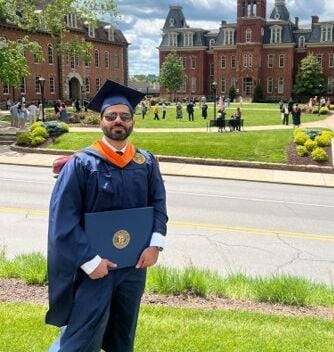
My name is Yasir Alkalby, and I am from Basra, Iraq. I am a petroleum engineer with over a decade of experience in the oil and gas industry, primarily specializing in petrophysics, formation evaluation, reservoir characterization, and well data analysis. Throughout my career, I have worked on numerous drilling and development projects, gaining extensive technical expertise and practical field experience.
Driven by my commitment to professional growth and innovation, I pursued a master’s degree in Petroleum and Natural Gas Engineering at West Virginia University under the prestigious Fulbright Scholarship Program. I attended the university from January 2023 to August 2024, where I expanded my knowledge of advanced petroleum engineering concepts and emerging technologies.
I decided to pursue graduate education because I recognized the growing importance of data analytics, machine learning, and artificial intelligence in the energy industry. My research focused on applying artificial intelligence techniques to forecast shale well production and improve engineering decision-making processes. This combination of industry experience and advanced education has strengthened my ability to develop innovative solutions for complex engineering challenges.
My long-term goal is to leverage both my practical industry background and academic training to contribute to the advancement of petroleum engineering through the integration of artificial intelligence, data-driven technologies, and sustainable energy practices.
Fulbright Scholarship Program Details
I was awarded the prestigious Fulbright Scholarship to pursue a Master of Science in Petroleum and Natural Gas Engineering at West Virginia University in the United States. The Fulbright Program is a highly competitive and fully funded scholarship sponsored by the U.S. Department of State.
The scholarship covered tuition and fees, health insurance, international travel, and a monthly living stipend throughout my studies. The total value of the scholarship was approximately $100,000 USD, providing comprehensive financial support and allowing me to focus entirely on my academic and research activities.
Beyond the financial support, the Fulbright Scholarship provided access to a global network of scholars, cultural exchange opportunities, and professional development programs. Receiving this scholarship was a significant milestone in my academic and professional journey, enabling me to advance my expertise in petroleum engineering and artificial intelligence applications in the energy industry.
Educational Background
I earned my bachelor’s degree in petroleum engineering from the University of Basra, Iraq, where I developed a strong foundation in reservoir engineering, drilling engineering, production engineering, petrophysics, and geology. My undergraduate education provided me with the technical knowledge and problem-solving skills necessary to begin a successful career in the oil and gas industry.
After graduation, I joined the petroleum industry and worked primarily as a Petrophysicist. During this time, I was involved in formation evaluation, reservoir characterization, well logging, and field development projects, gaining valuable practical experience and a deeper understanding of the challenges facing the energy sector.
To further advance my expertise, I pursued a Master of Science degree in Petroleum and Natural Gas Engineering at West Virginia University through the Fulbright Scholarship Program. My graduate studies focused on advanced petroleum engineering concepts, machine learning, data analytics, and artificial intelligence applications in the energy industry.
While academic achievement is important, GPA was not the primary factor in receiving the Fulbright Scholarship. The program required applicants to hold a bachelor's degree and demonstrate professional experience, leadership potential, and a commitment to making a positive impact in their communities. In addition to my professional accomplishments, I have been actively involved in community service and volunteer activities, helping others succeed through mentorship, knowledge sharing, and participation in initiatives that support education and professional development. These experiences strengthened my application and aligned with the Fulbright Program's mission of fostering leadership and community engagement.
This combination of strong academic preparation, professional experience, and community involvement provided an excellent foundation for graduate-level research and advanced studies in petroleum engineering and emerging digital technologies.
Did You Take Any Standardized Tests? If So, How Did You Prepare for Them?
The application process began when I learned about the Fulbright Scholarship through the social media platforms of the U.S. Embassy in Iraq. The opportunity immediately caught my attention because it aligned with my goal of pursuing graduate studies in the United States and further developing my professional and academic skills.
As part of the initial selection process, I was required to take the paper-based TOEFL (TOEFL PBT) to demonstrate my English proficiency. After successfully passing the language requirement, I participated in a face-to-face interview with a selection committee, where I discussed my academic background, professional experience, leadership potential, and future goals.
After successfully completing the interview stage, I was selected as a primary nominee for the Fulbright Scholarship. At that point, I began researching universities and graduate programs that matched my academic interests and career objectives. I reviewed university websites, admission requirements, faculty research interests, and program curricula to identify institutions that offered strong programs in Petroleum and Natural Gas Engineering.
For admission to U.S. universities, particularly in STEM fields, additional standardized tests were required. I prepared for and completed the TOEFL iBT and the GRE, both of which are commonly required for graduate admissions. My preparation involved studying English language materials, practicing sample tests, taking mock exams, and familiarizing myself with the test formats to achieve competitive scores.
In addition to the guidance provided through the Fulbright Program and Education USA, I conducted extensive independent research to identify universities that are aligned with my academic and professional goals. After completing the required tests and submitting my applications, I received admission offers and ultimately enrolled in the Master of Science program in Petroleum and Natural Gas Engineering at West Virginia University.
How Did You Prepare to Apply for the Fulbright Scholarship Program?
Preparing for the Fulbright Scholarship required careful planning and a strong commitment to both academic and professional development. Before applying, I focused on building a solid professional profile through my work in the petroleum industry while also remaining active in community service and volunteer activities. These experiences helped me develop leadership skills and demonstrate my commitment to contributing to society, which are important qualities sought by the Fulbright Program.
Once I learned about the scholarship through the social media platforms of the U.S. Embassy in Iraq, I carefully reviewed the eligibility requirements and application process. I prepared the required application materials, including personal statements, academic records, recommendation letters, and documentation of my professional achievements and community involvement.
I also prepared for the paper-based TOEFL (TOEFL PBT), which was required during the initial selection stage. After successfully passing the language requirement, I participated in a face-to-face interview with the scholarship selection committee. To prepare for the interview, I reflected on my academic goals, professional accomplishments, leadership experiences, and how graduate education in the United States would help me contribute to my field and community upon returning to Iraq.
The preparation process was not limited to meeting the technical requirements of the application. It also involved clearly defining my academic and career goals, demonstrating leadership potential, and showing how I would use the knowledge and experience gained through the Fulbright Program to create a positive impact in my profession and community.
How is Your Experience at West Virginia University?
My experience at West Virginia University was both academically rewarding and personally transformative. The university provided an excellent environment for learning and research, allowing me to work closely with faculty members and collaborate with students from diverse backgrounds. Through my coursework and research, I expanded my knowledge of petroleum engineering while gaining valuable experience in data analytics, machine learning, and artificial intelligence applications for the energy industry.
Beyond academics, my time at West Virginia University allowed me to experience American culture, build lasting friendships, and develop a global professional network. As a Fulbright scholar, I participated in cultural exchange activities and engaged with individuals from different countries and disciplines, which broadened my perspective and strengthened my communication and leadership skills. Overall, the experience helped me grow both professionally and personally and prepared me for future opportunities in my career.
How Do You Rate West Virginia University Academically?
I would rate West Virginia University very highly from an academic perspective. The university offers strong programs in engineering and applied sciences, supported by experienced faculty members, modern research facilities, and a curriculum that combines theoretical knowledge with practical applications. The learning environment encourages critical thinking, innovation, and collaboration, allowing students to develop both technical expertise and problem-solving skills.
What stood out most to me was the accessibility and support provided by faculty members. Professors were approachable, knowledgeable, and genuinely invested in student success. In addition, the university provided numerous opportunities for research, interdisciplinary collaboration, and professional development. These resources helped me broaden my technical capabilities and gain valuable experience that directly supports my career goals in the energy industry.
How Does West Virginia University Support International Students?
West Virginia University provides strong support for international students through a variety of academic, administrative, and cultural services. The university offers orientation programs, academic resources, advising services, and dedicated staff who help students adapt to a new educational system and campus environment. These resources make the transition to studying in the United States smoother and help students feel welcomed from the start.
In addition to academic support, the university fosters an inclusive and welcoming community through cultural events, student organizations, and opportunities for engagement both on and off campus. International students have access to career development resources, networking opportunities, and activities that encourage interaction with students from diverse backgrounds. As an international student myself, I found the university community to be supportive, diverse, and committed to helping students succeed both academically and personally.
What Did You Pursue After the Fulbright Scholarship Program?
After completing my master’s degree through the Fulbright Scholarship Program, I returned to Iraq and resumed my professional career in the oil and gas industry. I continue to work in petroleum engineering and petrophysics, applying the knowledge and skills I gained during my graduate studies to support technical and operational activities in the energy sector.
In addition to my professional responsibilities, I remain actively involved in research. My research focuses on the application of artificial intelligence, machine learning, and data-driven methods to solve petroleum engineering challenges, particularly in areas such as production forecasting, reservoir characterization, and formation evaluation. By combining industry experience with ongoing research, I strive to contribute to the advancement of innovative technologies and best practices within Iraq's energy industry and the broader petroleum engineering community.
What Do You Think Made Your Application Stand Out?
I believe several factors helped my application stand out. First, I had a strong combination of academic preparation and professional experience in the petroleum industry, which allowed me to clearly demonstrate how graduate education would contribute to my career goals and future impact. I was able to present a well-defined vision for how I would use the knowledge and skills gained through the Fulbright Program to contribute to my field and my country upon returning to Iraq.
Another important factor was my commitment to leadership, community engagement, and helping others succeed. Through volunteer activities, mentorship, and professional knowledge sharing, I demonstrated a desire to contribute beyond my immediate professional responsibilities. I also believe that my clear academic objectives, dedication to continuous learning, and ability to connect my professional experience with a broader mission of service and development align well with the values of the Fulbright Program. Together, these elements helped create a strong and well-rounded application.
Looking Back, Would You Have Done Anything Differently During Your Time in the Program?
If I were going through the process again, I would start preparing earlier, particularly for the standardized tests and university application requirements. Beginning the preparation process sooner would have given me more time to explore a wider range of universities, research opportunities, and academic programs that matched my interests.
I would also spend more time connecting with current scholars, alumni, and university faculty members before applying. Learning from their experiences and insights could have helped me better understand the application process and make more informed decisions. Overall, while I am very satisfied with the outcome and grateful for the opportunities the Fulbright Program provided, starting earlier and seeking additional guidance from previous scholarship recipients would have made the process even smoother and less stressful.
What Advice Would You Give Those Looking to Apply for a Similar Scholarship?
My advice is to start preparing early and focus on building a well-rounded profile rather than concentrating solely on academic achievements. Scholarship committees are often looking for candidates who demonstrate leadership potential, professional accomplishments, community involvement, and a clear vision for how they will use their education to make a positive impact. Take advantage of opportunities to volunteer, contribute to your community, and develop skills that extend beyond the classroom.
I would also encourage applicants to be authentic in their application materials and interviews. Clearly explain your goals, motivations, and how the scholarship will help you contribute to your field and your community. Prepare thoroughly for any required language tests and interviews, seek feedback from previous scholarship recipients whenever possible, and do not be discouraged if the process seems competitive. A strong application is one that effectively communicates both your achievements and your potential to create meaningful impact in the future.
Want to submit your
scholarship journey?
Submit Your Story Here!
More Scholarship Recipients
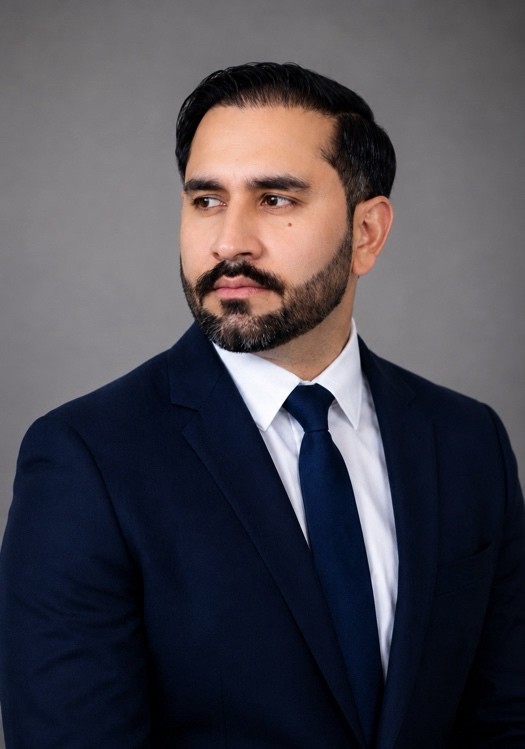
My name is Shah Hussain, and I am from Khyber Pakhtunkhwa, Pakistan. I completed my Bachelor’s in Psychology at the Univer .... Read more
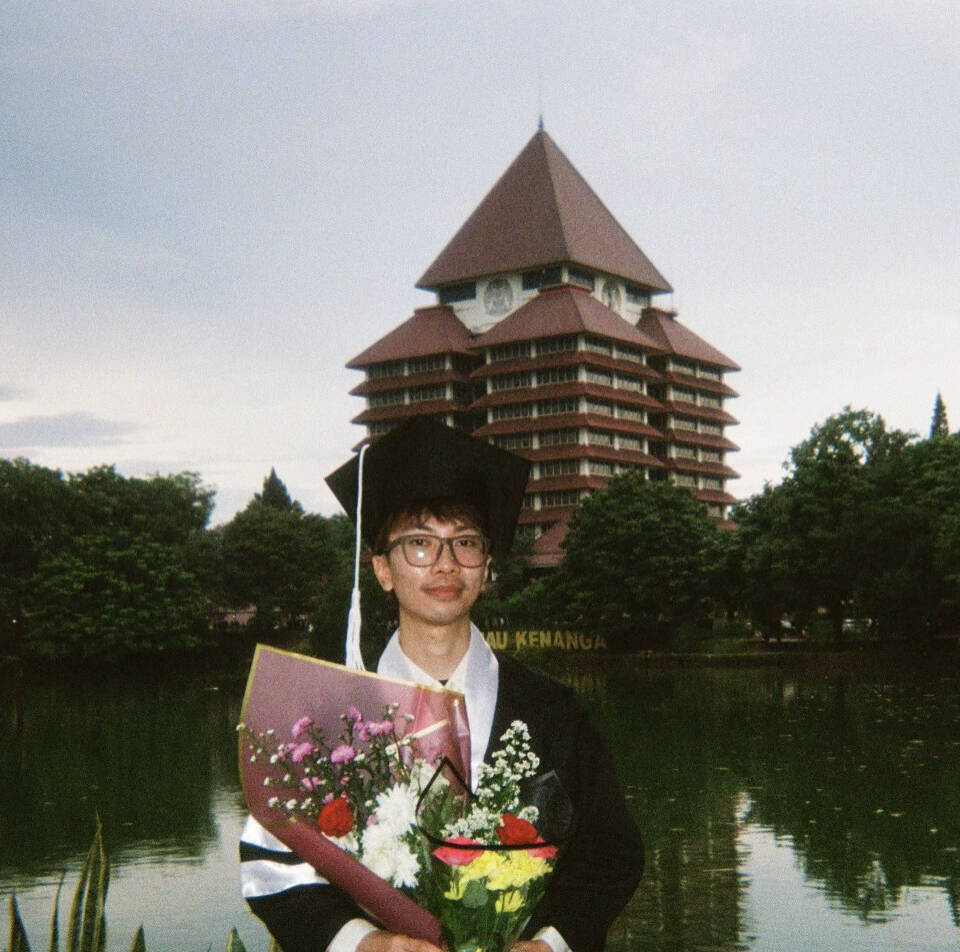
I am June from the Philippines. I am an educator for Social Sciences and Humanities. I recently earned my Master in Southeas .... Read more
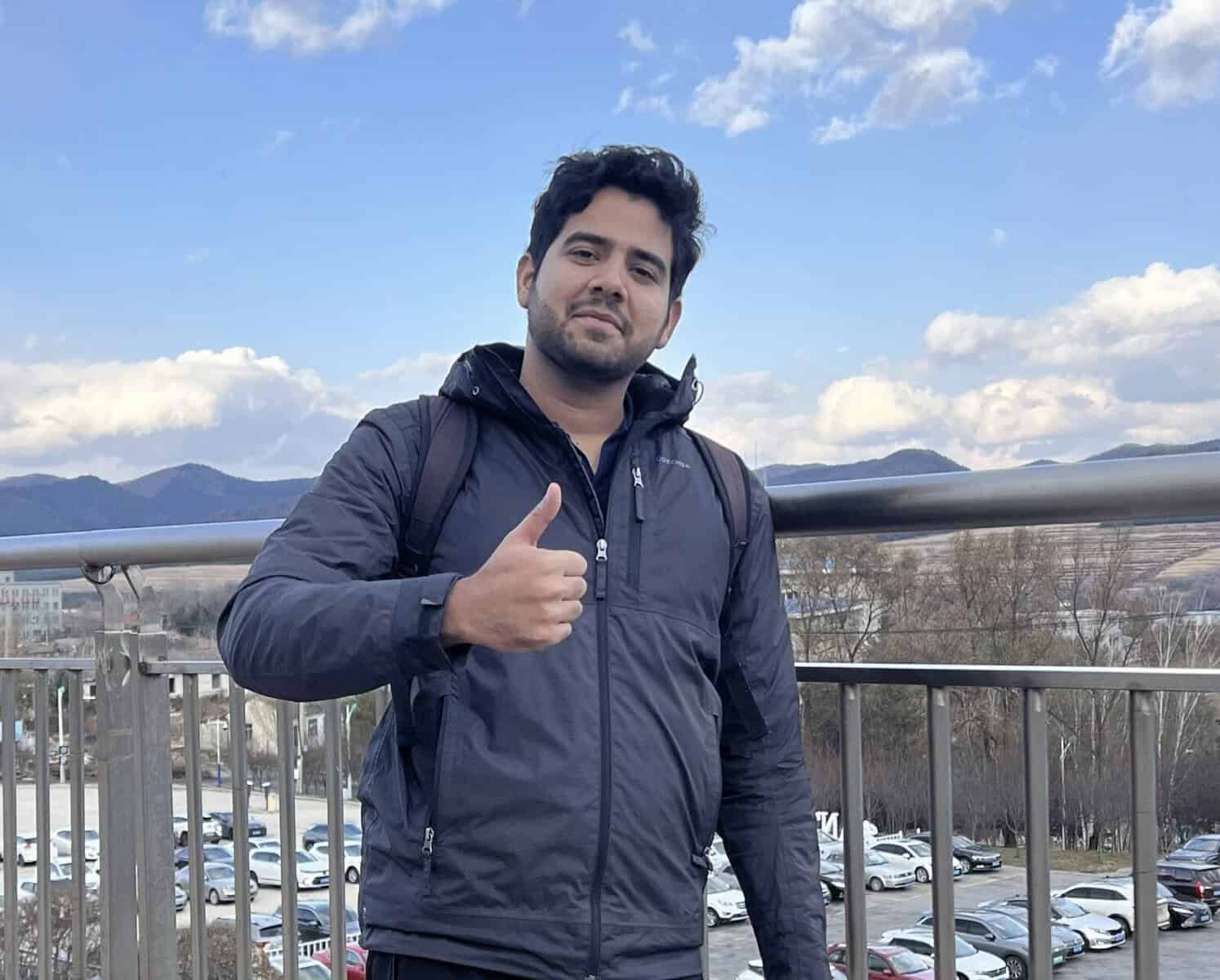
Hi, my name is Abdul Hafeez, and I come from a small town called Nasirabad in Sindh, Pakistan. Currently, I am pursuing a ma .... Read more
Leave A Comment