
How I Secured a Fully Funded Master’s at University College London (UCL), United Kingdom Through the Commonwealth Master’s Scholarship
University: University College London (UCL)
Degree: Master of Science (MSc) in Public Policy
Previous Education: Bachelor’s in Political Science, Acharya Nagarjuna University; Master’s in Political Science, Acharya Nagarjuna University
Scholarship: Commonwealth Master’s Scholarship – Full Funding (Tuition Fees, Annual Living Allowance, Return Airfare, Arrival Allowance, Additional Study-Related Support)
Other Offered Scholarships: Commonwealth Shared Scholarship – University of Cambridge (MPhil Programme); 50% Merit Scholarship – Hertie School, Germany (Master of Public Policy); Full Scholarship – Universidad Carlos III de Madrid (Master’s in Social Sciences, Reserve List); Partial Grants from Several Universities in the UK and Europe
Social Media
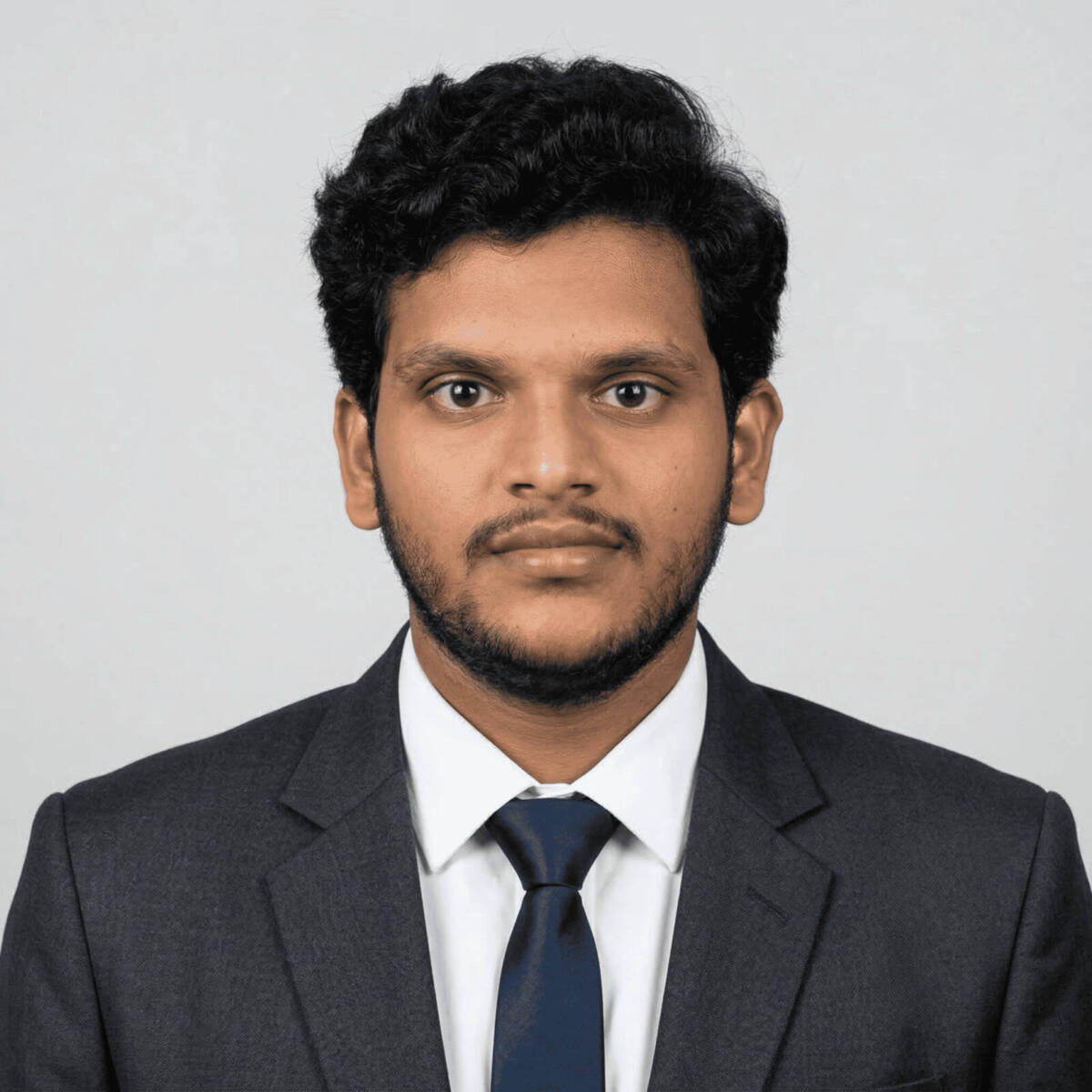
The Journey
My name is Williamkery Gaddam, and I come from a small town in Andhra Pradesh, India. I am the first graduate to study higher education abroad, and my journey to studying abroad has been shaped by both opportunity and adversity.
Growing up, I saw firsthand how public policies hit home for people in very real ways. Many of my peers lost educational opportunities because scholarships were delayed, families struggled to access public services, and talented young people abandoned their ambitions because the system did not always work as intended. Those experiences made me curious about why some public programmes succeed while others fail, even when they appear successful on paper.
I completed my Bachelor's and Master's degrees in Political Science at Acharya Nagarjuna University. Along the way, I became increasingly interested in governance, evidence-based policymaking, and state capacity. Outside the classroom, I volunteered in community organisations, mentored underprivileged students, helping them navigate educational opportunities to achieve social mobility, and championed student advocacy efforts to secure the release of delayed scholarships for my peers.
This September, I will begin the MSc Public Policy at University College London (UCL) as a Commonwealth Master’s Scholar. I chose public policy because I want to understand how governments can design and implement policies that genuinely improve people's lives, particularly those from historically underserved communities. My long-term goal is to contribute to stronger public institutions through research, policy analysis, and evidence-based decision-making.
Commonwealth Master's Scholarship Details
I received the Commonwealth Master's Scholarship, funded by the UK Foreign, Commonwealth & Development Office (FCDO), to pursue the MSc Public Policy at University College London (UCL).
The scholarship is fully funded and covers tuition fees, an annual living allowance, return airfare, arrival allowance, and additional study-related support. Beyond financial assistance, it also provides access to a global network of scholars and professionals committed to public service and sustainable development.
Receiving this scholarship has been one of the most meaningful milestones in my academic journey because it removes financial barriers that would otherwise have made studying abroad impossible and allows me to engage with global scholars in driving substantial change in the communities.
Were You Offered Any Other Scholarships?
Yes. Alongside the Commonwealth Scholarship at UCL, I received several other offers and scholarship opportunities during my application cycle.
- Commonwealth Shared Scholarship – University of Cambridge (MPhil programme) (unutilised)
- 50% Merit Scholarship – Hertie School, Germany (Master of Public Policy)
- I have been placed on the reserve list for the full scholarship at UC3M, Spain for a Master’s in Social Sciences
- I also received partial grants from several other universities in the UK and Europe.
Choosing UCL through the Commonwealth Scholarship taught me that investing time into building strong applications opens multiple doors, ensuring you never have to depend on a single outcome.
Educational Background
I completed my Bachelor's degree in Political Science before pursuing a Master's in Political Science at Acharya Nagarjuna University in India.
During my Master's, I graduated with distinction and was awarded the University Gold Medal for academic excellence. I also qualified for the Junior Research Fellowship (JRF)in Political Science, awarded by the University Grants Commission, Ministry of Education, which strengthened my research skills and introduced me to more advanced academic work.
Outside of my studies, I looked for ways to put my learning into action. During my summer breaks, I taught social science at rural schools and stayed active in community service. I also joined policy debates and researched how governance and public policy work on the ground. These moments were vital; they helped me see past the textbooks and understand the real-world pulse of public institutions.
Together, my academic training and practical experiences prepared me well for graduate study in public policy.
How Did You Prepare to Apply to University College London (UCL)?
I approached the application process as a long-term project rather than something that could be completed in a few weeks.
I spent a lot of time diving into each university's curriculum, checking out what the faculty were researching, and looking into where their graduates ended up. I made it a point to read papers from professors whose work really spoke to me and even reached out to current students to get the real scoop. It was important to me that the program wasn't just prestigious, but a genuine match for what I wanted to do.
Rather than applying to universities based solely on rankings, I focused on finding programmes that matched my research interests in governance, public policy, and evidence-based policymaking.
Every Statement of Purpose was written specifically for that university. I did not use a generic essay across multiple applications. Instead, I tailored each application to explain why that institution was the right fit for my academic goals.
How Did You Find Information About Commonwealth Master's Scholarship and University College London (UCL)?
Most of my research came from official university websites, scholarship portals, webinars, LinkedIn, and conversations with current students and scholarship recipients.
To stay on top of everything, I kept a spreadsheet to track deadlines, eligibility, and faculty members whose research really interested me. It helped me stay organized, compare programs, and ensure I never missed a deadline. I relied heavily on https://globalscholarships.com/ to find opportunities. One thing I realized is that while most information is out there for everyone to find, the real secret is staying consistent and putting in the work long before the deadline hits.
Did You Take Any Standardized Tests? If So, How Did You Prepare for Them?
Yes. I took the TOEFL iBT to meet English language requirements.
Preparing for the TOEFL required balancing university applications, scholarship applications, and financial limitations. I mainly relied on official ETS practice materials, free online resources, and consistent practice in speaking and academic writing.
I focused on improving my ability to communicate ideas clearly and logically, instead of memorising templates. That preparation proved useful not only for the language test but also for writing scholarship essays and communicating during interviews and academic discussions.
How Did You Prepare to Apply for the Commonwealth Master's Scholarship?
Preparing the scholarship application required much more than maintaining good academic grades.
I spent months thinking about my academic path, my career goals, and the impact I want to make. Every essay went through several drafts, and I worked closely with mentors who gave me high-level feedback to help sharpen my application. I actively sought out honest critiques and kept refining things until the whole story felt like it truly represented who I am.
Instead of trying to look like I already had all the answers to complex policy issues, I focused on showing my long-term commitment through things I’ve actually done, like research, teaching, and volunteering in my community in Andhra Pradesh.
One of the biggest takeaways for me was that scholarship applications aren’t just about what you’ve achieved in the past. They’re really about showing your purpose, your potential, and exactly where you see yourself going in the future.
How is Your Experience at University College London (UCL)?
As I will begin my studies at University College London in September, I am not yet in a position to comment on my experience at the institution. I look forward to learning from leading scholars in public policy, engaging with classmates from around the world, and contributing to the university community.
How Do You Rate University College London (UCL) Academically?
Although I have not yet started the programme, I chose UCL because of its outstanding reputation in public policy, political science, and evidence-based policymaking.
The opportunity to learn from internationally recognised researchers, study in London, and engage with one of the world's leading policy schools made UCL the best fit for my academic and professional goals.
How Does University College London (UCL) Support International Students?
Based on my interactions before joining, UCL provides extensive support for international students through orientation programmes, academic skills workshops, career services, wellbeing support, and student societies.
I am particularly looking forward to becoming part of its diverse international community and benefiting from the university's strong emphasis on student support.
What Did You Pursue After the Commonwealth Master's Scholarship?
As I have not yet begun the programme, this question is yet to be explored.
My long-term goal after completing the MSc is to work in public policy, governance, and policy research. I hope to contribute to evidence-based policymaking in India and internationally through research, policy analysis, and public sector reform.
Would Potential Students Have Any Problems Not Knowing the Native Language?
No.
Since the programme is taught entirely in English, students can participate fully without knowing another language. However, I believe learning about the local culture and becoming familiar with everyday communication can greatly enrich the overall experience of studying abroad.
What Do You Think Made Your Application Stand Out?
I believe my application stood out because it demonstrated consistency between my experiences, academic interests, and future goals.
Throughout my journey, I consistently pursued opportunities related to governance and public service. Whether teaching in a rural school, volunteering with community organisations, conducting research, or helping advocate for the release of delayed scholarships for fellow students, each experience strengthened my commitment to improving public institutions.
Rather than presenting unrelated achievements, my application told one coherent story. My academic record, leadership experiences, research interests, and career aspirations all pointed in the same direction.
I also believe authenticity mattered. I did not exaggerate my experiences or try to present myself as someone with all the answers. Instead, I explained how each experience shaped my understanding of public policy and why I wanted to continue learning.
What Would You Have Done Differently if You Were Going Through the Process Again?
If I were starting again, I would begin preparing much earlier.
Scholarship applications require far more time than most people expect. Building relationships with faculty, researching programmes, preparing for English language tests, and refining application essays cannot be done effectively at the last minute.
I would also have applied to more scholarships earlier instead of assuming that some opportunities were beyond my reach. Looking back, I realised that applicants should never reject themselves before selection committees have the opportunity to evaluate their applications.
What Advice Would You Give Those Looking to Apply for a Similar Scholarship?
Start early and give yourself enough time to prepare thoughtful applications.
Do not apply simply because a university is highly ranked. Spend time understanding the curriculum, reading faculty research, and ensuring that the programme genuinely aligns with your interests and long-term goals.
Invest time in your essays. Scholarship committees are not only looking for excellent grades. They want to understand your motivation, your leadership, your commitment to your chosen field, and the impact you hope to create after completing your studies.
Seek honest feedback from mentors who are willing to critique your work. Every revision will improve your application.
Finally, remember that rejection is part of the process. I received setbacks along the way, but each application taught me something that strengthened the next one. Persistence, preparation, and authenticity ultimately made the difference. If your experiences, goals, and values come together into a clear and genuine story, your application will be much stronger than one that simply lists achievements.
Want to submit your
scholarship journey?
Submit Your Story Here!
More Scholarship Recipients
My name is Shah Hussain, and I am from Khyber Pakhtunkhwa, Pakistan. I completed my Bachelor’s in Psychology at the Univer .... Read more
I am June from the Philippines. I am an educator for Social Sciences and Humanities. I recently earned my Master in Southeas .... Read more
Hi, my name is Abdul Hafeez, and I come from a small town called Nasirabad in Sindh, Pakistan. Currently, I am pursuing a ma .... Read more
Leave A Comment