
How Shivya Gupta Secured a Fully Funded Master’s in Forensic Science at UAB
University: University of Alabama at Birmingham (United States). Now pursuing a Ph.D. at Charles University.
Degree: M.S. in Forensic Science, with a focus on biology, completed in April 2025. GPA 3.83/4.0.
Previous Education: B.Sc. in Human Genetics at Guru Nanak Dev University, India, completed in May 2023. GPA 3.3/4.0.
Scholarship: Fully funded for the duration of the master’s. Held Graduate Assistant and Graduate Research Assistant appointments at the University of Alabama at Birmingham.
Social Media
LinkedIn: linkedin.com/in/shivya-gupta-40557a2b3/
The Journey
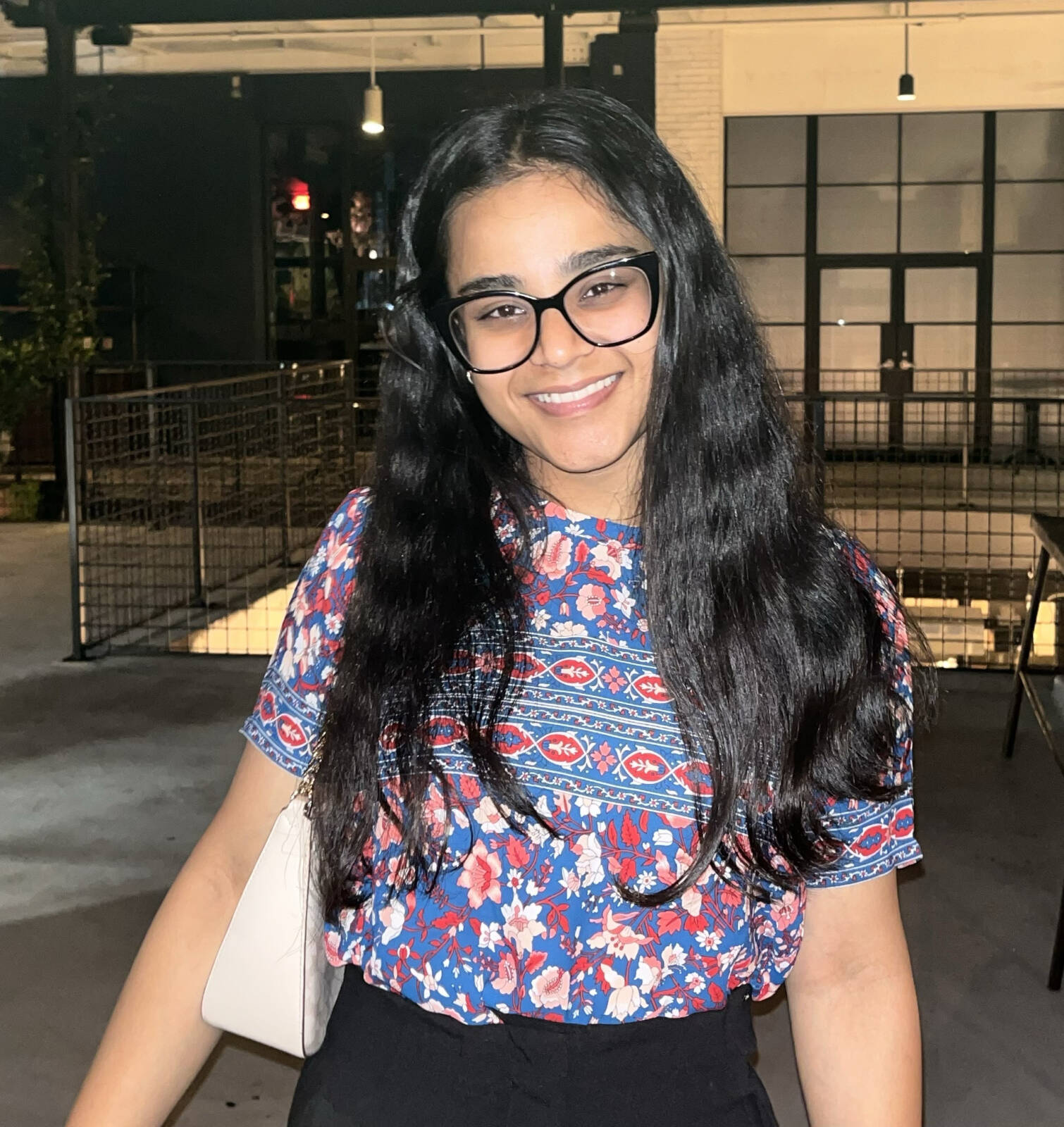
My name is Shivya Gupta, and I am from India. I earned a B.Sc. in Human Genetics at Guru Nanak Dev University in Amritsar, India, and a fully funded M.S. in Forensic Science, with a focus on biology, at the University of Alabama at Birmingham (UAB), USA. I chose forensic science because I wanted to apply what I knew about genetics to questions about biological evidence. I am now pursuing a PhD at Charles University in Bioinformatics and Computational Biology, where I use bioinformatics to study how the genetic code shapes protein evolution.
Graduate Assistantship Funding Details
UAB funded my M.S. in Forensic Science for the full duration of the program. During my degree, I held Graduate Assistant and Graduate Research Assistant appointments at UAB. My work included processing biological samples, refining laboratory procedures, and supporting experiments in cell culture and protein analysis.
Educational Background
I completed my B.Sc. in Human Genetics in May 2023 with a GPA of 3.3/4.0 and my M.S. in Forensic Science in April 2025 with a GPA of 3.83/4.0. My undergraduate training in genetics gave me a foundation in DNA analysis and molecular biology. At UAB, I applied that foundation to a practical forensic problem by comparing different solutions for releasing sperm cells from cotton swabs. That project taught me how much sample preparation can affect what a lab can recover and analyze.
How Did You Prepare to Apply to the University of Alabama at Birmingham?
My preparation started with my undergraduate coursework and hands-on experience with DNA samples in India. Those experiences gave me specific examples of the work I enjoyed and helped me explain why forensic biology was the next step. For a similar application, I would connect one or two projects directly to what I wanted to learn in the program.
How Did You Find Information About Funding and the University of Alabama at Birmingham?
For applicants starting their search, I would look at the department’s program and admissions pages, then check the graduate school’s funding resources. I would ask the department directly whether master’s students can apply for assistantships, whether there is a separate deadline, and how long funding can be renewed.
Did You Take Any Standardized Tests? If So, How Did You Prepare for Them?
For my UAB application, I had a roundtable interview with my professors, who asked about my work experience and research interests. I would advise applicants to check the program’s requirements for their entry year, including any English proficiency requirements, before booking an exam.
How Did You Prepare to Apply for Funding?
My undergraduate genetics training and experience preparing and troubleshooting DNA samples gave me a foundation for graduate laboratory work. For an assistantship application, I would use examples like these to show what I could contribute and describe my own role in each project.
How Was Your Experience at the University of Alabama at Birmingham?
Some of my most valuable lessons came from experiments that needed troubleshooting. During my graduate assistantships, I prepared reagents, processed samples, and worked with colleagues to refine protocols. Repeating a procedure meant paying close attention to which steps had changed and documenting enough detail for someone else to follow my work.
How Do You Rate the University of Alabama at Birmingham Academically and Why?
I would rate my academic experience highly. The program gave me a chance to take a practical question about forensic evidence and investigate it systematically. My graduate research also helped me build skills I still use, especially keeping careful records, comparing results across conditions, and explaining what the data can support.
How Does the University of Alabama at Birmingham Support International Students?
UAB’s Office of International Student and Scholar Services is a point of contact for international students navigating immigration and employment questions. For questions about research appointments and funding, I would contact the graduate program directly and ask who can explain the terms of the offer.
What Did You Pursue After the Scholarship?
After completing my master’s, I continued at UAB as a Research Assistant, where I worked on molecular biology experiments and used Python and MATLAB to analyze data. I am now pursuing doctoral research at Charles University. I use computer simulations to study why some changes from one amino acid to another are more likely to occur than others.
What Do You Think Made Your Application Stand Out?
I think the strongest part of my application was the connection between genetics and forensic biology. I could explain how working with DNA samples made me curious about what happens before a sample is analyzed. Troubleshooting sample preparation also gave me an example of how I approach a problem when the first method needs adjustment.
What Would You Have Done Differently?
I would start asking about assistantships earlier and keep a clearer record of each project as I worked on it. Even a short note on the question, what I did, and what I learned would make it easier to give specific examples in an application or interview.
What Advice Would You Give Those Looking to Apply for a Similar Scholarship?
- Ask early about funding for master’s students and get the details in writing. Find out how many semesters the offer covers, whether it includes tuition or a stipend, and what work you would be expected to do.
- In your application, pick one project you can explain clearly. A specific example of how you handled a problem in the lab can show a committee how you work and what you would bring to the program.
Want to submit your
scholarship journey?
Submit Your Story Here!
More Scholarship Recipients
My name is Boubou Tine, and I am from Senegal. I am an English teacher in the Senegalese public education system, where I ha .... Read more

My name is Le Lan Phuong, and I grew up in the northern midlands and mountainous region of Vietnam. I graduated from the Nat .... Read more
My name is Bruna Moreira. I am from Portugal and am currently pursuing a master’s in arts management at Hongik University, .... Read more
- China
- China Three Gorges Scholarship
- Fully Funded Scholarships
- Global Korea Scholarship
- Hongik University
- Management
- Master's Scholarships
- Non-Degree Scholarships
- Partially Funded Scholarships
- Political Science
- Portuguese Nationality
- South Korea
- Tsinghua University
- United States
- University of Tennessee at Chattanooga
Leave A Comment