
How Rana, a Sudanese Scholar, Secured a Fully Funded PhD in Industrial Systems Engineering Through the Global Korea Scholarship
University: Jeonbuk National University
Degree: PhD in Industrial Systems Engineering (Machine Learning and Data Mining for Carbon Capture, Utilization, and Storage)
Previous Education: Bachelor’s in Chemical Engineering at the University of Khartoum; Master’s in Engineering Management at the University of Khartoum
Scholarship: Global Korea Scholarship (GKS) – Fully Funded (Full Tuition, Korean Language Training, Airfare, Health Insurance, Monthly Allowance of KRW 1,000,000 During Language Training and KRW 1,400,000 During PhD Studies)
Social Media
LinkedIn: linkedin.com/in/rana-mohammed-16ab57190/
The Journey
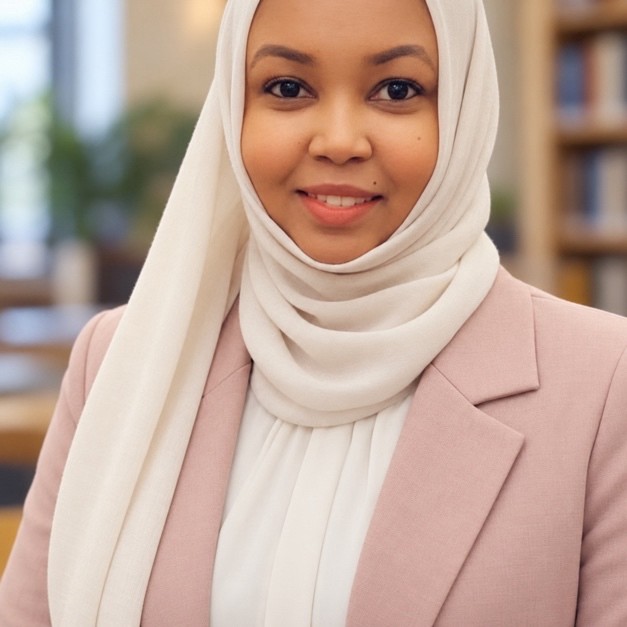
My name is Rana, and I am from Sudan. I am a Global Korea Scholarship (GKS) recipient pursuing a Ph.D. in Industrial Systems Engineering at Jeonbuk National University in South Korea. I have completed my doctoral coursework and am now focusing on my research.
I previously studied Chemical Engineering and Engineering Management at the University of Khartoum. Before coming to Korea, I worked on research and projects related to greenhouse gas inventories and climate change. These experiences shaped my interests and motivated me to develop stronger analytical skills. I chose Industrial Systems Engineering because I wanted to explore how data mining and machine learning can be used to address real challenges in the energy and climate sectors. My current research focuses particularly on carbon capture, utilization, and storage (CCUS) projects.
Global Korea Scholarship Details
I received the Global Korea Scholarship (GKS), a fully funded scholarship supported by the Korean government, to pursue my Ph.D. at Jeonbuk National University. During my one-year Korean language program, my monthly allowance was KRW 1,000,000. My current monthly allowance is KRW 1,400,000.
The scholarship also supports tuition, Korean language training, airfare, and health insurance, along with other benefits. This financial support has made it possible for me to focus on my studies and research. These allowance amounts reflect my own experience; scholarship benefits can change over time.
Educational Background
I earned both of my previous degrees at the University of Khartoum in Sudan: a bachelor's degree in Chemical Engineering, graduating with Second Class Honours (Upper Division), and a master's degree in Engineering Management, with a GPA of 8.25 out of 10.
Chemical Engineering gave me a foundation in quantitative problem-solving and engineering analysis, while Engineering Management broadened my understanding of systems, research, and decision-making. Alongside my studies, my experience with research projects and climate change-related work helped me see how valuable data-driven methods could be. Together, these experiences prepared me to pursue doctoral research at the intersection of engineering, data analysis, energy, and climate change.
How Did You Prepare to Apply to Jeonbuk National University?
I first learned about GKS through the Korean Embassy in Sudan and applied through the Embassy Track. After submitting my application, I was invited to an interview. Five applicants were selected through the embassy process, and I was the only one among them selected for doctoral study.
I chose Jeonbuk National University because of the opportunities it offered in my area of interest. As a national university, it also appealed to me because of its commitment to education and research and its ambition to become a Global Top 100 university. I did not contact a professor before applying. I received the scholarship and university admission first, then completed my Korean language year at Jeonbuk National University and chose my supervisor before beginning my Ph.D.
I was not required to submit an IELTS, TOEFL, or Korean language test score for my application. Future applicants should check the requirements for their own application year, route, and universities.
How Did You Prepare to Apply for the Global Korea Scholarship?
I spent approximately one month preparing my application. I collected the required documents, completed the necessary authentication procedures for my academic certificates and supporting documents, and wrote my personal statement and study plan entirely by myself.
I focused on my academic background, previous research and project experience, and genuine reasons for pursuing further studies. After I submitted the documents through the Korean Embassy in Sudan, I attended an interview with a panel of three people. As far as I remember, some questions related to what I had written in my personal statement. That is why I encourage applicants to know their own application well, leave enough time for document authentication, and explain their experiences and goals honestly.
How is Your Experience at Jeonbuk National University?
My experience at Jeonbuk National University has been very positive, both academically and personally. I have appreciated the opportunity to study and conduct research in South Korea.
I did not face major difficulties adjusting to life here. I completed my one-year Korean language program at Jeonbuk National University, and each semester the university arranged a cultural trip to a different region of Korea. These trips helped us experience Korean traditions and everyday life beyond the classroom. By the time I began my Ph.D., I felt comfortable with the culture and daily routines.
How Do You Rate Jeonbuk National University Academically?
I rate Jeonbuk National University highly for its academic environment and research opportunities. I am satisfied with the education I have received and the guidance of my academic supervisor. His support has been especially valuable as I have developed my research skills and worked on my doctoral research.
How Does Jeonbuk National University Support International Students?
Jeonbuk National University supports international students through guidance on university procedures and practical matters related to studying in Korea. I also appreciated the cultural activities organized during the Korean language program. They gave us opportunities to meet other students and experience different parts of Korea, which made adapting to a new country easier.
Are Your Classes Conducted in English or Korean?
Both languages are used, depending on the course. Some classes are taught in English and others in Korean. The Korean language program I completed before beginning my Ph.D. helped me communicate more comfortably and adjust to the academic environment.
What Did You Pursue After the Global Korea Scholarship?
I am still pursuing my Ph.D. and have completed the required coursework. I am currently focusing on research that uses data mining and machine learning to examine challenges in energy and climate change, particularly in CCUS projects.
After graduating, I hope to continue working in research in South Korea, whether at a research institute or in an industry-related role. I would like to contribute to practical, data-driven solutions that support clean energy and climate change mitigation.
Would Potential Students Have Any Problems Not Knowing Korean?
Yes, I believe international students can succeed academically in South Korea without speaking Korean, depending on their program. I know many international students who do very well academically even though they do not speak Korean.
However, it is important to check the language of instruction because some courses are offered in English and others in Korean. Learning Korean is still a valuable advantage: it makes everyday life easier, helps with communication, and gives students more opportunities to experience the culture. I would encourage students to learn at least the basics, even if they study in English.
What Do You Think Made Your Application Stand Out?
I believe my previous research experience and my genuine interest in the field may have helped my application stand out. Before applying, I had worked on research and projects related to climate change, so I could speak about the field from experience rather than only from general interest.
In both my written application and my interview, I spoke openly about the work I had done and why I wanted to continue researching these issues. I cannot know exactly what influenced the selection committee's decision, but I think that combination of relevant experience, clear goals, and genuine motivation may have made a difference.
What Would You Have Done Differently if You Were Going Through the Process Again?
Looking back, I am satisfied with how I approached the application process, and I would not change anything significant. I prepared my documents carefully and tried to present my experience and goals honestly. The process reinforced the importance of preparation and confidence in my own abilities.
What Advice Would You Give Those Looking to Apply for a Similar Scholarship?
My advice is to believe in yourself and not let the competition discourage you from applying. Take time to understand the requirements, prepare your documents carefully, and explain how the scholarship connects with your goals.
When writing your personal statement, focus on your real experiences and what genuinely motivates you. You do not need exaggerated achievements or complicated language to tell a meaningful story. Be clear about what you have learned, what you care about, and what you hope to contribute.
Most importantly, do not underestimate your chances before you have even tried. I am very glad I took the opportunity to apply, and I hope my experience encourages others to do the same.
Want to submit your
scholarship journey?
Submit Your Story Here!
More Scholarship Recipients
I never imagined that engineering would take me from Palampur, a small town in Himachal Pradesh, India, all the way to a PhD .... Read more
My name is Md. Shamim Gazi, and I am from Bangladesh. I completed my Doctor of Veterinary Medicine (DVM) degree at the Facul .... Read more
Salam! I’m Maisha from the bustling, densely populated city of Dhaka, Bangladesh, a country blessed with the most romantic .... Read more
Leave A Comment