
Fulbright Scholarship Scholar Paula Domínguez Lacueva from Spain Shares Her Journey of Securing a Fully Funded PhD at the University of Massachusetts Amherst, United States
University: University of Massachusetts Amherst
Degree: PhD in Food Science
Previous Education: Double Degree in Biology and Environmental Sciences, University of Navarra; Master’s Degree in Environmental Agrobiology, Public University of Navarra (UPNA)
Scholarship: Fulbright Scholarship – $25,990.00 (Six-Month Research Stay at the University of Massachusetts Amherst)
Other Offered Scholarships: Academic Excellence Credit, Banco Popular, Spain – N/A; Collaboration Scholarship, Public University of Navarra (UPNA) – €1,200.00; FPU Scholarship (University Teacher Training Program, FPU23/00039), Spanish Ministry of Science, Innovation and Universities – €95,525.44; Erasmus+ Short-Term Research Mobility Grant, University of Economics and Business, Poznań – €1,400.00; Erasmus+ Short-Term Research Mobility Grant, University of Copenhagen – €1,200.00
Social Media
LinkedIn: linkedin.com/in/paula-dominguez-lacueva-1940871b2/
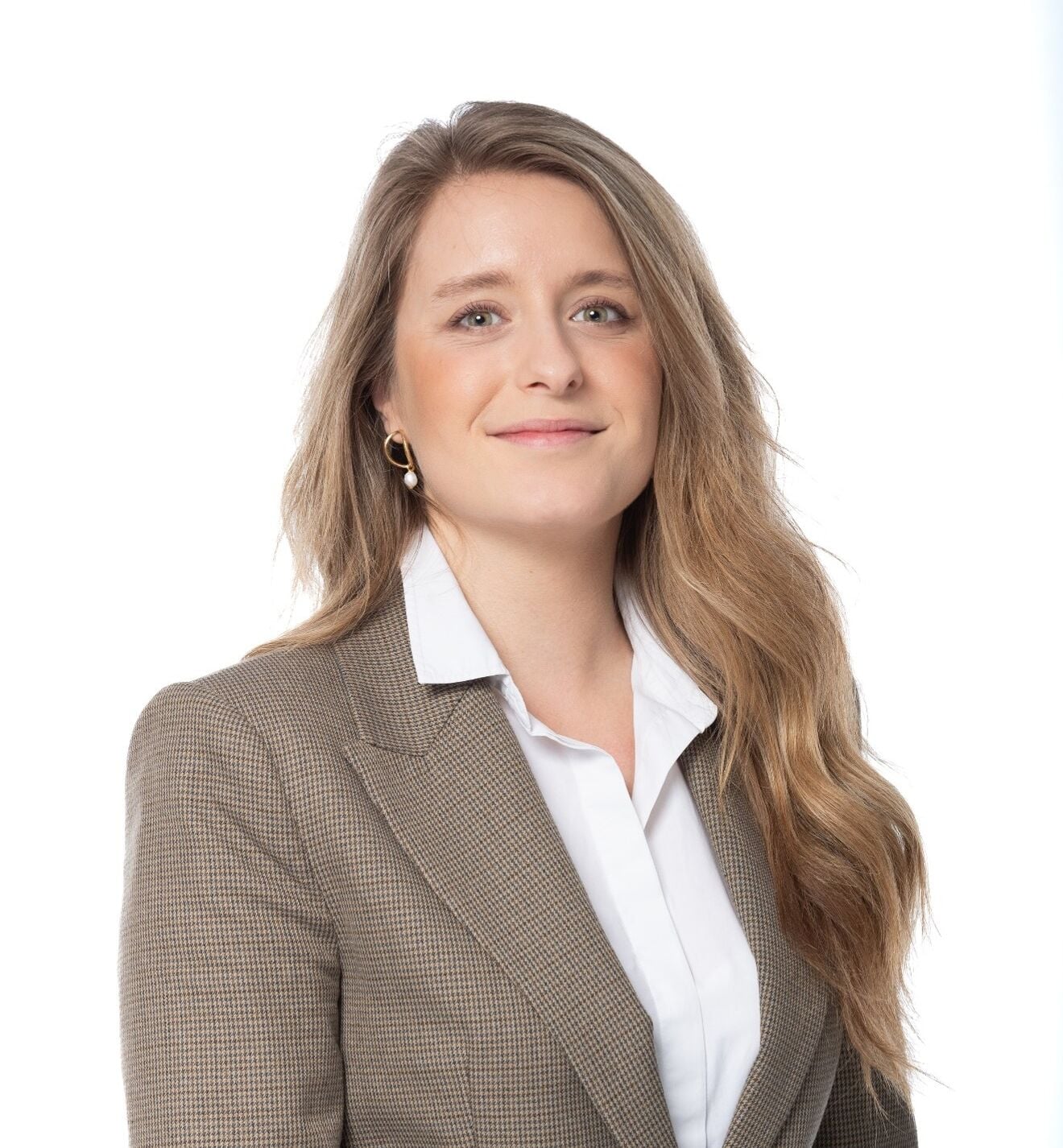
The Journey
My name is Paula Domínguez Lacueva, and I am from Navarra, Spain. I am a researcher at the Public University of Navarra (UPNA), where I am currently pursuing my PhD in the field of Food Science. My research focuses on the development of ozonized olive oil-based therapeutic products, particularly for the treatment of pressure ulcers in elderly patients. I decided to pursue further education in this field because I am passionate about applying scientific research to address real-world health challenges while promoting sustainability and innovation in the agri-food sector. My academic and research interests lie at the intersection of food technology, microbiology, biotechnology, and health sciences.
Fulbright-Navarra Scholarship Details
I was awarded a Fulbright Scholarship for the 2025–2026 academic year through the specific Fulbright-Navarra program established between the Government of Navarra and the Fulbright Commission. The scholarship supports a six-month research stay at the University of Massachusetts Amherst in the United States, where I will continue developing my doctoral research project focused on the valorization of olive oil by-products through ozonation for therapeutic applications. The exact amount awarded has been 25,990.00 $.
Were You Offered Any Other Scholarships?
Academic Excellence Credit (2015–2020) – Awarded for academic excellence during all five years of undergraduate studies. Funded by Banco Popular, Spain – n/a
Collaboration Scholarship (2021–2022) – Awarded during the completion of my Master's Thesis. Funded by the Public University of Navarra (UPNA), Spain – 1,200.00 €
FPU Scholarship (University Teacher Training Program, FPU23/00039) – Competitive four-year predoctoral fellowship awarded by the Spanish Ministry of Science, Innovation and Universities to support doctoral studies and research training - 95,525.44 €.
Erasmus+ Short-Term Research Mobility Grants – Awarded for predoctoral research stays at:
University of Economics and Business, Poznań, Poland (1–15 day research mobility) - 1,400.00€
University of Copenhagen, Denmark (1–15 day research mobility) - 1,200.00€
Educational Background
I completed a bilingual Double Degree in Biology and Environmental Sciences at the University of Navarra, Spain. My GPA was 2.38/4.0 in Biology and 2.49/4.0 in Environmental Sciences. During my undergraduate studies, I developed a strong foundation in biological sciences, microbiology, ecology, environmental management, and laboratory research, while also gaining experience working in an international and bilingual academic environment.
Afterward, I pursued a Master's Degree in Environmental Agrobiology at the Public University of Navarra (UPNA), where I graduated with a GPA of 3.25/4.0. The master's program provided advanced training in biotechnology, food science, microbiology, experimental design, and scientific research methods.
My educational background prepared me well for doctoral research by combining knowledge from life sciences, environmental sciences, and biotechnology. This interdisciplinary training has been particularly valuable for my current research, which focuses on the development and characterization of ozonized olive oil-based products for biomedical applications, integrating aspects of food science, microbiology, chemistry, and health sciences.
How Did You Prepare to Apply to the Public University of Massachusetts?
I started by identifying institutions whose research interests and expertise aligned closely with my PhD project. Since my research focuses on biotechnology and food science, I looked for research groups with strong experience in these areas and opportunities for international collaboration. I also discussed potential host institutions with my supervisors and explored the research profiles of different universities before deciding where to apply.
How Did You Find Information About the Fulbright-Navarra Scholarship and the University of Massachusetts Amherst?
Most of the information I find about scholarships, fellowships, and mobility opportunities comes through university mailing lists, institutional newsletters, research networks, and emails distributed to PhD students and researchers. I also regularly check announcements from my university, funding agencies, and organizations such as Fulbright. In many cases, opportunities come to my attention through bulk emails sent by universities, research centers, or academic associations.
Did You Take Any Standardized Tests? If So, How Did You Prepare for Them?
I hold the Cambridge C1 Advanced (CAE) certificate, which demonstrates an advanced level of English proficiency. However, at the time of my Fulbright application, this certificate was not accepted as proof of English language proficiency, so I was required to take the Duolingo English Test. Interestingly, the Duolingo test has become increasingly accepted by many universities and institutions in recent years.
To prepare, I familiarized myself with the test format and completed several practice exercises available online. Since I already used English regularly in academic and scientific contexts, my preparation focused mainly on understanding the structure and timing of the exam rather than improving my language skills themselves.
How Did You Prepare to Apply for the Fulbright Scholarship?
I prepared by developing a clear research proposal, identifying a host institution that matched my research interests, and carefully preparing all the required documentation. I also sought advice from supervisors and previous applicants whenever possible.
How is Your Experience at the University of Massachusetts Amherst?
My experience at the University of Massachusetts Amherst has been outstanding and has exceeded my expectations both professionally and personally. The research environment is highly collaborative, I have had access to excellent facilities and expertise, and the experience has allowed me to grow as a researcher while building valuable international connections. On a personal level, living abroad and interacting with people from different backgrounds has been incredibly enriching.
How Do You Rate the University of Massachusetts Amherst?
I would rate it very highly. The university has excellent research facilities, highly qualified faculty, and a collaborative atmosphere that encourages innovation and interdisciplinary work. In fact, they are they have the Best Food Science Program in the whole US.
How Does the University of Massachusetts Amherst Support International Students?
Both the University and, especially, Fulbright, provide strong support through international student services, orientation programs, visa assistance, academic advising, and numerous opportunities for networking and professional development.
What Did You Pursue After the Fulbright Scholarship?
I have a one-year postdoctoral contract at my home University.
What Do You Think Made Your Application Stand Out?
I believe my interdisciplinary background, international experience, research productivity, and a project with clear scientific and societal impact helped distinguish my application.
Looking Back, Would You Have Done Anything Differently During Your Time in the Program?
I would have started preparing the application slightly earlier and reached out to potential collaborators at the host institution sooner. The process for the Fulbright application is very long (almost 1 year), and the preparation must be taken with patience, too.
What Advice Would You Give Those Looking to Apply for a Similar Scholarship?
Start early, be proactive in contacting potential hosts, and make sure your proposal clearly explains both its scientific value and its broader impact. Don't underestimate the importance of the personal statement; tell your story and explain why the experience is important for your future goals.
Want to submit your
scholarship journey?
Submit Your Story Here!
More Scholarship Recipients
My name is Shah Hussain, and I am from Khyber Pakhtunkhwa, Pakistan. I completed my Bachelor’s in Psychology at the Univer .... Read more
I am June from the Philippines. I am an educator for Social Sciences and Humanities. I recently earned my Master in Southeas .... Read more
Hi, my name is Abdul Hafeez, and I come from a small town called Nasirabad in Sindh, Pakistan. Currently, I am pursuing a ma .... Read more
Leave A Comment