
How Md. Shamim Gazi, a Bangladeshi Scholar, Secured a Fully Funded Master’s in Preventive Veterinary Medicine Through the Global Korea Scholarship
University: Chungbuk National University (CBNU)
Degree: Master’s in Preventive Veterinary Medicine
Previous Education: Doctor of Veterinary Medicine (DVM) at Bangladesh Agricultural University (BAU)
Scholarship: Global Korea Scholarship for Graduate Degrees (GKS-G) – Fully Funded (Tuition Support, Airfare, Korean Language Training, Monthly Allowance, Other Eligible Benefits)
Social Media
LinkedIn: linkedin.com/in/md-shamim-gazi/
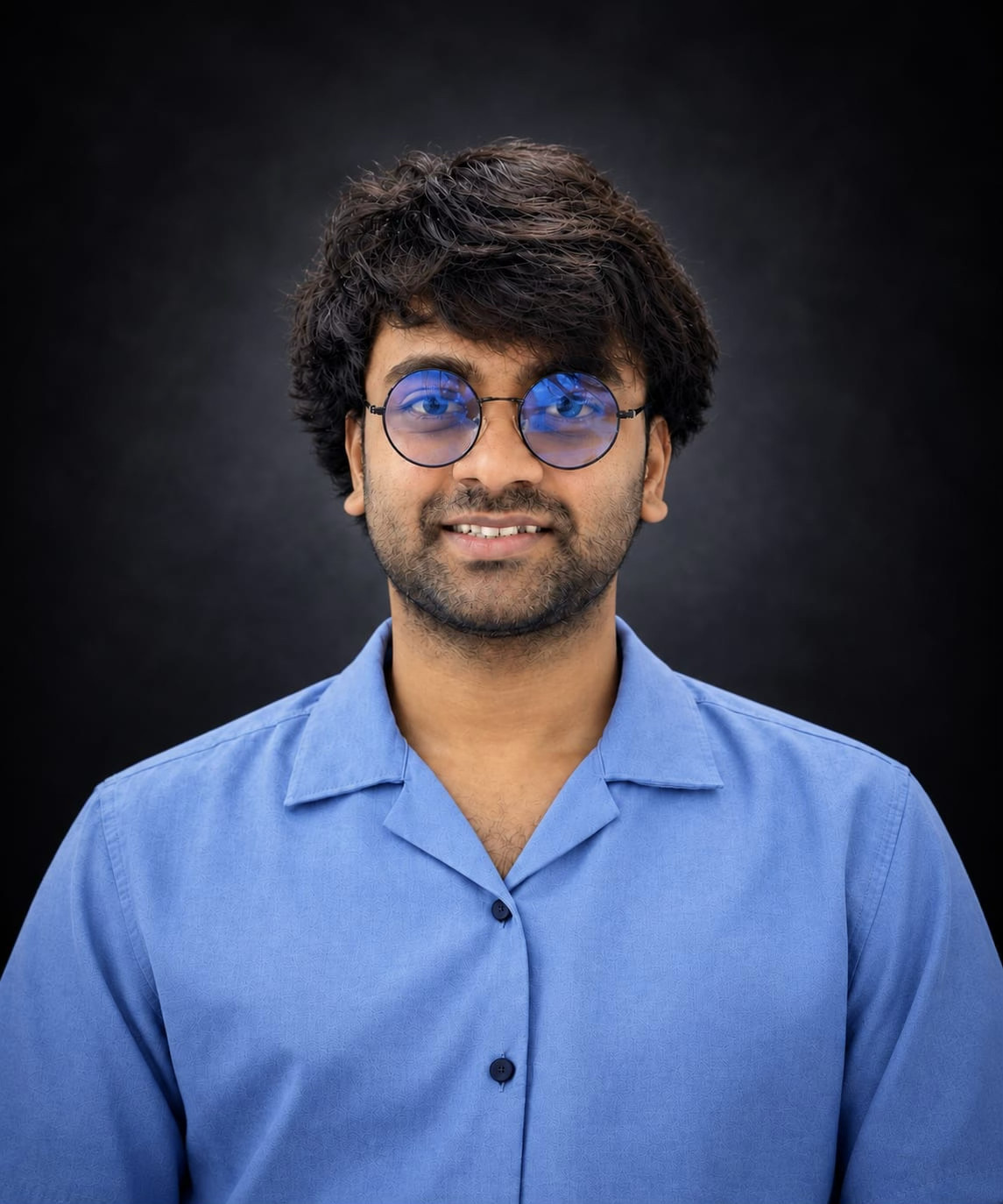
The Journey
My name is Md. Shamim Gazi, and I am from Bangladesh. I completed my Doctor of Veterinary Medicine (DVM) degree at the Faculty of Veterinary Science, Bangladesh Agricultural University (BAU), Mymensingh, Bangladesh.
I am currently pursuing a Master’s degree in Preventive Veterinary Medicine at the College of Veterinary Medicine, Chungbuk National University (CBNU), South Korea, through the Global Korea Scholarship (GKS).
Coming from a rural background, I see education and research as opportunities not only to improve my own future but also to contribute to public health and scientific development in my home country.
Global Korea Scholarship Details
I received the Global Korea Scholarship for Graduate Degrees (GKS-G) from the Government of the Republic of Korea. I was recommended by Chungbuk National University and subsequently received final selection from the National Institute for International Education (NIIED) in June 2025.
I am studying at Chungbuk National University, one of South Korea's national universities.
The scholarship provides comprehensive financial support under the applicable GKS program regulations, including tuition support, airfare, Korean language training, a monthly allowance, and other eligible benefits.
The scholarship has allowed me to pursue international graduate education without depending entirely on my family's financial resources.
Were You Offered Any Other Scholarships?
At the time of accepting the GKS scholarship, I did not have another scholarship offer that I accepted for my current master's studies.
Educational Background
I completed my DVM degree at Bangladesh Agricultural University from January 2019 to January 2025, graduating with a CGPA of 3.603/4.00.
My veterinary education provided a strong foundation in animal health, infectious diseases, microbiology, parasitology, epidemiology, and veterinary public health etc.
How Did You Prepare to Apply to Chungbuk National University?
I began by identifying universities and scholarship programs that matched my academic background, research interests, and financial circumstances.
I explored university websites, official scholarship announcements, admission requirements, and information shared by previous scholarship recipients. I also researched professors, university research facilities, and potential opportunities for postgraduate study.
I learned that a successful application requires more than good grades. Applicants should understand the scholarship requirements, prepare documents carefully, explain their academic goals clearly, and demonstrate how their previous education connects to their intended field of study.
How Did You Find Information About Global Korea Scholarship and Chungbuk National University?
I primarily used official university websites, scholarship announcements, and online academic communities. I also explored university departments and research laboratories to understand whether their academic strengths aligned with my interests.
My advice is to begin with official sources and verify every important requirement rather than relying entirely on social media posts or information from other applicants.
Did You Take Any Standardized Tests? If So, How Did You Prepare for Them?
I did not take IELTS, TOEFL, GRE, GMAT, SAT, or ACT for my GKS application. Fortunately, I was selected for this scholarship without any language certificates, though our medium of instruction was in English during my undergraduate.
However, I studied Korean through the GKS Korean language training program and achieved TOPIK Level 4. Learning Korean helped me adapt to daily life in South Korea and communicate more effectively in the local environment.
How Did You Prepare to Apply for the Global Korea Scholarship?
I focused on presenting a clear connection between my previous education, research interests, and future academic goals.
My preparation included organizing my academic documents, reviewing the eligibility criteria, preparing application materials, and explaining why I wanted to study preventive veterinary medicine in South Korea.
One important lesson I learned is that applicants should start early. Obtaining transcripts, certificates, recommendation letters, and other required documents can take time. It is also important to check each document carefully against the official application guidelines.
How is Your Experience at Chungbuk National University?
My experience at Chungbuk National University has been an important step in my academic and personal development.
Moving from Bangladesh to South Korea exposed me to a different academic environment, culture, and way of life. Completing the Korean language training program also helped me become more confident in adapting to a new country.
As a master's student in Preventive Veterinary Medicine, I am developing my academic foundation and beginning to gain practical experience relevant to veterinary parasitology research. My current research-related learning includes working with parasite samples, single-oocyst DNA extraction, PCR, and preparation for subsequent molecular laboratory procedures.
I look forward to developing these skills further and learning more about molecular identification, parasite biology, and research methods throughout my graduate studies.
How Do You Rate Chungbuk National University Academically?
I consider Chungbuk National University a valuable institution for my graduate education because it offers a university environment where I can develop my knowledge, engage with academic staff, and pursue research in veterinary medicine.
For me, the most important factors are the quality of supervision, access to appropriate research facilities, opportunities to develop practical skills, and the ability to connect coursework with research goals.
As I am still in the early stage of my master's degree, I believe my experience will continue to develop as I progress through my research training.
How Does Chungbuk National University Support International Students?
As a GKS scholar, I benefit from the support provided through the scholarship program and my host university.
The scholarship's financial support and Korean language training are particularly valuable for international students adjusting to life and study in South Korea.
International students should also make use of the university's official international student services, academic guidance, and available student support resources. I recommend checking directly with the university for details about specific services, accommodation, administrative procedures, and other forms of assistance.
Are Your Classes Conducted in English or Korean?
My experience involves both Korean language education and graduate-level study in veterinary medicine.
The language used for graduate courses, laboratory communication, and research activities can vary depending on the course, professor, and laboratory. Students should confirm the language requirements of their specific program before applying.
Although English is important for scientific literature, research presentations, and international academic communication, learning Korean is also highly beneficial for daily life and integration into the local academic environment.
What Did You Pursue After the Global Korea Scholarship?
After receiving the scholarship, I moved to South Korea and completed the Korean language training stage before beginning my master's degree studies at Chungbuk National University.
I am now pursuing my master's degree in Preventive Veterinary Medicine, with an interest in veterinary parasitology, molecular epidemiology, zoonoses, and One Health.
My long-term goal is to pursue a fully funded PhD and become a researcher working on parasitic and zoonotic diseases. Ultimately, I hope to use my education and research experience to contribute to scientific advancement, disease prevention, and public health, particularly in Bangladesh and other regions facing similar challenges.
Would Potential Students Have Any Problems Not Knowing Korean?
Not necessarily. The impact depends on the university, program, course language, and research environment.
Students in programs that use English may be able to complete their academic work without advanced Korean proficiency. However, not knowing Korean can make everyday communication, administrative tasks, and social integration more challenging.
My experience has taught me that learning the local language is valuable even when it is not a strict academic requirement. I encourage international students to learn Korean gradually before arriving and continue practicing after they begin their studies.
What Do You Think Made Your Application Stand Out?
I believe several factors strengthened my application.
First, my academic background in veterinary medicine was closely connected to my intended graduate field. My DVM degree provided a relevant foundation for studying preventive veterinary medicine.
Second, I had research exposure during my undergraduate studies, which helped me develop a clearer understanding of my academic interests and future research direction.
Third, my involvement in extracurricular and voluntary activities helped me develop leadership, teamwork, communication, and organizational skills. I served as president of BADHAN, a voluntary blood donors' organization, and participated in activities related to student engagement and community service.
Finally, I had a clear motivation for pursuing postgraduate education. I wanted to develop specialized knowledge and research skills that could help address veterinary and public health challenges.
I cannot know precisely which factors determined the selection committee's decision, but I believe the combination of academic preparation, relevant interests, leadership experience, and long-term goals helped present a coherent application.
What Would You Have Done Differently if You Were Going Through the Process Again?
If I were starting the process again, I would begin preparing even earlier.
I would invest more time in understanding different scholarship opportunities, researching potential supervisors and laboratories, and strengthening my research profile before applying.
I would also work earlier on scientific writing, research methodology, data analysis, and English-language preparation. These skills can be useful not only for scholarship applications but also for succeeding in graduate school.
Most importantly, I would maintain a structured application calendar and keep all important documents organized. Preparing for a scholarship is a process, and consistent preparation is more effective than rushing everything close to the deadline.
What Advice Would You Give Those Looking to Apply for a Similar Scholarship?
My first advice is to believe that international education is possible, even if you come from a financially disadvantaged background. My journey from Bangladesh to South Korea has shown me how a scholarship can create opportunities that might otherwise be difficult to access.
Second, do not focus only on your GPA. Academic performance matters, but research experience, leadership, motivation, and a clear study plan can also strengthen your application.
Third, research your target university and program carefully. Understand why you want to study there, what you hope to learn, and how the degree connects to your future goals.
Fourth, prepare your documents early. Read the official guidelines carefully, check eligibility requirements, and make sure your application is complete and consistent.
Fifth, learn from previous scholarship recipients, but always verify information through official sources. Scholarship requirements, benefits, and deadlines can change from year to year.
Finally, do not give up simply because the process seems complicated. Break it into manageable steps, keep improving your profile, and apply strategically.
Receiving the GKS scholarship has been a significant milestone in my life, but I see it as the beginning of a longer journey in education and research. I hope my experience encourages other students, particularly those from Bangladesh and other developing countries, to pursue their academic ambitions.
Want to submit your
scholarship journey?
Submit Your Story Here!
More Scholarship Recipients
Salam! I’m Maisha from the bustling, densely populated city of Dhaka, Bangladesh, a country blessed with the most romantic .... Read more
Hi, I’m Joylene Danthi from India. My journey with engineering started with a bachelor’s in mechanical engineering. Afte .... Read more
Degree in Product Service System Design at Politecnico di Milano. I chose this program because I want to broaden my perspect .... Read more
Leave A Comment