
How Mariam Gamdlishvili, a Georgian Scholar, Secured a Fully Funded Master’s in Communications Through the Fulbright Foreign Student Program
University: University of Southern Indiana, United States (Fulbright)
Degree: Master’s in Communications
Previous Education: Bachelor’s in International Relations – American University for Humanities, Tbilisi, Georgia; Additional Degree – King’s College London, United Kingdom
Scholarship: Fulbright Foreign Student Program – Fully Funded (Full Tuition, Living Expenses, Monthly Stipend)
Other Offered Scholarships: Global Ambassador Scholarship – University of Southern Indiana, United States; Edmund S. Muskie Professional Fellowship Program – Professional Internship, Living Expenses and Fellowship-Related Costs
Social Media
The Journey
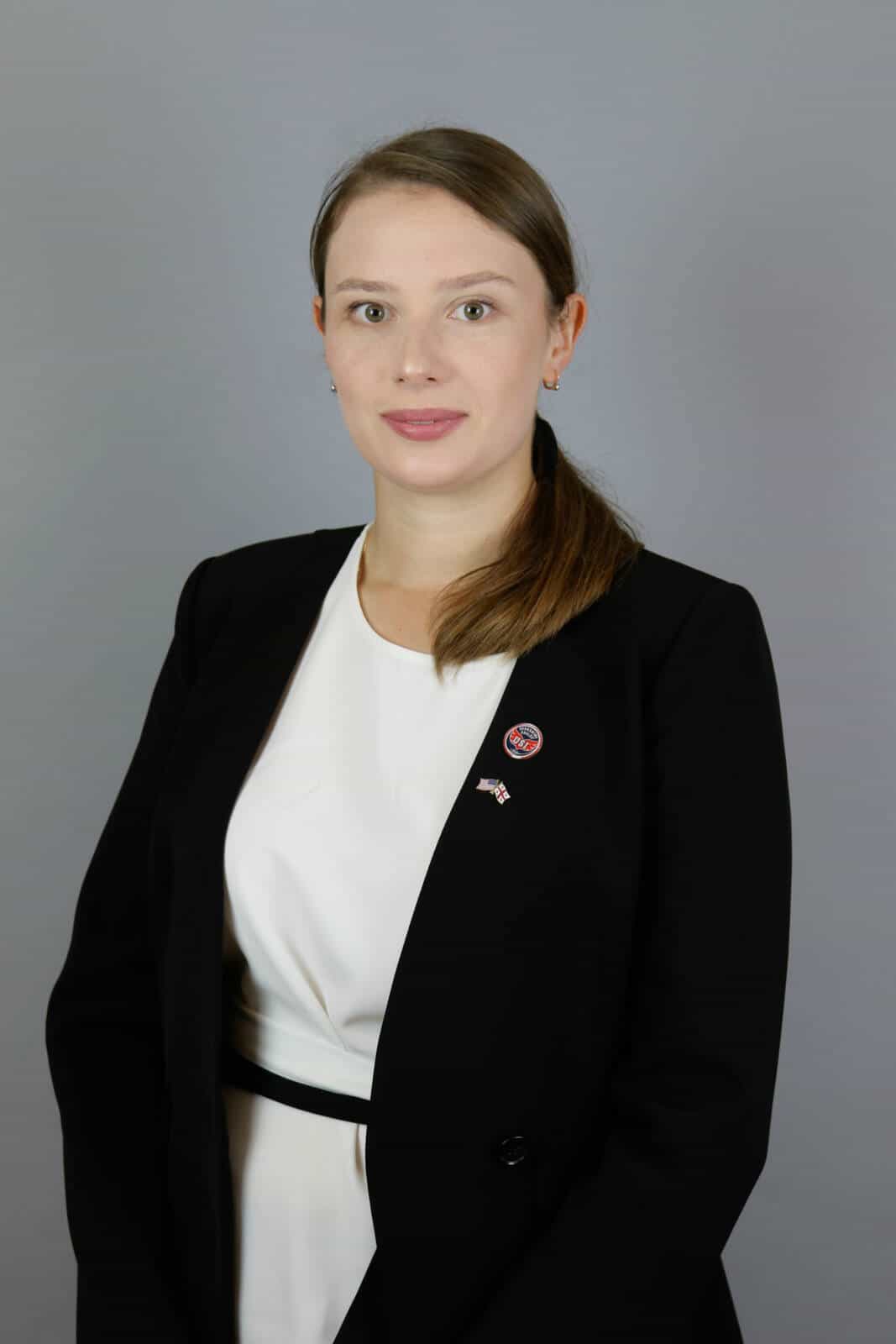
My name is Mariam Gamdlishvili. I was born and raised in Kazakhstan and come from a mixed Georgian-Russian family, which made me something of a third-culture kid from an early age. Growing up in a post-Soviet environment while having a strong connection to Georgia gave me an interest in different cultures, societies, and ways of seeing the world. I later moved to Georgia, where I completed my undergraduate studies and eventually built my professional career. Studying abroad had always been a strong personal and professional interest for me. I was curious not only about living in another country, but about experiencing different academic systems and learning from places where certain fields were already more developed. Today, I am an Executive Director at the Strategic Security Initiative, where I work on strategic security and communications, and I also lead a project focused on preserving Georgian textile heritage through Georgian Infusion.
My Fulbright experience was particularly important because it connected directly to a gap I had identified in my professional life. In 2015, Georgia was beginning to develop a more structured strategic communications system within the government. I was already working in and around this field, but I realized that I lacked the academic foundation to fully understand and contribute to it. That was why I decided to pursue graduate studies in communications and strategic communications. I wanted to study these subjects in a country that had already developed significant academic and practical expertise in the field, and to bring that knowledge back into my professional work in Georgia.
Fulbright Foreign Student Program Details
I received the Fulbright Foreign Student Program, a fully funded program of the U.S. Department of State. I applied through the U.S. Embassy in Tbilisi.
The scholarship covered my tuition in full, as well as my living expenses and basic living allowance. I also received a monthly stipend throughout the program. It provided the financial support necessary for me to spend two years studying in the United States without having to finance the degree myself.
The scholarship was not simply financial support. It gave me access to an academic environment, professional networks, resources, and experiences that became extremely important for my subsequent career.
Were You Offered Any Other Scholarships?
Yes. After completing my Fulbright studies, I was also selected for the Edmund S. Muskie Professional Fellowship Program, which is connected to the broader Fulbright community and provides professional development opportunities for scholars from post-Soviet countries. Through the Muskie program, I had the opportunity to undertake a professional internship within a U.S. institution. The program covered living expenses and other costs associated with the fellowship. One of the most valuable aspects of Muskie was that it allowed me to experience the professional side of the U.S. system after having experienced its academic environment through Fulbright. Interestingly, through Muskie, I was able to intern at a university where I had originally hoped to study. So, in a way, I eventually got the opportunity I had imagined, just through a different route.
Educational Background
My academic background has primarily been connected to international relations and related fields. I completed my bachelor's degree in International Relations at American University of Humanities in Tbilisi. I subsequently pursued further studies in Europe and later completed my graduate studies in Communications in the United States through Fulbright. Later, I gained another degree from King’s College London, and now I am a PhD student at Tbilisi State University.
My undergraduate GPA was 3.51, while my GPA during my studies in Europe was approximately 3.6. My highest academic performance was during my studies in the United States. I would not describe myself as someone who had a perfect academic record. In fact, one of the lessons I learned from the scholarship process is that academic performance is only one part of an application.
My background in international relations gave me a strong foundation for understanding politics, international affairs, and institutions. My later studies in communications allowed me to connect that knowledge with strategic communication, information environments, and the practical challenges of communicating policy and national interests. That combination ultimately became very important to my professional trajectory.
How Did You Prepare to Apply to University of Southern Indiana?
The Fulbright process in Georgia is somewhat different from applying independently to universities.
You initially apply for the Fulbright scholarship itself. If you become a finalist, the process of applying to universities is largely handled with the support of the Fulbright team. The U.S. Embassy and the Washington-based organization administering the program work with you and apply to appropriate institutions on your behalf. You then receive the final university placement based on the universities' decisions.
This is important because many applicants initially imagine that they will simply choose an American university and apply directly to it. That is not necessarily how the Fulbright Foreign Student Program works in Georgia.
I did, however, spend a lot of time researching universities and trying to understand the system. I also spoke with Fulbright alumni and searched extensively online for information about the process, previous applicants, programs, and expectations.
One thing I would tell applicants is not to become overly attached to a particular university name. When you come from outside the United States, you naturally know the famous universities and may assume that getting into one of those institutions is the ultimate goal.
My experience taught me otherwise.
The U.S. has an enormous higher education system, and many universities that may not be familiar internationally have excellent infrastructure, faculty, resources, and opportunities. My own experience at the University of Southern Indiana proved that very clearly.
Did You Take Any Standardized Tests? If So, How Did You Prepare for Them?
Yes. I took both the TOEFL and GRE as part of the Fulbright application process. These were required for the scholarship process rather than specifically for admission to my eventual university.
I did prepare for both examinations. I did not have an enormous amount of time, so my preparation was fairly focused. I worked with specialized preparation centers to familiarize myself with the structure and expectations of the tests.
Looking back, I think I could have prepared more extensively, particularly for the GRE and TOEFL. Stronger scores might have given me more flexibility in terms of the universities considered during the placement process.
How Did You Prepare to Apply for the Fulbright Foreign Student Program?
I approached the application very seriously because I had already experienced a lot of rejection.
Before Fulbright, I had applied for scholarships and study opportunities in Europe and the UK numerous times. I actually received unconditional offers to study at universities, but I was not able to secure funding.
At first, those failures were frustrating. Eventually, however, they became part of my preparation. Every unsuccessful application taught me something about how to present myself, how to explain my motivation, and how to understand what scholarship committees were actually looking for.
For Fulbright, I spoke with alumni and tried to find as much information as possible online. I wrote many different versions of my motivation letter and research objective. I wrote and rewrote them by hand and kept refining the way I presented my story.
The biggest change was that, for the first time, I stopped trying to write what I thought a scholarship committee wanted to hear and started explaining why this particular education actually mattered to my professional and personal trajectory.
That made a significant difference.
How Do You Rate the University of Southern Indiana Academically?
Academically, the most valuable part of the experience was having access to a different academic environment and to resources that allowed me to approach communications from both theoretical and practical perspectives.
I had specifically chosen communications because I wanted to understand a field that Georgia was developing institutionally at the time. Studying it in the United States gave me the opportunity to see how the field functioned in a country with a much longer institutional and academic history in strategic communications.
It also taught me something broader: you do not necessarily need to attend the most famous university to receive an excellent education.
I initially had the mindset that a successful U.S. scholarship would mean getting into one of the universities I already knew by name. My experience challenged that assumption. The opportunities, infrastructure, resources, and academic environment available at U.S. universities can be much more extensive and equal than applicants from abroad might expect.
How Does the University of Southern Indiana Support International Students?
My experience at the University of Southern Indiana was very positive.
One of the things I appreciated most was the level of support available to international students. The university had a strong international community and organized many activities both for international students and by international students.
I was also involved in the Global Ambassadors Program and received a Global Ambassador Scholarship.
The experience was much broader than simply attending classes. I was able to interact with people from different countries, participate in university activities, develop professional relationships, and experience American academic and social life firsthand.
The university was very supportive of international students.
There were dedicated activities, programs, and events, including the Global Ambassadors Program, in which I participated. I also received a Global Ambassador Scholarship.
There was a real effort to create opportunities for international students to participate in university life rather than simply treating them as students who happened to come from abroad.
This was particularly valuable because studying abroad is not only an academic transition. You are also adapting to a new culture, new social environment, and different ways of learning.
What Did You Pursue After the Fulbright Foreign Student Program?
After completing my studies, I continued working in the fields of communications, international affairs, strategic communications, and security.
My U.S. education became part of a broader professional trajectory rather than an isolated academic experience. The knowledge and skills I gained through Fulbright have been directly relevant to the work I have done since then.
I am now an Executive Director at the Strategic Security Initiative, where my work focuses on strategic security, communications, and related areas.
I also run Georgian Infusion, a project dedicated to preserving Georgian textile heritage and developing research, restoration, and educational work around Georgia's textile heritage.
My career has therefore continued to sit at the intersection of international affairs, communications, strategy, and culture.
What Do You Think Made Your Application Stand Out?
I think the biggest thing that made my application stand out was my story.
Before Fulbright, I had failed many times.
I had applied for scholarships in Europe and the UK and had even received unconditional offers from universities, but I could not secure the funding. So I had plenty of experience with rejection before I ever received Fulbright.
For a long time, I approached applications primarily by focusing on what I thought would make me look like a strong candidate academically.
With Fulbright, I approached it differently. I told my personal story and explained why I wanted this education, why communications mattered to my professional trajectory, and why studying in the United States was relevant to what I wanted to contribute afterwards.
It was probably the first time I had presented myself as a whole person rather than simply as an applicant with degrees, grades, and professional experience.
I think that authenticity made a difference.
Your grades matter. Your extracurricular activities matter. Your professional experience matters. But ultimately, the committee needs to understand who you are, why you are doing this, and what you intend to do with the opportunity.
What Would You Have Done Differently if You Were Going Through the Process Again?
I would not fundamentally change my application strategy.
The only thing I would probably do differently is prepare more extensively for the GRE and TOEFL. With stronger scores, I might have had access to a broader range of university options during the placement process.
But I also think there is a danger in looking back and assuming that the university you originally wanted would necessarily have produced a better outcome.
In my case, I ended up at the University of Southern Indiana, an institution I may not have considered on my own. I had an excellent experience there.
Then, through the Muskie Professional Fellowship, I was able to undertake an internship at a university that I had originally wanted to attend.
So I ultimately learned that there is rarely just one route to an opportunity.
What Advice Would You Give Those Looking to Apply for a Similar Scholarship?
My biggest advice is very simple: keep applying.
I failed many times before I received Fulbright. I received university offers without funding. I applied for scholarships that I did not get. Every time, I thought about what I could improve and tried again.
After enough failures, you develop something that is almost as important as a strong application: resilience.
You also realize that rejection is not necessarily evidence that you are not good enough. Sometimes it simply means that the particular opportunity was not the right one at that particular time.
If you have a genuine desire to study abroad, pursue it. Research the opportunities, speak to alumni, prepare seriously for the tests, write and rewrite your essays, and learn how to tell your story.
And don't limit yourself to the universities you already know.
One of the biggest lessons from my own experience is that opportunities can come from places you never expected. A university you have never heard of may provide you with resources, people, experiences, and opportunities that change the direction of your career.
Most importantly, don't let previous failures convince you to stop applying.
Keep going. At some point, one of those applications will become the opportunity that changes everything.
Want to submit your
scholarship journey?
Submit Your Story Here!
More Scholarship Recipients
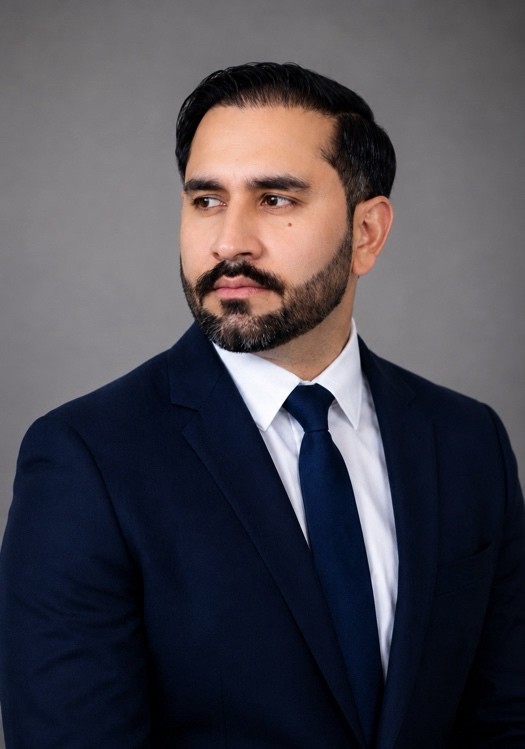
My name is Shah Hussain, and I am from Khyber Pakhtunkhwa, Pakistan. I completed my Bachelor’s in Psychology at the Univer .... Read more
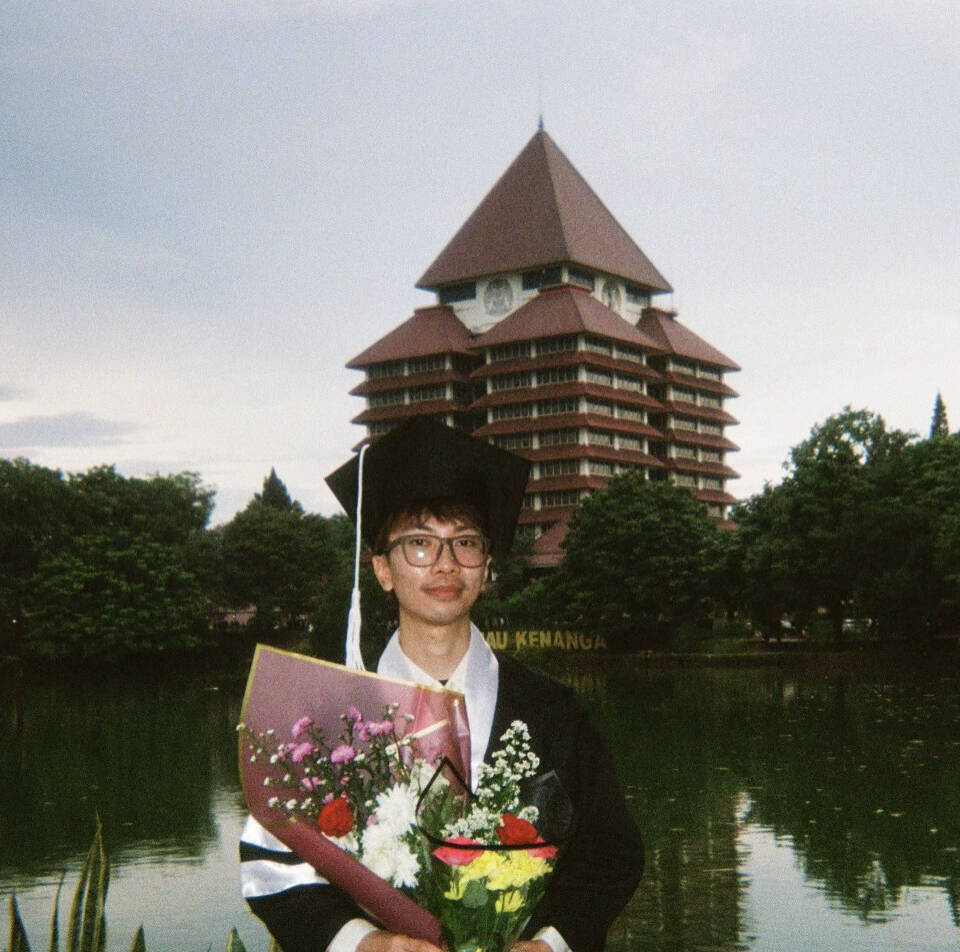
I am June from the Philippines. I am an educator for Social Sciences and Humanities. I recently earned my Master in Southeas .... Read more
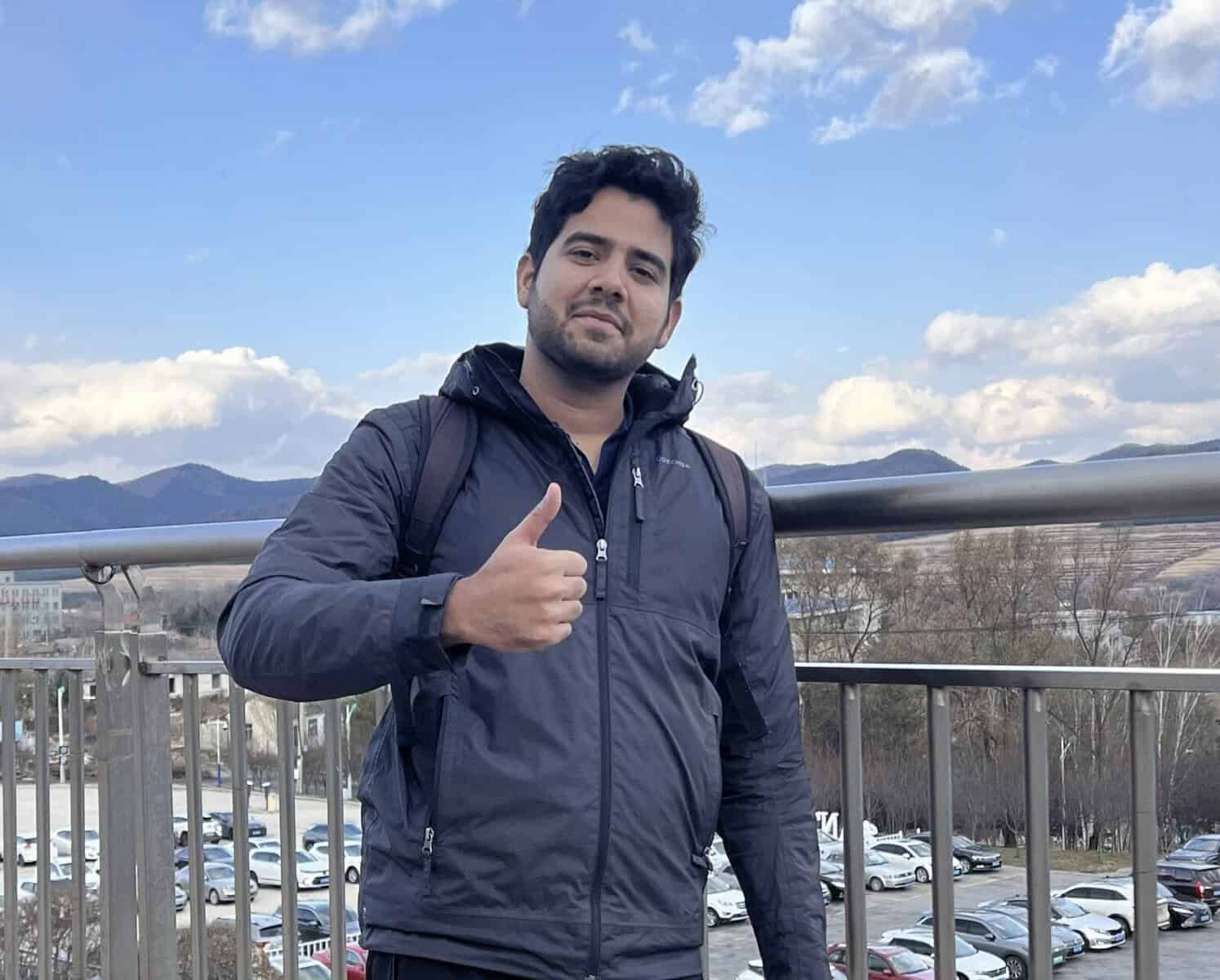
Hi, my name is Abdul Hafeez, and I come from a small town called Nasirabad in Sindh, Pakistan. Currently, I am pursuing a ma .... Read more
Leave A Comment