
How Chhavie Ghildiyal Secured a Fully Funded Master’s in Nuclear and Particle Physics at the University of Edinburgh Through the British Council Women in STEM Scholarship
University: University of Edinburgh
Degree: Master’s in Nuclear and Particle Physics
Previous Education: BSc (Honours) in Physics, Atma Ram Sanatan Dharma College, University of Delhi
Scholarship: British Council Women in STEM Scholarship – Tuition, Approximately £21,800 Annual Living Stipend, Airfare, Visa and Immigration Health Surcharge; Total Value Approximately £61,000
LinkedIn: Chhavie Ghildiyal
The Journey
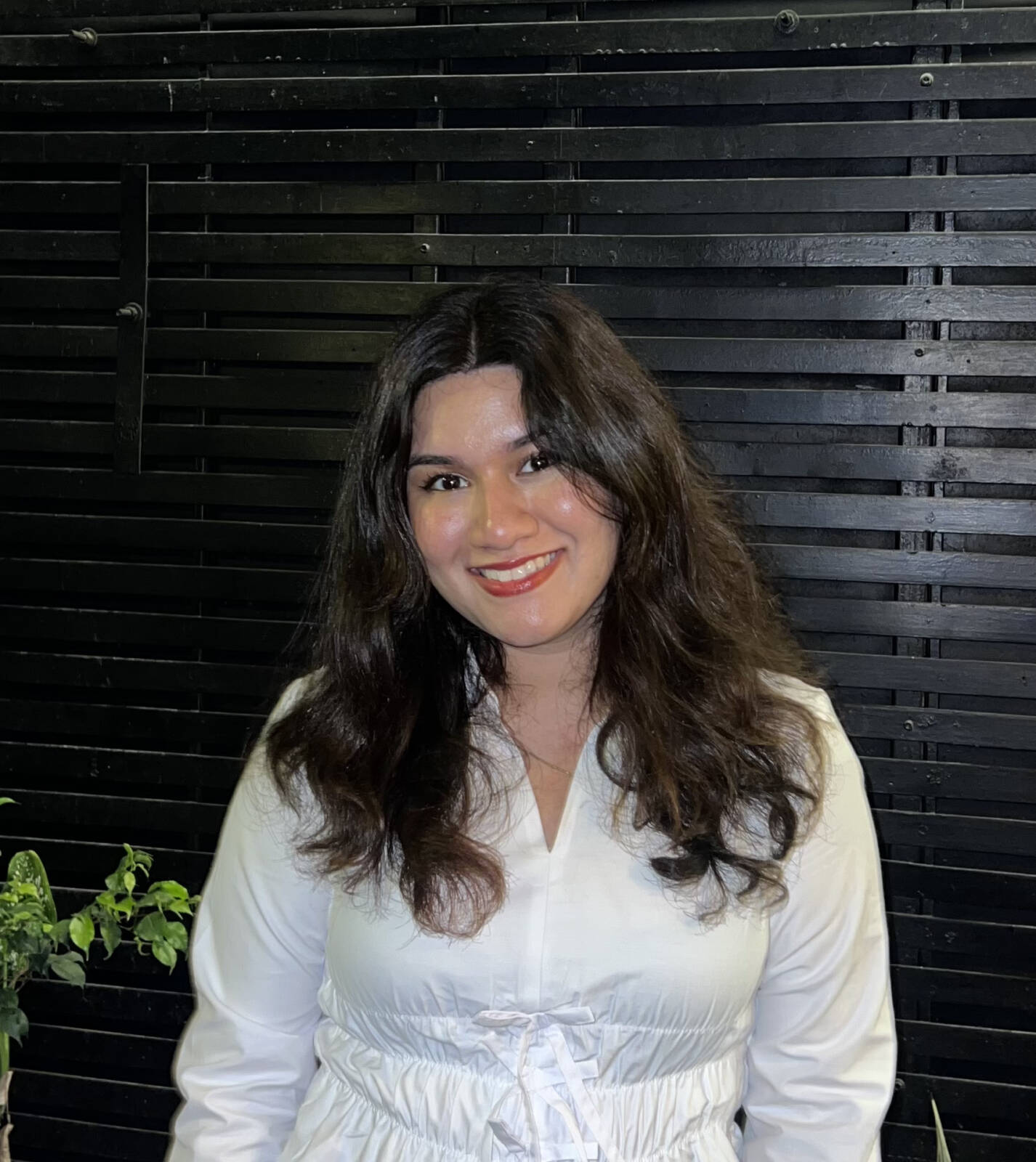
My name is Chhavie Ghildiyal, and I recently completed my Bachelor of Science (Honours) in Physics from the University of Delhi. Alongside my core physics curriculum, I intentionally chose electives in Computer Science and Business because I have always been fascinated by the intersection of these disciplines. Understanding scientific principles is one thing, but translating them into real-world impact through technology and innovation is what truly excites me. I believe some of the most meaningful breakthroughs happen when seemingly different fields come together.
My academic interests gradually evolved toward computational physics, particularly the application of machine learning and artificial intelligence to solve complex scientific problems. During my undergraduate studies, I found myself increasingly drawn to building computational models and neural networks to explore physical systems. This naturally led me to pursue a Master’s in Particle and Nuclear Physics, a field where advanced computational methods play a central role in understanding the fundamental building blocks of our universe.
For me, this programme is the perfect blend of physics and computer science. It allows me to combine my passion for fundamental scientific research with modern computational techniques, while equipping me with the skills to contribute to solving some of the most challenging questions in science.
British Council Women in STEM Scholarship Details
I was incredibly grateful to be awarded the British Council Women in STEM Scholarship to pursue an MSc in Nuclear and Particle Physics at the University of Edinburgh. The scholarship is offered in partnership with selected UK universities, and for applicants from my regional cluster—which included India, Bangladesh, Pakistan, Nepal, and Sri Lanka—there were only five participating institutions. As I explored the programmes, the University of Edinburgh stood out to me because of its strong research culture and the way its curriculum combined rigorous physics with computational approaches, an area I have always been deeply interested in.
Being offered the opportunity to study there felt both exciting and humbling. The scholarship is fully funded and covers my tuition fees, an annual living stipend of approximately £21,800, airfare, visa expenses, and the Immigration Health Surcharge. Altogether, it is valued at around £61,000.
More than the financial support, this scholarship represents something much more meaningful to me. It is a vote of confidence in my potential and a reminder that hard work, curiosity, and perseverance can open doors that once seemed far beyond reach.
Educational Background
I completed my Bachelor’s in Physics (Honours) from Atma Ram Sanatan Dharma College, University of Delhi. What I appreciate most about my undergraduate experience is that it gave me the freedom to explore beyond my core curriculum. Alongside my degree, I took an add-on course in Machine Learning in Physics, where I built a neural network from scratch, and later completed a summer internship in Computational Astrophysics at another college within the University of Delhi. Learning from different mentors, peers, and academic environments helped me discover that I was most excited by the intersection of physics and computation.
If there’s one piece of advice I’d share, it’s this: don’t rush into deciding your entire career path. Instead, take the time to experiment. Explore courses outside your comfort zone, identify your strengths, and build on them. In fields like science and technology, where new opportunities emerge constantly, curiosity and adaptability can take you much further than having every step planned from the beginning.
How Did You Prepare to Apply for the British Council Women in STEM Scholarship?
I actually came across the British Council Women in STEM Scholarship while scrolling through Instagram. It felt like exactly the opportunity I had been looking for. The previous year, I had received offers from several universities, but I wasn’t able to accept them because I hadn’t secured full funding. Finding this scholarship gave me hope that pursuing my dream could finally become possible.
I didn’t prepare specifically for the scholarship because my CV was already a reflection of the work I had been building over the years. Most of my projects and experiences were centred around computational physics, so my focus was on presenting that journey as honestly and clearly as I could. Since there was no interview, I knew my Statement of Purpose would carry a lot of weight.
I spent weeks refining it and went through nearly 15 to 20 drafts. I also reached out to a previous British Council Women in STEM scholar on LinkedIn, who very kindly reviewed my SOP and shared valuable feedback.
If I could give one piece of advice, it would be this: invest time in your Statement of Purpose. Let it genuinely reflect who you are, what has shaped your journey, and why this opportunity matters to you. A sincere and thoughtful SOP can make all the difference.
What Do You Think Made Your Application Stand Out?
If I had to point to one thing, I would say it was my Statement of Purpose. Before I started writing, I spent a lot of time understanding what the British Council Women in STEM Scholarship stood for and what it was looking for in its scholars. Every scholarship has a purpose, and I wanted to make sure my application genuinely reflected those values rather than simply listing my achievements.
I treated my SOP as a story, not a résumé. I connected my journey into physics, my interest in computational research, why the University of Edinburgh was the right fit for me, and how I hoped to use this opportunity to contribute after my studies. I also made sure that every important aspect of the scholarship criteria was reflected in my story, so that my application felt complete without losing its natural flow.
My advice to future applicants would be to understand the scholarship before you start writing. Don’t write the SOP you think every university wants to read. Write the one that shows why you and the scholarship are the right fit for each other. A clear, honest story will always be more memorable than simply listing accomplishments.
What Would You Have Done Differently If You Were Going Through the Process Again?
If I could do the application process again, the biggest thing I would do differently is apply to more scholarships. The British Council Women in STEM Scholarship was my primary focus, but looking back, I would encourage every student to make a list of scholarships they are eligible for well before the application season begins. Read about each scholarship, understand what it stands for, and apply to as many opportunities as you reasonably can. Fully funded scholarships are highly competitive, and having multiple applications gives you more chances to succeed.
I also believe that a strong application is not just about having an impressive profile. It’s about presenting your journey in an honest and meaningful way. Take the time to understand what each scholarship is looking for, and make sure your application reflects who you are instead of trying to fit a generic template.
Finally, don’t let the waiting period consume you. It’s easy to keep searching for updates online or compare your journey with strangers on Reddit or YouTube, but that often creates more anxiety than clarity. Once you’ve submitted your best application, trust the effort you’ve put in and be patient. Sometimes, that’s the hardest part of the process.
What Advice Would You Give Those Looking to Apply for a Similar Scholarship?
If I could give one piece of advice, it would be to build your profile with clarity and purpose. For scholarships like this, your undergraduate years matter much more than the few months you spend preparing your applications. Try to identify what genuinely interests you and build your experiences in that direction so that your profile tells a coherent story.
When it comes to your Statement of Purpose, be as specific as you can about your future. Scholarship committees are investing in your potential, so help them understand exactly what you hope to do with that opportunity. Instead of writing broad statements like, “I want to contribute to science” or “I want to pursue a PhD,” explain what problems you want to work on, the kind of research you hope to do, or the institutions and communities you want to contribute to. The more concrete your vision is, the easier it is for someone reading your application to believe in it.
For me, I found that clarity became my biggest strength. Every experience in my profile connected to a common theme, and my SOP reflected not just where I had been, but where I wanted to go. I believe that is what makes an application memorable. A scholarship is an investment in your future, and if you can clearly communicate what you plan to do with that opportunity, your application will naturally stand out.
Want to submit your
scholarship journey?
Submit Your Story Here!
More Scholarship Recipients
My name is Sajid Aziz, and I am from Pakistan. I am a Civil Engineer with an academic background in Civil Engineering and in .... Read more
- China
- Chinese Government Scholarships
- Civil Engineering
- Fully Funded Scholarships
- Master's Scholarships
- Pakistani Nationality
- Ph.D. Scholarships
- Presidential Scholarship (Zhengzhou University)
- Shenyang Jianzhu University
- SJZU International Student Scholarship for Excellent Academic Achievements
- Tianjin University
- Zhengzhou University
My name is Amílcar Mário Furtado Quinta, and I am an Angolan corporate lawyer and university lecturer from Luanda, Angola. .... Read more
Hi, I am Ali from Karachi, Pakistan. I am currently studying Physics at University College London, where I am enrolled in an .... Read more
Leave A Comment