
DAAD-EPOS Scholarship Scholar Cedric Manzano from Philippines Shares His Journey of Securing a Fully Funded Master's at the University of Stuttgart, Germany
University: University of Stuttgart
Degree: Master’s in Infrastructure Planning
Previous Education: Bachelor’s degree in Civil Engineering, University of the Philippines
Scholarship: DAAD-EPOS Scholarship – Full Funding (Monthly Stipend of €934, Health Insurance)
Other Offered Scholarships (if any): Fulbright Foreign Student Program; New York University annual financial aid of $20,000 for Master’s in Urban Infrastructure Systems
Social Media
LinkedIn: linkedin.com/in/cedricmanzano/
The Journey
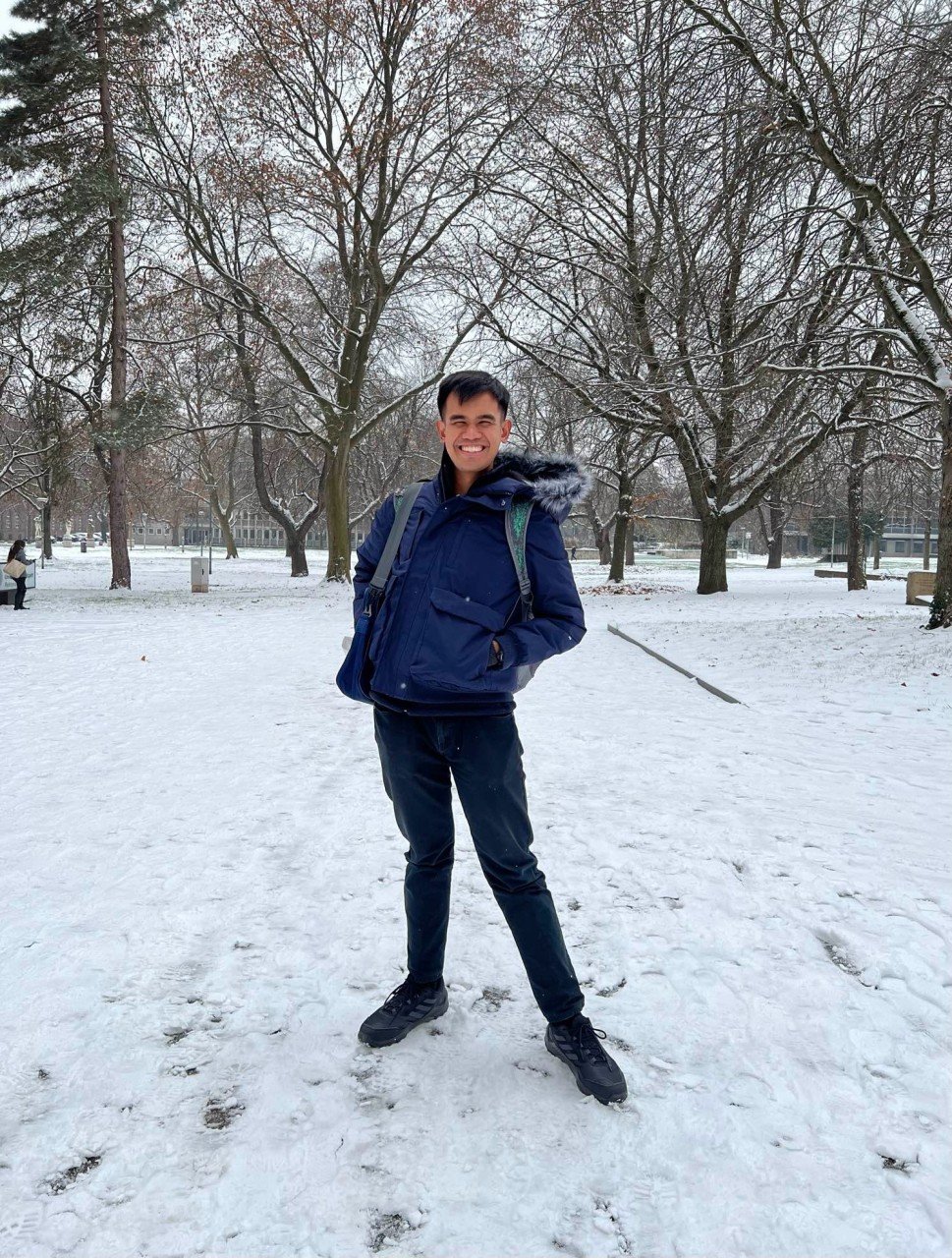
Hi! I’m Cedric Manzano, a civil engineer from the Philippines. I completed my master’s degree in Infrastructure Planning at the University of Stuttgart in Germany, supported by a scholarship from the German Academic Exchange Service DAAD. Before pursuing my graduate studies, I spent over four years working in engineering consultancy, where I worked on a range of infrastructure and urban development projects.
Growing up in the Philippines, I saw firsthand how gaps in infrastructure directly affect people’s lives. This motivated me to pursue further studies in infrastructure, with the goal of strengthening my expertise and contributing to infrastructure development both in my home country and beyond.
DAAD-EPOS Scholarship Details
I was awarded the DAAD-EPOS scholarship in 2022, which supports postgraduate students from developing countries who want to study development-related fields in Germany. As part of the scholarship, I received a monthly stipend of €934, along with health insurance coverage.
Were You Offered Any Other Scholarships?
Yes. I was also offered a scholarship under the United States’ Fulbright Foreign Student Program. In relation to this, I received an admission offer from New York University for the master’s program in Urban Infrastructure Systems. The admission offer came with an annual financial aid of $20,000 on top of my Fulbright stipend.
Educational Background
I earned my bachelor’s degree in civil engineering from the University of the Philippines, my country’s top engineering institution, graduating magna cum laude with a GPA of 3.577. Since infrastructure is at the heart of civil engineering, my degree equipped me with both the fundamental knowledge and mindset needed to pursue advanced studies in infrastructure planning.
How Did You Find Information About the DAAD-EPOS Scholarship and the University of Stuttgart?
I initially learned about scholarship opportunities through my own research, as I was really eager to pursue a master’s degree abroad. I actively looked into programs and institutions that aligned with my fields of interest. I also received valuable tips and insights from friends and former colleagues who had previously been awarded scholarships. Their experiences were very helpful for me to further understand the requirements, application process, and what to expect from different scholarships.
Did You Take Any Standardized Tests? If So, How Did You Prepare for Them?
For the DAAD scholarship, only an English proficiency test was required, and I took the TOEFL iBT, scoring 108.
To prepare, I familiarized myself with the test format and practiced using free sample tests available online.
How Did You Prepare to Apply for the DAAD-EPOS Scholarship?
Research and planning were key to my application preparations. I started by researching programs that aligned with my interests, along with potential scholarships that could support them. From there, I created a checklist of all the required documents, mapped out how to obtain each one, and estimated the time needed to complete them, which was, to be honest, particularly challenging given that I was applying during the pandemic.
I also sought guidance online on how to strengthen my CV and write compelling application essays. In addition, I reached out to acquaintances who had gone through similar application processes for additional advice. I really made it a point to invest time and effort into my CV, motivation letter, and research plan. I started working on these early to give myself enough time to revise them, refine my ideas along the way, and ensure they were well thought out. I also contacted my referees early to give them sufficient time to prepare recommendation letters.
How is Your Experience at the University of Stuttgart?
Studying at my university was a really great experience overall. The environment was welcoming, and since there were many international students, it was easy to feel comfortable and not out of place.
Additionally, as I was especially interested in disaster and resilience research, it meant a lot to be able to learn from some of the leading experts in Germany, who happened to be my teachers in regional planning. That experience really deepened my understanding and made me even more interested in the subject.
Living in Stuttgart was also a big plus. It’s a safe and beautiful city, and its location makes it easy to travel around southern Germany as well as nearby countries like France and Switzerland. Being able to explore those areas added a lot to my experience outside of academics.
Is the Institution That You Are Studying at Free for Infrastructure Planning? If You Had to Pay Semester Fees, How Much Was It?
Yes, the program itself was tuition-free. I only paid a semester fee of around €160, which covered administrative costs and student services. Out of that amount, about €70 was reimbursed by DAAD.
Are Your Classes Conducted in English or German?
The classes were conducted in English.
Would Potential Students Have Any Problems Not Knowing German?
Since the program is taught in English, not knowing German isn’t really a problem for coursework and lectures. However, students are still required to take basic German classes, and I’d strongly recommend putting effort into them. Even a basic level of German makes a big difference in day-to-day life, like handling errands or communicating outside the university. It also helps you connect more with the local culture.
What Do You Think Made Your Application Stand Out?
I think what made my application stand out was how I highlighted my experiences and strong professional and academic background. Having several years of work experience gave me a real-world understanding of the topics I wanted to study, which I believe strengthened my application. At the same time, graduating with honors demonstrated my ability to perform well academically. I also believe that proving my proficiency in English showed that I was well-prepared to handle the coursework and actively participate in the program.
Furthermore, in my scholarship essays, I made a conscious effort to clearly connect my interests, motivations, and experiences (both professional and personal) to the focus of the program. I discussed how growing up in a country where natural disasters and infrastructure gaps are a real challenge inspired me to pursue studies in infrastructure planning. Since the program at the University of Stuttgart emphasizes an interdisciplinary approach, I also highlighted my experience working on multifaceted engineering projects and collaborating with professionals from diverse backgrounds. I believe this helped demonstrate that I was a strong fit for the program.
Looking Back, Would You Have Done Anything Differently During Your Time in the Program?
I probably would have applied to earlier intakes of the programs and scholarships.
What Advice Would You Give Those Looking to Apply for a Similar Scholarship?
It may sound basic, but I would really emphasize the importance of thoroughly researching the school, the program, and the scholarship. Starting early is key, not just for research, but also for preparing all the required documents, as these usually take time. Always remember to put a lot of effort into the essays and your CV. Beyond showcasing your qualifications, they also reflect your ability to communicate and present your ideas clearly. Make sure to clearly show how your background, experiences, and future goals align with the program and the scholarship’s objectives. Highlight what you are genuinely passionate about and connect that to your experiences and achievements. Be honest, but don’t be afraid to confidently present your key strengths and interests.
Finally, I would encourage applicants to explore multiple scholarships and apply widely. After all, you miss all the shots you don’t take.
Want to submit your
scholarship journey?
Submit Your Story Here!
More Scholarship Recipients
My name is Anna Nana Agyeiwaa Mensah, a professional nurse from Ghana. My interest in Global Health grew out of my experienc .... Read more
My name is Ratul Chakraborty, and I am from Bangladesh. My background is interdisciplinary, actually. Before coming to Germa .... Read more
My name is Mabel Zuñiga. I am a graduate student from Panama pursuing a Master’s degree in Public Policy at the Universit .... Read more
Leave A Comment