
How I Secured a Fully Funded DPhil at the University of Oxford, United Kingdom Through the Clarendon Fund Scholarship
University: University of Oxford
Degree: Doctor of Philosophy (DPhil) in Evidence-Based Social Intervention and Policy Evaluation
Previous Education: Undergraduate Degree in Psychology with a Minor in Anthropology, Universidad de los Andes; Master of Education, Harvard University; Master of Philosophy (MPhil) in Evidence-Based Social Intervention and Policy Evaluation, University of Oxford
Scholarship: Clarendon Fund Scholarship – Full Funding (Course Fees and Annual Living Expenses Grant)
Social Media
LinkedIn: linkedin.com/in/anarestreposaenz/
The Journey
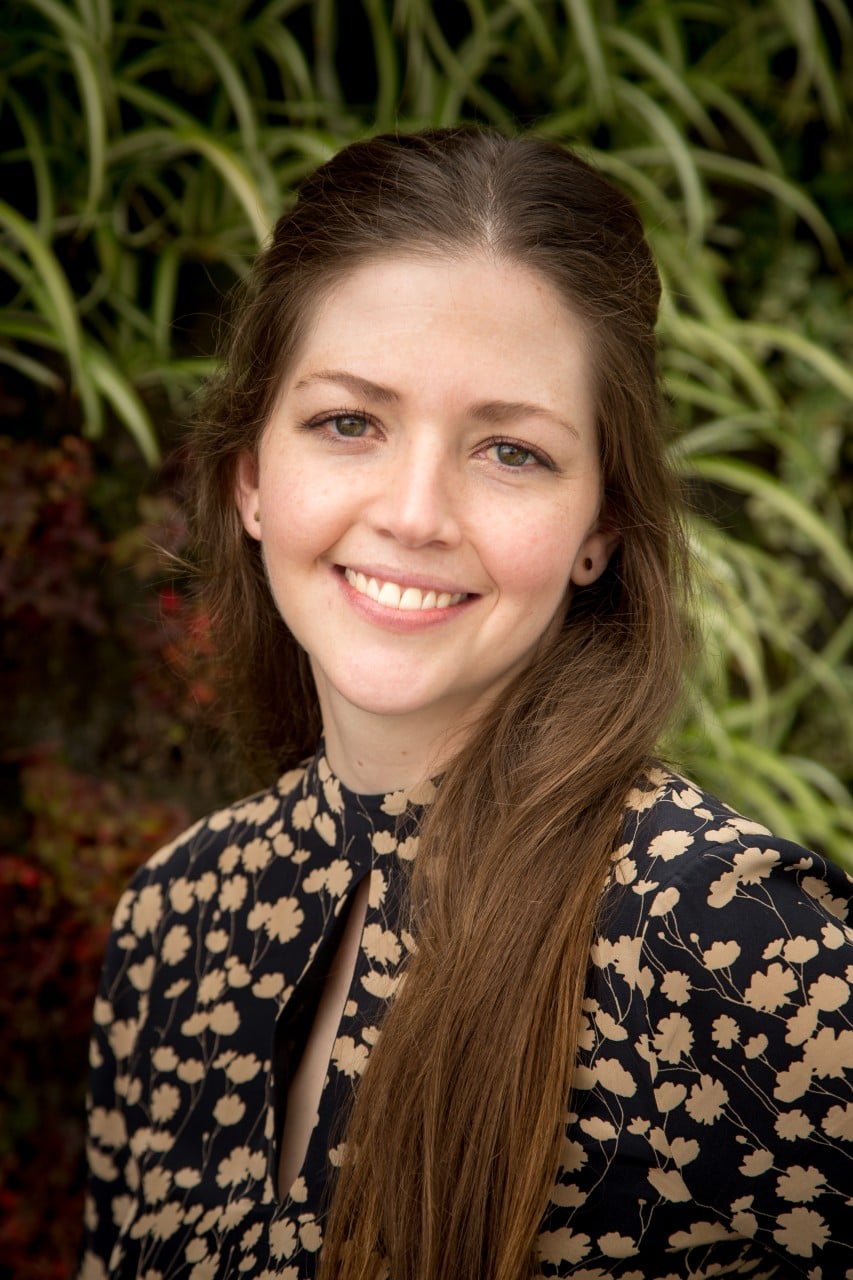
My name is Ana María Restrepo-Sáenz, and I am from Bogotá, Colombia. I have more than 12 years of professional experience in education, early childhood development, social policy, and research, with a particular interest in how evidence can be used to improve programmes and public policy for children and families.
I recently completed the MPhil in Evidence-Based Social Intervention and Policy Evaluation at the University of Oxford, and I will begin a DPhil in the same department in October 2026. My research focuses on parenting support for caregivers of young children, beginning in pregnancy, who are affected by forced migration and displacement. I am particularly interested in Latin America, where families may be displaced or migrate because of armed conflict, violence, political and economic instability, and climate-related emergencies.
Through my previous work in Colombia, as well as my experience completing a Master of Education at Harvard University, I became increasingly aware that many valuable initiatives were being implemented in humanitarian settings, but their approaches and results were often difficult to document, measure, or share. In a field where resources are very limited, it is especially important to understand what works, under what circumstances, and what can be learned from the experiences of others. I therefore decided to continue my education to strengthen my research skills and deepen my understanding of how social interventions are designed, implemented, and evaluated in complex humanitarian and policy contexts.
Graduate study has allowed me to bring together my professional experience and academic interests while developing the skills needed to contribute more carefully and meaningfully to research, policy, and practice in the region.
Clarendon Fund Scholarship Details
I received a Clarendon Fund Scholarship from the University of Oxford to support my graduate studies. It is a fully funded scholarship that covers the full cost of my course fees and provides an annual grant for living expenses.
The scholarship funded both years of my MPhil in Evidence-Based Social Intervention and Policy Evaluation. Through a separate application process, I was awarded the same scholarship under the same funding conditions for my DPhil, which I will begin at Oxford in October 2026.
Educational Background
I completed my undergraduate degree in Psychology at Universidad de los Andes in Colombia, where I also pursued a minor in Anthropology. This degree gave me a broad foundation in child development and helped me understand it within wider social and cultural contexts.
I later completed a Master of Education at Harvard University. During this programme, I strengthened my understanding of early childhood development, adverse childhood experiences, education policy, and the use of research to address practical challenges affecting children and families.
More recently, I completed the MPhil in Evidence-Based Social Intervention and Policy Evaluation at the University of Oxford, graduating with an overall distinction and receiving a distinction for my thesis. The programme provided rigorous training in research methods, programme evaluation, systematic reviews, and quantitative and qualitative methods.
Together, these degrees allowed me to approach child development from psychological, educational, social, and policy perspectives, while gradually developing the methodological skills needed to study interventions for children and families in complex settings.
How Did You Prepare to Apply to the University of Oxford?
How Did You Find Information About Clarendon Fund Scholarship and University of Oxford?
I found most of the information about the programme through the University of Oxford website and the department’s own website, which provided more detailed information about the course, faculty, research areas, and application requirements. I also spoke with people who were familiar with the professors I was interested in working with, as well as former students, which helped me better understand the academic environment and whether the programme was a good fit for my interests.
The scholarship process was slightly different because Clarendon is not a scholarship that applicants apply for separately. By submitting a complete application to the programme by the relevant funding deadline, I was automatically considered for Clarendon and other university-wide scholarships.
Did You Take Any Standardized Tests? If So, How Did You Prepare for Them?
I took the TOEFL as part of the application process. To prepare, I completed practice tests available online and timed myself carefully so that I became familiar with the structure and pace of each section. This helped me identify the areas where I needed more practice and become more comfortable completing the test within the time limits.
How Did You Prepare to Apply for the Clarendon Fund Scholarship?
There was no separate application for the Clarendon Fund Scholarship. Applicants are automatically considered for Clarendon and other university-wide scholarships when they submit a complete application to an eligible Oxford graduate programme by the relevant funding deadline. The deadline varied between the programmes I applied to, so I made sure to check the specific date for each one and submit all the required materials on time.
My preparation therefore focused on making the strongest possible application to the academic programme itself. This included developing a clear statement of purpose and, for the DPhil, a focused and feasible research proposal, as well as preparing my academic transcripts, CV, written work, and references. In developing the DPhil proposal, I tried to ensure that the research question was relevant and original, but also realistic in terms of its scope, methodology, access to participants or data, and the time available to complete the degree. I think it is important to show not only that the proposed research matters, but also that it can realistically be carried out.
I also spent time ensuring that my proposed research was closely connected to my previous academic and professional experience and that I could explain clearly why Oxford was the appropriate place to pursue it.
I followed this process separately for the MPhil and the DPhil. Although I received the same Clarendon scholarship for both degrees, they were awarded through two independent programme application and scholarship consideration processes.
What Do You Think Made Your Application Stand Out?
I think the relevance and urgency of the topic played an important role in making my applications stand out. Both my MPhil and DPhil focus on how to support caregivers and young children affected by forced migration and displacement, an issue that is becoming increasingly pressing because of armed conflict, political and economic instability, and climate-related emergencies. My more than 12 years of experience in education, early childhood development, social policy, and research, particularly in Colombia, helped show that this was not only a relevant topic, but also one that had emerged directly from my professional experience. For the DPhil, I also presented a proposal that was original, focused, and feasible within the time available.
What Advice Would You Give Those Looking to Apply for a Similar Scholarship?
My main advice would be to focus on preparing the strongest possible application to the academic programme, since applicants are considered automatically for Clarendon and other university-wide scholarships when they apply by the relevant funding deadline. Your academic and professional experience, research interests, and reasons for choosing the programme should form a clear and coherent story.
For doctoral applications, I would also recommend developing a proposal that is relevant and original, but focused and realistically achievable. Where possible, having worked with a potential supervisor before applying can be extremely valuable. It allows you to understand not only whether your research interests align, but also whether your ways of working are compatible, including communication, feedback, expectations, and levels of independence.
It is also useful to seek feedback from people familiar with the field, the department, or the potential supervisors. Finally, review the programme content carefully and identify any areas, such as quantitative or qualitative methods, where additional preparation could help you make better use of the degree.
Want to submit your
scholarship journey?
Submit Your Story Here!
More Scholarship Recipients
My name is Shah Hussain, and I am from Khyber Pakhtunkhwa, Pakistan. I completed my Bachelor’s in Psychology at the Univer .... Read more
I am June from the Philippines. I am an educator for Social Sciences and Humanities. I recently earned my Master in Southeas .... Read more
Hi, my name is Abdul Hafeez, and I come from a small town called Nasirabad in Sindh, Pakistan. Currently, I am pursuing a ma .... Read more
Leave A Comment