
How I Secured a Fully Funded Master’s at the University of Georgia, United States Through the Fulbright Foreign Student Program
University: University of Georgia
Degree: Master of Public Administration; Graduate Certificate in Disaster Management
Previous Education: Bachelor’s in Business Administration, Alexandria University
Scholarship: Fulbright Foreign Student Program – Full Funding (Tuition, Living Expenses, Health Insurance, International Travel, Books, Other Academic and Program-Related Costs)
Other Offered Scholarships: Fully Funded Local Development and Governance Program – University of Trento; Professional Fellows Program – U.S. Department of State (Fully Funded); United Nations Alliance of Civilizations Fellowship (Fully Funded); Harvard Humanitarian Initiative Fellowship in Humanitarian and Adaptive Leadership (Fully Funded)
Social Media
LinkedIn: linkedin.com/in/aokasha/
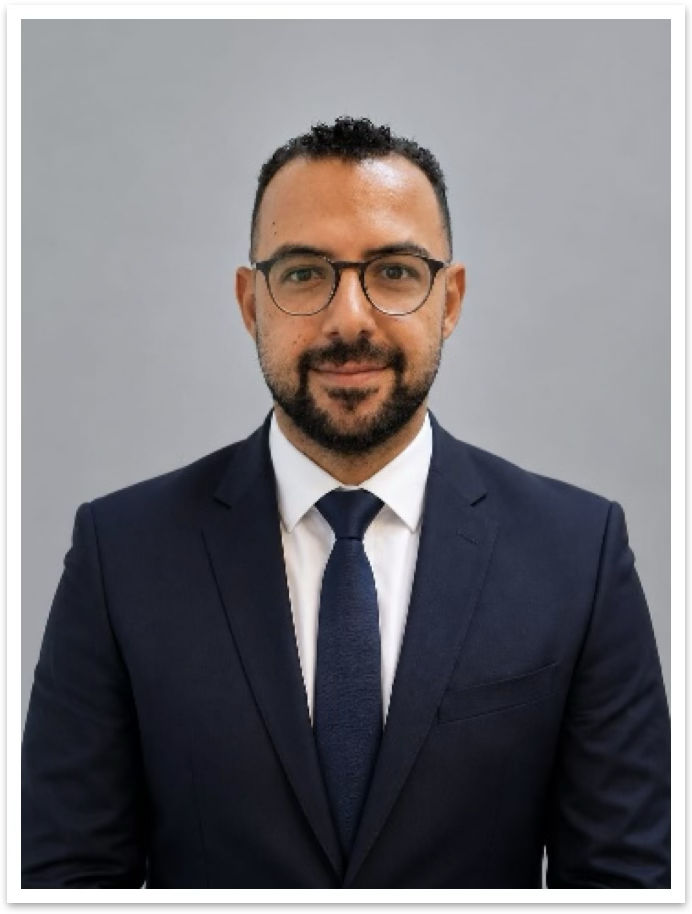
The Journey
My name is Ahmed Okasha, and I am from Alexandria, Egypt. I am a humanitarian and public policy professional with more than a decade of experience working with international organizations, including the International Committee of the Red Cross, UNHCR, and Plan International.
Throughout my career, I have worked on humanitarian protection, forced displacement, missing persons, community engagement, humanitarian diplomacy, and institutional strengthening. I have since worked across Egypt, Jordan, Iraq, Syria, and the United States, supporting communities affected by conflict and displacement while engaging with public institutions, civil society organizations, and international actors.
In 2016, I received the Fulbright Foreign Student Scholarship to pursue a Master of Public Administration at the University of Georgia in the United States.
I decided to study public administration because I wanted to better understand how governments, public institutions, and international organizations make decisions, design policies, manage resources, and deliver services. My goal was to connect practical field experience with stronger analytical, managerial, and policy skills.
For me, Fulbright was not simply funding for a graduate degree. It was an investment in my leadership potential and in a longer journey of public service that had already started before I applied.
Fulbright Foreign Student Program Details
- Scholarship: Fulbright Foreign Student Program
- Institution: University of Georgia
- Country: United States
- Degree: Master of Public Administration
- Additional qualification: Graduate Certificate in Disaster Management
- Study period: 2016–2018
- Scholarship value: More than USD 100,000
The scholarship was fully funded and covered tuition, living expenses, health insurance, international travel, books, and other academic and program-related costs.
Were You Offered Any Other Scholarships or Fellowships?
Before receiving the Fulbright Scholarship, I had already participated in several competitive, fully funded international fellowships and professional development programs.
These included:
- A fully funded program in Local Development and Governance at the University of Trento in Italy.
- The fully funded Professional Fellows Program sponsored by the U.S. Department of State.
- The fully funded United Nations Alliance of Civilizations Fellowship.
These opportunities were not full-degree scholarships, but they played an important role in preparing me for Fulbright. They demonstrated consistent commitment to public service, governance, community development, leadership, and international cooperation.
They also showed that my interest in these fields was not created specifically for the Fulbright application. It was already reflected in the professional and educational choices I had made over several years.
Following my Fulbright-funded degree, I was also selected for a fully funded fellowship with the Harvard Humanitarian Initiative. The fellowship focused on humanitarian leadership and adaptive leadership, particularly how leaders respond to uncertainty, mobilize people, and work effectively in complex humanitarian environments.
Educational Background
Before Fulbright, I completed a bachelor’s degree in business administration at Alexandria University in Egypt.
My undergraduate GPA was approximately 2.9. This was close to the minimum GPA required to apply to many graduate programs in the United States.
I share this openly because many prospective applicants believe that prestigious scholarships are available only to candidates with nearly perfect academic records. My experience suggests otherwise.
Academic performance is important, but it is not the only factor considered. Scholarship programs such as Fulbright also assess professional experience, leadership potential, community engagement, personal character, cross-cultural capacity, future goals, and the applicant’s potential to create meaningful impact.
My business administration degree gave me a foundation in management, economics, finance, organizations, and decision-making. My professional and fellowship experiences then helped me understand how these subjects connect to governance, development, public institutions, and community needs.
At the University of Georgia, I completed a Master of Public Administration with a GPA of approximately 3.6, in addition to a Graduate Certificate in Disaster Management.
The improvement from my undergraduate GPA to my graduate performance also reflected my academic and professional development. By the time I began the MPA, I had a clearer sense of purpose, stronger professional experience, and a much deeper understanding of why I was pursuing graduate education.
How Did You Prepare to Apply to the University of Georgia?
I approached the university application process by looking for programs that aligned with my long-term professional goals.
I was not interested only in university rankings. I wanted a program that could combine academic rigor with practical knowledge and prepare me to work across public institutions, international organizations, and humanitarian settings.
The University of Georgia’s Master of Public Administration program stood out because it combined research and academic learning with practical and professional perspectives.
The program included professors with diverse backgrounds and experiences. Some brought strong academic and research expertise, while others contributed significant practical experience in public administration, policy, government, and institutional management.
The student cohort was also an important part of the learning experience. Many of my classmates were professionals with several years of experience in government, nonprofit organizations, public institutions, and international settings.
This created a learning environment in which knowledge did not come only from textbooks or lectures. It also came from case discussions, group projects, professional experiences, and interaction with mid-career colleagues from diverse backgrounds.
How Did You Find Information About Fulbright Foreign Student Program and University of Georgia?
I used several sources to research scholarship opportunities and graduate programs.
These included Fulbright information sessions, official university websites, scholarship websites, alumni networks, previous fellowship participants, and conversations with people who had studied in the United States.
I also reviewed program curricula carefully to understand whether the courses matched my interests and career goals.
Speaking with alumni and previous scholarship recipients was especially useful. They helped me understand the application process from a practical perspective, including how to prepare essays, select programs, organize documents, and prepare for interviews.
One of the most important lessons was that applicants should not focus only on whether a university is highly ranked. They should also consider whether the program structure, faculty expertise, practical opportunities, and learning environment match their professional objectives.
Did You Take Any Standardized Tests? If So, How Did You Prepare for Them?
As part of the application process, I completed the required English-language and graduate admissions examinations.
My preparation was based on consistency and structured practice. I used official preparation materials, practiced different question types, completed mock tests, and created a regular study schedule.
I did not view standardized tests as the main strength of my application. Instead, I treated them as one required component of a broader profile.
My goal was to achieve the scores needed to remain competitive while ensuring that my essays, professional experience, leadership record, and future goals communicated the strongest parts of my candidacy.
How Did You Prepare to Apply for the Fulbright Foreign Student Program?
Preparing the Fulbright application required significant reflection.
I had to explain not only why I wanted to study in the United States, but also how the degree connected to my previous experiences and how I intended to use the opportunity after graduation.
I spent substantial time developing my personal statement and study objectives. I revised them repeatedly and sought feedback from mentors, colleagues, and people familiar with international scholarship applications.
The most important part of the process was creating one coherent narrative.
My professional experience, earlier fellowships, interest in governance, community work, educational goals, and future plans all needed to support the same message.
That message was that I was committed to public service and wanted to develop the knowledge and leadership skills required to strengthen institutions and improve their ability to serve communities.
I did not try to hide the fact that my undergraduate GPA was not exceptional. Instead, I focused on the complete picture of my development, achievements, experience, and potential.
How is Your Experience at the University of Georgia?
My experience at the University of Georgia was academically and professionally transformative.
One of the strongest features of the Master of Public Administration program was its ability to combine academic research with practical knowledge.
The program developed my skills in policy analysis, public management, economics, budgeting, organizational leadership, program implementation, and evidence-based decision-making.
At the same time, the curriculum was connected to real institutional and policy challenges. We examined practical cases, debated public-sector problems, worked collaboratively, and applied academic concepts to complex situations.
The diversity of the professors added significant value. Faculty members brought different combinations of research expertise, academic knowledge, government experience, and professional practice.
The cohort experience was equally important. Learning alongside professionals from different sectors and countries meant that each class included multiple perspectives.
My colleagues brought experience from government agencies, nonprofit organizations, public institutions, international organizations, and local communities. This made peer learning an essential part of the program.
The combination of strong academic content, practical application, experienced professors, and a professionally diverse student cohort made the program especially valuable.
How Do You Rate the University of Georgia Academically?
I rate the University of Georgia very highly academically.
The MPA program provided rigorous academic training while remaining closely connected to real public-sector challenges.
It strengthened my ability to analyze complex problems, evaluate evidence, manage programs, understand institutions, and consider how public decisions affect communities.
The program was particularly effective because it did not treat public administration as a purely theoretical field. It emphasized implementation, management, leadership, and decision-making in real institutional environments.
The faculty were knowledgeable and accessible, and the diversity of the student cohort strengthened the quality of discussions and collaborative learning.
How Does the University of Georgia Support International Students?
The University of Georgia provided international students with support through orientation, academic advising, administrative guidance, student services, and access to campus resources.
International students could also benefit from writing support, career services, student associations, and opportunities to engage with the wider university community.
The Fulbright network provided an additional layer of support. It connected scholars from different countries and created opportunities for cultural exchange, professional networking, and mutual learning.
This support was important not only academically but also personally. Moving to a new country requires adjustment, and having access to institutional guidance and a community of international students made that transition easier.
Are Your Classes Conducted in English or the Country's Native Language?
Yes. All classes in the Master of Public Administration program were conducted in English.
What Did You Pursue After the Fulbright Foreign Student Program?
After completing my Master of Public Administration and Graduate Certificate in Disaster Management, I continued building a career in humanitarian action, protection, public policy, and institutional engagement.
I worked with Plan International, UNHCR, and the International Committee of the Red Cross.
My responsibilities have included refugee and displacement protection, community-based protection, detention-related advocacy, humanitarian analysis, missing persons, family support, humanitarian diplomacy, stakeholder engagement, and institutional strengthening.
I have since worked across Egypt, Jordan, Iraq, Syria, and the United States, supporting humanitarian operations, communities affected by crisis, and public institutions.
These roles have required engagement with governments, local authorities, civil society organizations, community representatives, humanitarian agencies, and international institutions.
The Fulbright experience strengthened the analytical, managerial, and leadership foundation I needed to take on increasingly complex responsibilities.
It also helped me connect field experience with public policy, institutional analysis, program management, and evidence-based decision-making.
Following Fulbright, I continued my professional development through a fully funded fellowship with the Harvard Humanitarian Initiative focused on humanitarian leadership and adaptive leadership.
The fellowship helped me deepen my understanding of how leaders can operate in uncertainty, respond to complex systems, mobilize stakeholders, and adapt their strategies in rapidly changing humanitarian environments.
Looking back, Fulbright did not begin my commitment to public service. That commitment was already demonstrated through my earlier work and fellowships.
However, Fulbright expanded my capacity, strengthened my knowledge, and gave me access to a network and educational experience that allowed me to increase my impact.
The fact that I later worked across multiple countries and contributed to both humanitarian operations and public institutions demonstrates the multiplier effect of the scholarship.
Fulbright invested in one person’s education, but the value of that investment has extended to the institutions, teams, communities, and individuals I have supported throughout my career.
What Do You Think Made Your Application Stand Out?
I believe my application stood out because it demonstrated commitment, consistency, and potential rather than academic perfection.
My undergraduate GPA was approximately 2.9, so I was not presenting myself as the strongest candidate based only on academic transcripts.
However, before applying for Fulbright, I had already participated in fully funded international programs through the University of Trento, the U.S. Department of State’s Professional Fellows Program, and the United Nations Alliance of Civilizations.
These experiences demonstrated that I had a sustained interest in governance, local development, leadership, intercultural dialogue, community engagement, and public service.
They showed that I was actively pursuing opportunities to learn, contribute, and build the skills needed to create public impact.
My professional and community experiences also provided evidence that I was committed to applying what I learned.
My application therefore told a coherent story. I had developed a clear interest in public service, gained practical experience, participated in relevant international fellowships, and identified a graduate program that could help me move to the next stage of my development.
I believe Fulbright saw the whole profile rather than only the transcript.
The program invested in my potential, leadership trajectory, professional commitment, and ability to act as a bridge between communities and cultures.
My experience illustrates that Fulbright invests in people, not only in grades.
A transcript is one source of information about an applicant, but it does not fully capture resilience, leadership, growth, professional credibility, community engagement, or future potential.
What Would You Have Done Differently if You Were Going Through the Process Again?
I would have started preparing even earlier.
A strong application takes time. Applicants need time to research programs, prepare for standardized tests, request recommendations, review their professional experiences, and revise their essays.
I would also have spoken with more alumni from different academic disciplines and professional backgrounds.
Their experiences could have helped me compare programs, understand the challenges of graduate education in the United States, and prepare more strategically.
I would also have documented my professional achievements and community activities more systematically.
When applicants begin writing their application, it can be difficult to remember specific examples, outcomes, responsibilities, and lessons from several years of experience.
Maintaining a record of these experiences makes it easier to provide concrete evidence of leadership and impact.
What Advice Would You Give Those Looking to Apply for a Similar Scholarship?
My first advice is not to reject yourself before the selection committee has the opportunity to assess you.
Many capable candidates decide not to apply because their GPA is not perfect, their work experience seems unconventional, or they assume other applicants will be more competitive.
A scholarship application should be realistic and well prepared, but applicants should not reduce their potential to a single academic number.
Grades matter, but so do leadership, character, service, professional experience, resilience, cultural awareness, and the clarity of your future goals.
My second piece of advice is to build meaningful experiences before trying to build an impressive résumé.
Volunteer, take responsibility, lead initiatives, support your community, solve real problems, and seek opportunities that genuinely connect to your interests.
Selection committees can usually distinguish between a profile built around a real commitment and one assembled only to win a scholarship.
My third piece of advice is to create a coherent story.
Your academic plans should connect to your previous experiences and future goals. The selection committee should understand why you chose the field, why you need the degree, why the institution is suitable, and what you intend to do afterward.
My fourth piece of advice is to seek feedback without losing your authentic voice.
Mentors and former scholars can help improve the structure and clarity of your essays, but the final application should still sound like you.
Do not write what you believe the committee wants to hear. Explain honestly what motivates you, what you have learned, and what you hope to contribute.
Finally, remember that scholarships such as Fulbright are not only academic awards.
They are investments in people who can build relationships across cultures, contribute to their communities, strengthen institutions, and create impact beyond the classroom.
My journey from a business administration graduate with an undergraduate GPA of approximately 2.9 to a Fulbright Scholar, University of Georgia graduate, Harvard humanitarian fellow, and humanitarian professional working across several countries demonstrates that potential cannot be measured by a transcript alone.
Fulbright gave me the opportunity to transform earlier commitment into greater capacity and wider impact. That is why I believe applicants should present not only what they have achieved, but also the person they are becoming and the contribution they are prepared to make.
Want to submit your
scholarship journey?
Submit Your Story Here!
More Scholarship Recipients
My name is Shah Hussain, and I am from Khyber Pakhtunkhwa, Pakistan. I completed my Bachelor’s in Psychology at the Univer .... Read more
I am June from the Philippines. I am an educator for Social Sciences and Humanities. I recently earned my Master in Southeas .... Read more
Hi, my name is Abdul Hafeez, and I come from a small town called Nasirabad in Sindh, Pakistan. Currently, I am pursuing a ma .... Read more
Leave A Comment