
How ADA Ouèssè Amédé, a Burkinabè Scholar, Secured a Master’s in Energy and Embedded Systems at the University of Lorraine, France Through the Eiffel Excellence Scholarship
University: University of Lorraine
Degree: Double-Degree Program in Energy and Embedded Systems (Electromechanical Conversion and Systems Control)
Previous Education: Mathematics, Physics and Computer Science, Faculté des Sciences et Techniques de Mohammedia; Engineering Studies in Embedded Systems, École Nationale Supérieure d’Électricité et de Mécanique de Casablanca
Scholarship: Eiffel Excellence Scholarship – Funding Support (€1,181 Monthly Stipend, International Travel, Health Insurance, Cultural Activities, Housing Assistance)
Social Media
LinkedIn:
The Journey
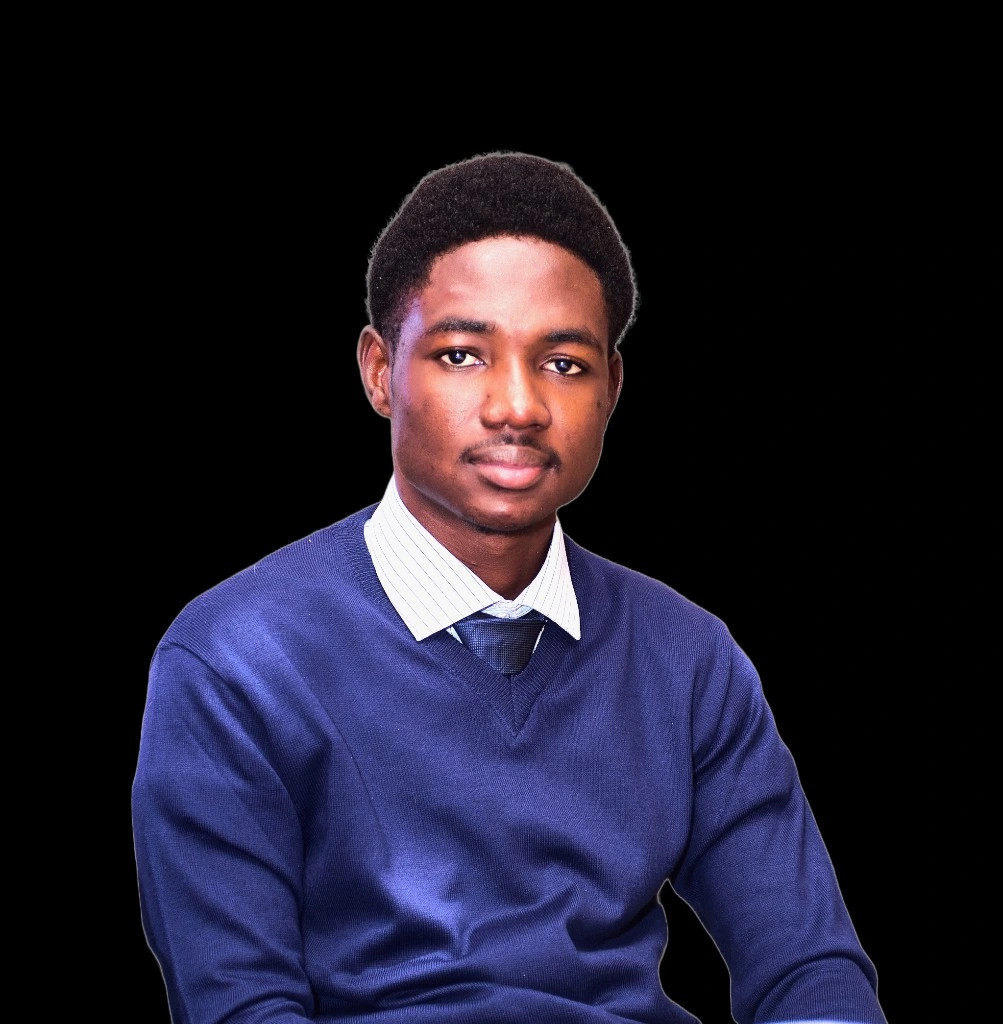
My name is ADA Ouèssè Amédé, and I am from Burkina Faso. I am currently completing a double-degree program in energy and embedded systems, specializing in electromechanical conversion and systems control. I was awarded the Eiffel Excellence Scholarship to pursue engineering studies at the University of Lorraine in France, through a partnership with my former school, the University Hassan II of Casablanca in Morocco. I chose to continue in this field because energy challenges sit at the heart of society's concerns and underpin nearly every major technological breakthrough.
Eiffel Excellence Scholarship Details
I received the Eiffel Excellence Scholarship, a program run by Campus France that funds study at a French institution for periods ranging from 12 to 36 months. In my case, it was a 24-month scholarship, matching the length of the program I was pursuing. It covers a monthly stipend of around €1,181 at the Master's level, along with international travel, health insurance, cultural activities, and housing assistance, among other benefits.
Educational Background
I earned my baccalaureate in mathematics and physical sciences with High Honours from Lycée Scientifique National de Ouagadougou in Burkina Faso, which opened the door to a scholarship for studying abroad. Wanting to discover new cultures, I embraced that opportunity, even though it meant leaving behind many of the opportunities offered by Burkina Faso's excellent universities. I continued my studies in Morocco, spending two years at Faculté des Sciences et Techniques de Mohammedia studying mathematics, physics, and computer science, before joining the engineering program at École Nationale Supérieure d'Electricité et de Mécanique de Casablanca, where I completed two more years focused on embedded systems. My class ranking then earned me the opportunity to continue my studies in France, where I focused mainly on electrical machines and their electronics.
How Did You Prepare to Apply to the University of Lorraine?
I first learned about the Eiffel Excellence Scholarship through social media and friends. I researched French institutions by comparing their programs and their partnerships with my school in Morocco, which narrowed my choice down to École Nationale Supérieure d'Electricité et de Mécanique de Nancy. Unlike other schools, it allowed me to tailor my education further, even within a given specialization, by choosing the modules that best matched my goals.
How Did You Prepare to Apply for the Eiffel Excellence Scholarship?
Since the Eiffel application requires a nomination from the host institution, I first secured my admission. I then worked closely with the institution's international office to prepare the application itself, which included a motivation letter, CV, and recommendation letters, among other documents. I started well ahead of the deadline, which gave me time to revise my statement several times and gather feedback from professors and friends.
How Does the University of Lorraine Support International Students?
The institution supports international students in several ways: it runs orientation programs to help them choose the modules that best suit their goals, provides housing assistance, and offers a mentorship program ("parrainage") that pairs new students with current ones for guidance.
Are Your Classes Conducted in English or French?
Most classes are taught in French, though students have the option to choose some English-taught modules.
What Did You Pursue After the Eiffel Excellence Scholarship?
I'm about to graduate — I've just started my final year.
Would Potential Students Have Any Problems Not Knowing French?
Not really. Students can take French classes once they arrive, and their French level is assessed beforehand, so those who are accepted are usually already proficient enough to follow classes and hold conversations. That said, choosing to study in a country whose official language isn't your own naturally requires real commitment if you want to make the most of the experience.
What Do You Think Made Your Application Stand Out?
Honestly, it's hard to say. What I can point to is that I made sure every part of my application told a consistent story about why this specific program and country made sense for me.
What Would You Have Done Differently if You Were Going Through the Process Again?
I loved how the whole process unfolded — if anything, I'd just tell myself to stress less.
What Advice Would You Give Those Looking to Apply for a Similar Scholarship?
Start early, and get your motivation letter reviewed by several people — it's the piece that ties your whole application together. Reach out to current or former Eiffel scholars; most are happy to share tips. And be specific: tie your application to the particular institution and program, not just to studying in France in general.
Want to submit your
scholarship journey?
Submit Your Story Here!
More Scholarship Recipients
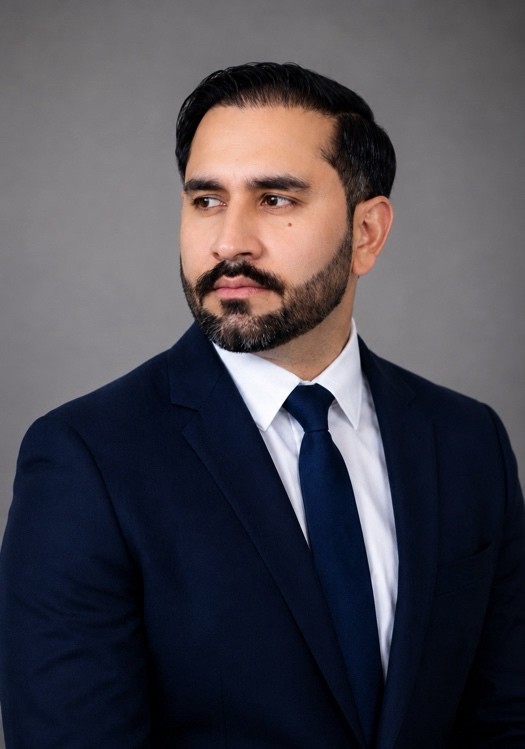
My name is Shah Hussain, and I am from Khyber Pakhtunkhwa, Pakistan. I completed my Bachelor’s in Psychology at the Univer .... Read more
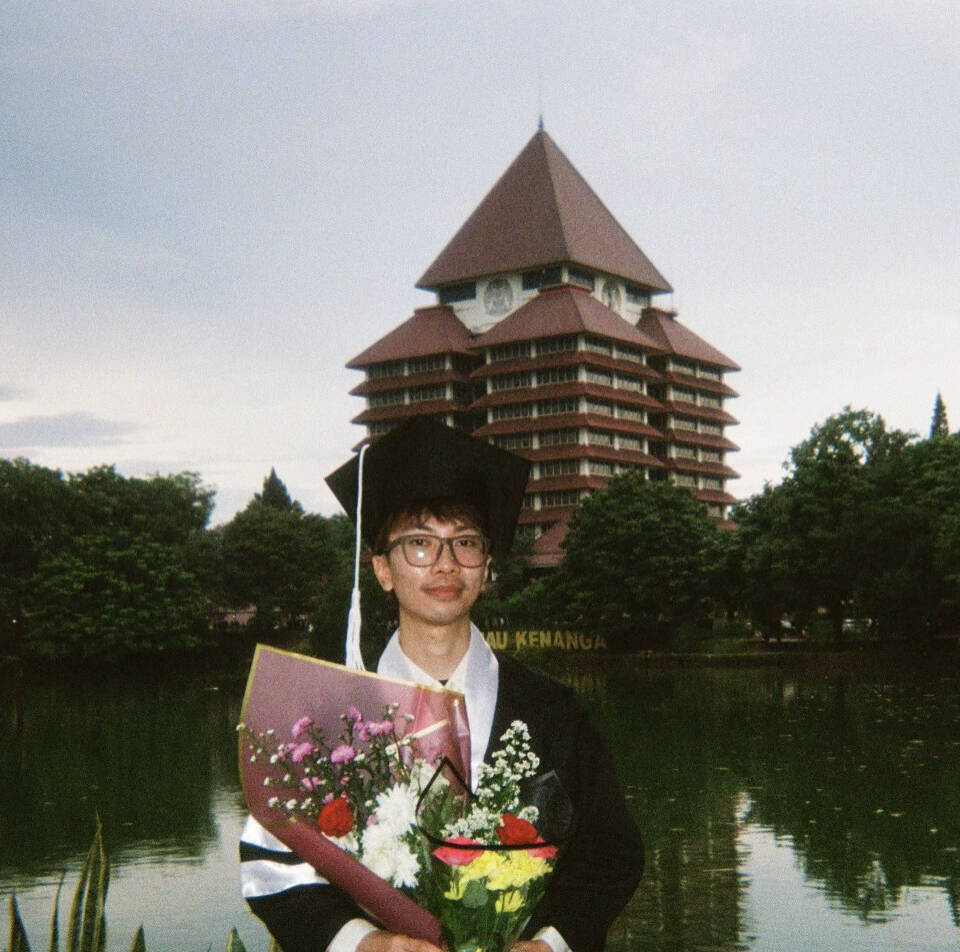
I am June from the Philippines. I am an educator for Social Sciences and Humanities. I recently earned my Master in Southeas .... Read more
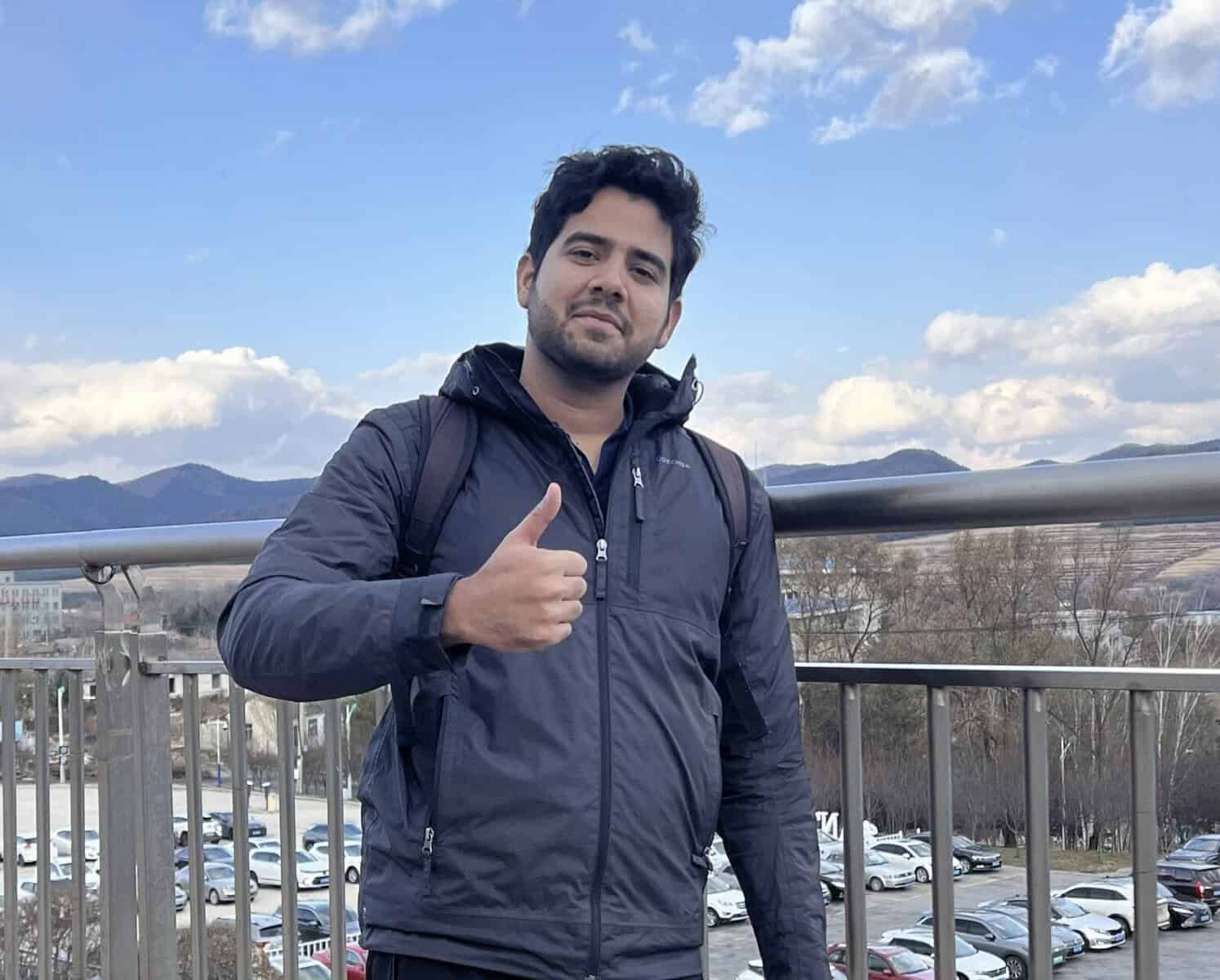
Hi, my name is Abdul Hafeez, and I come from a small town called Nasirabad in Sindh, Pakistan. Currently, I am pursuing a ma .... Read more
Leave A Comment