
How Abdul Qader Khan Ghori, a Pakistani Scholar, Secured Fully Funded Doctoral Research at Kyoto University Through the MEXT Scholarship
University: Kyoto University, Japan
Program: Doctoral research student
Previous Education: Bachelor’s in Civil Engineering, UET Peshawar; Master’s in Geotechnical Engineering, NUST Islamabad (CGPA: 4.00; President’s Gold Medal)
Scholarship: MEXT Scholarship – Fully Funded (Admission and Tuition Fees; Approximately ¥145,000 Monthly Stipend)
LinkedIn: Abdul Qader Khan Ghori
The Journey
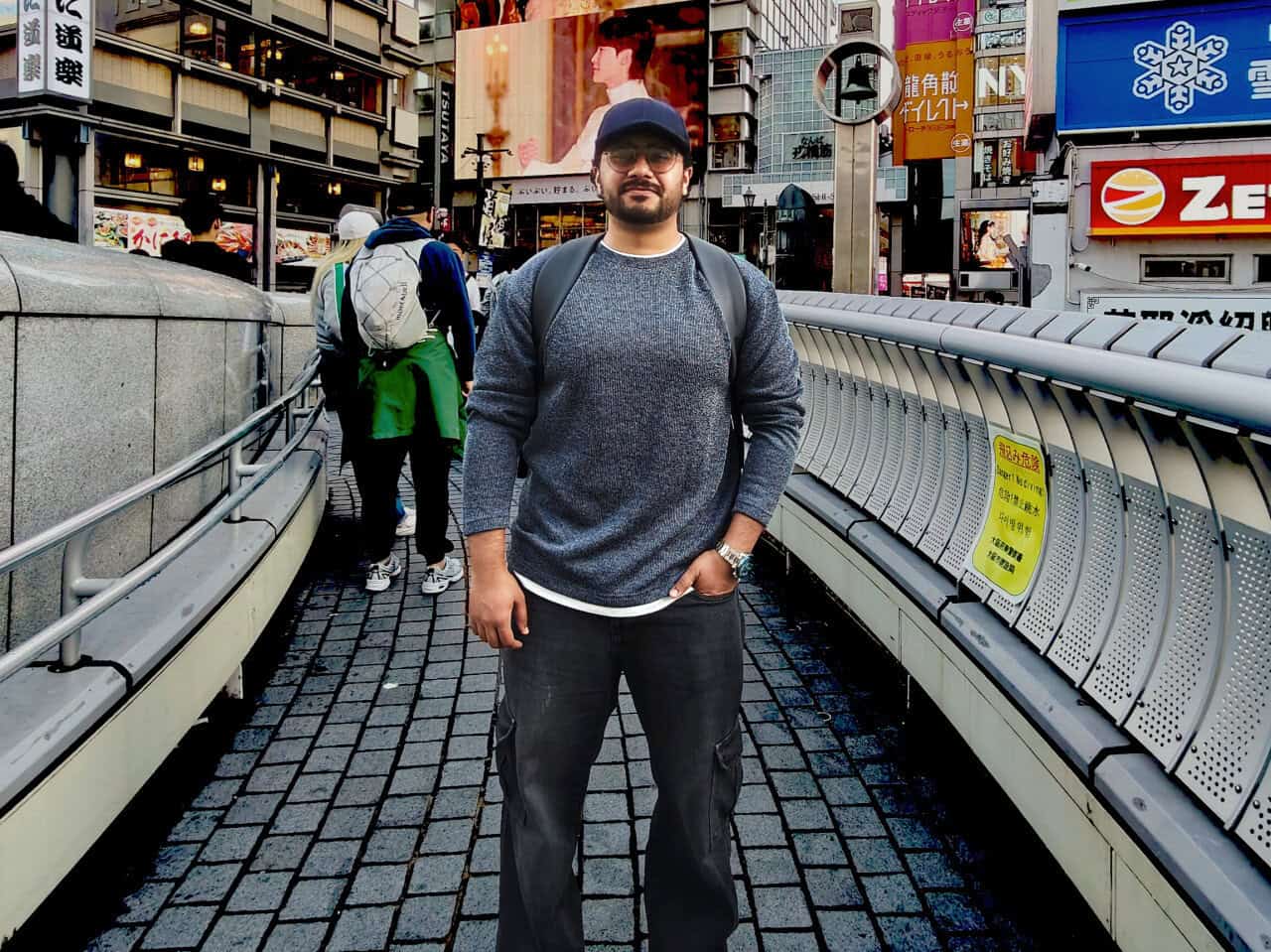
My name is Abdul Qader Khan Ghori, and I am originally from Pakistan. I completed my bachelor's degree in Civil Engineering from the University of Engineering and Technology (UET), Peshawar, followed by a master's degree in Geotechnical Engineering from the National University of Sciences and Technology (NUST), Islamabad. I also have over seven years of professional experience in the civil engineering and construction industry, a significant part of which was spent working on a major hydropower project.
My decision to pursue higher studies in Japan was primarily driven by the country's exceptional expertise in geotechnical and earthquake engineering. This closely aligned with my long-term academic interests and my intention to further expand the research I had undertaken during my master's studies.
Apart from its academic and technological strengths, Japan's cultural values, particularly its emphasis on harmony, respect, peace, and humanity, also attracted me. I felt that Japan would provide an ideal environment for both my academic and personal development.
MEXT Scholarship Details
I received the MEXT (Monbukagakusho) Scholarship, a fully funded scholarship offered by the Japanese Government to international students. It covers university admission and tuition fees and provides a monthly stipend of approximately ¥145,000 to support living expenses.
There are two main application routes for the MEXT Scholarship: Embassy Recommendation and University Recommendation. I received the scholarship through the Embassy Recommendation route.
I am currently enrolled as a doctoral research student at Kyoto University.
Educational Background
I completed my bachelor's degree in Civil Engineering from UET Peshawar, followed by a master's degree in Geotechnical Engineering from NUST Islamabad.
During my master's studies, I achieved a CGPA of 4.00 and was awarded the President's Gold Medal for academic excellence. I believe this academic achievement played an important role in strengthening my scholarship application, particularly during the initial screening process.
How Did You Prepare to Apply to Kyoto University?
I started searching for potential universities and research laboratories after successfully clearing the initial stages of the embassy selection process, which included a written examination and a detailed interview.
My primary consideration was finding a laboratory with the research expertise and facilities necessary to accommodate my proposed research. I researched several universities, shortlisted suitable laboratories, and contacted potential supervisors.
Eventually, I received positive responses from three universities: Kyoto University, Hokkaido University, and Chiba University. After carefully evaluating the available research opportunities and laboratory facilities, I decided to pursue my studies at Kyoto University because of its strong research environment and close alignment with my academic interests.
How Did You Find Information About the MEXT Scholarship?
To be honest, I first learned about the MEXT Scholarship through a friend, after which I started researching it online.
Did You Take Any Standardized Tests?
Regarding English proficiency, I had not taken the IELTS examination before applying. However, I had to take it later to fulfil my university's requirements. Based on my experience, I would advise prospective applicants to take an English proficiency test in advance, if possible, as some universities may require it during the admission process.
How Did You Prepare to Apply for the MEXT Scholarship?
One of the most important things I did was read the scholarship guidelines and application instructions very carefully. I made sure to follow every requirement and complete all the necessary steps without overlooking anything.
One of my biggest challenges was managing the application alongside my professional responsibilities. At that time, I was working 11-hour shifts, so finding sufficient time to prepare the application was difficult. Nevertheless, I understood the importance of this opportunity and made a conscious effort to dedicate time to it.
I also had to travel to two different cities to visit my previous universities and obtain the required academic documents. Despite the logistical challenges, I made sure that everything was completed within the given deadlines.
I paid particular attention to the application form and ensured that all the information I provided was accurate and honest. I also invested considerable effort in developing my research proposal, making sure that it was technically sound and aligned with the research interests and expertise of the laboratories I intended to approach.
Looking back, I believe the key factors behind a successful application are focus, diligence, attention to detail, and honesty. Following the instructions carefully, completing every requirement properly, and presenting a genuine research interest can make a significant difference.
How Is Your Experience at Kyoto University?
I have been in Japan for approximately seven months now, and my experience at Kyoto University has been excellent. My interactions with laboratory members, supervisors, and administrative staff have been very positive. Everyone has been respectful, supportive, and willing to help whenever needed. The research environment and laboratory facilities are excellent, and my experience so far has reinforced my belief that choosing Kyoto University was the right decision.
How Do You Rate Kyoto University Academically?
I would rate Kyoto University 10/10 based on my experience.
The university has an outstanding research environment and produces high-quality research that contributes to solving real-world engineering and societal challenges. I am particularly impressed by the research being conducted in disaster prevention and mitigation, which is an extremely important field in a country like Japan.
What I appreciate most is the connection between academic research and its practical applications, particularly how research outcomes can help industries and society adopt better and more effective strategies.
How Does Kyoto University Support International Students?
My experience with the university's support system has been very positive. The administrative staff have been helpful and approachable, particularly when assisting with documentation and other administrative procedures.
The international research environment also makes it easier to interact with people from different backgrounds and adapt to a new academic and cultural environment.
Are Your Classes Conducted in English or Japanese?
The academic activities and courses are conducted in English, which makes it easier for international students to pursue their research without facing a language barrier in their academic work.
What Do You Plan to Pursue After Your Studies?
After completing my studies, I intend to gain professional experience in Japan as well. I believe working in the Japanese engineering industry would provide valuable exposure to its advanced engineering practices, technologies, and project management approaches. This experience would also help me contribute more effectively to the engineering sector in the future.
Would Potential Students Have Any Problems Not Knowing Japanese?
I believe learning the local language is important, regardless of whether your academic programme is conducted in English.
In Japan, you can generally manage your academic responsibilities without being fluent in Japanese, particularly in international research environments. However, Japanese is extremely useful in everyday life, communicating with local people, handling administrative matters, and understanding the local culture.
Furthermore, if you intend to pursue professional opportunities in Japan after graduation, Japanese language proficiency becomes particularly important. I would therefore encourage international students to start learning at least the basics of Japanese as early as possible.
What Do You Think Made Your Application Stand Out?
I would attribute my successful application to three main factors:
Academic Performance: My master's CGPA of 4.00 and the President's Gold Medal helped strengthen my academic profile. I believe these achievements played an important role during the initial screening, particularly given the competitive nature of the MEXT Scholarship.
Relevant Professional Experience: My professional experience, particularly in the civil engineering and hydropower sectors, was closely related to my proposed research area. I believe this demonstrated that I had both the academic foundation and practical industry exposure necessary to pursue advanced research.
Interview Preparation: I prepared extensively for the embassy interview. I also contacted several previous MEXT scholars to learn about their experiences and understand what to expect. Their guidance was genuinely helpful.
Most importantly, I made sure that I could confidently explain and defend everything I had mentioned in my application, particularly my research interests and future objectives. I also familiarized myself with Japanese culture, traditions, and values, as these were among the topics discussed during the interview.
I believe that being well-prepared, confident, and honest throughout the interview process made a significant difference.
What Would You Have Done Differently If You Were Going Through the Process Again?
Nothing.
What Advice Would You Give Those Looking to Apply for a Similar Scholarship?
My advice would be to take the application process very seriously and pay close attention to every detail.
- First, read the official scholarship guidelines thoroughly and make sure you understand all the eligibility criteria, requirements, and deadlines. Do not overlook even the smallest instructions.
- Second, if you have any doubts, seek guidance from people who have already gone through the process. You can find previous scholarship recipients on LinkedIn and other professional platforms. Do not hesitate to approach them and ask relevant questions. Most people are willing to share their experiences and help.
- Third, be honest and consistent throughout your application. Make sure that everything you mention in your application can be explained and defended during the interview.
- Fourth, invest considerable effort in your research proposal. It should demonstrate your research potential, clearly identify the problem you intend to investigate, and align with the expertise and research interests of your prospective supervisor or laboratory.
- Finally, keep in mind that securing the MEXT Scholarship does not necessarily mean that your university admission is complete. Japanese universities may also require applicants to pass their respective entrance examinations to gain admission to a degree programme. Therefore, prospective students should familiarize themselves with the admission requirements of their chosen universities and prepare for the entrance examinations well in advance. Do not underestimate this stage, as it is an important part of the academic journey.
Above all, remember that securing a competitive scholarship is not just about having an excellent academic record. It is also about demonstrating genuine research potential, having a clear academic direction, and showing the determination and commitment to pursue your goals.
Want to submit your
scholarship journey?
Submit Your Story Here!
More Scholarship Recipients

My name is Aiisha Nurmanova, and I am from Kazakhstan. I am currently pursuing a PhD in Chemical Engineering at King Abdulla .... Read more
My name is Van Dao (Irene), and I come from Vietnam. I am currently pursuing a Master of Business (Management Stream) at Sou .... Read more

My name is Manzar Amirli, and I am from Azerbaijan. I am currently pursuing a Master’s degree in International Business St .... Read more
Leave A Comment