
University of Hull Scholarships for International Students 2027
To help students manage tuition and living expenses, University of Hull connects to scholarships across different funding levels. Here are several top options to review first.
To broaden funding options beyond institutional awards at University of Hull, these external and government scholarships are commonly considered as well. With Commonwealth Master’s Scholarships, students may receive fully funded support, and coverage frequently includes full tuition fees, living allowance of up to £1,378 per month and £1,690, and clothing allowance. Commonwealth PhD Scholarships is a fully funded award, and the listed benefits often include full tuition fees, roundtrip airfare ticket, and paid airfare ticket for mid-term visit to home country. Commonwealth Shared Scholarships is usually considered fully funded, and typical coverage can include full tuition fees, thesis grant, and living allowance of up to £1,652 per month.
To see every scholarship associated with this institution and compare coverage and eligibility, browse the sections below.
University of Hull Scholarships for International Students
The scholarships at University of Hull can help fund your study expenses. There are currently 6 scholarships being offered to international students at the University of Hull, all with varying requirements, benefits, and application processes. We have compiled them in this list to help you find the scholarship that best fits you.
External Scholarships
There are many degrees that are open to international students right now — find yours.
University of Hull Admissions
Here are the official admission pages for University of Hull:
| Degree | Admissions Pages |
|---|---|
| Bachelor's | International Students Admissions Page |
| Master's | International Students Admissions Page |
University of Hull Application Deadlines
| Degree | Admission Deadline |
|---|---|
| Bachelor's (September Intake) | January 13, 2027 |
| Master's | Accepts Applications All Year |
Tuition Fees at University of Hull for International Students
Indicative annual tuition fee ranges for international students at University of Hull. Exact fees vary by program, so always confirm the current cost on the university's official tuition fee pages.
| Degree Level | Typical Annual Range |
|---|---|
| Bachelor's Tuition | 17,500 – 20,000 GBP |
| Master's Tuition | 12,000 – 16,000 GBP |
Please note that tuition fees can vary based on the specific program you choose. For the most accurate and current fee information, consult the official tuition fee pages linked above.
University of Hull Scholarship Recipients
International students who received scholarships to study at University of Hull, documented by Global Scholarships.

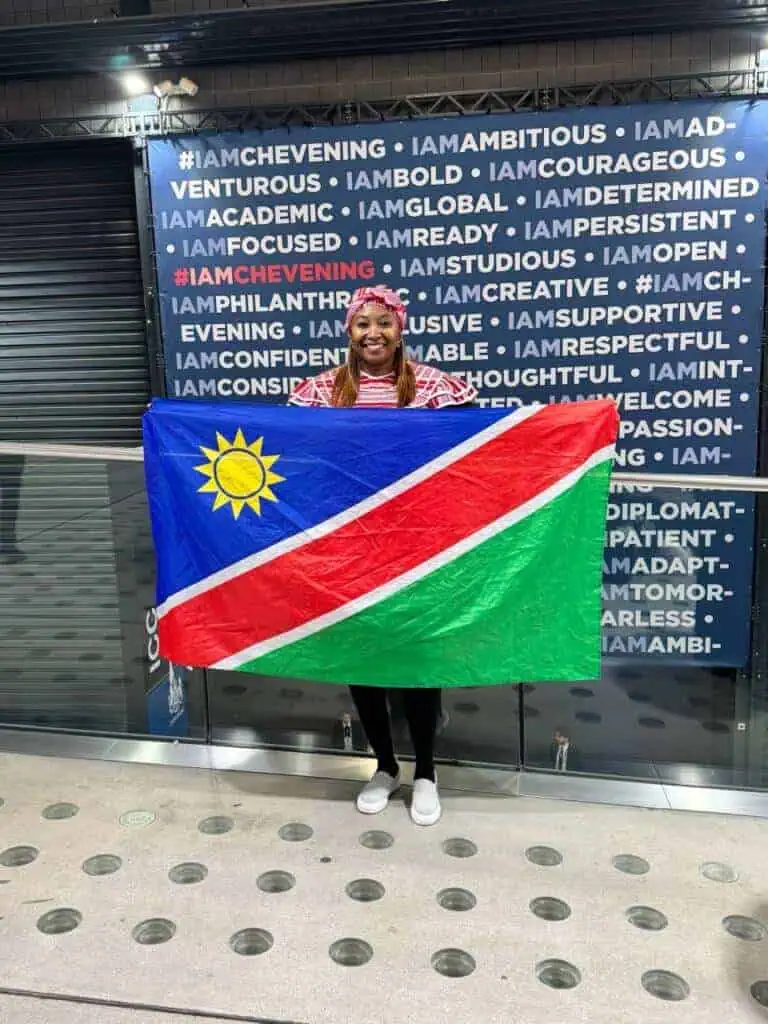
What Scholarship Recipients Say
Advice and insights from international students who successfully secured funding to study at University of Hull.
"It covers full tuition, monthly living expenses, travel costs, and other allowances."
"I’m also pursuing an MSc in Artificial Intelligence and Data Science at the University of Hull in the UK."
"This scholarship covers tuition fees, living expenses, travel costs, and other academic allowances, providing full support for my studies at Hull University."
"I’m also pursuing an MSc in Artificial Intelligence and Data Science at the University of Hull in the UK."
"Hull University provides strong support for international students by organizing events and courses that help with both personal adaptation and academic integration."
Frequently asked questions
Common questions about scholarships, admissions, and studying at University of Hull.
In the University of Hull recipient stories on Global Scholarships, the scholarships were used for in-person study in the UK (not online).
Scholarships connected to the University of Hull can cover a wide range of subjects, depending on the award. In the Global Scholarships recipient stories, Hull scholarship winners studied both STEM and humanities: Paulina Shifugula studied “MSc in Artificial Intelligence and Data Science” (STEM), while Tafan Kamal Karim completed an “MA in English Literature and Creative Writing” (humanities). Beyond these examples, University of Hull scholarships commonly apply across many full-time postgraduate taught programmes (so you’ll see coverage that can include business, engineering, and other STEM areas as well as humanities and social sciences), while medicine-related study is typically via Hull York Medical School (HYMS), which also lists its own funding options for certain postgraduate medical/health programmes. For medicine specifically: international students can apply to study medicine at HYMS, but places for international applicants are limited, and funding availability depends on the exact programme and scholarship.
It depends on the scholarship type. Some opportunities are open broadly to international applicants, while others are restricted to specific countries. In the Global Scholarships recipient stories for Hull, recipients included Paulina Shifugula (Namibia) and Tafan Kamal Karim (Iraq), showing that Hull-linked scholarship pathways can include a wide range of nationalities through external awards like Chevening. There are also country-targeted awards (for example, GREAT Scholarships are country-specific in each cycle), so your nationality can matter a lot depending on which scholarship you apply for.
Often yes for international applicants, unless you qualify for an exemption or can provide alternative proof of English proficiency. In the Hull scholarship recipient stories, both winners shared IELTS results: Paulina Shifugula wrote, “I took the IELTS Academic and scored an Overall of 6.5,” and Tafan Kamal Karim said, “As part of my application, I took the IELTS exam, achieving a score of 7.5.” If you don’t meet the University’s English requirements initially, you may be offered routes like a pre-sessional English course (where applicable).
Course entry requirements vary by programme and by your country/qualification, so there isn’t one single minimum grade that applies to everyone. That said, the Hull scholarship recipients featured on Global Scholarships had strong academic profiles: Tafan Kamal Karim reported a bachelor’s average of 88.5%, and Paulina Shifugula highlighted “a solid GPA” as part of what strengthened her candidacy. The best way to confirm the minimum grade is to check the specific course entry requirements and (if relevant) any scholarship-specific academic thresholds.
This depends heavily on the scholarship. For the Hull recipients on Global Scholarships, both used Chevening, where competitiveness is not only about grades but also leadership, clear goals, and fit with the scholarship’s mission. Their stories show what “strong” can look like in practice: Paulina Shifugula combined a strong academic profile with relevant professional experience in software development, and she emphasized planning and purpose in her application; Tafan Kamal Karim combined high academic performance with a clear academic/professional narrative in literature and teaching. If you’re targeting Chevening specifically, eligibility includes being from an eligible country/territory, having sufficient post-graduation work experience, and holding an undergraduate degree that qualifies you for a UK master’s programme, alongside securing course offers within required timelines.
Required documents depend on your level (undergraduate vs postgraduate), nationality, and course, but international postgraduate taught applicants are commonly asked for academic history and proof, English proof, and supporting statements/references. The University of Hull’s international postgraduate taught guidance lists items such as transcripts and certificates for qualifications, an English language proficiency certificate (e.g., IELTS/TOEFL), a personal statement, and reference/referee details, alongside identity details (including passport information) and employment history where relevant. These align closely with what Hull scholarship recipients described: Paulina Shifugula said, “I began preparing early, drafting my essays, collecting references,” while Tafan Kamal Karim highlighted “gathering strong recommendation letters, and writing a compelling personal statement.”
- Academic records: transcripts and certificates (as requested for your qualifications)
- Proof of English: IELTS/TOEFL (or accepted alternatives/exemptions where applicable)
- Personal statement (why this course/why the UK/your goals)
- References (referee contact details, and sometimes letters depending on route)
- Passport/identity details (especially for international applicants)
- Employment history (commonly requested for international postgraduate applications, and important for some scholarships)
For undergraduate applications, you normally apply via UCAS, which charges an application fee (separate from the University). For international postgraduate taught applications made directly through the University of Hull course pages, the University of Hull does not charge an application fee. However, check with the latest application guidelines for updated information.
There are many degrees that are open to international students right now — find yours.
About the Author: Hyun Lee


Leave A Comment