
University of Girona Scholarships for International Students 2027
Thousands of international students have made their way to Spain. Some of the reasons many foreigners opted to study there are its high-quality education, numerous research opportunities, diverse culture, and the chance to learn other languages.
Scholarships, grants, and other forms of funding are offered by University of Girona to international students. We’ll discuss them in this article, and you can use them to fulfill your dream of studying abroad without incurring high costs. So, let’s get started!
University of Girona Scholarships for International Students
External Scholarships
There are many degrees that are open to international students right now — find yours.
University of Girona Admissions
Here are the official admission pages for University of Girona:
| Degree | Admissions Pages |
|---|---|
| Bachelor's | International Students Admissions Page |
| Master's | International Students Admissions Page |
Tuition Fees at University of Girona for International Students
Indicative annual tuition fee ranges for international students at University of Girona. Exact fees vary by program, so always confirm the current cost on the university's official tuition fee pages.
| Degree Level | Typical Annual Range |
|---|---|
| Bachelor's Tuition | 1,202 Euros |
| Master's Tuition | 1,186 Euros |
Please note that tuition fees can vary based on the specific program you choose. For the most accurate and current fee information, consult the official tuition fee pages linked above.
University of Girona Scholarship Recipients
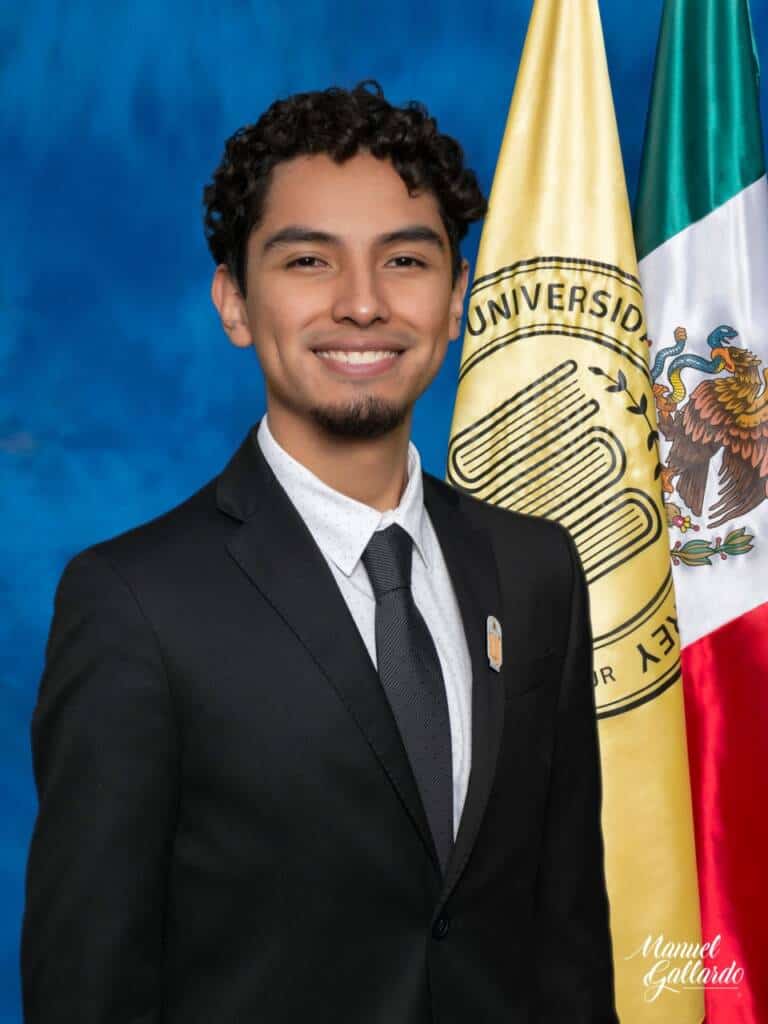
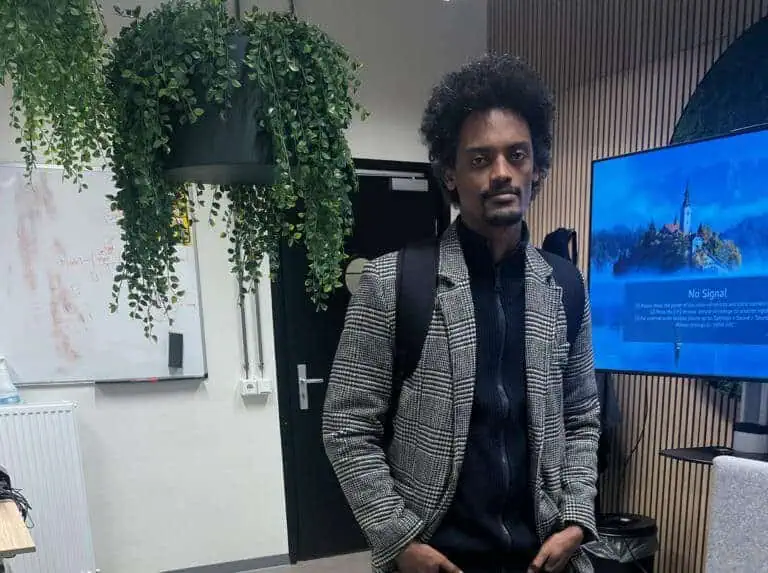
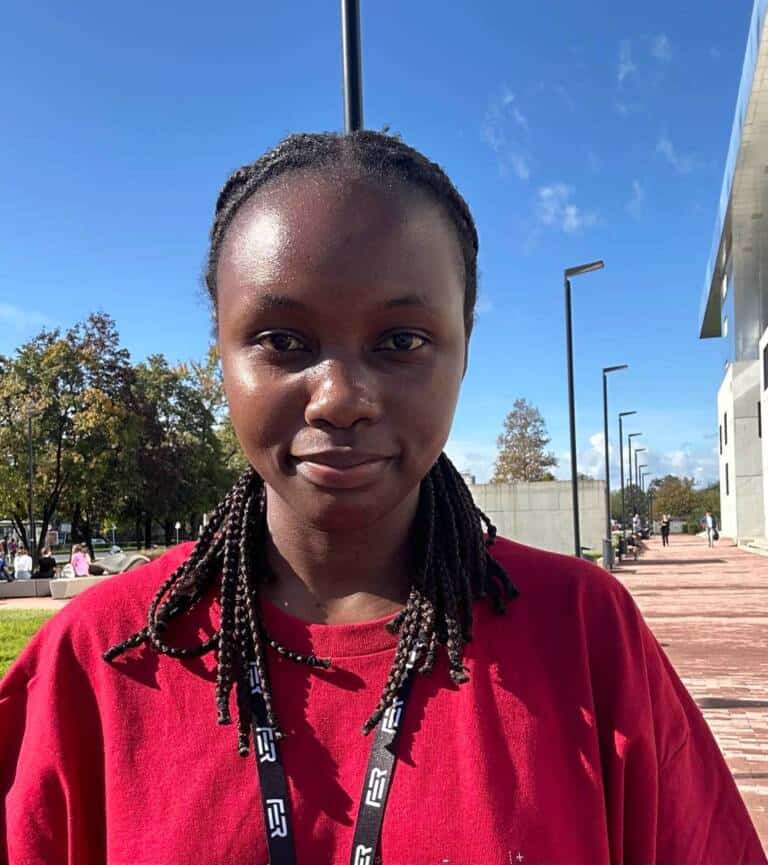
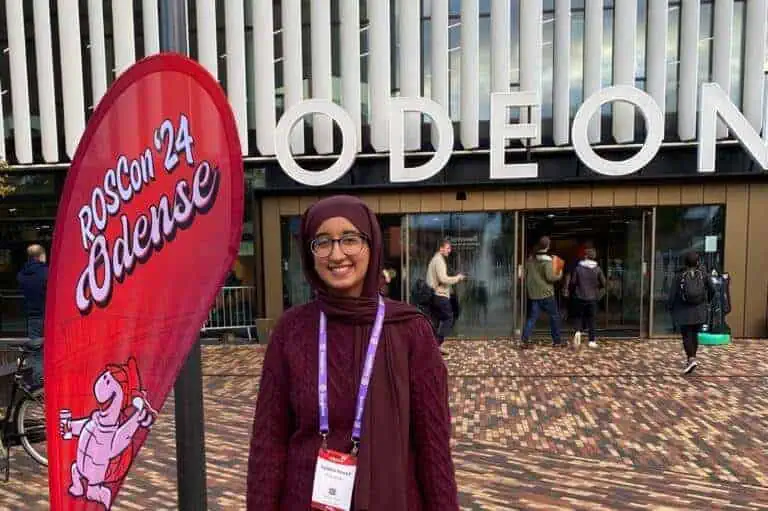
International students who received scholarships to study at University of Girona, documented by Global Scholarships.




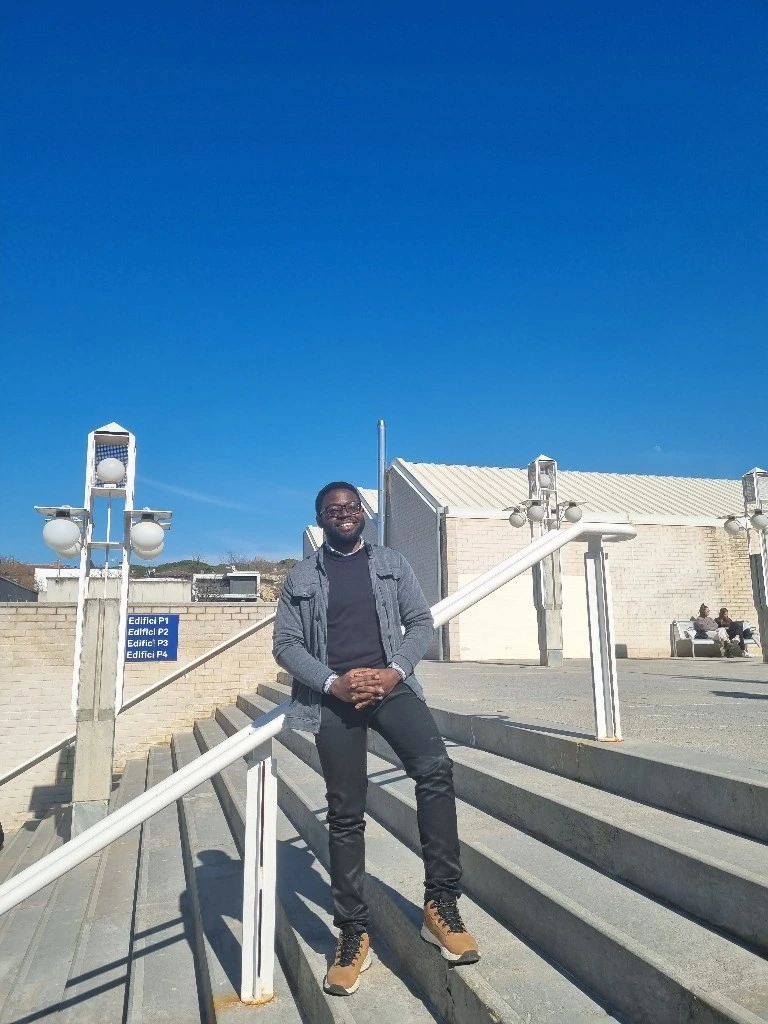
Scholarship Recipient Insights at University of Girona
7 degree-study stories.
| Nationalities | Stories per nationality |
|---|---|
| Nigerian, Pakistani | 2 each |
| Bangladeshi, Ethiopian, Indian | 1 each |
| Degree level | Stories | Subjects |
|---|---|---|
| Master’s | 7 | Intelligent Field Robotic Systems |
Funding Routes Reported by Featured Recipients
| Funding route | Stories | Recipients |
|---|---|---|
| Erasmus Mundus | 7 | Moses Ebere, Syma Afsha, Fatima Yousif, Zewdie Habtie Sisay, Sawera Yaseen, Joseph Adeola, Atharva Patwe |
Funding Coverage and Living Costs
| Recipient and degree/program | Reported coverage |
|---|---|
| Joseph Adeola — Joint Master’s in Intelligent Field Robotic Systems (IFRoS) | Erasmus Mundus provided tuition coverage, €1,000 monthly, and installation and travel allowances. Reported living costs of about €450–500 per month in Girona. |
| Moses Ebere — Joint Master’s in Intelligent Field Robotic Systems (IFRoS) | Reported that his Erasmus Mundus stipend covered his Girona living budget of €500–600 monthly. |
| Atharva Patwe — Joint Master’s in Intelligent Field Robotic Systems (IFRoS) | Reported tuition, living, travel and installation support. His Girona rent was €300–500 monthly and food about €150–200; would save more for life after graduation. |
| Syma Afsha — Joint Master’s in Intelligent Field Robotic Systems (IFRoS) | Found Girona more expensive because she chose a student hostel; believed a shared apartment would have reduced costs. |
| Sawera Yaseen — Joint Master’s in Intelligent Field Robotic Systems (IFRoS) | Found Girona the most affordable of her study locations; used budgeting, home cooking and student discounts when moving to more expensive locations. |
Examples of Featured Recipients’ Application Backgrounds
| Recipient and degree/program | Scholarship/application route | Reported background and preparation |
|---|---|---|
| Moses Ebere — Joint Master’s in Intelligent Field Robotic Systems (IFRoS) | Erasmus Mundus — IFRoS | Top-of-class Mechanical Engineering graduate at Cukurova University; later robotics coursework at Sabanci University. Created a portfolio and connected documented projects with the IFRoS curriculum. |
| Syma Afsha — Joint Master’s in Intelligent Field Robotic Systems (IFRoS) | Erasmus Mundus — IFRoS | Electrical, Electronic and Communication Engineering degree at Military Institute of Science and Technology; research on activity recognition, sign-language translation and audio-visual content classification. |
| Fatima Yousif — Joint Master’s in Intelligent Field Robotic Systems (IFRoS) | Erasmus Mundus — IFRoS | Software Engineering degree at Mehran University of Engineering and Technology, with a silver medal; programming experience and involvement in Google Developer Student Clubs and TEDx. |
| Zewdie Habtie Sisay — Joint Master’s in Intelligent Field Robotic Systems (IFRoS) | Erasmus Mundus — IFRoS | Computer Engineering degrees at Mekelle Institute of Technology and Bahir Dar University, plus assistant-lecturer work at Debre Tabor University. |
| Sawera Yaseen — Joint Master’s in Intelligent Field Robotic Systems (IFRoS) | Erasmus Mundus — IFRoS | Mechatronics Engineering degree at Mehran University of Engineering and Technology, silver medal; research-assistant work at National Center of Robotics and Automation. |
| Joseph Adeola — Joint Master’s in Intelligent Field Robotic Systems (IFRoS) | Erasmus Mundus — IFRoS | Mathematics degree at University of Ilorin; highlighted transferable analytical and software-project skills rather than direct prior robotics experience. |
| Atharva Patwe — Joint Master’s in Intelligent Field Robotic Systems (IFRoS) | Erasmus Mundus — IFRoS | Mechanical Engineering degree at COEP Technological University; Formula Student participation and a thesis building a quadcopter control system. |
How Recipients Met Language Requirements
| Language requirement route | Stories / total degree-study stories | Recipients and examples |
|---|---|---|
| English proficiency test taken for the application | 1/7 | Atharva Patwe — Joint Master’s in Intelligent Field Robotic Systems (IFRoS) — took an English proficiency test before preparing his application documents. |
Application Timelines Reported by Recipients
| Recipient and degree/program | Application or scholarship route | Reported application timeline |
|---|---|---|
| Atharva Patwe — Joint Master’s in Intelligent Field Robotic Systems (IFRoS) | Erasmus Mundus — IFRoS | English proficiency test → application documents and submission → about 2–3 months of waiting → programme test for scholarship rankings → funding email about one or two months later. |
English-taught programs / stories reporting teaching language: 7/7
Teaching Language and Robotics Experiences
| Recipient and degree/program | Teaching language and firsthand experience |
|---|---|
| Moses Ebere — Joint Master’s in Intelligent Field Robotic Systems (IFRoS) | All courses were in English. Completed two semesters at University of Girona and returned for a thesis at CIRS, developing whole-body kinematic control for the dual-arm Girona1000 underwater vehicle. |
| Syma Afsha — Joint Master’s in Intelligent Field Robotic Systems (IFRoS) | Instruction was English across her study institutions. Completed two Girona semesters before moving to Hungary; described local Spanish/Catalan interactions helped by translation apps. |
| Fatima Yousif — Joint Master’s in Intelligent Field Robotic Systems (IFRoS) | Instruction was English in Spain and Croatia. In Spain, studied ground and underwater robots and practical Turtlebot perception, planning, localization and manipulation. |
| Zewdie Habtie Sisay — Joint Master’s in Intelligent Field Robotic Systems (IFRoS) | Reported English instruction across his study countries. First-year Girona work focused on land and marine robotic systems; local-language phrases helped with daily life and bureaucracy. |
| Sawera Yaseen — Joint Master’s in Intelligent Field Robotic Systems (IFRoS) | English instruction across institutions. Girona provided foundational theory and practical ground/underwater robotics before her aerial-robotics specialization in Zagreb. |
| Joseph Adeola — Joint Master’s in Intelligent Field Robotic Systems (IFRoS) | English instruction across institutions. After first-year coursework, interned at ViCOROB implementing deep-learning object-detection and classification models, then returned for the thesis. |
| Atharva Patwe — Joint Master’s in Intelligent Field Robotic Systems (IFRoS) | All university courses were in English. Girona coursework combined perception, navigation, control and intervention with industrial arms, mobile manipulators, underwater robots and team projects. |
Other Offers in Featured Applicants’ Journeys
| Recipient | Reported alternative | Decision described in the story |
|---|---|---|
| Moses Ebere | Graduate admissions in the US, Sweden and elsewhere in Europe, mostly with partial funding | Selected IFRoS for full funding, multi-country study and research/experiential-learning fit. |
| Sawera Yaseen | Acceptance to two other Erasmus Mundus programmes with partial funding | Pursued IFRoS with Erasmus Mundus funding. |
| Atharva Patwe | Admission to MIRMI | Chose IFRoS for its broader range of robotic platforms, rather than MIRMI’s underwater emphasis. |
| Zewdie Habtie Sisay | 2018 Invest Your Talent in Italy scholarship for a Master’s at University of Pisa | Stopped pursuing that earlier opportunity because of health issues; subsequently studied IFRoS. |
What Recipients Pursued After Studying at University of Girona
| Recipient | Degree/program at University of Girona | Reported outcome |
|---|---|---|
| Moses Ebere | Joint Master’s in Intelligent Field Robotic Systems (IFRoS) | Pursuing a funded PhD in Cognitive Robotics at Delft University of Technology, described as project-contract employment. |
| Joseph Adeola | Joint Master’s in Intelligent Field Robotic Systems (IFRoS) | Reported working as a Senior Technician at ViCOROB on an EU project for an intelligent total-body scanner for early melanoma detection, after his internship and thesis there. |
An Incoming Student’s Consortium Scholarship
| Applicant and intended degree/program | Award and decision |
|---|---|
| David Villanueva — Joint Master’s in Intelligent Field Robotic Systems (IFRoS) — planned September start | IFRoS Consortium scholarship covered full tuition and €8,000 toward living expenses. Received a 50% Latin America Masters Scholarship at University of Galway, worth €14,000 against €28,000 tuition; chose IFRoS for its research approach, R&D links and robotics topics. |
What Featured Recipients Would Do Differently
Joseph Adeola — Joint Master’s in Intelligent Field Robotic Systems (IFRoS) would build industry connections more proactively. Syma Afsha — Joint Master’s in Intelligent Field Robotic Systems (IFRoS) and Zewdie Habtie Sisay — Joint Master’s in Intelligent Field Robotic Systems (IFRoS) would learn local languages earlier for daily interactions. Atharva Patwe — Joint Master’s in Intelligent Field Robotic Systems (IFRoS) would save more, network with robotics professionals and pursue more publications.
What Scholarship Recipients Say
Advice and insights from international students who successfully secured funding to study at University of Girona.
"I’m fortunate to be one of the 18 students awarded the scholarship offered by the IFRoS Consortium for international students. It covers full tuition and includes €8,000 to help with living expenses."
"I began by researching the Intelligent and Autonomous Robotics Systems (IFROS) program in detail to understand its curriculum, faculty, and research opportunities. Since the program aligns perfectly with my research interests, I made sure to highlight this alignment in my application."
"I am currently pursuing a Master's degree through the Erasmus Mundus program in Intelligent Field Robotic Systems (IFRoS), which has given me the opportunity to study in multiple countries across Europe."
"After my first year at the University of Girona, I secured a summer internship at the Computer Vision and Robotics Research Institute (ViCOROB) of the University of Girona, where I researched and implemented deep-learning models for object detection and classification. This internship was a pivotal experience that allowed me to apply classroom knowledge to real-world research problems."
"The first semester took place at the University of Girona in Spain, where we tackled the core pillars of classical robotics: Perception, Navigation, Control, and Intervention. Think of it as the starter pack for making robots that don’t fall over or crash into walls. We also got hands-on with some serious hardware, industrial robotic arms, mobile manipulators, and even underwater robots (yes, they exist and yes, they’re awesome)."
"In Spain, I found that the local people were extremely friendly and helpful. Even when I didn’t understand certain words or phrases in Spanish or Catalan, locals were always willing to use Google Translate or explain things in simple terms to help me understand. This made my experience in Girona incredibly smooth and enjoyable."
There are many degrees that are open to international students right now — find yours.
About the Author: Hyun Lee


Leave A Comment