
Tohoku University Scholarships for International Students 2027
To help students manage tuition and living expenses, Tohoku University connects to scholarships across different funding levels. Here are several top options to review first.
Among the university based funding routes linked to Tohoku University, these scholarships tend to stand out for their level of support and overall value. President Fellowship is full tuition and typically covers full entrance fees and tuition fees.
To broaden funding options beyond institutional awards at Tohoku University, these external and government scholarships are commonly considered as well. Japanese Government (MEXT) Scholarship is a fully funded award, and the listed benefits often include tuition fees, ¥143,000 to ¥145,000 per month for research students, and ¥117,000 for undergraduate students. ADB–Japan Scholarship Program is usually considered fully funded, and typical coverage can include full tuition fees, monthly allowance and accommodation, and books and instructional materials.
To see every scholarship associated with this institution and compare coverage and eligibility, browse the sections below.
Tohoku University Scholarships for International Students
The scholarships at Tohoku University can help fund your study expenses. There are currently 4 scholarships being offered to international students at the Tohoku University, all with varying requirements, benefits, and application processes. We have compiled them in this list to help you find the scholarship that best fits you.
Undergraduate Scholarships
External Scholarships
There are many degrees that are open to international students right now — find yours.
Tohoku University Admissions
Here are the official admission pages for Tohoku University:
| Degree | Admissions Pages |
|---|---|
| Bachelor's | International Students Admissions Page |
| Master's | International Students Admissions Page |
Tohoku University Application Deadlines
| Degree | Admission Deadline |
|---|---|
| Bachelor's | February 1, 2026 Different Bachelor's programs have different deadlines |
| Master's | January 13, 2026 Different Master's programs have different deadlines |
Tuition Fees at Tohoku University for International Students
Indicative annual tuition fee ranges for international students at Tohoku University. Exact fees vary by program, so always confirm the current cost on the university's official tuition fee pages.
| Degree Level | Typical Annual Range |
|---|---|
| Bachelor's Tuition | 535,800 Yen |
| Master's Tuition | 535,800 – 804,000 Yen |
Please note that tuition fees can vary based on the specific program you choose. For the most accurate and current fee information, consult the official tuition fee pages linked above.
Tohoku University Scholarship Recipients
International students who received scholarships to study at Tohoku University, documented by Global Scholarships.

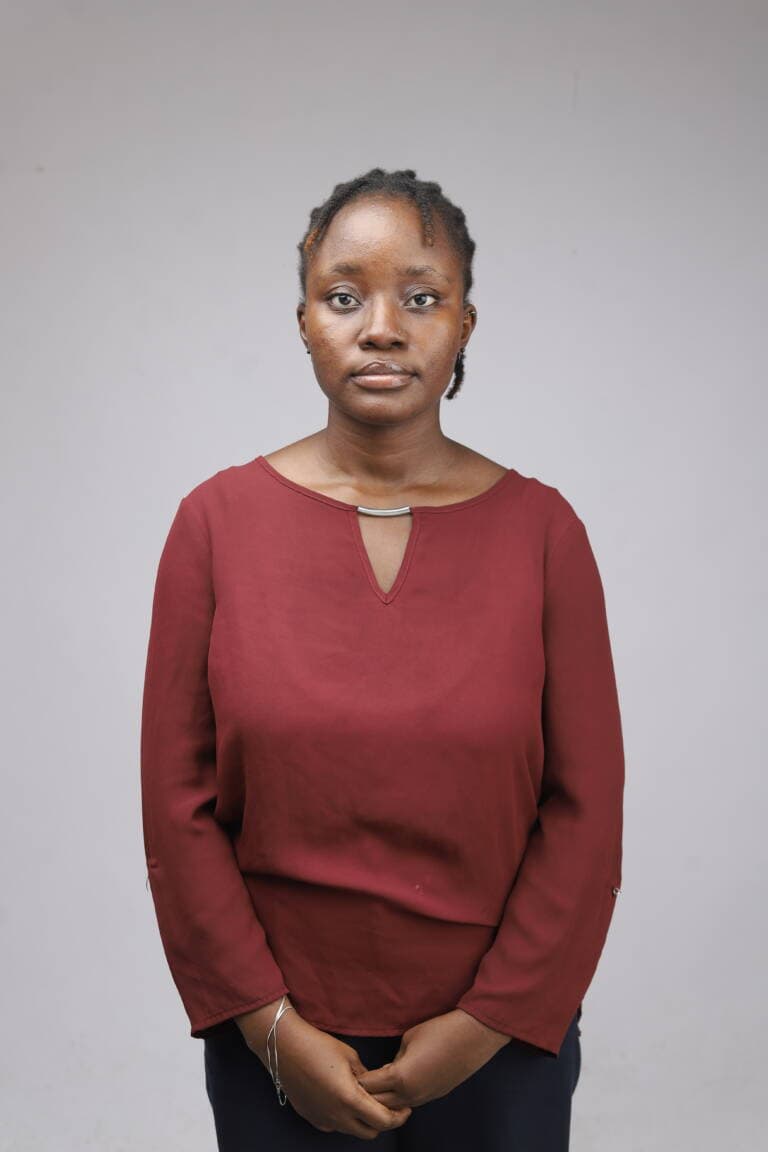

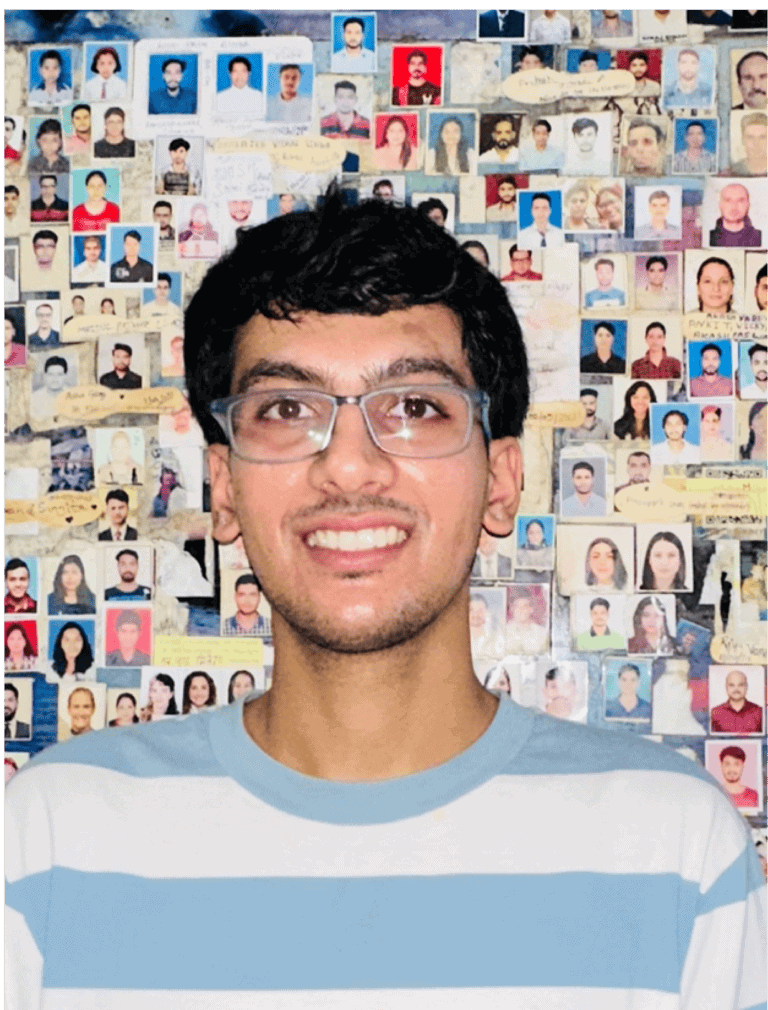
Scholarship Recipient Insights at Tohoku University
3 degree-study stories describe Tohoku University.
Featured Recipients
| Nationalities | Stories per nationality |
|---|---|
| Indian | 3 each |
Degrees Represented
| Degree level | Stories | Subjects |
|---|---|---|
| Master's | 3 | System Information Science; Information Sciences; Information Technology — High-Performance Computing |
| PhD | 1 | Information Technology — High-Performance Computing |
Funding Routes Used
| Funding route | Stories | Recipients |
|---|---|---|
| University-recommended MEXT Scholarship | 2 | Kushagra Shekhawat, Shubham Verma |
| Embassy-recommended MEXT Scholarship | 1 | Shripriya |
Funding Coverage Reported by Recipients
| Recipient and degree/program | Reported coverage |
|---|---|
| Kushagra Shekhawat — Master's in System Information Science | Received university-recommended MEXT through the AIQDS program; described an award amount equivalent to the embassy-recommended route. |
| Shripriya — Master's in Information Sciences | Received MEXT in 2021 for 2.5 years: six months as a research student plus two years of master’s study. Reported round-trip travel, application and tuition fees, and a monthly master’s stipend of ¥146,000. |
| Shubham Verma — Master's in Information Technology, October 2022–September 2024; PhD began October 2024 | Received university-recommended MEXT for both the master’s and PhD. Reported full tuition, approximately ¥144,000–147,000 monthly and airfare to/from Japan; the doctoral period was October 2024–September 2027. |
Examples of Featured Recipients’ Application Backgrounds
| Recipient and degree/program | Scholarship/application route | Reported background and preparation |
|---|---|---|
| Kushagra Shekhawat — Master's in System Information Science | University-recommended MEXT Scholarship — AIQDS | Computer Science and Engineering bachelor’s, GPA 7.8, followed by approximately one year as a software engineer. Developed a research proposal with an undergraduate professor, then had it accepted by the intended Tohoku professor. |
| Shripriya — Master's in Information Sciences | Embassy-recommended MEXT Scholarship | Computer Science bachelor’s at IIIT Jabalpur; university GPA above 8.0 at application and high-school result 96.2%. Connected relevant data-analysis courses and semester projects to future research, and wrote concise explanations for embassy reviewers who might not be technical specialists. |
| Shubham Verma — Master's and PhD in Information Technology — High-Performance Computing | University-recommended MEXT Scholarship — AIQDS | Information Technology BTech from NIST Berhampur, completed June 2021. AI/computer-vision research, IEEE conference papers, a CRIS internship and TCS software-engineering work. Contacted aligned supervisors with personalized emails and revised a proposal on workload interference in vector supercomputers with senior/professor feedback. |
How Recipients Met Language Requirements
| Language requirement route | Stories / total degree-study stories | Recipients and examples |
|---|---|---|
| TOEIC taken for the application | 1/3 | Kushagra Shekhawat — Master's in System Information Science — 925/990 to demonstrate English proficiency. |
| TOEFL taken before the MEXT application | 1/3 | Shripriya — Master's in Information Sciences — 109/120. |
| Accepted prior English-medium education certificate | 1/3 | Shubham Verma — Master's and PhD in Information Technology — submitted a certificate from the undergraduate institution confirming English-medium education and did not need IELTS or TOEFL. |
English-taught programs / stories reporting teaching language: 2/3.
Teaching Language Reported in Different Programs
| Recipient and degree/program | Teaching language described |
|---|---|
| Kushagra Shekhawat — Master's in System Information Science | Master’s program conducted in English. |
| Shripriya — Master's in Information Sciences | Major was mostly in English, but many courses and joint seminars used Japanese. Despite an international lab, participation in Japanese seminars was difficult. |
| Shubham Verma — Master's in Information Technology — AIQDS, October 2022–September 2024 | Described rigorous AIQDS courses taught in English. Recommended basic Japanese for daily life outside the university. |
Academic and Research Experiences
| Recipient and degree/program | Experience described in the story |
|---|---|
| Kushagra Shekhawat — Master's in System Information Science | Program emphasized research papers and independent study more than coursework. Felt much learning was self-directed and that the lab environment strongly shaped the experience. |
| Shripriya — Master's in Information Sciences | Valued data-science courses but would research the lab environment more deeply, including speaking with students rather than reviewing only the professor’s research. |
| Shubham Verma — Master's and PhD in Information Technology — High-Performance Computing | Described an interdisciplinary AIQDS platform combining AI, quantum computing, data science and smart systems. Research direction includes HPC scheduling, system optimization and workload interference in vector supercomputers. |
Application Timelines Reported by Recipients
| Recipient and degree/program | Application or scholarship route | Reported application timeline |
|---|---|---|
| Shripriya — Master's in Information Sciences | Embassy-recommended MEXT Scholarship | Acceptance process took almost a year → received MEXT in 2021 → spent six months as a research student before a two-year master’s period. |
What Recipients Pursued After Studying at Tohoku University
| Recipient | Degree/program at Tohoku University | Reported outcome |
|---|---|---|
| Shubham Verma | Master's in Information Technology, October 2022–September 2024 | Continued at Tohoku University in a MEXT-funded PhD in Information Technology focused on High-Performance Computing, beginning October 2024 with a stated doctoral period ending September 2027. |
Separate Research-Student Pathway
| Recipient and study context | Funding and preparation described |
|---|---|
| Sarah Akinkunmi — Current research student; planned Master’s in Robotics and AI | Won embassy-path MEXT in 2024 and reported research-student support of ¥145,000 monthly, full tuition and flights to/from Japan. Mechanical Engineering bachelor’s from Covenant University, CGPA 4.43/5.0, followed by software engineering and data science. On the third attempt, prepared documents months ahead, practiced embassy English/Japanese exams, researched supervisors during waiting periods and rehearsed interviews with her sister. Planned reinforcement-learning research for disaster response at the Human-Informatics laboratory. |
What Featured Recipients Would Do Differently
| Recipient and degree/program | Preparation lesson |
|---|---|
| Kushagra Shekhawat — Master's in System Information Science | Would begin earlier and research available MEXT programs and application guidance more thoroughly. |
| Shripriya — Master's in Information Sciences | Would talk to current lab members about the working environment before choosing a supervisor. |
| Shubham Verma — Master's and PhD in Information Technology | Would prepare the research plan earlier, learn basic Japanese before arrival and consult more previous MEXT scholars. |
What Scholarship Recipients Say
Advice and insights from international students who successfully secured funding to study at Tohoku University.
"I won the MEXT (Monbukagakusho) Embassy-path Scholarship last year in 2024. Tohoku University was my only choice. The scholarship offers full tuition, a monthly stipend of ¥ 145,000 for research students, ¥ 146,000 for master’s students, and a flight to Japan and back to your country after graduation."
"For MEXT, I prepared my application by doing some research on Japan to bring in a cultural perspective and connect it with my current workk... I also kept my answers short and to the point as I was applying for Embassy Recommendation and the people screening my application will not be technical. Lastly, I watched some videos on how to write a research theme and followed the same flow for my answer. The key part is to connect it to future research in Japan and explain how it will benefit both the home country and Japan."
"Hi, I am Kushagra from India with a Master's degree in System Information Science from Tohoku University. My interest in computer vision began during my undergraduate studies and led me to pursue a PhD in this field."
"Tohoku University is a world-class institution, and the AIQDS program provides an interdisciplinary platform combining AI, Quantum Computing, Data Science, and Smart Systems. The courses are rigorous, taught in English, and taught by leading researchers. Japan provides excellent support for international students—be it visa procedures, housing, or mental health services."
"The quality of the research experience really depends on the lab you join, so it can vary a lot from person to person. Each student is part of a different lab, and the lab environment has a much bigger impact on the experience than the program itself. If I had to rate the program on its own, I’d probably give it a 7 out of 10—mainly because the university has a good reputation, which brings a lot of opportunities for jobs, scholarships, internships, and student exchanges."
"I would have done more research about the lab since I did not have the best experience. I only looked at my professor’s research but should have also talked to other students to learn more about the lab’s environment. It is vital to have a healthy lab environment since you will be spending a major part of your time there."
Frequently asked questions
Common questions about scholarships, admissions, and studying at Tohoku University.
Most scholarships connected to studying at Tohoku University (including MEXT, JASSO-type support, and Tohoku’s own fee waivers) are designed for students enrolling as degree or special research students in Japan, not for fully online degree study.
Both. Tohoku University has degree options taught in Japanese and also many degree courses taught in English (including programs taught entirely in English), so the language depends on the specific faculty/graduate school and program you choose.
In recipient stories, English-taught study was common in certain graduate tracks: Shubham Verma said, The courses are rigorous, taught in English
(AIQDS). Kushagra Shekhawat also shared, Yes, my master’s program was conducted in English, so there was no need to know Japanese.
That said, some areas are strongly Japanese-medium, especially professional undergraduate tracks. For example, Tohoku’s undergraduate School of Medicine notes that all classes are conducted in Japanese and that there are no English-language courses in that undergraduate program.
It depends on the scholarship. Many university/internal or privately funded scholarships focus more on enrollment status and academic merit than age, but major government scholarships can have strict age windows.
For example, MEXT guidelines commonly include age requirements (and they can differ by category). So, if your plan relies on MEXT, check the current year’s guideline for your exact scholarship type; if your plan relies on internal/other scholarships, you’ll need to confirm each foundation’s eligibility rules individually.
Generally, scholarships are available across a wide range of subjects at Tohoku University (STEM and humanities), but some scholarships are field-specific. Broad options you’ll see often include MEXT pathways, JASSO-style scholarships, and tuition/entrance-fee waivers—these can apply across many faculties as long as you meet the program and scholarship criteria.
STEM / Engineering: Recipient examples include Shubham Verma (High-Performance Computing), Shripriya (Information Sciences), and Kushagra Shekhawat (System Information Science). Business: Scholarships and fee waivers can also apply to economics/management tracks depending on the program and funding source. Humanities: Many scholarships are not restricted to STEM, but requirements vary by scholarship.
Medicine: International students can pursue medical-related study, but eligibility depends on the level and language. Undergraduate Medicine is Japanese-taught, so admission and day-to-day study require strong Japanese. At the graduate level, Tohoku’s medical school lists some courses offered in English for students studying from abroad, which can open doors for international applicants in medical sciences/public health areas.
It varies by scholarship. Many Tohoku-linked opportunities are open to “international students” broadly, but government scholarships (like MEXT) typically require you to hold the nationality of a country with diplomatic relations with Japan (and other conditions). Some private foundations may restrict eligibility to specific countries/regions or to students already in Japan.
In the recipient stories, nationalities included India (Shubham Verma, Shripriya, Kushagra Shekhawat) and Nigeria (Sarah Akinkunmi), showing that major scholarships linked to Tohoku can and do go to a wide range of countries when requirements are met.
It depends on your program’s language of instruction and the admission route. English-taught programs often ask for TOEFL/IELTS (or similar), while Japanese-taught programs may expect Japanese ability (and in some cases Japan-specific exam pathways). Always check your program’s latest admissions page for accepted tests and minimum scores.
That said, waivers are sometimes possible. Shubham Verma said, I did not need to take IELTS or TOEFL
because he submitted proof of long-term English-medium education. Shripriya similarly explained that for Japan, a certificate from your university stating that the education has been conducted in English should suffice as well
(though she still recommended taking TOEFL and reported a TOEFL score of 109/120).
There isn’t one single “Tohoku-wide” minimum grade because admissions standards vary by faculty/graduate school and by program (and scholarships can add their own thresholds). For scholarships, academic cutoffs are common, and then the selection becomes competitive beyond the cutoff.
From the recipient side, Shripriya noted, MEXT requires the GPAs to be above 65-70%.
In practice, many MEXT/JASSO-style opportunities also emphasize your research fit and documents (proposal, supervisor match) in addition to grades.
A strong academic record helps, but for major scholarships (especially research-focused routes), your research direction, proposal quality, and fit with a lab/supervisor can matter just as much. Relevant coursework, projects, publications, internships, and clear motivation all strengthen your profile.
Examples from recipients: Shubham Verma emphasized research alignment and wrote, The research plan is the heart of your MEXT application.
Kushagra Shekhawat described developing a research proposal with guidance from a professor before applying. Sarah Akinkunmi also highlighted that the scholarship looks into your past studies or work background,
and her background was in mechanical engineering before robotics/AI. Shripriya noted, “I had 96.2% in high school and a GPA above 8.0 in university at the time of the application.”
Documents vary by program (undergraduate vs graduate, Japanese-taught vs English-taught) and by scholarship route (MEXT vs private vs tuition waiver). For graduate scholarship routes, it’s common to need academic records plus a research-focused set of materials.
Shubham Verma listed the documents he prepared for the university-recommended MEXT route, including: A detailed research plan
, plus academic and identity materials.
- Research plan / research proposal (especially for MEXT and research-track graduate admissions)
- Statement of purpose / motivation letter
- Academic transcripts (and degree certificates, if already graduated)
- Letters of recommendation
- Proof of language ability (TOEFL/IELTS/JLPT or an English-medium instruction certificate where accepted)
- Passport/ID pages (often requested for international applicants)
- For some scholarship routes, additional items like health certificates and specific forms may be required
Yes. Tohoku University generally requires an application fee to take the entrance exam (with amounts differing by level). As a reference point, the university lists application fees such as 17,000 yen for undergraduate and 30,000 yen for graduate admissions (standard university-wide fees, with some special categories listed separately).
There are many degrees that are open to international students right now — find yours.
About the Author: Hyun Lee


Hi, I am Godwin Attipoe, a BSC holder in Accounting from the Catholic university Ghana. I am passionate about studying data science and machine learning and artificial intelligence at the graduate level. I would be grateful if I would be considered for your full scholarship program to come study at your reputable university. Thank you and looking forward to hearing from you soon.
Hi, we are not Tohoku University. Please visit their Official Website if you wish to contact them.