
Sogang University Scholarships for International Students 2027
If you are planning your budget for Sogang University, these scholarships are a practical place to start. The list is prioritized by typical funding strength.
If you are focusing on university provided awards tied to Sogang University, the following scholarships are commonly among the most impactful options. Language Excellence Scholarship is usually considered full tuition, and typical coverage can include full scholarship (full school fees and admission fees) for students with TOPIK level 6 and an excellent admission evaluation and half scholarship (50% school fees and admission fees) for students with TOPIK level 5 and an excellent admission evaluation. A strong option is Global Emerging Scholarship which is full tuition and often covers admission fees and 25% up to 100% of school fees and depending on evaluation of financial status and application. Graduate School of International Studies Scholarship is full tuition, and coverage often includes 25% to 100% tuition fee deduction depending on evaluation during admissions process. Sogang International MBA Scholarship is partially funded and typically covers 30% tuition fee deduction for students who have an undergraduate degree grade of B+ or 90% above, and have recommendation from major Asian universities and 20% tuition fee deduction for those with TOEFL iBT 100 or above, TOEFL PBT 600 or above, TOEFL CBT 250 or above, TEPS 800 or above, IELTS 7.5 or above, and or TOPIK level 4 or higher.
External and government scholarships can complement university funding for Sogang University students. The following options are often reviewed alongside campus awards. Global Korea Scholarship (GKS) is fully funded and typically covers tuition fees, airplane tickets, and living stipend. Samsung Global Hope Scholarships is commonly categorized as fully funded support, and coverage that often includes undergraduate level : KRW 3,900,000 per semester and Master's and PhD level : KRW 3,500,000 or KRW 5,000,000 per semester. With Yuhan Foundation Scholarship, students may receive full tuition support, and coverage frequently includes full tuition support for selected university students, undergraduate living-expense support of KRW 3,000,000 twice per year and totaling KRW 6,000,000, and KRW 5,000,000 per year for North Korean-born university students.
More scholarships connected to this institution are listed further down. Scroll to explore the full set of opportunities.
Sogang University Scholarships for International Students
The scholarships at Sogang University can help fund your study expenses. There are currently 10 scholarships being offered to international students at the Sogang University, all with varying requirements, benefits, and application processes. We have compiled them in this list to help you find the scholarship that best fits you.
Undergraduate Scholarships
Graduate Scholarships
External Scholarships
There are many degrees that are open to international students right now — find yours.
Sogang University Admissions
Here are the official admission pages for Sogang University:
| Degree | Admissions Pages |
|---|---|
| Bachelor's | International Students Admissions Page |
| Master's | International Students Admissions Page |
Sogang University Application Deadlines
| Degree | Admission Deadline |
|---|---|
| Bachelor's (Fall) | May 15, 2026 |
| Bachelor's (Spring) | November 1, 2026 |
| Master's (Spring) | December 9, 2025 |
| Master's (Fall) | June 1, 2026 |
Tuition Fees at Sogang University for International Students
Indicative annual tuition fee ranges for international students at Sogang University. Exact fees vary by program, so always confirm the current cost on the university's official tuition fee pages.
| Degree Level | Typical Annual Range |
|---|---|
| Bachelor's Tuition | 9,830,000 – 12,726,000 KRW |
| Master's Tuition | 9,830,000 – 12,726,000 KRW |
Please note that tuition fees can vary based on the specific program you choose. For the most accurate and current fee information, consult the official tuition fee pages linked above.
Sogang University Scholarship Recipients
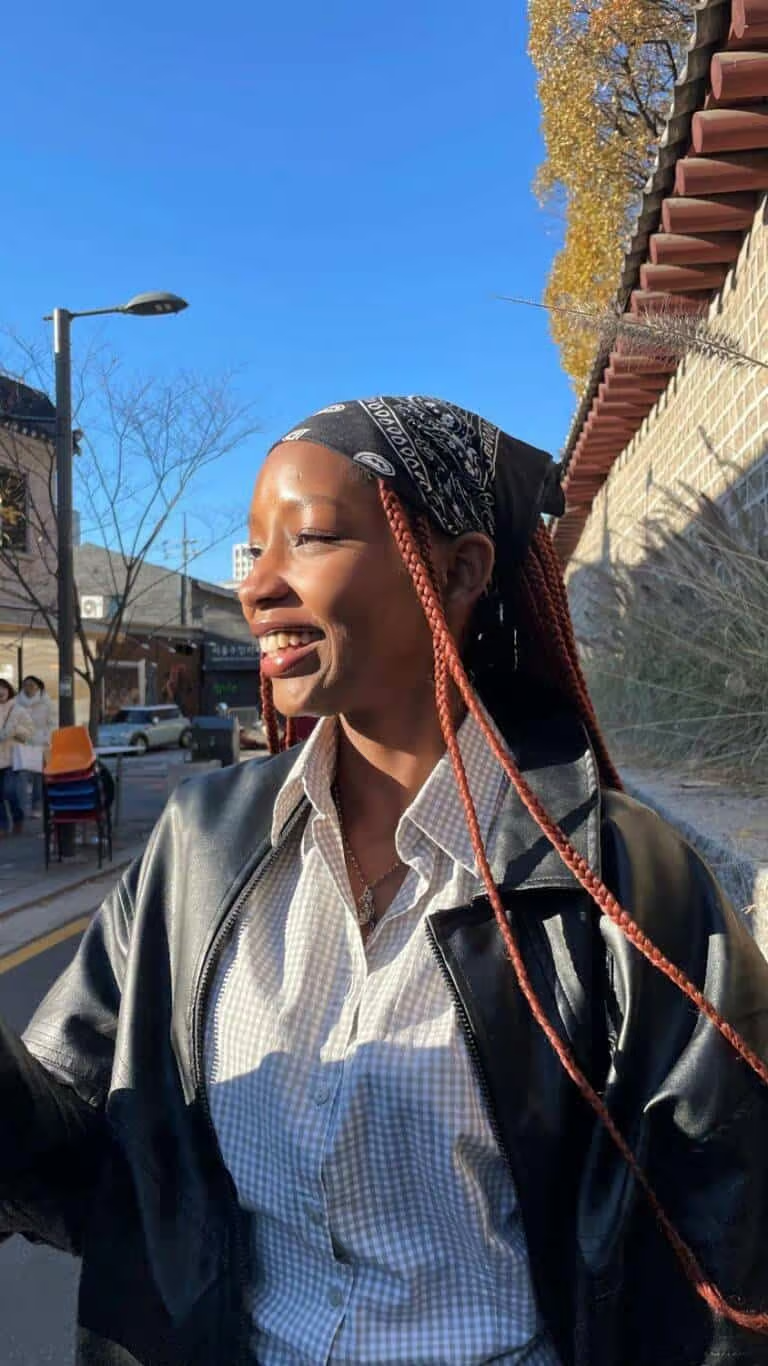
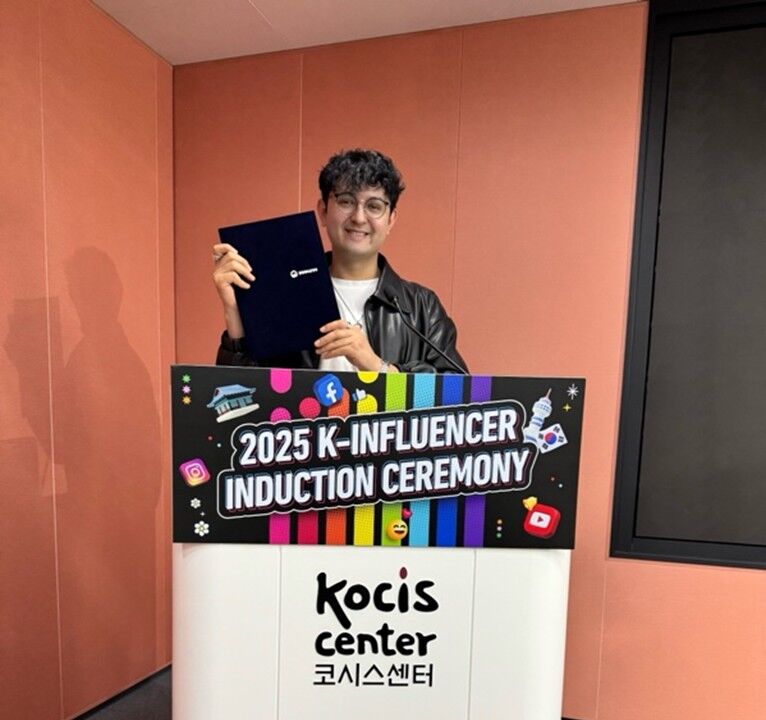
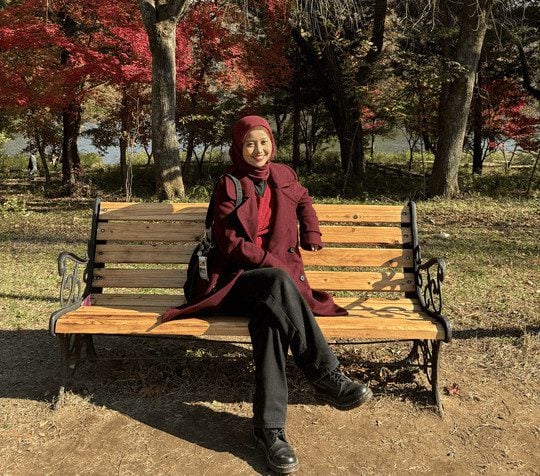
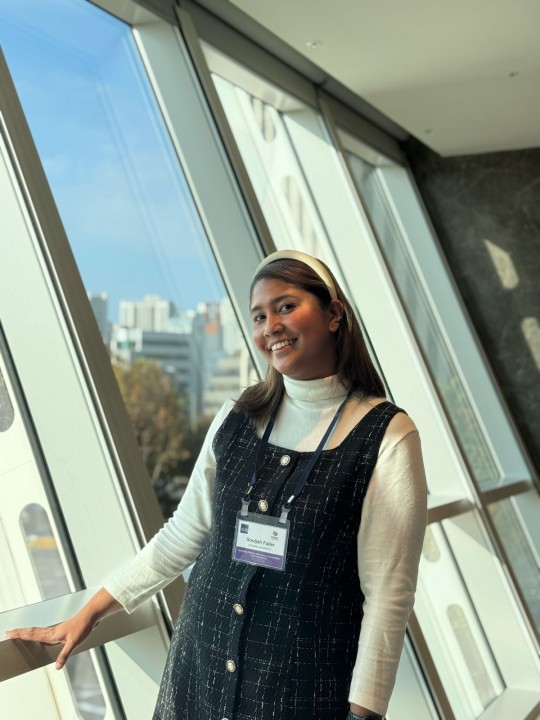
International students who received scholarships to study at Sogang University, documented by Global Scholarships.

What Scholarship Recipients Say
Advice and insights from international students who successfully secured funding to study at Sogang University.
"This prestigious scholarship fully covered my tuition and also provided a stipend of 3,900,000 KRW for living expenses."
"My advice for those looking to apply for a similar scholarship would be to start early and do thorough research. Understand the scholarship requirements, deadlines, and guidelines. Focus on making your personal statement genuine and reflective of your true passion and goals."
"I’m currently pursuing a master’s degree in English Linguistics at Sogang University in Seoul."
"Sogang GSIS was a fantastic academic experience. The professors are incredibly knowledgeable, with impressive credentials, and the small class sizes made discussions more engaging and dynamic. I’d highly recommend it, especially if you're interested in East Asian international relations."
"At Sogang University, the academic environment is intellectually stimulating. The professors are not only highly knowledgeable but also approachable, and the coursework encourages critical thinking and debate. I also appreciate the diversity among international students, which adds to a truly global classroom experience."
"Sogang University GSIS is completely in English, and I would rate it a 9/10 for academic rigor. The academic rigor in Sogang GSIS is due to the quality of faculty members. Especially during my thesis writing period, there was a lot of collaborative work between my Professors."
Frequently asked questions
Common questions about scholarships, admissions, and studying at Sogang University.
Most scholarships connected to Sogang University are designed for enrolled (on-campus) degree students, so “online-only” scholarships are uncommon.
Both exist. Many degree programs are primarily in Korean, but Sogang also runs English-taught tracks and entire English-taught schools. Scholarship recipients in international studies highlight this strongly: Souljah says, “Sogang University GSIS is completely in English,” and Souad chose her program because “it was 100% taught in English.”
If you want an all-English environment at the undergraduate level, consider English-taught units such as the international studies offerings (and related tracks). If you aim for Korean-taught majors, plan for Korean proficiency (and note that some students, like Aleyna Nur Maral, even earned a TOPIK-based excellence scholarship for Korean proficiency).
University-based scholarships at Sogang often focus more on academic performance and enrollment status than age, but external scholarships can have strict age rules. For example, multiple Sogang recipients won the Global Korea Scholarship (GKS), and GKS typically includes an age limit depending on whether you apply for undergraduate or graduate study.
So the practical answer is: there may be no age cap for some Sogang scholarships, but there can be one for government/foundation awards you use to study at Sogang. Mirshod and Souljah both won GKS, so if you’re targeting GKS, check the current year’s eligibility carefully.
In practice, scholarships apply across many subjects because they are tied to admission strength, merit, or semester GPA, not just the major. Recipient stories show breadth: Aleyna Nur Maral studied Political Science and International Relations, while Yuli Meliyani pursued English Linguistics, and Souad / Souljah / Mirshod studied International Relations. Engineering, business, STEM, and humanities are all commonly covered because Sogang has full colleges in these areas; scholarships often follow the student, not the subject.
Many Sogang-linked scholarships are designed for international (non-Korean) students, and some are open very broadly, while others depend on the scholarship sponsor. The recipient mix itself shows range: Aleyna Nur Maral (Turkey), Mirshod (Uzbekistan), Yuli Meliyani (Indonesia), Souljah (Philippines), and Souad (Morocco).
For government scholarships like GKS, nationality can be restricted to invited/designated countries for that year. For foundation scholarships (like Samsung’s), eligibility can be tied to partner universities and specific selection pipelines.
It depends on your program language. For English-taught programs, an English test score is commonly required unless you qualify for an exemption. This matches what recipients experienced: Yuli Meliyani says, “most universities require a language proficiency certificate,” and she submitted IELTS 7.5; Souad took TOEFL and scored 109.
For scholarships, language can matter twice: (1) as part of admission strength and (2) as a formal scholarship rule. Some Sogang scholarship frameworks explicitly list minimum language scores (TOPIK or TOEFL/IELTS thresholds). Also, Korean proficiency can itself be rewarded. Aleyna Nur Maral received a TOPIK Excellence Scholarship “on two separate occasions,” showing that language results can directly support scholarship outcomes.
Many Sogang admissions routes don’t publish a single universal GPA cutoff; selection is usually holistic and program-dependent. What you can rely on is that competitive scholarships and major funding tracks do have clear academic expectations, and recipient outcomes show what “competitive” can look like: Yuli Meliyani applied with a 3.79/4.00 GPA, Souljah had 3.55/4.0 (magna cum laude), and Mirshod reported 87/100.
If your goal is scholarships, aim beyond “minimum”: many scholarship policies set renewal thresholds (for example, maintaining a high semester GPA). In other words, you can be admissible but still miss scholarship renewal if your grades fall below the required level.
A strong academic record plus evidence you’re a great “fit” for the program tends to matter most. Recipients often pair grades with a clear story: Souljah emphasized he “prepared the necessary requirements and essays” and said connecting with alumni “helped me a lot during my application process.” Souad highlights she was “top of [her] department” and spent months refining her statement of purpose and personal statement.
Document checklists vary by program (undergraduate vs. graduate vs. GSIS), but commonly include academic transcripts/degree certificates, identification (passport), and program-specific forms like personal statements and recommendation letters. In Sogang’s GSIS track, applicants are asked for items such as sealed recommendation letters, official transcripts (with translation/notarization rules where relevant), valid English test scores, a color passport copy, and consent forms for degree verification.
Plan your paperwork early and treat it like a project. This matches real recipient behavior: Aleyna Nur Maral says to “prepare your documents, exams, and essays well in advance,” and Souljah describes preparing requirements and essays within a short timeline.
Sogang offers a wide spread across humanities, social sciences, natural sciences, engineering, economics, and business, plus specialized international colleges and graduate/professional schools. That breadth shows up in recipients’ majors too: International Relations (GSIS/international studies) and English Linguistics are common examples from scholarship stories.
Yes, application fees are common, and the exact amount depends on the school/program. For example, Sogang GSIS lists a specific application fee and payment procedure as part of its admissions instructions.
Because fees can change by intake, treat the fee as a “check the current guide” item.
There are many degrees that are open to international students right now — find yours.
About the Author: Hyun Lee


Leave A Comment