
Rhine-Waal University of Applied Sciences Scholarships for International Students 2027
If you are planning your budget for Rhine-Waal University of Applied Sciences, these scholarships are a practical place to start. The list is prioritized by typical funding strength.
External and government scholarships can complement university funding for Rhine-Waal University of Applied Sciences students. The following options are often reviewed alongside campus awards. DAAD Scholarships is fully funded and typically covers €992 for master's and €1,300 for Ph.D. students, health insurance, and one-time research allowance. Deutschlandstipendium is commonly categorized as partially funded support, and coverage that often includes a monthly stipend of 300 EUR. With Konrad Adenauer Stiftung Grant (KAS), students may receive partially funded support, and coverage frequently includes up to 992 euros per month for Bachelor's, master's, and or postgraduate study, up to 1,400 euros per month for PhD study, and health insurance subsidy of up to 120 euros per month.
More scholarships connected to this institution are listed further down. Scroll to explore the full set of opportunities.
Rhine-Waal University of Applied Sciences Scholarships for International Students
The scholarships at Rhine-Waal University of Applied Sciences can help fund your study expenses. There are currently 4 scholarships being offered to international students at the Rhine-Waal University of Applied Sciences, all with varying requirements, benefits, and application processes. We have compiled them in this list to help you find the scholarship that best fits you.
External Scholarships
There are many degrees that are open to international students right now — find yours.
Rhine-Waal University of Applied Sciences Admissions
Here are the official admission pages for Rhine-Waal University of Applied Sciences:
| Degree | Admissions Pages |
|---|---|
| Bachelor's | International Students Admissions Page |
| Master's | International Students Admissions Page |
Rhine-Waal University of Applied Sciences Application Deadlines
Tuition Fees at Rhine-Waal University of Applied Sciences for International Students
Indicative annual tuition fee ranges for international students at Rhine-Waal University of Applied Sciences. Exact fees vary by program, so always confirm the current cost on the university's official tuition fee pages.
| Degree Level | Typical Annual Range |
|---|---|
| Bachelor's Tuition | Free |
| Master's Tuition | Free |
Please note that tuition fees can vary based on the specific program you choose. For the most accurate and current fee information, consult the official tuition fee pages linked above.
Rhine-Waal University of Applied Sciences Scholarship Recipients
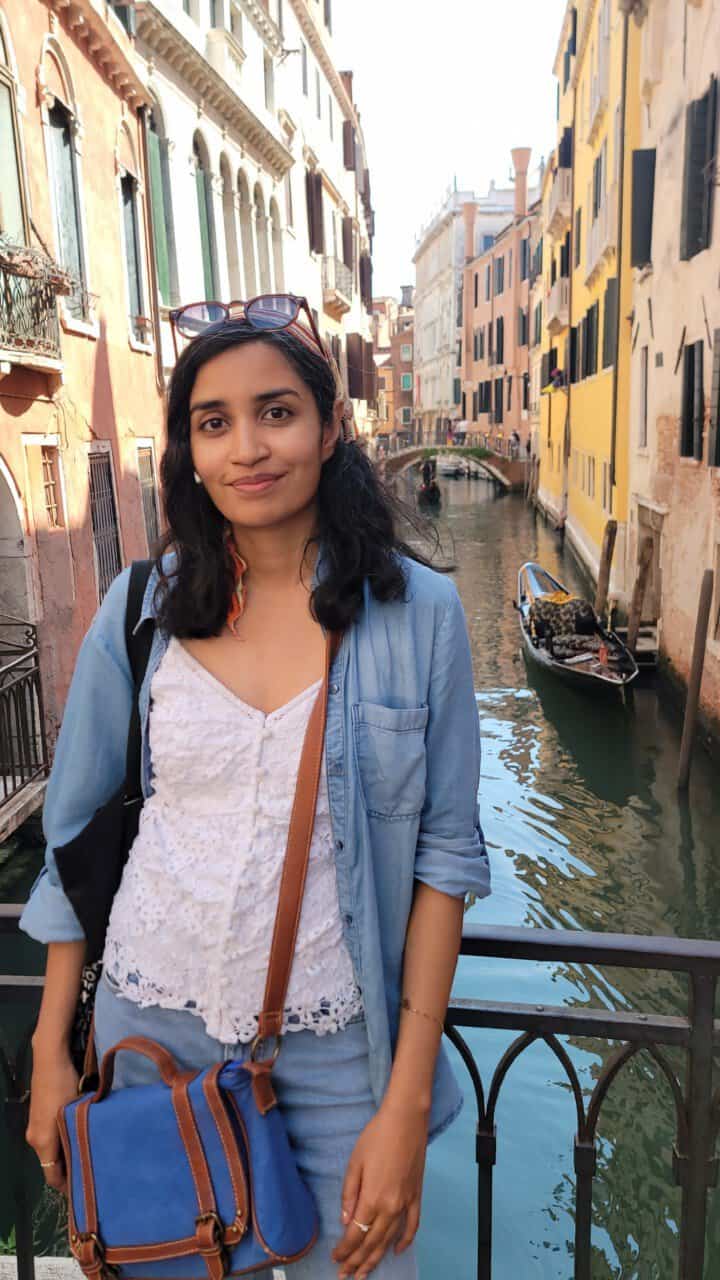
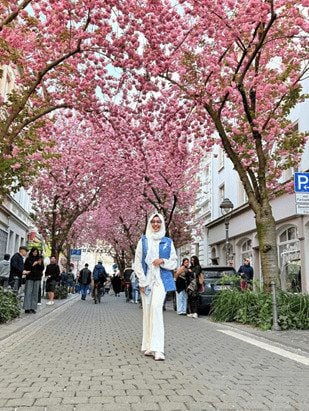
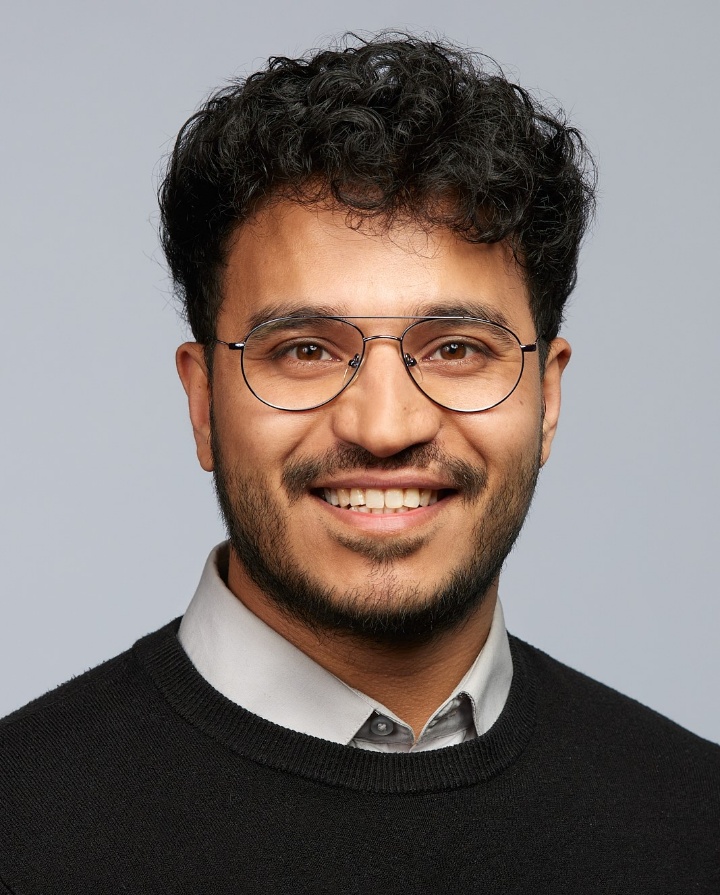
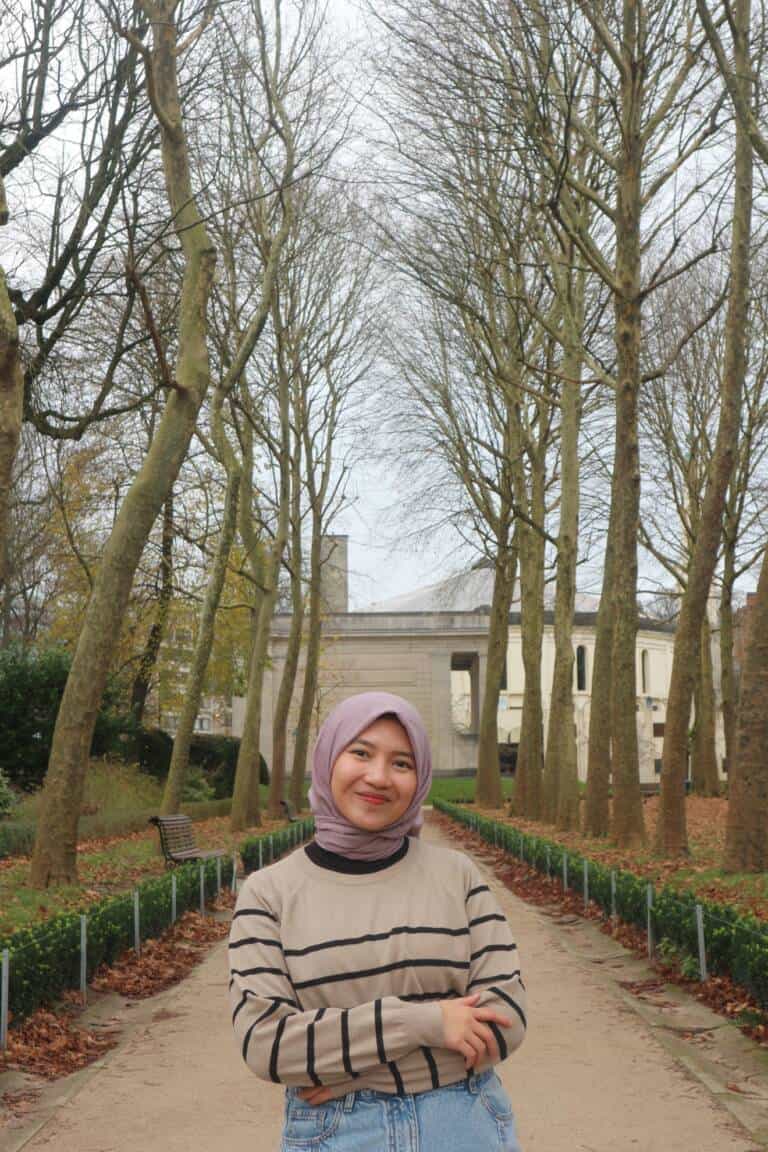
International students who received scholarships to study at Rhine-Waal University of Applied Sciences, documented by Global Scholarships.

What Scholarship Recipients Say
Advice and insights from international students who successfully secured funding to study at Rhine-Waal University of Applied Sciences.
"This full scholarship covered tuition, living expenses, insurance, travel, and German language training."
"From my experience, I would say this: start your application process as early as possible. Keep in mind it’s a journey, not a sprint. The application itself is a learning experience."
"Driven by a desire to deepen my understanding of sustainable development and modern approaches to tackling global challenges, the Sustainable Development Management (SDM) program at Rhine-Waal University of Applied Sciences in Germany was a perfect choice for me."
"This MA degree, along with a fully funded scholarship, allows me to experience high-quality education in a truly competitive and international setting."
"The MA Sustainable Development Management program provided a well-rounded and career-oriented curriculum. Courses such as Development Theories & Policies, Development Economics, and Macro Economics in LDCs gave me a strong foundation to understand the complexities of global development systems."
"Hi! My name is Dhisa, and I’m from Indonesia, currently in the 4th semester of my Master’s study in Sustainable Development Management at Hochschule Rhein-Waal, Germany. I decided to pursue my education in this field because I realized that I am really into development studies and would like to contribute to improving the quality of life for societies."
Frequently asked questions
Common questions about scholarships, admissions, and studying at Rhine-Waal University of Applied Sciences.
Most Rhine-Waal scholarships are tied to being admitted/enrolled in an on-campus degree programme (not a separate “online-only” track).
Both. Rhine-Waal offers many English-taught programmes (especially in engineering/technology, international business, and sustainability), and it also has German-taught options (for example, some health, psychology, and communication tracks). This matches what scholarship recipients experienced: Dhisa shared that “the DAAD and my programme require either the TOEFL or IELTS,” which is typical for English-taught tracks.
Usually, there’s no fixed age limit for many major scholarship routes students use at Rhine-Waal (for example, DAAD notes that there is generally “no fixed age limit,” though specific programmes can have exceptions or rules like “your latest degree should not be older than 6 years”). In practice, some scholarships are more about profile fit than age. For instance, DAAD/EPOS routes often emphasize relevant professional experience and a strong, coherent motivation.
Scholarships at Rhine-Waal are generally not restricted to just one subject; they typically support enrolled students across the university’s four faculties (Technology & Bionics; Life Sciences; Society & Economics; Communication & Environment). That means you’ll see scholarship support across engineering/STEM, business/economics, social sciences, environment/sustainability, and design/communication-related fields, depending on the scholarship.
- Engineering / STEM: Strong presence (e.g., engineering, mechanical/mechatronics, bioengineering, materials, information engineering/IT, environment & energy).
- Business: Programmes like International Business and Management / International Business Administration / Economics & Finance are common pathways.
- Humanities & social sciences: Options include International Relations, Gender and Diversity, communication/design-related degrees, etc.
- Medicine: Rhine-Waal is not a medical school (no MBBS/MD-style medicine degree). It does offer health-related programmes (e.g., “Bio Science and Health,” “Health Sciences and Management”), but “medicine” scholarships for medical-doctor training typically don’t apply here.
Rhine-Waal is highly international and its general student scholarships (like the Germany Scholarship) are typically open to enrolled students regardless of nationality, as long as you meet the selection criteria. Some scholarship routes are nationality/region-specific.” In Global Scholarships’ Rhine-Waal recipient stories, winners included students from Bangladesh (Ataur Rahman, Saima Khanam Puspo), Afghanistan (Sayed Ahmad Fahim Masoumi), and Indonesia (Dhisa).
It depends on the language of instruction of your programme. For English-taught bachelor’s programmes, Rhine-Waal states you must submit a valid B2 English certificate (often satisfied via IELTS/TOEFL-equivalent options they accept). For German-taught programmes, you typically need a German certificate around B2 (often via TestDaF/DSH-equivalent pathways). In the recipient stories, English testing came up repeatedly: Saima noted that competitive scholarships often require “a valid IELTS score,” and Dhisa emphasized preparing for TOEFL/IELTS for DAAD/EPOS-linked study.
Minimum grade requirements depend on the specific programme. Some programmes are restricted admission (NC), and selection can be competitive. For a concrete example, the English-taught M.A. Sustainable Development Management lists an academic requirement of a bachelor’s degree in a related field with a German GPA of 2.5 or better (or ECTS grade A/B). In scholarship stories, strong academics were a real factor too; for example, Sayed reported graduating with a “Grade of 94.17/100” in his bachelor’s studies.
A strong academic record plus a background that clearly matches the programme and scholarship goals is ideal. For the SDM programme’s DAAD/EPOS route, Rhine-Waal highlights fit with fields like social sciences, economics, or industrial engineering, plus relevant professional experience and strong English. The Rhine-Waal scholarship recipients’ profiles show this “fit story” in action: Ataur came from Social Welfare and applied with documents including a “motivation letter” and “letters of reference”; Saima came from Business Administration and highlighted that scholarships often require relevant work hours and IELTS; and Dhisa said her “motivation letter” was what made her application stand out.
Rhine-Waal’s international applicant guide lists core documents such as your school-leaving certificate (for bachelor’s), your bachelor’s diploma/transcripts and grading scale (for master’s), plus a recognized language certificate (as required by the programme); they also note programme-specific requirements may apply. Rhine-Waal also explains that scans are submitted via uni-assist (no hard copies required for the application step), and translations are needed if documents aren’t in German or English. In the scholarship recipient stories, applicants commonly submitted an application form, motivation letter, reference letters, employment certificates, IELTS score, transcripts, and ID documents.
- For bachelor’s: high school diploma/secondary school leaving certificate; programme-required language proof; any programme-specific items
- For master’s: bachelor’s diploma + transcripts + grading scale; (if available) diploma supplement/module guide; programme-required language proof; any programme-specific items.
- For some scholarships: motivation letter, references, proof of work experience/employment certificates, English test score, transcripts, ID/passport.
Rhine-Waal states it does not charge an additional application fee itself, but international applicants apply via uni-assist, which charges its own processing/handling fees (paid to uni-assist, not the university). So, budget for uni-assist fees even though the university’s own application fee is €0.
There are many degrees that are open to international students right now — find yours.
About the Author: Hyun Lee


Leave A Comment