
Missouri University of Science and Technology Scholarships for International Students 2027
Missouri University of Science and Technology offers access to scholarships that can reduce tuition burden and sometimes support additional costs. Below are top options prioritized by funding level.
When reviewing university scholarships connected to Missouri University of Science and Technology, these are often the first awards worth checking due to the typical scale of support. Graduate Assistantships is fully funded and typically covers full tuition and living stipend. Kummer Innovation and Entrepreneurship Doctoral Fellows Program is commonly categorized as full tuition support, and coverage that often includes tuition fees remission for up to 4 years, A 12-month fellowship paid in every semester, and $1,500 per year for research use (conference travel, journal fees, and etc.). With Provost’s International Merit Scholarship, students may receive partially funded support, and coverage frequently includes tuition fee award of $15,000 annually for up to 8 semesters. Kummer Vanguard Scholars Program is a partially funded award, and the listed benefits often include an award of $2,000 annually in tuition and fees and for up to 4 years of undergraduate study.
For more opportunities beyond these highlights, explore the scholarship listings below on this page.
Missouri University of Science and Technology Scholarships for International Students
The scholarships at Missouri University of Science and Technology can help fund your study expenses. There are currently 6 scholarships being offered to international students at the Missouri University of Science and Technology, all with varying requirements, benefits, and application processes. We have compiled them in this list to help you find the scholarship that best fits you.
Undergraduate Scholarships
Graduate Scholarships
External Scholarships
There are many degrees that are open to international students right now — find yours.
Missouri University of Science and Technology Admissions
Here are the official admission pages for Missouri University of Science and Technology:
| Degree | Admissions Pages |
|---|---|
| Bachelor's | International Students Admissions Page |
| Master's | International Students Admissions Page |
Admissions and Scholarship Results at Missouri University of Science and Technology
Here are some of the admissions and scholarship results from previous applicants to Missouri University of Science and Technology, which you might find helpful. For more results to Missouri University of Science and Technology, please see the Missouri University of Science and Technology Admissions Profile Page .
| Nationality / Region | SAT/ACT | EFC | GPA | Scholarship | Status |
|---|---|---|---|---|---|
| Thailand | 1460 | N/A | 3.9 | N/A | Accepted |
Missouri University of Science and Technology Application Deadlines
| Degree | Admission Deadline |
|---|---|
| Bachelor's (Fall) | June 15, 2026 |
| Bachelor's (Fall- Priority) | April 1, 2027 |
Tuition Fees at Missouri University of Science and Technology for International Students
Indicative annual tuition fee ranges for international students at Missouri University of Science and Technology. Exact fees vary by program, so always confirm the current cost on the university's official tuition fee pages.
| Degree Level | Typical Annual Range |
|---|---|
| Bachelor's Tuition | 35,712 – 37,920 USD |
| Master's Tuition | 16,548 – 28,638 USD |
Please note that tuition fees can vary based on the specific program you choose. For the most accurate and current fee information, consult the official tuition fee pages linked above.
Missouri University of Science and Technology Scholarship Recipients
International students who received scholarships to study at Missouri University of Science and Technology, documented by Global Scholarships.

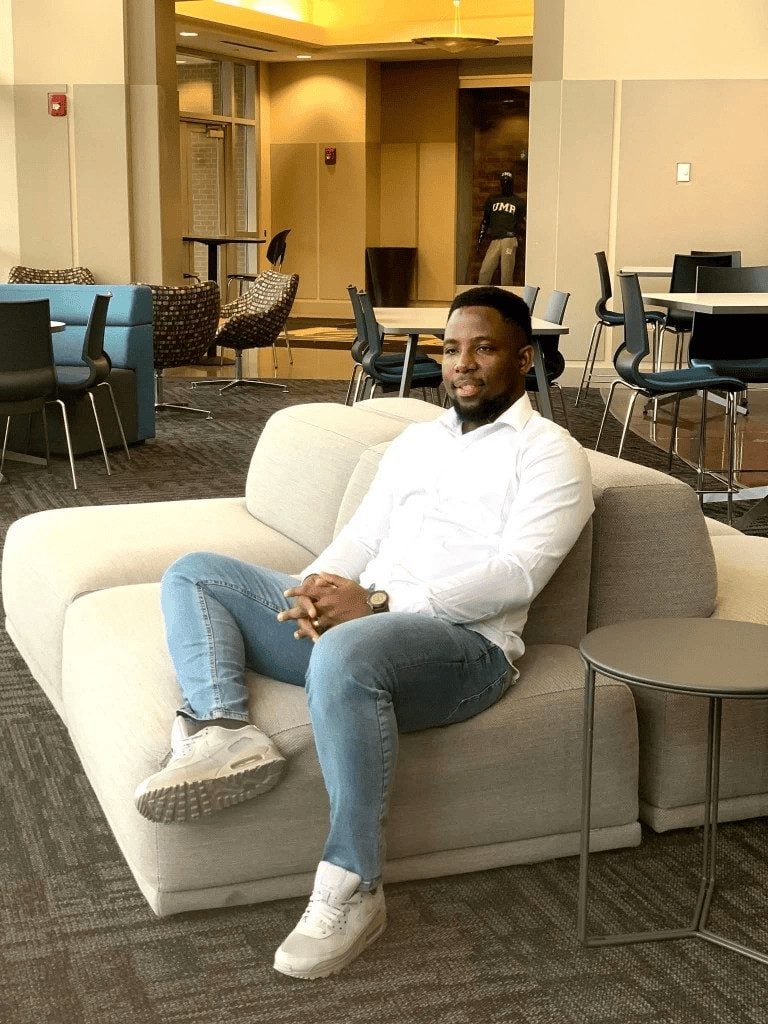
Scholarship Recipient Insights at Missouri University of Science and Technology
In the stories reviewed, two recipients describe degree study at Missouri University of Science and Technology: a Zambian MSc student in Metallurgical Engineering and a Cameroonian undergraduate in Biomedical Engineering with a biomaterials focus, a pre-med minor and a neuroscience certificate. Mulenga described his master’s as ongoing, with graduation expected in 2025; Nneh described being a junior.
Funding Routes Used by Featured Recipients
| Funding route | Stories | Recipients |
|---|---|---|
| Fulbright Foreign Student Program | 1 | Mulenga Mutema Chibesa |
| Provost International Scholarship | 1 | Nneh Nnah-Ndobe Maathai |
Funding Coverage in Recipient Stories
| Recipient and degree/program | Reported support |
|---|---|
| Mulenga Mutema Chibesa — MSc in Metallurgical Engineering | Fulbright Foreign Student Program fully funded his graduate studies, including tuition, living expenses, health insurance and professional-development opportunities. |
| Nneh Nnah-Ndobe Maathai — Bachelor’s study in Biomedical Engineering, biomaterials focus | The Provost International Scholarship provided US$7,500 per semester, reducing tuition costs. |
Examples of Featured Recipients’ Application Backgrounds
| Recipient and degree/program | Scholarship/application route | Reported background and preparation |
|---|---|---|
| Mulenga Mutema Chibesa — MSc in Metallurgical Engineering | Fulbright Foreign Student Program | BSc in Metallurgical Engineering and MBA from Copperbelt University, plus over ten years of industrial experience in flotation, hydrometallurgy and plant operations. Reviewed faculty publications and projects, contacted prospective advisors and aligned study objectives with critical-mineral recovery and sustainability. |
| Nneh Nnah-Ndobe Maathai — Bachelor’s study in Biomedical Engineering, biomaterials focus | Transfer admission and Provost International Scholarship | Two years of Mechanical Engineering Technology at PKFokam Institute of Excellence; reported a 3.64 GPA and top departmental standing. Compared university websites and webinars, sought peer feedback and highlighted academic, writing and extracurricular achievements. |
How Recipients Met Language Requirements
| Language requirement route | Stories / total degree-study stories | Recipients and examples |
|---|---|---|
| TOEFL taken for the Fulbright application | 1 / 2 | Mulenga Mutema Chibesa — MSc in Metallurgical Engineering prepared using TOEFL sample tests, timed practice and a local Fulbright preparation program. |
| English-language education and no standardized tests taken | 1 / 2 | Nneh Nnah-Ndobe Maathai — Bachelor’s study in Biomedical Engineering, biomaterials focus reported English as his first language and the language of all previous education. Applied as a transfer student without taking standardized tests; described test scores as a minor factor in his case. |
Standardized Tests Reported by Featured Recipients
| Test | Stories reporting the test / total degree-study stories | Linked recipients and reported scores |
|---|---|---|
| GRE | 1 / 2 | Mulenga Mutema Chibesa — MSc in Metallurgical Engineering took the GRE for Fulbright, using Magoosh, ETS PowerPrep and timed practice. |
Application Timelines Reported by Recipients
| Recipient and degree/program | Application or scholarship route | Reported application timeline |
|---|---|---|
| Mulenga Mutema Chibesa — MSc in Metallurgical Engineering | Fulbright Foreign Student Program | Began scholarship preparation a year in advance, researching his intended master’s study gap and developing statements and study objectives. Dedicated about three months to GRE and TOEFL preparation, including mock exams and peer support. |
Firsthand Academic Experience and Preparation Lessons
| Recipient and degree/program | Reported experience |
|---|---|
| Mulenga Mutema Chibesa — MSc in Metallurgical Engineering | Described research-intensive study, advanced equipment, supportive faculty, collaboration with diverse researchers and strong industry engagement. Participated in seminars and conferences. Would seek alumni mentorship sooner and begin test preparation earlier, with more timed mock tests. |
| Nneh Nnah-Ndobe Maathai — Bachelor’s study in Biomedical Engineering, biomaterials focus | Valued academic rigor, flexibility to tailor his degree and supportive faculty and staff. Found community through volunteering and mentorship, while personally finding some research, scholarship and employment opportunities difficult to access. Would prepare earlier and keep better records of achievements for application essays. |
Frequently asked questions
Common questions about scholarships, admissions, and studying at Missouri University of Science and Technology.
Some Missouri S&T funding is designed specifically for on-campus enrollment, so online eligibility can be limited.
Missouri S&T is especially strong in engineering and STEM (including areas like biomedical engineering, computer science/IT, petroleum engineering, physics, and more). That said, scholarships can also be found in business (such as Business and Information Technology-related awards) and in humanities and broader arts/sciences/education areas through college- and department-level opportunities. In recipient stories, Nneh pointed out department-level funding, noting that “Physics, Petroleum Engineering, and Computer/Electrical Engineering departments offer scholarships.” Mulenga Mutema Chibesa studied metallurgical engineering, showing scholarships can support specialized engineering fields too.
Many Missouri S&T scholarships are open broadly to international students (often tied to visa status and enrollment rules rather than a specific passport). In the Global Scholarships stories, recipients came from different countries. Nneh is “originally from Yaoundé, Cameroon,” and Mulenga shared he is “originally from Zambia,” which matches how these awards tend to be structured around “international student” eligibility rather than a narrow nationality list.
It depends on your background and which level you apply for. Missouri S&T lists English proficiency minimums for international undergraduate applicants (and slightly different minimums for international transfer applicants), and graduate applicants typically need to meet English requirements as well. However, waivers can sometimes apply based on prior education language/setting. In recipient stories, Nneh explained why she didn’t need tests in her case: “My first language is English, and all of my education was done in English.” By contrast, Mulenga said, “For the Fulbright program, I took the GRE and the TOEFL,” which is a common route for non-native English applicants.
Minimums vary by applicant type and program, and Missouri S&T notes that meeting minimum requirements does not guarantee admission. For transfer applicants, Missouri S&T lists a cumulative GPA minimum (and notes that engineering/science departments may apply more stringent review). For scholarships, there can also be renewal GPA rules. In terms of what “competitive” can look like in real stories, Nneh shared: “I graduated with a GPA of 3.64 and consistently ranked as the top student in my department.”
Missouri S&T scholarship eligibility is typically defined by academic level/status (e.g., first bachelor’s degree, new incoming master’s student), visa/enrollment requirements, and funding restrictions, not by a published age cap.
A strong academic record plus clear fit and strong materials matters most, alongside meeting each scholarship’s rules (often including full-time enrollment, visa status, and GPA renewal requirements). For example, Missouri S&T’s Provost’s International Merit Scholarship notes F-1 visa eligibility in most cases and requires full-time enrollment plus a renewal GPA; the international master’s scholarship sets rules around being a new incoming international master’s student and maintaining full-time status (and excludes online/distance students). In stories, academic strength shows up clearly: Nneh emphasized being top-ranked with a 3.64 GPA, and Mulenga emphasized narrative and research fit: he prepared early to “craft a compelling personal statement and well-defined study objectives.”
Requirements depend on whether you’re applying as an undergraduate/transfer, on-campus graduate, or online/distance graduate student, but common items include transcripts, English proficiency proof (when required), and immigration/financial documentation for international students. Missouri S&T’s graduate on-campus application process lists items like transcripts from all colleges/universities attended, a résumé/CV, recommenders for letters, a statement of purpose, test scores (GRE/GMAT and TOEFL/IELTS), and the application fee. The university also notes that immigration documents require proof/verification of financial support. Recipient stories mirror the “materials matter” reality: Mulenga highlighted key documents: “Strong recommendation letters and a well-aligned academic résumé were also crucial components of my application,” and he also stressed shaping “a compelling personal statement and well-defined study objectives.”
It depends on the application type. Missouri S&T states there is no undergraduate application fee. For graduate admissions, Missouri S&T notes that on-campus graduate applications require a non-refundable fee (with different amounts listed for domestic vs. international), while “There is no application fee for online/distance applications.” Since fees and fee-waiver promotions can change, it’s best to confirm in your application portal and the specific admissions page for your applicant category.
There are many degrees that are open to international students right now — find yours.
About the Author: Hyun Lee


Leave A Comment